
California, a state synonymous with sunshine, innovation, and abundant natural beauty, has repeatedly faced the stark reality of water scarcity. The question of “Why did California run out of water?” is not a simple one, but rather a complex interplay of geography, climate, human demand, and infrastructure. Understanding these factors is crucial for appreciating the ongoing challenges and the innovative solutions being explored by this dynamic region.
The Arid Landscape and Natural Precipitation Patterns
California’s geography plays a pivotal role in its water situation. The state spans a vast and diverse territory, from the arid deserts of the south to the relatively wetter northern regions. The Sierra Nevada mountain range acts as a natural water tower for much of the state. Snowpack accumulation in these high elevations during winter is a critical source of freshwater for the spring and summer months. As the snow melts, it feeds rivers and reservoirs that supply water to millions of people and vast agricultural operations.

The El Niño-Southern Oscillation (ENSO) Cycle
A significant factor influencing California’s water availability is the natural variability of its climate, particularly the ENSO cycle. This phenomenon, which includes El Niño and La Niña phases, profoundly impacts global weather patterns.
- El Niño: Typically brings increased precipitation to California, often alleviating drought conditions. During strong El Niño years, the state can experience significant rainfall and snowpack, replenishing reservoirs.
- La Niña: Conversely, La Niña years are often associated with drier conditions in California, exacerbating drought and water scarcity. These periods can lead to prolonged dry spells, reduced snowpack, and depleted water sources.
The cyclical nature of these events means that California experiences periods of abundance and scarcity, making long-term water management a perpetual challenge.
Surging Demand: A Growing Population and Thriving Economy
California’s booming population and robust economy place immense pressure on its limited water resources. The state is the most populous in the United States and continues to attract new residents, further increasing the demand for domestic water. Beyond residential needs, the state’s thriving economy relies heavily on water.
Agriculture: The Water-Intensive Engine
Agriculture is a cornerstone of California’s economy, making it the nation’s leading producer of fruits, vegetables, and nuts. This sector, while vital, is also incredibly water-intensive. Vast expanses of farmland, particularly in the Central Valley, require substantial irrigation to support the cultivation of a diverse range of crops.
- Crop Choices: Certain high-value crops, such as almonds and pistachios, are known for their high water consumption. While economically beneficial, their cultivation contributes significantly to overall water demand.
- Irrigation Techniques: Historically, less efficient irrigation methods were prevalent. While advancements in water-saving technologies, such as drip irrigation and precision agriculture, are being adopted, their widespread implementation and the sheer scale of irrigated land still present a considerable challenge.
Urban and Industrial Needs
California’s major metropolitan areas, including Los Angeles and San Francisco, are hubs of economic activity and population density. These urban centers have significant demands for drinking water, sanitation, and industrial processes. The growth of these cities, coupled with the energy sector’s water requirements for cooling power plants, adds another layer of complexity to water resource management.
Infrastructure and Management Challenges
The way California has historically managed its water resources has also contributed to its recurring water crises. The state’s water infrastructure, while extensive, has faced challenges related to aging, capacity, and adaptability.
The State Water Project and Federal Water Projects
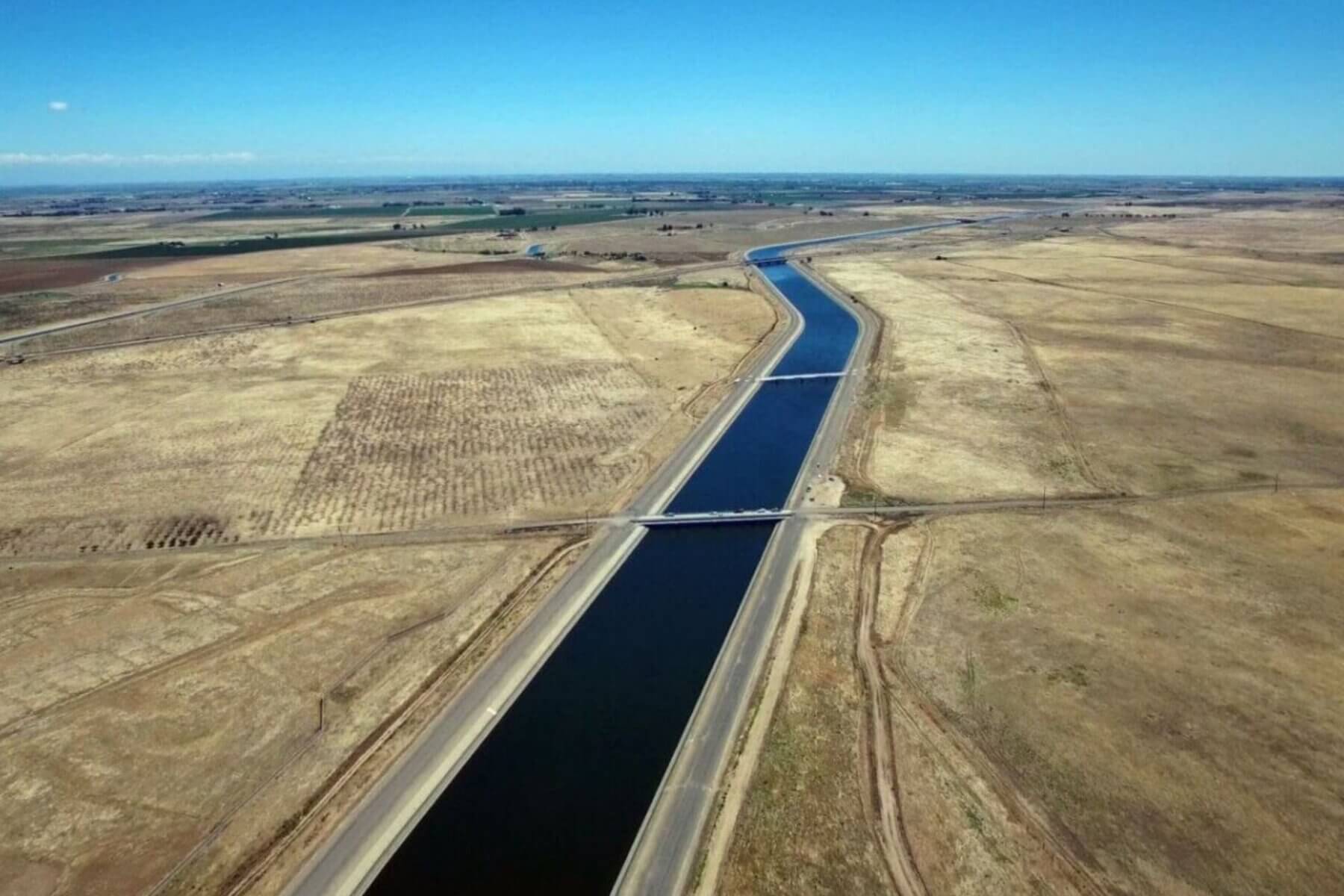
California relies on a complex network of dams, canals, and aqueducts to move water from wetter regions, primarily the north, to drier, more populated areas in the south. Key projects include:
- The State Water Project (SWP): Managed by the California Department of Water Resources, the SWP is one of the largest state-built water and power development systems in the world. It transports water from Northern California to Southern California, serving millions of people and vast agricultural lands.
- The Central Valley Project (CVP): A federal undertaking, the CVP also plays a critical role in water supply, storage, and flood control across the Central Valley.
The capacity of these projects, while substantial, can be overstretched during prolonged droughts, leading to reduced allocations for agricultural users and water restrictions for urban consumers.
Over-reliance on Surface Water and Groundwater Depletion
For decades, California has heavily relied on surface water sources—rivers, lakes, and reservoirs. However, during droughts, these sources diminish, forcing an increased reliance on groundwater.
- Groundwater Overdraft: In many regions, groundwater aquifers have been pumped at rates exceeding their natural replenishment. This unsustainable practice, known as groundwater overdraft, leads to several detrimental effects:
- Land Subsidence: As the water table drops, the land above the aquifer can sink, causing irreversible damage to infrastructure and ecosystems.
- Saltwater Intrusion: In coastal areas, excessive groundwater pumping can draw saltwater into freshwater aquifers, contaminating them and rendering them unusable.
- Reduced Water Availability: Long-term overdraft can lead to the depletion of entire aquifers, posing a severe threat to future water supplies.
The Sustainable Groundwater Management Act (SGMA) of 2014 aims to address this critical issue by requiring local agencies to develop and implement plans to achieve groundwater sustainability.
Aging Infrastructure and Maintenance
Many of California’s water infrastructure components, including dams, canals, and pipelines, are decades old. Maintaining and upgrading this aging infrastructure to meet current and future demands, as well as to withstand seismic activity and climate change impacts, requires significant investment and planning.
Climate Change: An Accelerating Factor
Climate change is not just a future concern for California; it is an active driver of its water challenges. Rising global temperatures are altering precipitation patterns, increasing evaporation rates, and impacting snowpack.
Reduced Snowpack and Earlier Melt
Warmer winters mean that more precipitation falls as rain instead of snow. Furthermore, the snow that does accumulate melts earlier in the spring. This shift has significant implications:
- Reduced Water Storage: Snowpack acts as a natural reservoir, releasing water gradually throughout the warmer months. Earlier melt means less water is available during the peak demand period of summer.
- Increased Flood Risk: Rapid snowmelt, especially when combined with heavy rainfall, can increase the risk of flooding downstream.
Increased Evaporation and Water Demand
Higher temperatures lead to increased evaporation from reservoirs, canals, and soils, further reducing the available water supply. Additionally, warmer weather can increase outdoor water use for landscaping and cooling.
More Extreme Weather Events
Climate change is also linked to an increase in the frequency and intensity of extreme weather events, including more prolonged and severe droughts and more intense rainfall events. This “weather whiplash” makes water management more unpredictable and challenging.
The Path Forward: Innovation and Adaptation
Despite these formidable challenges, California is not standing still. The state is a hotbed of innovation and is actively pursuing a multifaceted approach to water management.
Water Conservation and Efficiency
Conservation remains a cornerstone of California’s water strategy. This includes:
- Urban Water Conservation Programs: Encouraging residents to reduce water use through rebates for water-efficient appliances, drought-tolerant landscaping, and public awareness campaigns.
- Agricultural Water-Use Efficiency: Promoting advanced irrigation techniques, crop switching to less water-intensive varieties, and improved water management practices on farms.
Water Recycling and Reuse
The recycling and reuse of wastewater is becoming increasingly vital. Advanced treatment technologies allow for the purification of wastewater to a level safe for potable reuse, supplementing traditional water supplies. Projects like the Orange County Groundwater Replenishment System are pioneering these efforts.
Desalination
Converting saltwater from the Pacific Ocean into freshwater through desalination offers another potential source of water. While energy-intensive and costly, advancements in technology are making desalination a more viable option for coastal communities facing severe water shortages. The Carlsbad Desalination Plant is a notable example.
Improved Storage and Infrastructure Modernization
Investing in and modernizing existing water storage infrastructure, as well as exploring new storage solutions like groundwater recharge projects, is essential. This includes improving the efficiency of dams, reservoirs, and conveyance systems.

Policy and Governance
Effective water management requires strong policy and collaborative governance. California is continuously working to adapt its policies to address the evolving water landscape, balancing the needs of diverse stakeholders, including agriculture, urban populations, and the environment.
In conclusion, California’s water challenges are multifaceted, stemming from its arid climate, ever-growing demand, and the intensifying impacts of climate change. However, through innovation, conservation, and strategic infrastructure development, the state is striving to forge a more resilient and sustainable water future.
LifeOutOfTheBox is a participant in the Amazon Services LLC Associates Program, an affiliate advertising program designed to provide a means for sites to earn advertising fees by advertising and linking to Amazon.com. Amazon, the Amazon logo, AmazonSupply, and the AmazonSupply logo are trademarks of Amazon.com, Inc. or its affiliates. As an Amazon Associate we earn affiliate commissions from qualifying purchases.