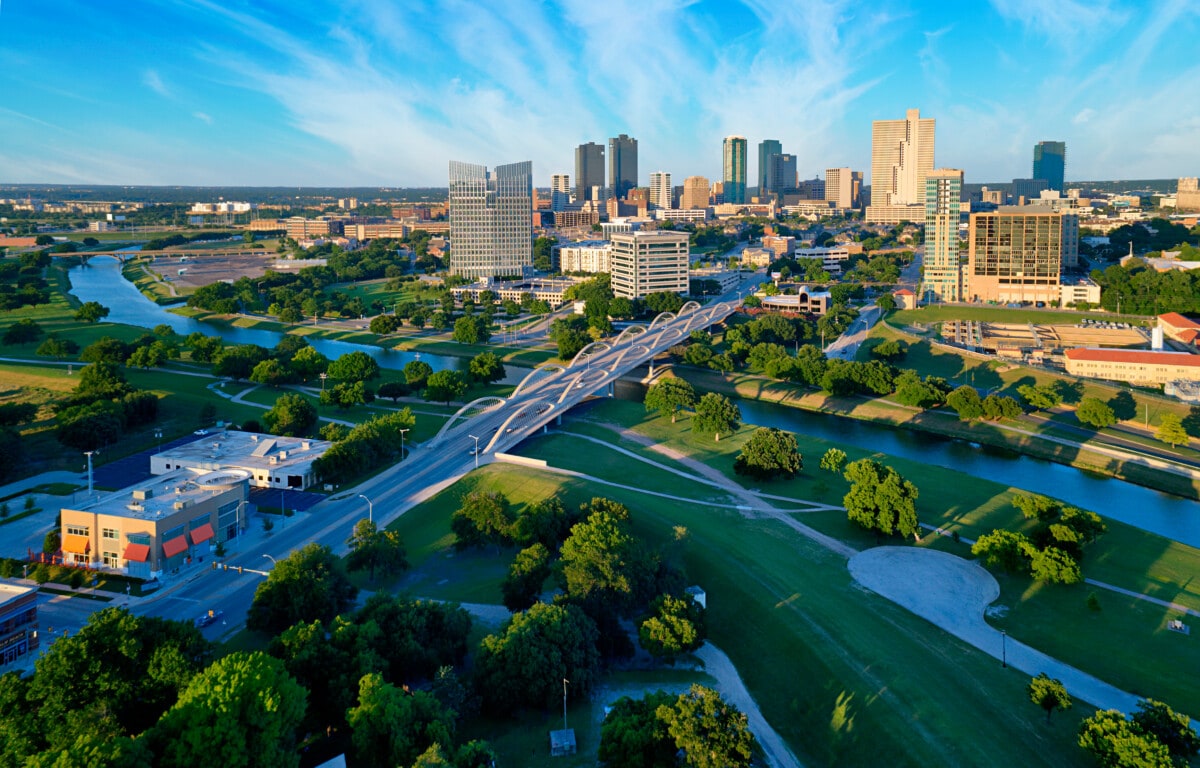
The question “Is Texas a good place to live?” elicits a spectrum of responses as vast and varied as the state itself. From its sprawling deserts to its bustling metropolises, Texas presents a complex mosaic of opportunities and challenges. For anyone considering a move, or simply curious about the Lone Star State, understanding the multifaceted nature of life here is key. This comprehensive guide, drawing on insights into travel, tourism, accommodation, and lifestyle, aims to unpack what makes Texas an attractive home for millions, while also acknowledging the aspects that give potential residents pause.
The Allure of the Lone Star State: Opportunities and Rich Experiences
Texas consistently ranks among the fastest-growing states in the United States, a testament to its compelling appeal. Its sheer size means an incredible diversity of landscapes, cultures, and economic opportunities, making it a destination that caters to a wide array of preferences and lifestyles.
Economic Opportunities and Business Growth
One of the most significant draws of Texas is its robust and diversified economy. Historically known for oil and gas, the state has successfully pivoted to become a powerhouse in technology, aerospace, healthcare, and finance. Major tech hubs like Austin, often dubbed “Silicon Hills,” attract innovation and talent from across the globe, while Dallas and Houston serve as critical centers for corporate headquarters, medical research, and international trade. This economic dynamism translates into a vibrant job market and ample career growth opportunities.
Adding to its economic magnetism is the absence of a state income tax. This policy means residents keep more of their earnings, a powerful incentive that often offsets other costs of living. The business-friendly environment also fosters entrepreneurial spirit, with numerous startups finding fertile ground for growth across the state. Cities like Plano and Frisco in the Dallas area exemplify this growth, offering a blend of corporate campuses, residential communities, and retail hubs. For those seeking business stays or extended project assignments, the array of serviced apartments and extended-stay hotels in these areas caters to every need, from budget-friendly options to luxury suites, complete with amenities like fitness centers, business lounges, and complimentary breakfast.
A Tapestry of Cultures and Cuisines
Texas’s cultural landscape is as rich and varied as its geography. The state is a true melting pot, influenced by its Native American roots, strong Mexicon heritage, Western frontier history, and the influx of diverse populations from around the world. This cultural amalgamation is perhaps most deliciously evident in its food scene. Authentic Tex-Mex cuisine, deeply rooted in the state’s history, offers a vibrant fusion of flavors. Iconic Texas BBQ, slow-smoked to perfection, is a culinary institution, with legendary pits drawing visitors from far and wide. Beyond these staples, cities boast world-class dining, from upscale steakhouses in Dallas to innovative farm-to-table restaurants in Austin and a global gastronomic tapestry in Houston, renowned for its diverse ethnic eateries.
Tourism in Texas thrives on this cultural richness. Visitors can immerse themselves in live music venues along Austin’s Sixth Street, explore the historic missions of San Antonio, including the iconic The Alamo, or experience the cowboy culture at a rodeo in Fort Worth. The sheer variety of activities, from vibrant festivals celebrating different heritages to world-class museums and art galleries, ensures there’s always something new to discover. For travelers, exploring the local culture often involves staying in unique accommodations, from charming boutique hotels in historic districts to cozy B&Bs in smaller towns like Fredericksburg in the Hill Country.
Outdoor Adventures and Natural Wonders
Despite its image as a largely arid state, Texas offers an astonishing array of natural beauty and outdoor recreation opportunities. From the pristine beaches of the Gulf of Mexico to the rugged mountains of West Texas, nature enthusiasts will find plenty to explore.
- Coastal Escapes: Cities like Galveston and Corpus Christi, along with the vibrant resort town of South Padre Island, provide sandy beaches, fishing, and water sports. Padre Island National Seashore, the longest undeveloped barrier island in the world, is a haven for birdwatching and conservation.
- Mountain Majesty: In West Texas, Big Bend National Park offers breathtaking desert landscapes, dramatic canyons, and the majestic Chisos Mountains, perfect for hiking, camping, and stargazing. Nearby, Guadalupe Mountains National Park boasts the state’s highest peak, Guadalupe Peak, offering challenging treks and stunning vistas.
- Lakes and Rivers: The Texas Hill Country is dotted with beautiful lakes like Lake Travis and Canyon Lake, popular for boating, swimming, and kayaking. Numerous rivers provide opportunities for tubing and canoeing, offering a refreshing escape from the summer heat.
These natural landmarks are not just for day trips; many travelers opt for longer stays in cabins, resorts, or even glamping sites to fully immerse themselves in the environment. Budget travel options are plentiful for campers, while luxury lodges offer a more refined outdoor experience.
Diverse Urban Landscapes
Texas’s major cities each possess a distinct personality, catering to different lifestyles:
- Houston: The largest city in Texas, Houston is a global hub for energy and healthcare, home to the renowned Texas Medical Center and NASA Space Center Houston. Its diverse population fuels a vibrant culinary scene and a rich tapestry of cultural attractions. Accommodation ranges from high-rise apartments downtown to suburban family homes.
- Dallas & Fort Worth: The Dallas-Fort Worth Metroplex offers a blend of sophistication and Western charm. Dallas is a center for business, fashion, and arts, with upscale shopping, a thriving arts district, and a bustling nightlife. Fort Worth, meanwhile, embraces its cowboy heritage, with the historic Stockyards National Historic District and daily cattle drives.
- Austin: The state capital and a liberal oasis, Austin is famous for its live music scene, burgeoning tech industry, and outdoor-centric lifestyle. It’s a magnet for young professionals and creatives, offering a unique blend of urban cool and natural beauty along the Colorado River.
- San Antonio: Steeped in history and Spanish colonial charm, San Antonio is home to The Alamo and the picturesque River Walk, a network of pedestrian pathways lined with shops, restaurants, and hotels. It’s a top tourist destination, offering a unique cultural experience that feels distinct from other Texas cities.
- El Paso: On the westernmost tip of Texas, El Paso offers a vibrant blend of United States and Mexicon cultures, with stunning desert views and a laid-back pace.
Navigating the Challenges: The Other Side of the Coin
While Texas presents many advantages, it’s also essential to acknowledge the aspects that some residents find challenging. No place is perfect, and understanding these trade-offs is crucial for an informed decision.
Climate Concerns and Environmental Realities
The most frequently cited drawback of living in Texas is its climate. Summers are notoriously hot and humid, particularly in the eastern and southern parts of the state. Temperatures frequently soar into the high 90s and even triple digits from June through September, with heat indexes making it feel even hotter. This intense heat can limit outdoor activities during peak daylight hours and leads to higher electricity bills for air conditioning. While many homes and public spaces are well-equipped to handle the heat, it remains a significant adjustment for newcomers from cooler climates.
Beyond the heat, Texas is also susceptible to natural disasters. The Gulf Coast region faces the annual threat of hurricanes and tropical storms, which can cause significant damage and require evacuations. Inland areas, particularly “Tornado Alley,” experience a higher frequency of tornadoes, especially during spring. Droughts are also common, leading to water restrictions, and conversely, severe flooding can occur during intense rain events. Understanding and preparing for these environmental realities is a part of life in Texas.

Cost of Living Considerations: Taxes and Housing
While Texas boasts no state income tax, this benefit is often offset by some of the highest property taxes in the nation. These taxes contribute to local services like schools and infrastructure, but they can significantly impact the overall cost of homeownership. Potential residents must factor these annual expenses into their budget.
Housing costs, while historically more affordable than coastal tech hubs, have been steadily rising, especially in desirable urban areas and their surrounding suburbs. Cities like Austin have seen explosive growth in real estate prices, making homeownership increasingly challenging for some. Rent for apartments and houses has also climbed, though still generally lower than comparable major cities in California or New York. When considering long-term stays or relocation, it’s vital to research specific neighborhoods and their property tax rates and housing market trends. The strong demand for accommodation in major Texas cities means that booking in advance is often recommended, whether for a luxury hotel suite or a budget apartment.
Navigating the Urban Sprawl and Commute
The rapid growth of Texas’s major cities has led to significant urban sprawl and, consequently, traffic congestion. Commutes in Houston, Dallas, and Austin can be lengthy, especially during peak hours. While public transportation options exist, they are often not as extensive or efficient as in older, more densely populated cities. This means that for many, a car is a necessity, adding to transportation costs and daily commute times.
Planning for travel around Texas, whether for tourism or daily life, often involves considerable driving distances. While the extensive highway system is generally well-maintained, the sheer size of the state means that traveling from, say, Dallas to Big Bend National Park is an all-day affair. For those accustomed to walkable cities or robust public transit networks, adapting to Texas’s car-centric lifestyle can be a significant adjustment.
Lifestyle and Accommodation Insights
The lifestyle in Texas is as varied as its geography, encompassing everything from sophisticated urban living to laid-back rural charm. This diversity extends to accommodation options, offering choices for every type of traveler and long-term resident.
Finding Your Perfect Stay: From Luxury Resorts to Cozy Apartments
Whether you’re visiting for a short trip or planning a long-term relocation, Texas offers an extensive range of accommodation choices. For the luxury traveler, cities like Dallas and Houston boast world-class hotels and resorts, complete with five-star amenities, concierge services, and exquisite dining. Think grand hotels in downtown Dallas with rooftop pools or elegant boutique hotels nestled in Austin’s vibrant districts.
Families on vacation often opt for resorts with extensive facilities, like water parks and kids’ clubs, particularly in popular tourist destinations such as San Antonio or along the Gulf Coast. For those seeking a more authentic experience or a longer stay, vacation rentals, apartments, and villas are widely available, offering more space, privacy, and the opportunity to experience local life. Websites for booking accommodation provide detailed reviews and comparisons, helping travelers find the perfect fit for their budget and preferences. Many apartment complexes in growing suburbs like Frisco and Plano cater to long-term stays, offering furnished units and community amenities.
Budget travelers will also find plenty of options, from well-maintained motels along major highways to charming guesthouses in smaller towns. The rise of peer-to-peer accommodation services has further diversified choices, providing unique stays in various neighborhoods.

Experiencing Texas: Beyond the Everyday
Living in Texas means access to an endless list of experiences. Beyond the major landmarks and national parks, there are countless hidden gems and local activities that define the Texas lifestyle. Explore the renowned Texas Wine Country around Fredericksburg, known for its award-winning vineyards and charming German heritage. Discover the antiquing treasures of Round Top or the serene beauty of the Aransas National Wildlife Refuge, home to the endangered whooping crane.
Tourism in Texas is not just about visiting, but experiencing. Engage in local culture by attending a Friday night high school football game, an iconic Texas tradition, or join a food tour to sample the best local BBQ and Tex-Mex. For those interested in history, countless small-town museums and historic sites offer glimpses into the state’s rich past. Business stays often extend into opportunities for delegates to explore nearby attractions, with many hotels offering guided tours or easy access to popular sites. The blend of adventure, culture, and hospitality truly makes Texas a destination where both visitors and residents can thrive.
In conclusion, “Is Texas a good place to live?” The answer, like the state itself, is expansive and nuanced. For those seeking economic opportunity, a diverse cultural landscape, and a wide array of outdoor adventures, Texas offers a compelling proposition. However, potential residents must also be prepared for the intense summer heat, navigate high property taxes, and contend with urban sprawl and traffic. Ultimately, whether Texas is the right fit depends on individual priorities and what one values most in a place to call home. Its unique blend of progress and tradition ensures it remains one of the most dynamic and fascinating places to live and visit in the United States.