
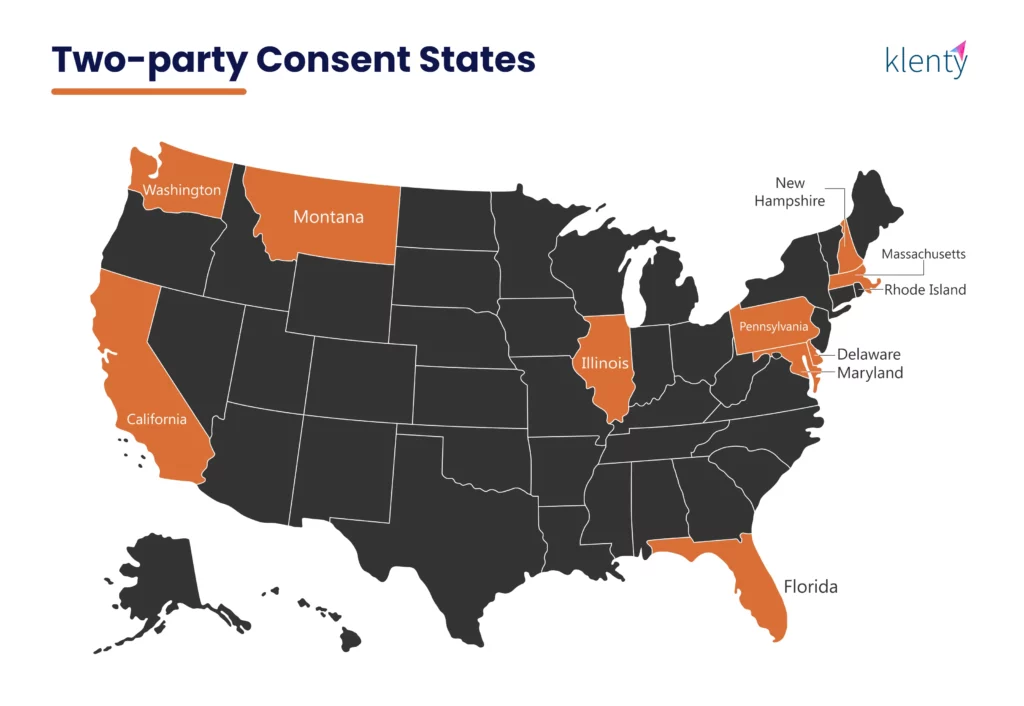
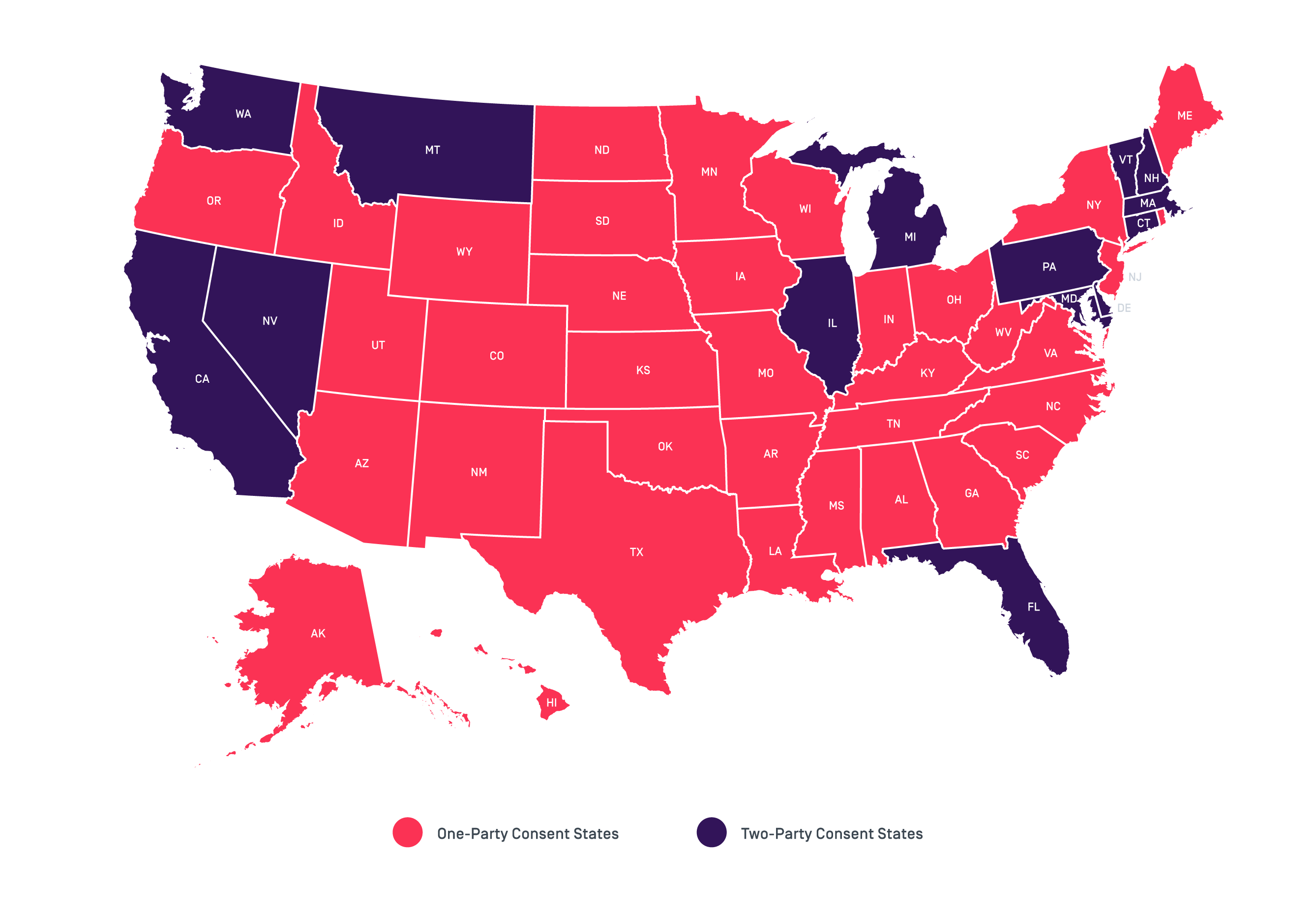
When planning a trip, be it for leisure, business, or a grand adventure across the United States, understanding local laws can be as crucial as knowing where to find the best barbecue. One particular legal nuance that often sparks questions among travelers and content creators alike concerns the recording of conversations. Specifically, many wonder: Is Texas a two-party consent state? For those looking to document their experiences, engage in interviews, or simply understand their privacy rights in the Lone Star State, the answer is a definitive “no.” Texas operates under a one-party consent rule when it comes to recording conversations, a distinction that carries significant implications for travel, tourism, and everyday lifestyle within its vast borders.
This distinction is more than just a legal technicality; it influences how visitors might approach capturing the vibrant culture, engaging with locals, or even managing their expectations of privacy during their stay. From the bustling streets of Houston to the live music venues of Austin, and the historic charm of San Antonio to the sprawling ranches of the Hill Country, understanding Texas’s consent laws is an essential part of responsible and informed travel. This article will delve into what one-party consent truly means, how it contrasts with two-party consent states, and offer practical insights for navigating your travels and lifestyle experiences throughout Texas with confidence and respect.
Understanding Consent Laws in the Lone Star State
The legal framework governing the recording of conversations varies significantly from state to state across the United States. These laws primarily focus on whether all parties involved in a conversation must consent to its recording, or if only one party’s consent is sufficient. This fundamental difference shapes the landscape of privacy and communication.
One-Party vs. Two-Party Consent: What’s the Difference?
At its core, the distinction between one-party and two-party consent revolves around who needs to know a conversation is being recorded.
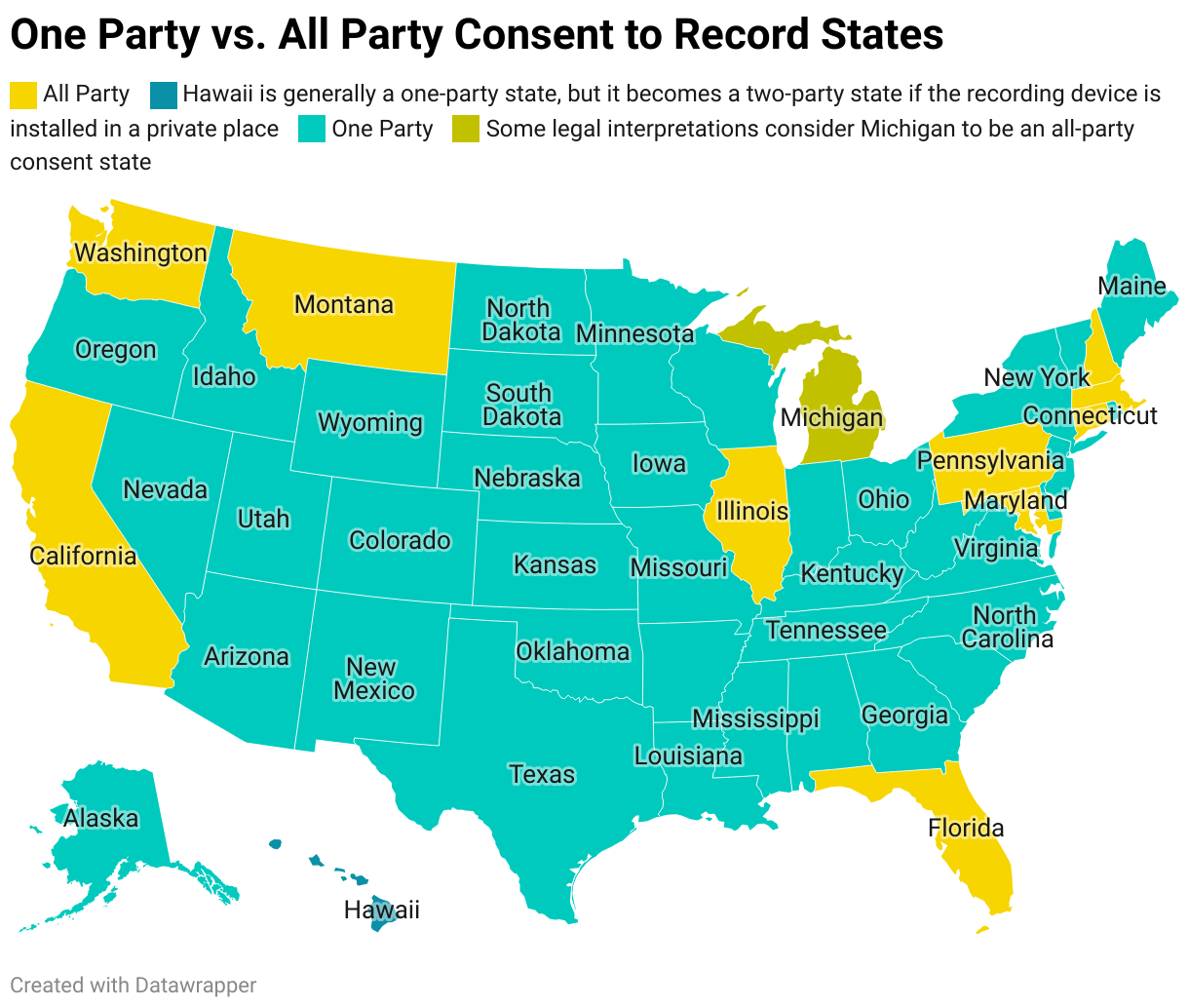
In one-party consent states, like Texas, only one person involved in the conversation needs to be aware that it is being recorded. This person can be the recorder themselves. This means if you are a party to a conversation, you can legally record it without informing the other participants, provided you are physically present or involved in the communication. The rationale often behind such laws is to prevent blackmail or to allow individuals to protect themselves by documenting conversations. However, this legal allowance does not extend to recording conversations to which you are not a party; that would generally be considered illegal eavesdropping or wiretapping.
Conversely, in two-party consent states (sometimes referred to as “all-party consent” states), every single individual participating in a conversation must grant their explicit permission before the conversation can be legally recorded. If even one person does not consent, the recording is illegal. These laws are typically designed to uphold a higher standard of privacy, ensuring that individuals have full control over whether their spoken words are captured and potentially used later. States like California, Florida, and Pennsylvania are well-known examples of two-party consent jurisdictions.
It’s also important to note that federal law, specifically the Electronic Communications Privacy Act (ECPA), operates on a one-party consent basis. This means that if state law is stricter (i.e., a two-party consent state), then state law typically takes precedence within that state’s borders. However, for a one-party consent state like Texas, state and federal laws are generally aligned on this particular aspect.
Implications for Travelers and Tourists in Texas
For anyone traveling through or visiting Texas, understanding its one-party consent law has several practical implications, especially in an era where documenting experiences through vlogs, social media, and personal recordings is commonplace.
- Vlogging and Content Creation: If you’re a travel blogger, vlogger, or content creator, you can record conversations you are actively participating in, even if the other person isn’t aware they are being recorded. This can be useful for capturing candid moments, interviews with locals, or personal reflections. However, this legal right doesn’t negate the ethical considerations. While legal, recording someone without their knowledge can still be perceived as intrusive or disrespectful, particularly in personal interactions. Many content creators choose to inform subjects or obtain explicit consent out of courtesy, fostering better relationships and more genuine interactions, which ultimately enhances the quality of their travel stories.
- Documenting Service Interactions: Whether you’re dealing with hotel staff, restaurant servers, or tour guides, you are legally permitted to record conversations you are part of. This can be seen as a way to protect yourself in case of disputes or misunderstandings regarding bookings, service quality, or billing. For instance, if there’s a disagreement about a booking at a luxury resort or a specific amenity promised, having a recording can serve as evidence.
- Privacy Expectations: As a traveler, it’s also crucial to understand that your own conversations might be recorded by others if they are a party to them. While this might be unsettling for some, it’s the legal reality in Texas. This generally applies to private conversations, not necessarily to public remarks made in a public forum where there’s no reasonable expectation of privacy.
- Public vs. Private Spaces: The one-party consent rule primarily applies to conversations. When it comes to video recording in public spaces, different rules apply, generally allowing filming where there’s no reasonable expectation of privacy (e.g., street scenes, landmarks). However, when a conversation is involved, the consent rule kicks in. Private establishments, such as hotels, restaurants, and shops, may also have their own policies regarding recording on their premises, which they can enforce as private property owners, even if Texas law permits one-party consent. Always be mindful of posted signs or requests from management.
In essence, while Texas’s one-party consent law provides a degree of freedom for recording, it also places a responsibility on individuals to use this right wisely and ethically, especially when interacting with the diverse and often very friendly people of Texas.
Navigating Texas: Legalities, Etiquette, and Enjoying Your Trip
Traveling through Texas offers an incredible array of experiences, from vibrant city life to serene natural landscapes. Understanding the nuances of recording conversations, alongside general etiquette, can significantly enhance your journey, ensuring both legal compliance and respectful interactions.
Recording in Public Spaces: From Austin’s Live Music to Houston’s Museums
Texas’s public spaces are teeming with life, culture, and history, providing endless opportunities for travelers to document their adventures. The one-party consent law applies to conversations you are a part of, even in these public settings. However, when it comes to general video and audio recording in public, the prevailing rule is that you can typically film or record audio where there is no reasonable expectation of privacy.
- Austin’s Sixth Street and Live Music: Known as the “Live Music Capital of the World,” Austin is a hotspot for capturing spontaneous moments. While you can certainly film the general atmosphere on Sixth Street or a performance in a venue, if you’re engaging in a conversation with a local musician or fellow tourist, you can legally record it as long as you are a participant. Venues, however, might have their own rules regarding recording performances, so it’s always good to check. Beyond the music, a dip in Barton Springs Pool might involve chats with locals; these conversations, if you’re a party to them, fall under the one-party consent rule.
- Houston’s Museum District and Space Center Houston: Exploring the world-class museums in Houston or marveling at space exploration history at Space Center Houston (a key attraction for NASA enthusiasts) provides ample photographic and video opportunities. While generally permitted to film the exhibits, if you strike up a conversation with an exhibit guide or a fellow visitor, the one-party consent law applies. Remember, museum policies on flash photography and video can vary, so always respect posted guidelines.
- Dallas‘ Reunion Tower and Arts District: Capturing panoramic views from Reunion Tower or the vibrant architecture of the Dallas Arts District is a highlight for many. Conversations you engage in with staff or other tourists are fair game for one-party consent recording.
- San Antonio’s The Alamo and River Walk: Historic sites like The Alamo often have specific rules about photography and recording inside their sensitive areas. However, outside, or along the picturesque River Walk, you can capture the ambiance and record your own conversations.
- Natural Wonders: From Big Bend National Park to Guadalupe Mountains National Park, and the beaches of South Padre Island on the Gulf Coast, the natural beauty of Texas is breathtaking. Here, recording conversations is less common, but the rule still stands for any discussions you might have with park rangers or fellow hikers.
In all public settings, while you have the legal right to record your own conversations, practicing good judgment and being mindful of those around you is always recommended. Avoid overtly intrusive recording, and always prioritize enjoying the moment over merely documenting it.
Privacy in Texas Accommodations and Private Establishments
While public spaces offer broad freedom, private establishments and accommodations in Texas introduce another layer of consideration. Hotels, resorts, apartments, and various businesses are private property owners, and they can set their own policies regarding recording on their premises.
- Hotels and Resorts: When staying at a hotel, whether it’s a budget-friendly option or a luxury resort offering premium suites and amenities, you can generally record conversations with staff at the front desk, in restaurants, or during service interactions (e.g., with concierges, bellhops), as long as you are a party to the conversation. However, hotels often have policies prohibiting recording in certain areas like spas, gyms, or even lobbies, particularly if it disturbs other guests or compromises their privacy. Always look for posted signs or inquire with management if you are unsure. Within your private hotel room, while you can record your own conversations, installing hidden recording devices to record others without their knowledge is illegal.
- Restaurants and Bars: Similar to hotels, restaurants and bars are private establishments. You can record conversations you’re involved in with staff or dining companions. However, discretion is key. Recording other patrons’ conversations is not permitted unless you are a party to them, and doing so can lead to being asked to leave. Respect the ambiance and the privacy of others enjoying their meals or drinks.
- Apartments and Villas (e.g., Airbnb): If you’re staying in a rented apartment or villa, the same one-party consent rule applies to conversations you are part of. Hosts of short-term rentals like Airbnb are generally required to disclose any recording devices on the property, especially in common areas. Undisclosed devices in private spaces like bedrooms or bathrooms are universally illegal and a serious privacy violation.
- Business Settings: For those on business trips, recording meetings or client discussions can be a powerful tool for documentation. In Texas, you can legally record these conversations if you are a participant. However, in a professional context, it is almost always better practice and more ethical to inform all parties that the conversation is being recorded, even if not legally required. This fosters trust and transparency.
The key takeaway is that while Texas’s one-party consent law grants you certain rights, private property owners retain the right to set rules for their premises. Always be observant, polite, and willing to comply with the policies of the establishment you are visiting. This approach ensures a smoother experience for you and respects the environment for everyone else.
Beyond the Law: Ethical Considerations and Texas Hospitality
While understanding the legal aspects of recording conversations in Texas is crucial, it’s equally important to consider the ethical implications and the prevailing spirit of Texas hospitality. Laws set the minimum standard for what is permissible, but ethical behavior often demands more.
The Spirit of Texas: Courtesy and Respect
Texas is renowned for its unique culture, characterized by a strong sense of community, friendliness, and a particular brand of hospitality often described as “Southern charm with a Western twist.” Texans generally appreciate directness and courtesy.
- When Legal Isn’t Enough: Just because you can legally record a conversation without explicit consent doesn’t always mean you should. Imagine striking up a friendly chat with a local artisan in Fort Worth’s Stockyards National Historic District, a friendly stranger at a roadside diner in the Hill Country, or a hotel staff member going out of their way to assist you. While recording these interactions might be tempting for content, secretly doing so could be seen as an invasion of privacy and a breach of trust, particularly if the conversation is personal in nature.
- Building Genuine Connections: Travel is often about connection—with places, cultures, and people. Asking for consent before recording, even when not legally mandated, demonstrates respect and fosters a more genuine interaction. It puts the other person at ease and often leads to richer, more authentic exchanges. This approach aligns perfectly with the generous and open-hearted nature of Texas hospitality. When people know you respect their privacy, they are often more willing to share their stories, insights, and recommendations, enriching your travel experience profoundly.
- Professional and Personal Etiquette: For business travelers, ethical considerations are paramount. While legal to record a meeting, openly stating “I’ll be recording this for notes, is that okay?” is a professional courtesy that prevents misunderstandings and builds rapport. In personal interactions, a simple “Do you mind if I record this, I’d love to remember this conversation” can go a long way.
Embracing the spirit of courtesy and respect not only makes your interactions smoother but also leaves a positive impression, reflecting well on you as a traveler and potentially enhancing the reputation of other visitors to the state.
Practical Tips for a Seamless Texas Experience
To ensure your journey through Texas is enjoyable, legally sound, and ethically responsible, consider these practical tips:
- Know Before You Go: Always confirm the specific laws of any state you plan to visit, not just for recording, but for other relevant regulations. While Texas is a one-party consent state, rules can change, and nuances exist.
- Prioritize Asking for Consent: When in doubt, or when the conversation is personal, sensitive, or for public dissemination, simply ask for permission to record. Most people will appreciate the transparency. A simple “Is it okay if I record this conversation?” is usually all it takes.
- Be Mindful of Your Surroundings: Even in public spaces, be aware of others’ privacy. Avoid recording strangers’ private conversations or actions where they clearly expect privacy, even if you are not a party to them. Focus on recording the general scene or specific, consented interactions.
- Respect Private Property Rules: Always adhere to the policies of hotels, restaurants, shops, and other private establishments regarding photography and recording. These rules are generally for the comfort and privacy of all patrons and staff.
- Focus on the Experience: While documenting travel is popular, remember that the most valuable part of any trip is often the lived experience itself. Sometimes, putting the camera or recorder away and simply immersing yourself in the moment – the taste of authentic Texas barbecue, the sound of a live band in Austin, or the vastness of a desert sunset – creates the most lasting memories.
- Use Recordings Responsibly: If you do record conversations or experiences, use them responsibly and ethically. Avoid editing content in a way that misrepresents the original context or harms anyone’s reputation.
In conclusion, Texas is indeed a one-party consent state for recording conversations, offering flexibility for travelers and content creators. However, navigating the vibrant landscapes and diverse communities of Texas is best done with a blend of legal awareness, ethical considerations, and a deep appreciation for the state’s legendary hospitality. By doing so, you’ll not only have a legally sound trip but also a richer, more respectful, and ultimately more memorable Texas adventure, whether it’s a luxury getaway, a budget-friendly road trip, or a family exploration.
LifeOutOfTheBox is a participant in the Amazon Services LLC Associates Program, an affiliate advertising program designed to provide a means for sites to earn advertising fees by advertising and linking to Amazon.com. Amazon, the Amazon logo, AmazonSupply, and the AmazonSupply logo are trademarks of Amazon.com, Inc. or its affiliates. As an Amazon Associate we earn affiliate commissions from qualifying purchases.