
The Lone Star State, a vast expanse of diverse landscapes and booming economies, has long captivated Americans with its promise of opportunity and a distinct way of life. But as populations grow and cities expand, a pertinent question arises for prospective residents and long-term dwellers alike: “Is Texas expensive to live in?” The answer, as with many things in Texas, is nuanced, depending heavily on individual circumstances, lifestyle choices, and the specific metropolitan areas considered.
While Texas has historically been known for its affordability, particularly when compared to coastal hubs like California or New York, recent years have seen a significant rise in the cost of living across its major cities. This surge is driven by a confluence of factors, including robust job growth, a high influx of new residents, and increased demand for housing. However, when placed on a national scale, Texas often still presents a more palatable financial picture than many other popular states.
Decoding the Cost of Living in Texas
To truly understand the financial landscape of living in Texas, it’s crucial to dissect the various components that contribute to the overall cost. These include housing, utilities, transportation, food, healthcare, and entertainment. While these expenses are universal, their magnitude can vary dramatically from one Texan city to another.
Housing: The Biggest Driver
Housing is undeniably the most significant factor influencing the cost of living in Texas. While the state boasts a lower median home price than the national average, this broad statistic masks considerable regional disparities.
Major Metropolitan Areas: A Tale of Two Cities (or More)
- Austin: The vibrant capital city, renowned for its thriving tech industry and live music scene, has experienced a dramatic surge in housing costs. Austin is now one of the most expensive cities in Texas, with median home prices often exceeding those in many established urban centers across the country. Rent has also followed suit, making it a significant financial commitment for many residents.
- Houston: As the nation’s fourth-largest city, Houston offers a sprawling landscape with diverse housing options. While some of its more affluent neighborhoods can command high prices, Houston generally remains more affordable than Austin, especially for those willing to live further from the city center. The energy sector continues to be a major economic driver, influencing housing demand and prices.
- Dallas – Fort Worth Metroplex: This dynamic region presents a complex housing market. Dallas proper, with its burgeoning corporate presence, sees higher housing costs, particularly in its most desirable areas. However, the wider Metroplex, including cities like Fort Worth, Plano, and Arlington, offers a more varied price range, with many suburbs providing a more budget-friendly alternative to the core city.
- San Antonio: Often cited as one of the most affordable major cities in Texas, San Antonio offers a unique blend of rich history, vibrant culture, and a generally lower cost of living. Housing prices here are significantly more modest compared to Austin or Dallas, making it an attractive option for those seeking value.
- Smaller Cities and Rural Areas: Outside the major metropolises, the cost of living, particularly housing, tends to decrease substantially. Towns like College Station, Waco, and various communities in West Texas or East Texas offer significantly more affordable housing, though job opportunities may be more limited.
Rent vs. Ownership
For renters, the cost of leasing an apartment or house is a primary expense. In popular cities like Austin, a one-bedroom apartment can easily cost over $1,500 per month, while in San Antonio, a similar unit might be found for under $1,200. Homeownership involves mortgage payments, property taxes (which can be higher in Texas than in some other states), insurance, and maintenance.
Utilities: A Significant, Yet Manageable, Expense
Texas experiences extreme weather, leading to significant energy consumption for heating and cooling. Summers are notoriously hot, driving up electricity bills for air conditioning. Winters, while generally milder than in northern states, can still bring periods of cold, requiring heating.
- Electricity: Texas has a deregulated electricity market in many areas, allowing consumers to choose their electricity provider and plan. This can offer opportunities for savings if one is diligent in comparing rates.
- Water and Sewer: These costs vary by municipality, with larger cities generally having higher rates.
- Internet and Cable: Prices are comparable to national averages, with various providers and packages available.
Transportation: The Open Road Comes at a Price
Texas is a car-dependent state. Its vast distances and sprawling cities necessitate personal vehicle ownership for most residents.
- Gasoline: While Texas is a major oil-producing state, gasoline prices are subject to national trends and market fluctuations. However, they often remain lower than the national average.
- Vehicle Maintenance and Insurance: These costs are typical for car owners and can vary based on vehicle type, driving record, and location.
- Public Transportation: While some cities like Dallas, Houston, and Austin have developing public transit systems (e.g., light rail, bus networks), they are not as comprehensive or as widely used as in some older, denser cities. Reliance on a car remains the norm.
Food Costs: Relatively Stable
Grocery prices in Texas tend to be in line with, or slightly below, the national average. This is partly due to the state’s significant agricultural output. However, the cost of dining out can vary greatly. Popular restaurants in vibrant cities like Austin will naturally be more expensive than eateries in smaller towns.
Healthcare: A Mixed Bag

Healthcare costs in Texas are generally considered comparable to the national average, though they can fluctuate based on insurance plans, provider networks, and specific medical needs. Access to healthcare can be a concern in more rural areas, sometimes necessitating travel to larger medical centers.
Entertainment and Lifestyle: Options Abound
Texas offers a wide spectrum of entertainment and leisure activities, from world-class museums and live music venues to outdoor adventures and professional sports. The cost of these activities is largely dependent on individual preferences. A family can enjoy an affordable day at a local park or a state fair, or opt for more costly experiences like attending a Dallas Cowboys game or dining at a Michelin-starred restaurant.
Texas vs. The Nation: A Comparative View
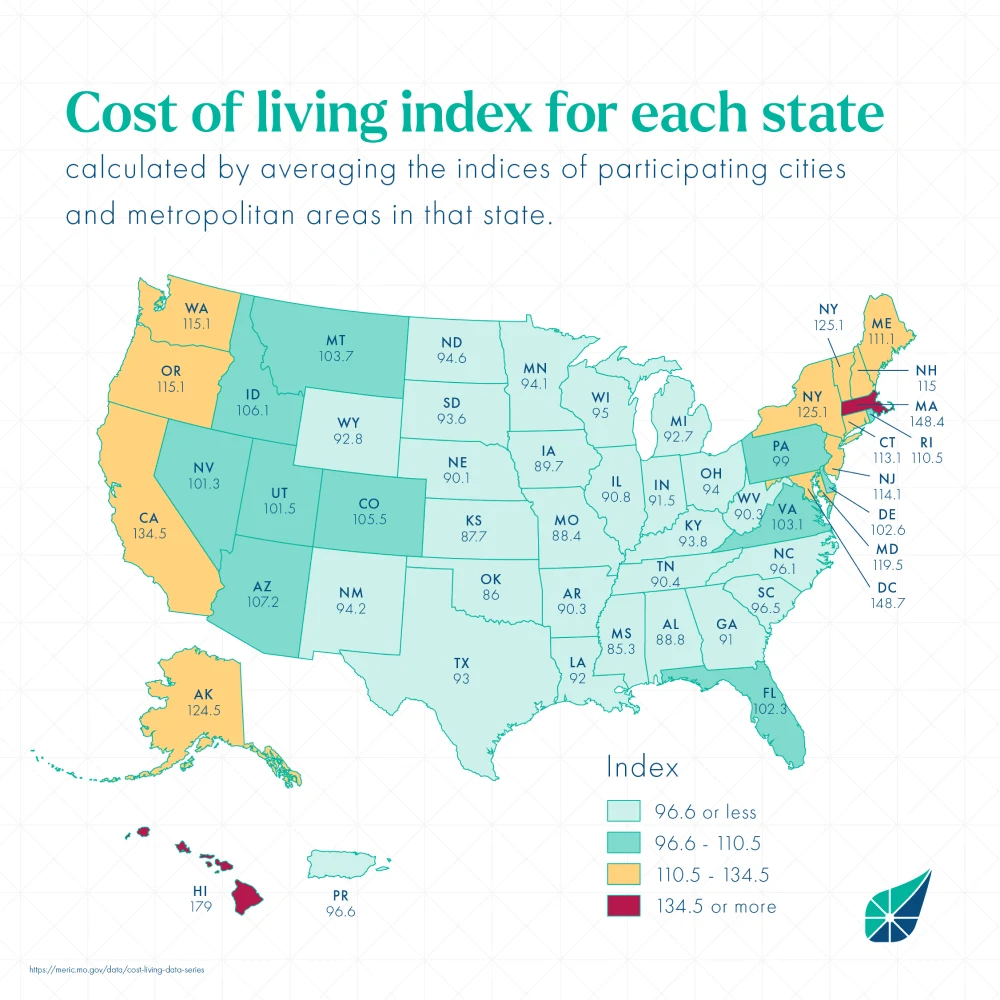
When assessing whether Texas is expensive, a direct comparison to other states is invaluable. Data consistently shows that Texas ranks as more affordable than many of its counterparts, particularly those on the East and West Coasts.
- No State Income Tax: A significant financial advantage of living in Texas is the absence of a state income tax. This means residents keep a larger portion of their earned income, which can offset higher costs in other areas, such as property taxes.
- Overall Cost of Living Indices: While specific indices vary, Texas cities often appear below the national average in comprehensive cost of living assessments, even with rising housing prices in some urban centers. For instance, Houston and San Antonio consistently rank as more affordable than cities like Los Angeles, Seattle, or Boston.
Making Texas Affordable: Tips for Residents
For those considering a move to Texas or looking to manage their expenses within the state, several strategies can help make living more affordable.
Strategic City Selection
The most impactful decision regarding affordability is choosing where to live. Researching the cost of living in cities like El Paso, Corpus Christi, or smaller towns can reveal significantly lower expenses than in booming metropolises.
Housing Market Savvy
- Explore Suburbs: Even in expensive areas like the Dallas – Fort Worth Metroplex or near Austin, surrounding suburbs often offer more affordable housing options with reasonable commutes.
- Consider Renting vs. Buying: Evaluate the current market conditions and your financial goals to determine whether renting or buying is the more cost-effective option.
- Understand Property Taxes: Be aware that while there’s no state income tax, property taxes in Texas can be higher than the national average, so factor this into homeownership costs.
Energy Efficiency
- Shop for Electricity Plans: Take advantage of the deregulated market to find plans that best suit your energy consumption habits.
- Home Efficiency: Investing in energy-efficient appliances, proper insulation, and smart thermostats can significantly reduce utility bills, especially during peak seasons.
Transportation Alternatives
While car ownership is prevalent, explore opportunities for carpooling, utilizing public transport where available, or considering more fuel-efficient vehicles if feasible.
Budgeting for Lifestyle
- Embrace Free and Low-Cost Activities: Texas offers abundant natural beauty, parks, and cultural events that can be enjoyed on a budget.
- Cook at Home: Reducing reliance on dining out can lead to substantial savings on food expenses.
Conclusion
So, is Texas expensive to live in? The answer is a resounding “it depends.” While the state offers a compelling combination of economic opportunity and a desirable lifestyle, the cost of living is not uniform. Major cities like Austin are experiencing rapid growth that has driven up prices, making them less affordable than they once were. However, compared to many other popular destinations in the United States, and particularly when factoring in the absence of a state income tax, Texas can still represent a financially prudent choice for many. Careful research into specific cities, diligent budgeting, and smart lifestyle choices are key to making Texas an affordable and rewarding place to call home.
LifeOutOfTheBox is a participant in the Amazon Services LLC Associates Program, an affiliate advertising program designed to provide a means for sites to earn advertising fees by advertising and linking to Amazon.com. Amazon, the Amazon logo, AmazonSupply, and the AmazonSupply logo are trademarks of Amazon.com, Inc. or its affiliates. As an Amazon Associate we earn affiliate commissions from qualifying purchases.