
Texas, a state often synonymous with its deep-rooted conservative identity, has been a focal point of national political discourse for decades. While its electoral map has consistently favored the Republican party, a closer examination reveals a complex and evolving landscape. The question of whether Texas is “going blue” is not a simple yes or no; rather, it’s a narrative of shifting demographics, growing urban centers, and a persistent, though still developing, progressive undercurrent. This exploration delves into the factors contributing to this perceived shift, focusing on the demographic, economic, and social forces reshaping the Lone Star State’s political identity.

The Shifting Demographic Tapestry
At the heart of any discussion about Texas’s political future lies its rapidly changing demographics. The state has experienced explosive population growth, largely driven by migration from other parts of the United States and a significant influx of international immigrants. This growth has fundamentally altered the state’s ethnic and racial composition.
The Rise of Urban Centers and Suburban Influence
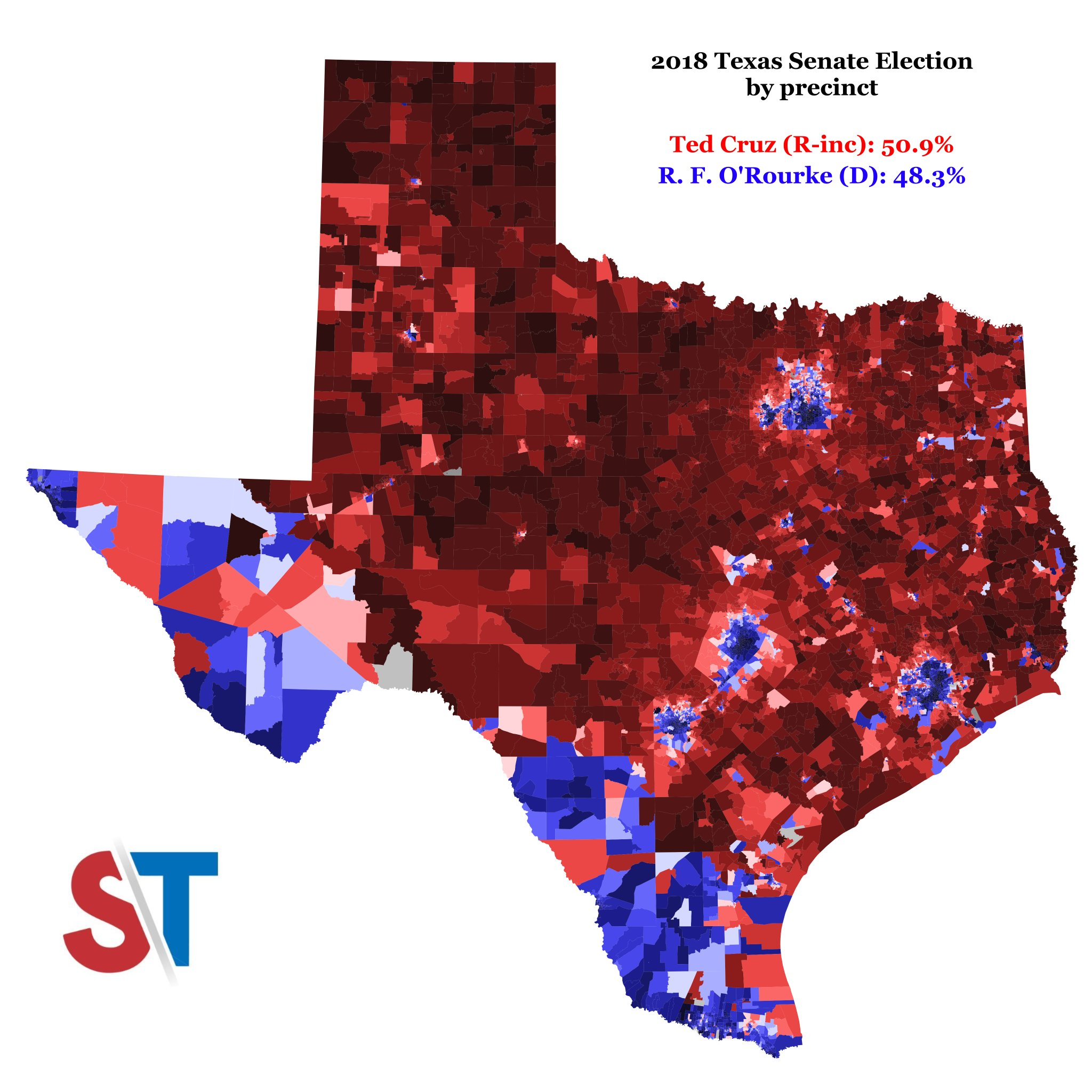
The engine of this demographic transformation is undeniably Texas’s major metropolitan areas. Cities like Houston, Dallas, Austin, and San Antonio are becoming increasingly diverse and politically progressive. These urban cores, fueled by vibrant economies and a younger, more educated populace, tend to lean Democratic.
- Austin’s Progressive Stronghold: Austin has long been an outlier in Texas, known for its liberal politics and unique cultural identity. The city consistently votes Democratic and serves as a beacon for progressive ideas within the state. Its tech-driven economy attracts a diverse workforce, many of whom bring different political perspectives.
- Dallas and Houston: Evolving Metros: While Dallas and Houston have historically had more mixed political leanings, their inner cities and surrounding suburban rings are increasingly trending blue. The sheer diversity of these vast metropolitan areas, with large Hispanic and African American populations, coupled with an influx of transplants from more liberal states, is creating a more competitive electoral environment.
- Suburban Dynamics: The suburbs surrounding these major cities are particularly crucial. Historically, these areas have been a bedrock of Republican support. However, as these communities grow and diversify, and as younger families move in, there are signs of a gradual political recalibrate. The “suburban sprawl” is becoming a complex battleground where traditional conservative values are being challenged by new residents and evolving social norms.
The Growing Hispanic Electorate
Perhaps the most significant demographic factor is the burgeoning Hispanic population in Texas. Hispanics are the largest and fastest-growing ethnic group in the state, and their voting patterns are a key determinant of future electoral outcomes. While historically leaning Democratic, the Hispanic vote is not monolithic. Cultural, economic, and generational factors play a significant role, and there are observable trends of some segments of the Hispanic community moving towards the Republican party, particularly in more rural or culturally conservative areas.
- Youthful Demographics: The Hispanic population in Texas is notably young, meaning a significant number of new voters will be entering the electorate in the coming years. This youth factor, combined with increasing educational attainment, suggests a growing potential for Democratic engagement.
- Urban vs. Rural Divide: The political leanings of the Hispanic electorate often vary by geography. In urban centers, the vote tends to be more aligned with Democratic platforms. In more rural parts of the state, or in communities with strong traditional values, Republican candidates can find greater traction.
- Issues Driving the Vote: For Hispanic voters, like any other demographic, issues such as the economy, education, immigration, and healthcare are paramount. The ability of either party to effectively address these concerns will significantly influence their electoral decisions.
The African American Vote
The African American community in Texas, particularly in cities like Houston, Dallas, and San Antonio, has consistently been a reliable bloc for the Democratic party. While their numbers may not be as large as the Hispanic population, their high voter turnout rates make them a critical constituency. Efforts to further mobilize this electorate and ensure robust participation remain a key strategy for Texas Democrats.
Economic Transformations and Their Political Fallout
Texas’s economic story is one of remarkable growth and diversification. While oil and gas remain significant industries, the state has successfully cultivated burgeoning sectors in technology, healthcare, and manufacturing. These economic shifts have profound implications for the political landscape, influencing job creation, educational demands, and the overall social fabric of the state.
The Tech Boom and Its Influence
The rise of the technology sector, particularly in Austin and increasingly in Dallas and Houston, has attracted a highly educated, often younger, and more socially liberal workforce. These “tech transplants” often bring with them political ideologies that differ from those traditionally found in Texas. This influx contributes to the growing progressive sentiment in urban and suburban areas.
- Innovation Hubs: Cities like Austin have become national hubs for innovation, drawing talent from across the country and the globe. This has led to a cultural and political evolution in these areas, often prioritizing issues like environmental protection, social justice, and investment in public services.
- Economic Disparities: While the tech boom has brought prosperity, it has also exacerbated economic disparities. The high cost of living in tech-centric cities can create challenges for lower-income residents, leading to a demand for policies that address affordability and social equity, often aligning with Democratic platforms.
The Energy Sector’s Enduring Legacy
Despite diversification, the energy sector, particularly oil and gas, remains a powerful economic force in Texas. This industry has historically been a significant contributor to the state’s conservative identity and its Republican voting base. However, even within this sector, there are evolving perspectives, particularly concerning renewable energy and environmental regulations.
- Fossil Fuels and Future Energy: The debate over Texas’s energy future – balancing traditional fossil fuels with the growing imperative for renewable energy sources like solar and wind – is becoming increasingly central. This debate can create divisions within the state and offers opportunities for political parties to appeal to different interests.
- Economic Dependency: For many communities, particularly in West Texas and the Gulf Coast, economic prosperity remains closely tied to the oil and gas industry. This can lead to a resistance to policies perceived as detrimental to these industries, reinforcing conservative voting patterns.
Social and Cultural Shifts: A Changing Texas Identity
Beyond demographics and economics, Texas is also experiencing subtle yet significant social and cultural shifts. The state’s identity is not static; it is a dynamic entity shaped by its history, its people, and its ongoing evolution.
The Rise of Progressive Activism
While often overshadowed by its conservative reputation, Texas has a vibrant and growing progressive activist scene. Grassroots organizations are working on issues ranging from environmental justice and LGBTQ+ rights to voting access and criminal justice reform. These groups, while still building their power, are contributing to a cultural shift and mobilizing new voters.
- Student Activism: University towns and cities with large student populations, such as Austin, College Station (home to Texas A&M University), and Denton, often serve as incubators for progressive ideas and activism.
- Issue-Specific Advocacy: Movements focused on specific issues, like reproductive rights following the overturning of Roe v. Wade, have seen increased organization and engagement across the state, demonstrating a capacity for widespread mobilization.
Generational Differences
As in many parts of the country, generational differences are playing a crucial role in shaping Texas’s political future. Younger generations, who have grown up in a more diverse and interconnected world, often hold more liberal views on social issues, environmental policy, and economic fairness.
- Millennials and Gen Z: These younger cohorts are entering adulthood and the electorate with different priorities and expectations than older generations. Their increasing numbers and growing political engagement are a significant factor for both parties to consider.
- Urban vs. Rural Youth: Even within younger demographics, there can be a divide between those in urban centers, who are more likely to embrace progressive ideologies, and those in rural areas, who may align more with traditional values.
The National Political Climate
It is impossible to discuss Texas without acknowledging the influence of the national political climate. Polarization, national political figures, and major policy debates all reverberate within the state, impacting local elections and shaping voter sentiment. A highly contested presidential election, for instance, can galvanize voters on both sides of the aisle in Texas, potentially leading to increased turnout and closer races down the ballot.
The Electoral Landscape: A State in Transition
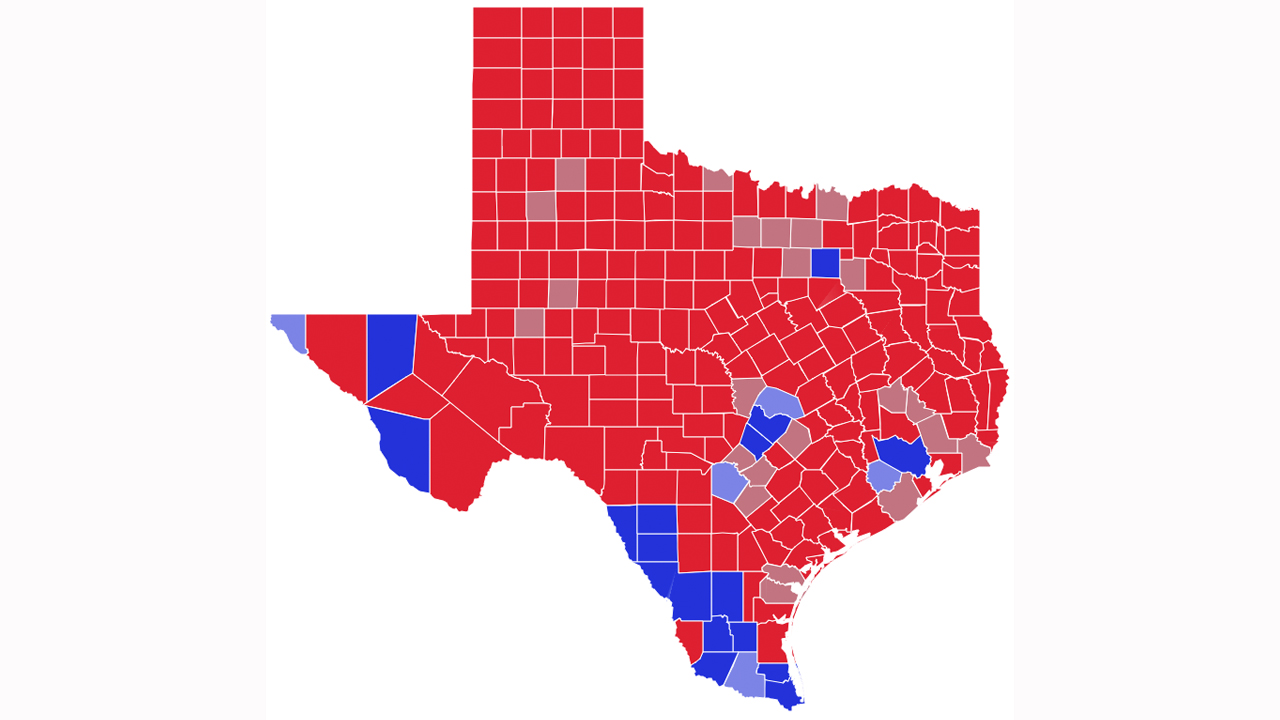
The question of “Is Texas going blue?” ultimately boils down to its electoral performance. While the state has consistently voted Republican in presidential and statewide races for decades, the margins have been tightening, particularly in recent cycles.
Presidential Elections: Closing the Gap
In recent presidential elections, the margin of victory for Republican candidates in Texas has narrowed considerably. While Donald Trump won the state by wider margins than some expected in 2016 and 2020, the Democratic vote share has been steadily increasing, especially in the large urban counties. The sheer number of votes cast for Democratic presidential candidates in cities like Houston, Dallas, and Austin is a testament to the changing political leanings of these areas.
Midterm and Local Elections: Early Indicators
Midterm elections and local races often provide earlier indicators of broader political trends. While Texas has seen Republican dominance in congressional races and state legislative seats, there have been notable Democratic gains in certain districts, particularly in the rapidly growing suburban areas. The success of Democratic candidates in flipping historically Republican seats, even if temporary, signals the increasing competitiveness of the state.
- Congressional Districts: Several congressional districts in the Houston and Dallas-Fort Worth metroplex have become swing districts, where either party can win depending on the specific election cycle and candidate.
- State Legislature: The battle for control of the Texas House of Representatives and Senate is often a key indicator of the state’s political trajectory. While Republicans maintain control, Democrats have made gains in recent elections, chipping away at their majority.
The Path Forward for Both Parties
For Democrats, the path to turning Texas blue lies in further mobilizing diverse urban and suburban populations, particularly younger voters and the growing Hispanic electorate. This requires significant investment in grassroots organizing, targeted voter outreach, and developing messaging that resonates with a broad spectrum of voters.
For Republicans, the challenge is to maintain their traditional base while adapting to the state’s evolving demographics and social values. This may involve appealing to a wider range of voters, emphasizing economic growth and individual liberty, and finding ways to connect with suburban and minority communities.
In conclusion, while Texas has a long history of Republican dominance, the state is undeniably in a period of political transition. The forces of demographic change, economic diversification, and evolving social attitudes are creating a more competitive and dynamic electoral landscape. Whether this transition ultimately leads to a sustained “blue wave” remains to be seen, but the evidence suggests that the political identity of the Lone Star State is becoming increasingly complex and contested. The journey of Texas is a compelling case study in the ongoing evolution of American politics.
LifeOutOfTheBox is a participant in the Amazon Services LLC Associates Program, an affiliate advertising program designed to provide a means for sites to earn advertising fees by advertising and linking to Amazon.com. Amazon, the Amazon logo, AmazonSupply, and the AmazonSupply logo are trademarks of Amazon.com, Inc. or its affiliates. As an Amazon Associate we earn affiliate commissions from qualifying purchases.