
The Genesis of the “City Beautiful”
The story of Orlando, often lauded as the “City Beautiful,” is not one of ancient origins or a single, definitive founding moment. Instead, its development is a testament to the gradual expansion of settlement in Florida, driven by a confluence of agricultural ambition, strategic location, and, much later, the transformative power of modern tourism. While pinpointing an exact “built” date is complex, understanding Orlando’s origins requires looking back to the mid-19th century and the early pioneers who first envisioned a community in this central Florida region.
Early Settlement and the Birth of a Community
The area that would become Orlando was initially inhabited by the Seminole people. European-American settlement began to take hold in the 1840s, drawn by the fertile lands suitable for cattle ranching and citrus cultivation. Early settlers established homesteads, and small agricultural communities began to form. The presence of Lake Eola, a prominent natural feature, likely played a role in attracting people to the area.
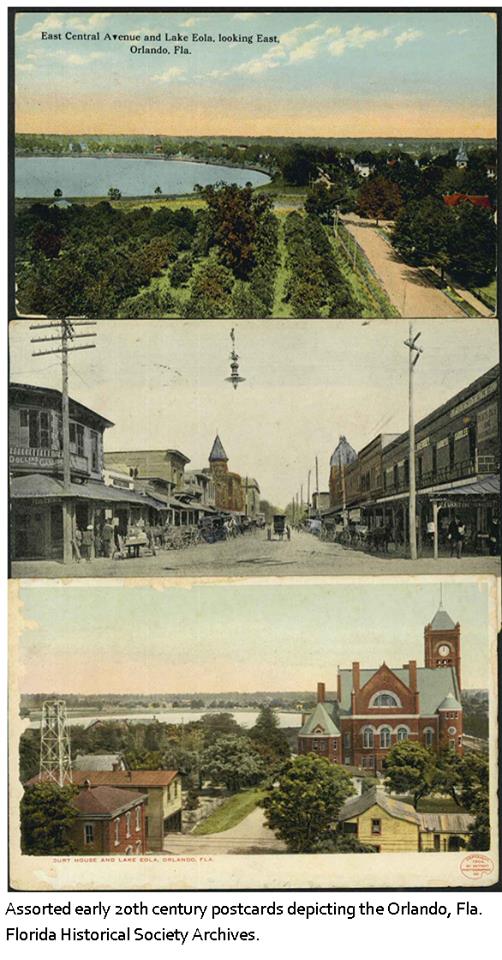
One of the most significant early developments was the establishment of a post office in 1850. This marked a crucial step in solidifying the nascent settlement’s identity. The community initially adopted the name “Jernigan” after one of its prominent early settlers, J.W. Jernigan. However, this name would not last.
The Naming and Early Growth
The pivotal moment in Orlando‘s formal establishment as a distinct entity came in the 1850s. Legend has it that the name “Orlando” was chosen in honor of Orlando Rees, a soldier who fought in the Second Seminole War. Another prevailing theory suggests it was named after a character in Shakespeare‘s As You Like It. Regardless of the exact origin, the name “Orlando” was officially adopted in 1857, marking the birth of the town as we recognize it today.
The period following the Civil War saw a modest increase in population and economic activity. The development of the South Florida Railroad in the 1880s was a game-changer. This infrastructure project connected Orlando to major ports and markets, spurring further growth in agriculture, particularly citrus. The town officially incorporated as a city in 1875, solidifying its administrative structure and paving the way for more organized development.
From Agricultural Hub to Tourism Powerhouse
For much of its early existence, Orlando was primarily an agricultural center, with its economy heavily reliant on citrus groves, cattle ranches, and other farming endeavors. The Florida land boom of the early 20th century brought increased attention and development to the region, but the true metamorphosis of Orlando into a global destination was yet to come.
The Mid-20th Century Shift
The seeds of Orlando‘s future as a tourism mecca were sown in the mid-20th century. While there were early attractions like Bok Tower Gardens (though technically a bit south of Orlando, it influenced the region’s appeal) and the natural beauty of the surrounding lakes, the landscape was vastly different from the bustling metropolis of today. The economic landscape began to diversify, with a growing service sector and a more robust infrastructure.
However, it was the visionary ambition of Walt Disney that would irrevocably alter the trajectory of Orlando. In the early 1960s, Disney purchased vast tracts of undeveloped land in Central Florida, with the intention of building a world-class theme park and resort destination. This monumental undertaking, culminating in the opening of Walt Disney World Resort in 1971, was the catalyst for an unprecedented boom.
The Disney Effect and the Modern Era
The arrival of Walt Disney World Resort transformed Orlando. Suddenly, the city was on the international map, drawing millions of visitors annually. This influx of tourism necessitated massive infrastructure development, including the expansion of the Orlando International Airport, the construction of major highways, and the proliferation of hotels, restaurants, and entertainment venues.
The success of Disney spurred other major theme park developers to invest in the region. Universal Orlando Resort, SeaWorld Orlando, and numerous other attractions followed, creating a critical mass of entertainment options that solidified Orlando‘s status as the “Theme Park Capital of the World.”
The development was not solely confined to theme parks. The city’s population grew exponentially, attracting a diverse workforce to support the burgeoning tourism industry. Educational institutions like the University of Central Florida expanded to meet the demands of a growing student body and workforce. The city’s skyline began to change, reflecting its increasing economic importance and cosmopolitan character.
Understanding “Built”: A Continuous Process
When considering “When was Orlando built?”, it’s essential to recognize that it wasn’t a singular event but rather a series of evolving phases.
The Foundation of a Town
The initial “building” can be traced back to the mid-19th century with the establishment of a community and the granting of a post office. The official naming in 1857 and incorporation as a city in 1875 represent formal milestones in its physical and administrative construction. This era saw the erection of the first homes, businesses, and public buildings, laying the groundwork for a functional town.
The Agricultural Era Construction
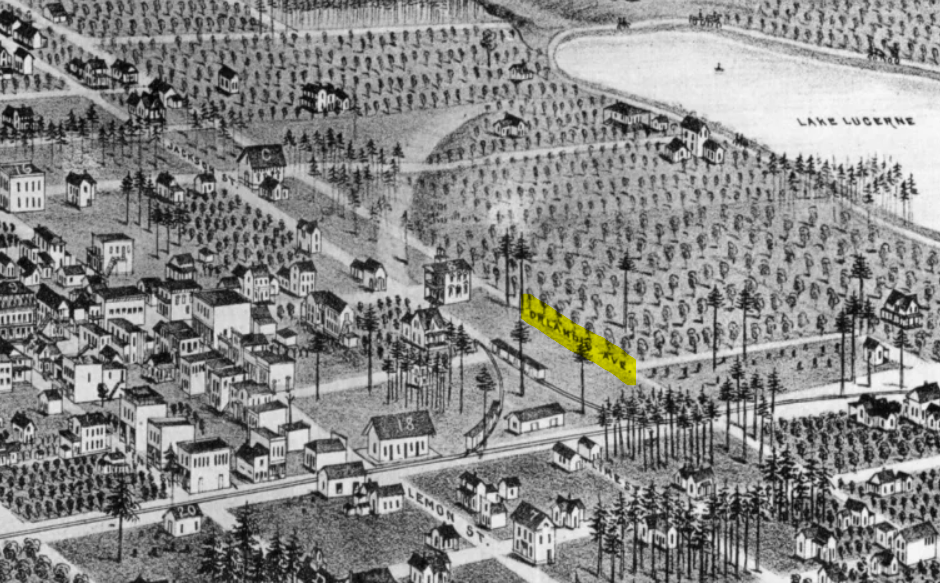
From the late 19th century through the mid-20th century, Orlando‘s construction was largely driven by its agricultural economy. This involved the development of infrastructure to support farming, such as packing plants, transportation networks, and residential areas for farmers and their families. The architectural style of this period often reflected the regional vernacular, with homes designed to cope with Florida‘s climate.
The Tourism Revolution and Modern Urbanization
The post-1971 era, particularly after the opening of Walt Disney World Resort, represents the most dramatic period of construction and development in Orlando‘s history. This phase saw the rapid growth of hotels, resorts, convention centers, and the vast entertainment complexes that define the modern city. The urban landscape transformed from a modest city surrounded by agricultural land to a sprawling metropolitan area characterized by a dynamic tourism-driven economy. New residential communities, commercial centers, and public amenities were built to accommodate the influx of residents and visitors.
Therefore, while a specific year for when Orlando was “built” is elusive, the process is a continuous narrative of settlement, agricultural development, and ultimately, the transformative power of tourism that has shaped it into the vibrant city it is today. The city’s foundations were laid in the 1850s, but its modern identity and form were largely constructed from the 1970s onwards, a testament to its remarkable evolution.
LifeOutOfTheBox is a participant in the Amazon Services LLC Associates Program, an affiliate advertising program designed to provide a means for sites to earn advertising fees by advertising and linking to Amazon.com. Amazon, the Amazon logo, AmazonSupply, and the AmazonSupply logo are trademarks of Amazon.com, Inc. or its affiliates. As an Amazon Associate we earn affiliate commissions from qualifying purchases.