
Planning a trip to the Lone Star State, or perhaps relocating for a new adventure? Understanding the nuances of time zones is crucial for seamless travel, effective communication, and making the most of your visit. Texas, a vast and diverse state in the United States, presents an interesting case when it comes to time, as it primarily operates on one time zone but has a notable exception. For anyone navigating its sprawling landscapes, from bustling metropolises to serene desert expanses, knowing precisely what time it is will ensure your itinerary, accommodation, and experiences align perfectly.
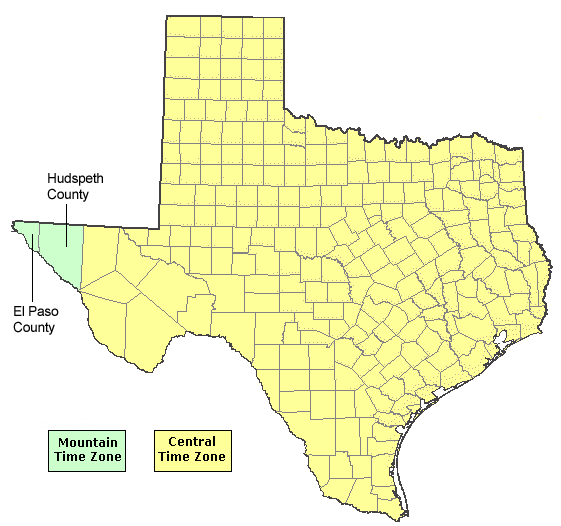
At its core, the vast majority of [Texas] — including its major cities like Dallas, Houston, Austin, San Antonio, and Fort Worth — observes the Central Time Zone ([CT]). This means that when you fly into Dallas/Fort Worth International Airport, check into a luxurious [Houston] hotel, or plan a culinary tour through [Austin]’s vibrant food scene, you’ll be operating on Central Standard Time ([CST]) during the colder months and Central Daylight Time ([CDT]) when Daylight Saving Time is in effect. However, a significant portion of West Texas, particularly the far western tip, shifts to the Mountain Time Zone ([MT]), adding a layer of complexity that savvy travelers and residents alike need to consider. This dual-zone system is a unique aspect of [Texas] that influences everything from flight schedules and business meetings to prime times for exploring its natural wonders.
Unraveling [Texas]’s Time Zone Geography
[Texas]’s considerable size, ranking second in the [United States] for both area and population, naturally leads to variations not just in landscape and culture, but also in time. While the general perception is that the entire state adheres to the [Central Time Zone], the reality is slightly more intricate, necessitating a closer look at the geographical division.The Dominance of Central Standard Time
The overwhelming majority of [Texas] falls squarely within the [Central Time Zone]. This expansive region includes the state’s most populous areas and economic hubs, making [CT] the standard for most commercial, social, and travel activities. From the Gulf Coast beaches of South Padre Island to the bustling urban centers of North Texas, and down to the Rio Grande Valley, [Central Time Zone] governs daily life.
Travelers arriving at major airports such as Dallas/Fort Worth International Airport or George Bush Intercontinental Airport in [Houston] will find themselves immediately synced to [CT]. This alignment extends to all significant tourist attractions, historical landmarks, and hospitality services across these regions. Whether you’re exploring the historic Alamo in [San Antonio], enjoying live music on [Austin]’s Sixth Street, or visiting Space Center Houston, your clock should be set to [Central Time]. This consistency simplifies planning for visitors staying within these primary areas, as they can confidently schedule tours, restaurant reservations, and hotel check-ins without worrying about time shifts within their immediate vicinity. Adherence to [Central Time] also aligns [Texas] with neighboring states like Oklahoma, Louisiana, and Arkansas, facilitating cross-border travel and commerce.
Where the [Mountain Time Zone] Takes Hold
The exception to [Texas]’s [Central Time Zone] rule lies in its far western corner, a region known for its rugged desert landscapes and close proximity to New Mexico. Specifically, the city of El Paso, along with sections of Hudspeth County and Culberson County, observe the [Mountain Time Zone]. This includes natural attractions like Guadalupe Mountains National Park, a stunning area boasting [Texas]’s highest peak, and parts of the broader Trans-Pecos region.
For travelers venturing to [El Paso] or the remote beauty of [West Texas], this time zone change is significant. It means that these areas are one hour behind the rest of [Texas]. For example, when it’s 2 PM in [Dallas], it’s 1 PM in [El Paso]. This difference can be particularly important for those driving across the state, attending scheduled appointments, or making flight connections. It’s a geographical quirk that often surprises first-time visitors but is a daily reality for the residents and businesses in these communities, which often have stronger economic and cultural ties to [New Mexico] and the Mountain West region than to eastern [Texas]. Understanding this distinction is vital for accurate travel planning, ensuring you arrive on time for everything from hotel bookings in [El Paso] to stargazing tours near McDonald Observatory.
Understanding [Daylight Saving Time] in the [Lone Star State]
Like most of the [United States], [Texas] observes Daylight Saving Time. This means that on the second Sunday in March, clocks “spring forward” by one hour, effectively moving from Central Standard Time to Central Daylight Time across most of the state, and from Mountain Standard Time ([MST]) to Mountain Daylight Time ([MDT]) in the [Mountain Time Zone] portion. On the first Sunday in November, clocks “fall back” by one hour, returning to standard time.
This seasonal adjustment impacts travelers by altering the perceived daylight hours and potentially affecting schedules. During [DST], evenings feel longer, offering more time for outdoor activities, sightseeing, and dining al fresco. For example, a visit to Big Bend National Park (which is in [Central Time], but close to the [Mountain Time Zone] boundary) during summer will offer extended daylight for hiking and exploring its vast canyons. When planning your [Texas] itinerary, especially for spring and fall trips that might coincide with the changeover, it’s wise to double-check local times and confirm operational hours for attractions, restaurants, and transportation services. While most modern devices automatically adjust, being aware of the shift helps prevent confusion and ensures a smooth travel experience, allowing you to maximize every moment spent enjoying the diverse offerings of [Texas].
Navigating [Texas]’s Time Zones as a Traveler
Traveling across a state with multiple time zones, or even just within a single large one that observes [Daylight Saving Time], requires a degree of awareness to ensure your plans proceed without a hitch. For visitors to [Texas], understanding the time landscape is essential for everything from catching a flight to enjoying a leisurely dinner.
Planning Your Itinerary: Flights, Check-ins, and Attractions
Careful planning is the cornerstone of any successful trip, and in [Texas], this includes accounting for time zones. When booking flights, especially those with connections or originating from the [Mountain Time Zone] part of the state (like El Paso International Airport), always confirm the local departure and arrival times. A flight departing [El Paso] at 8 AM [MT] would arrive in [Dallas] at 11 AM [CT], not 10 AM [CT], due to the one-hour time difference plus flight duration. Missing a connection or arriving late for a tour can derail your plans and incur extra costs.
Beyond flights, consider the operating hours of attractions. [Guadalupe Mountains National Park], situated in [Mountain Time], will have different sunrise/sunset times and facility hours compared to a landmark like the Dallas Arts District. Museum visits, guided tours, and restaurant reservations all depend on accurate local time. For instance, if you have a dinner reservation in [San Antonio] at 7 PM [CT] after a day exploring [Big Bend National Park] (also [CT], but close to the [MT] border), factor in the driving time and the time zone if you’re coming from the [El Paso] area. Always confirm your schedule against the local time of your destination within [Texas] to avoid any missteps.
[Hotels] and Accommodation: Synchronizing Your Stay
Hotels and other forms of accommodation are pivotal to any travel experience, and time zones play a direct role in their operations. Check-in and check-out times are strictly adhered to in local time. If you arrive in [El Paso] from [Houston], your body clock might feel an hour ahead, but your hotel’s check-in will be based on [Mountain Time]. This can influence whether you need to book an extra night for a very late arrival or request a late check-out if your departure is in the afternoon.
Resorts and suites often have scheduled activities, such as spa treatments, fitness classes, or children’s programs. Being aware of the local time ensures you don’t miss out on these amenities. For example, a resort like the Gaylord Texan Resort & Convention Center in Grapevine will operate strictly on [Central Time]. If you’ve been traveling from [New Mexico] or the [El Paso] area, you’ll need to adjust your internal clock upon arrival. Long-term stays or self-catering apartments might offer more flexibility, but daily services like housekeeping or concierge availability will still follow the local schedule. Always confirm booking details and service hours with your chosen [accommodation] to ensure a smooth and enjoyable stay, free from temporal misunderstandings.
Dining and Entertainment: Embracing the Local Rhythm
[Texas]’s culinary scene is a journey in itself, from sizzling barbecue to authentic Tex-Mex and upscale international cuisine. Each city and region has its own rhythm for dining and entertainment. In major cities like [Austin] or [Houston], dinner typically starts around 6 PM or 7 PM [CT], with vibrant nightlife extending well past midnight. If you’re coming from the [Mountain Time Zone], a 7 PM dinner reservation in [Dallas] will feel like 6 PM to you, potentially leaving you feeling a little rushed or early.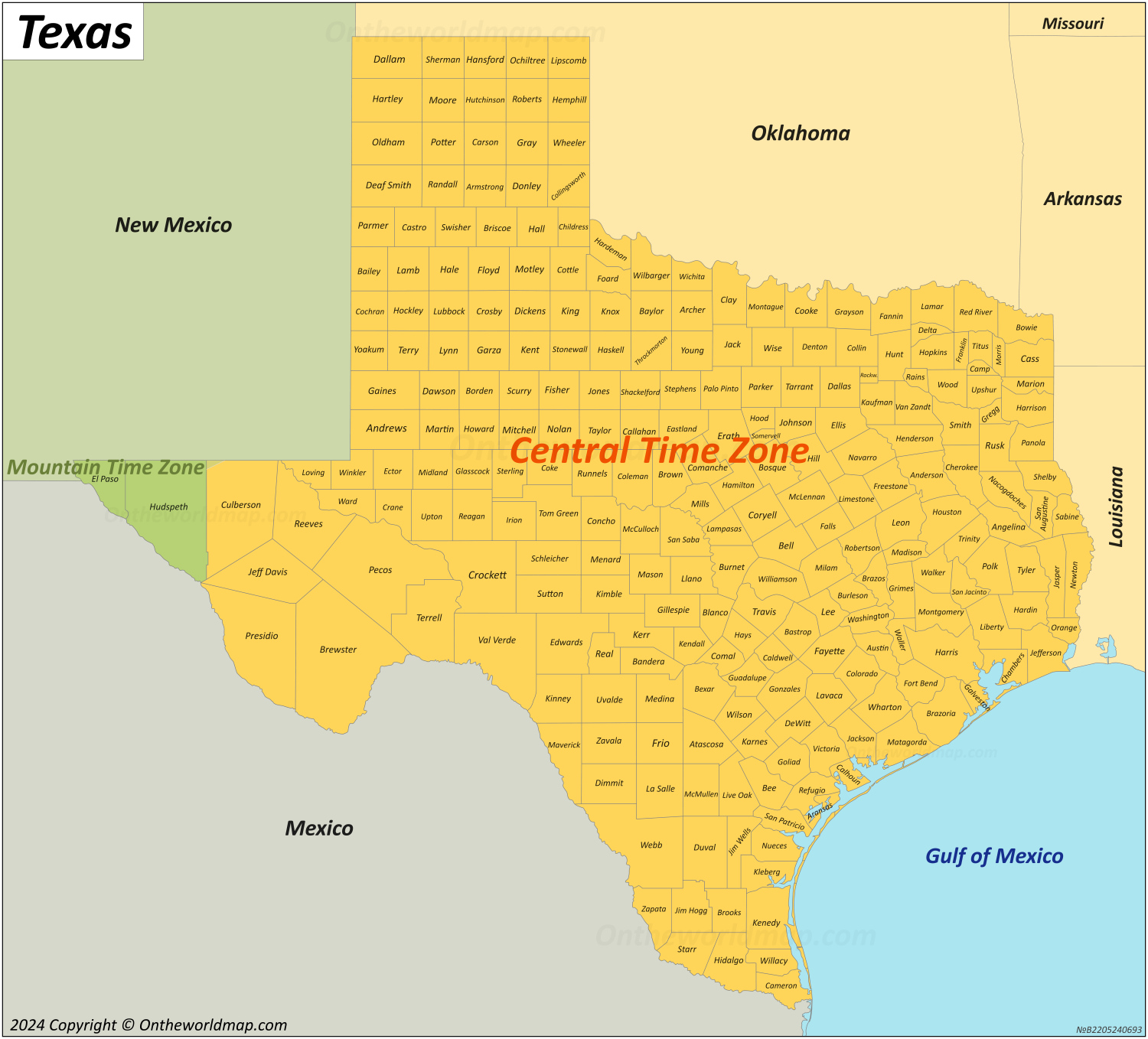
Similarly, entertainment venues, from concert halls in [Austin] to sports arenas in [Houston], adhere to local time. A concert scheduled for 8 PM [CT] in [Austin] will require you to be there at 8 PM [CT], regardless of what time zone you originated from. This is particularly important for major events like the Austin City Limits Music Festival or SXSW, where punctuality is key. Even casual experiences like catching a movie or visiting a local brewery depend on knowing the correct local time. Embracing the local time rhythm helps you immerse yourself fully in the destination, allowing you to enjoy the unique culture, food, and activities without the disruption of time zone confusion.
Beyond the Clock: The Impact on [Texas] Travel and Lifestyle
The implications of [Texas]’s time zones extend beyond mere scheduling; they influence the broader travel experience and the daily lifestyle of its residents. Understanding these deeper impacts can enhance your appreciation for the state and help you plan a more enriching journey.
Business and Connectivity Across Time Zones
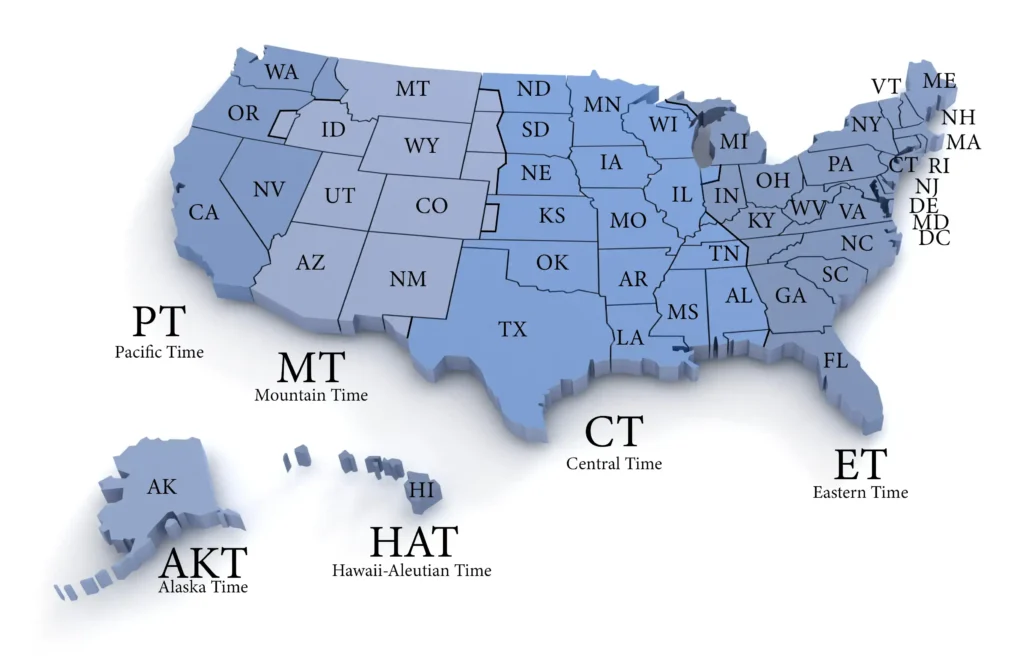
For business travelers, the time zone difference in [Texas] is a critical factor. [Dallas] and [Houston] are significant corporate hubs, often requiring coordination with counterparts across the country and internationally. Being in the [Central Time Zone] means they are two hours ahead of the [Pacific Time Zone] and one hour behind the [Eastern Time Zone]. When collaborating with colleagues in [El Paso] or [New Mexico], the one-hour difference needs careful consideration for meeting schedules and deadlines.
This also impacts broader connectivity. Teleconferences, webinars, and even simple phone calls require attention to the time in both locations. Businesses often include time zone references in meeting invitations (e.g., “10 AM [CT] / 9 AM [MT]”) to prevent misunderstandings. For digital nomads or those on remote work assignments, this means strategic planning of their workday, especially if their clients or teams are in different time zones. Successful business travel to [Texas] hinges on not just understanding the local time but also how it interacts with other time zones you’re connected to.
Family Adventures and Smooth Transitions
Family trips to [Texas] are filled with opportunities, from exploring historical sites to enjoying theme parks. The impact of time zones on children can be more pronounced. Young children, in particular, can struggle with even a one-hour time difference, affecting sleep schedules, meal times, and overall mood. When traveling between [Central Time Zone] and [Mountain Time Zone] within [Texas], or flying in from further afield, parents should factor in a day or two for adjustment.
Planning activities that align with children’s natural rhythms, or gradually shifting schedules before and after travel, can help mitigate jet lag-like symptoms. For example, if driving from [Dallas] to [Guadalupe Mountains National Park], plan for an earlier dinner on your first night in the [Mountain Time Zone] to help the family adjust. Attractions like the Dallas World Aquarium, Moody Gardens in Galveston, or the San Antonio River Walk are best enjoyed when everyone is well-rested and on the local schedule. Thoughtful consideration of time zones can make a significant difference in the success and enjoyment of a family vacation in [Texas].
[Landmarks] and [Experiences]: Maximizing Your Visit
[Texas] is rich in landmarks and unique experiences, from the natural beauty of its national parks to its bustling city attractions. The time zone can directly affect how you experience these sites. For instance, sunrise and sunset times vary considerably between [Eastern Texas] and [Western Texas]. Catching the sunrise over the Gulf Coast near [Galveston] in [Central Time] will be a different experience than watching it paint the Franklin Mountains near [El Paso] in [Mountain Time].Many natural [landmarks], like Big Bend Ranch State Park, are best explored during cooler morning hours or for stargazing at night. Knowing the local time helps you plan these activities effectively. Similarly, cultural [landmarks] such as the Sixth Floor Museum at Dealey Plaza in [Dallas] or the Dr Pepper Museum in Waco have specific operating hours that visitors must respect. For events like the Houston Livestock Show and Rodeo or the State Fair of Texas, being on the correct local time is crucial for enjoying parades, concerts, and competitions. By understanding the time implications, travelers can optimize their visits, minimize waiting times, and fully immerse themselves in the unforgettable [experiences] that [Texas] has to offer.
Practical Tips for a Seamless [Texas] Journey
Navigating the time zones of [Texas] doesn’t have to be complicated. With a few practical tips and a proactive mindset, you can ensure your journey through the [Lone Star State] is as smooth and enjoyable as possible.
Always Double-Check Local Times
The golden rule for any multi-time-zone travel is to consistently double-check local times. This applies to flight tickets, hotel confirmation emails, restaurant reservations, and attraction opening hours. Even within [Texas], if you’re traveling from [Houston] to [El Paso], always confirm the time reference. Most travel websites and booking platforms will display times in the local time of the destination, but it’s always prudent to be aware of the underlying time zone.
When making phone calls or scheduling virtual meetings, explicitly state the time zone or ask for clarification (e.g., “Is that 2 PM [Central Time] or [Mountain Time]?”). This simple step can prevent significant misunderstandings and ensures everyone is on the same page. Don’t assume; verify.
Adjusting to the Time Difference
While [Texas]’s time zone variation is only one hour (for the most part), even a single-hour shift can impact your body clock, especially if you’re sensitive to changes or if you’re arriving from a much different time zone outside of [Texas]. When traveling eastward into [Central Time] from [Mountain Time] or further west, you “lose” an hour, making it feel later. Conversely, traveling westward into [Mountain Time] from [Central Time] means you “gain” an hour, making it feel earlier.
To adjust quickly:
- Gradual Shift: If possible, try to adjust your sleep schedule by 30 minutes to an hour a few days before your trip.
- Embrace Local Time Immediately: Upon arrival, set your watch to the local time and try to stick to local meal and sleep schedules.
- Stay Hydrated and Limit Caffeine/Alcohol: These can exacerbate the effects of time zone changes.
- Get Sunlight: Exposure to natural light during the day can help reset your circadian rhythm.
For extended stays or business trips, a smooth adjustment ensures you’re productive and energized throughout your visit.
Tools and Apps for Time Zone Management
In today’s digital age, managing time zones has never been easier. Leverage technology to your advantage:
- Smartphone Auto-Update: Most smartphones automatically update to the local time zone when they connect to a local network. Ensure this feature is enabled in your settings.
- World Clock Apps: Utilize your phone’s built-in world clock feature or download a dedicated app. These allow you to easily compare times across multiple cities and time zones.
- Online Time Converters: Websites like TimeAndDate.com offer quick and accurate time zone conversions.
- Airline and Hotel Apps: Many travel provider apps integrate time zone information, flight status updates, and check-in reminders, all synchronized to local times.
By integrating these tools into your travel planning and execution, you can effortlessly keep track of the correct time, whether you’re enjoying the vibrant city life of [Austin], exploring the historical depth of [San Antonio], or marveling at the rugged beauty of [Big Bend National Park]. Understanding that [Texas] is predominantly in the [Central Time Zone] with a key exception in its far [West Texas] reaches is the first step towards a perfectly synchronized and unforgettable journey through this remarkable state.
LifeOutOfTheBox is a participant in the Amazon Services LLC Associates Program, an affiliate advertising program designed to provide a means for sites to earn advertising fees by advertising and linking to Amazon.com. Amazon, the Amazon logo, AmazonSupply, and the AmazonSupply logo are trademarks of Amazon.com, Inc. or its affiliates. As an Amazon Associate we earn affiliate commissions from qualifying purchases.