
For anyone planning a trip, conducting business, or simply curious about life on the United States West Coast, understanding “What is California Time Now?” is far more than a simple inquiry. It’s a foundational piece of knowledge that influences everything from booking flights and coordinating meetings to experiencing the golden hour at iconic landmarks and adjusting to a new rhythm of life. California, a state synonymous with innovation, glamour, and breathtaking natural beauty, operates on a time zone that shifts with the seasons, impacting millions of residents and countless visitors year-round. This guide delves into the nuances of California time, offering travelers, businesses, and lifestyle enthusiasts a comprehensive look at how this vibrant state keeps pace with the clock, and how you can make the most of your moments within its borders.
Understanding California’s Time Zone: PST vs. PDT
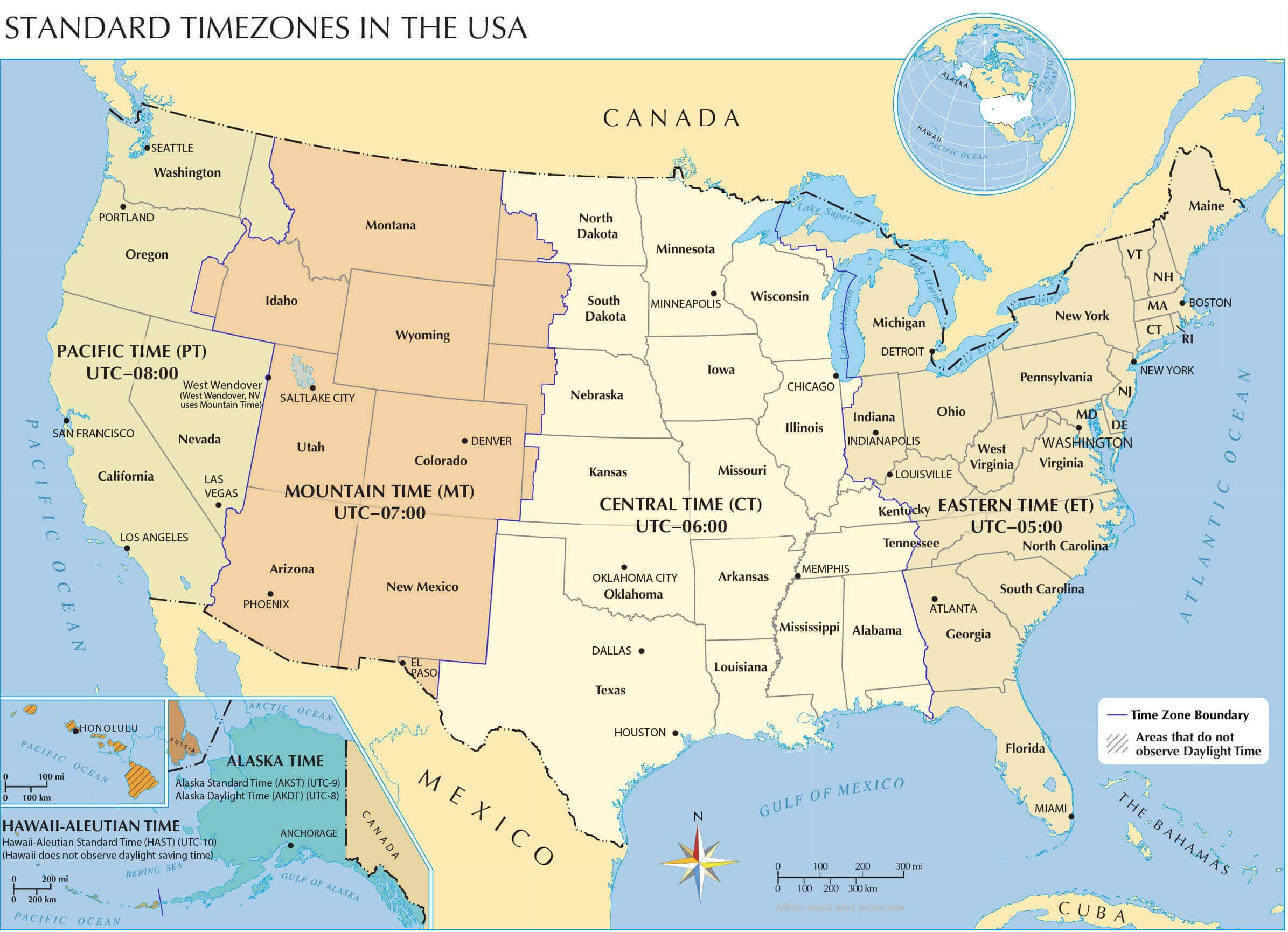
At its core, understanding California time involves grasping the difference between two key acronyms: PST and PDT. The state observes the Pacific Time Zone, which alternates between standard and daylight saving time throughout the year. This distinction is crucial for anyone interacting with the state, whether remotely or in person, and especially for those traveling across different time zones.
The Basics of Pacific Time
During the colder months, from roughly early November to mid-March, California adheres to Pacific Standard Time (PST). This means the time is eight hours behind Coordinated Universal Time (UTC-8). If it’s noon UTC, it’s 4 AM in California. This is the baseline, the standard against which all other time calculations in the region are made. For many, PST conjures images of crisp mornings in San Francisco, the quiet hum of early production studios in Hollywood, or serene sunrises over the Pacific Ocean. For travelers, knowing you’re in PST means setting your internal clock to this standard, allowing for seamless communication with other parts of the world, whether you’re calling New York (three hours ahead) or London (eight hours ahead). The consistent offset makes planning international calls and virtual meetings relatively straightforward, provided you remember the -8 hour difference from UTC.
Daylight Saving Time in California
The spring brings a shift as California, along with most of the United States, observes Daylight Saving Time (DST). Typically, on the second Sunday in March, clocks “spring forward” one hour, moving from PST to Pacific Daylight Time (PDT). This means the time becomes seven hours behind Coordinated Universal Time (UTC-7). The change holds until the first Sunday in November, when clocks “fall back” one hour, returning to PST. This annual adjustment aims to make better use of daylight, providing longer evenings during the warmer months. For visitors, PDT means more daylight for exploring attractions like Disneyland Resort, hiking in Yosemite National Park, or enjoying the vibrant nightlife of Los Angeles. However, it also means an initial adjustment for those arriving from outside the PDT zone. For example, a business traveler flying from Chicago to San Diego during PDT will experience a two-hour time difference, rather than the three hours they might expect during PST. Understanding this annual transition is key to avoiding missed appointments or misinterpreting business hours.
Navigating Time Differences for California Travelers
Travel to California often involves crossing multiple time zones, presenting a unique set of challenges and opportunities. From fighting jet lag to optimizing your sightseeing schedule, a strategic approach to time differences can significantly enhance your travel experience.
Essential Tips for International Visitors
For those arriving from other continents, the time difference can be substantial, leading to jet lag – a common disruptor of travel plans. When traveling from Europe or Asia, for instance, the 8-hour (PST) or 7-hour (PDT) difference can feel like a complete reversal of your body’s natural rhythm. To mitigate this, consider adjusting your sleep schedule gradually a few days before your trip. Upon arrival, try to expose yourself to natural light during California daytime hours and avoid heavy meals or excessive alcohol. Staying hydrated is also crucial.
Many California hotels, ranging from boutique stays in Napa Valley to luxury resorts in Beverly Hills, understand these challenges. They often provide amenities like blackout curtains, quiet rooms, and early morning coffee services designed to help travelers adapt. Some high-end accommodations might even offer personalized jet lag recovery programs or in-room wellness treatments. If you need to stay connected with your home country, remember to factor in the time difference when scheduling calls or video conferences. A 9 AM meeting in London means a 1 AM call from Los Angeles during PDT, which highlights the need for careful planning and communication.
Planning Your California Itinerary
Knowing the current time in California is paramount for effective itinerary planning. The state’s vastness means that even within California, travel times between attractions can be significant. When booking tours, restaurant reservations, or tickets for popular attractions like Universal Studios Hollywood or a ferry to Alcatraz Island, always double-check the local time. Early morning starts are often beneficial for popular sites to avoid crowds, especially during peak season in cities like San Francisco or San Diego. Conversely, enjoying a leisurely dinner and experiencing the vibrant evening atmosphere might mean pushing your internal clock slightly later than usual if you’re adapting to the time zone.
Consider the interplay of time zones and travel logistics. If you’re flying into Los Angeles International Airport (LAX) and immediately driving to Palm Springs, remember that while you stay within the same time zone, the journey itself can take several hours, eating into your perceived “available time.” Always build buffer time into your schedule, especially when traveling between major cities or remote natural parks.
Business Travel and Time Management
For business travelers, managing California time effectively is critical. Whether you’re attending conferences in Silicon Valley, pitching investors in Santa Monica, or meeting clients in Sacramento, punctuality and clear communication about time are non-negotiable. Many businesses in California operate on standard 9 AM to 5 PM hours, but some tech companies or startups might have more flexible schedules. Always confirm meeting times explicitly, perhaps even stating the time zone (e.g., “10 AM PDT”) to avoid any ambiguity, especially when dealing with counterparts in different regions.
When scheduling calls with East Coast colleagues or international partners, be mindful of the significant time differences. An early morning call for you in California might be late afternoon for them, and vice versa. Leveraging digital tools that automatically convert time zones can be incredibly helpful for maintaining an efficient and respectful communication flow. Many business-oriented hotels, such as a Marriott or a Hilton property, offer business centers and reliable Wi-Fi, making it easier to manage your schedule and stay connected regardless of the hour.
The Rhythms of California: Time and Lifestyle
California’s time zone isn’t just a technical detail; it’s interwoven with the very fabric of the state’s diverse lifestyle. From the bustling urban centers to the serene natural landscapes, the clock dictates a unique rhythm that visitors can embrace to fully immerse themselves in the local culture.
Maximizing Your Day in California’s Major Cities
In cities like Los Angeles and San Francisco, the day starts early for many. Surfers hit the waves off Malibu at dawn, while tech workers in San Jose grab their first coffee. By understanding the local schedule, you can maximize your sightseeing and experiential opportunities. For instance, visiting the Griffith Observatory in Los Angeles near sunset offers spectacular views of the cityscape and the Hollywood Sign, providing a magical end to your day. In San Francisco, an early morning walk across the Golden Gate Bridge can be a serene experience before the crowds gather.
The dining scene across California also reflects this rhythm. Brunch is a weekend institution, often starting mid-morning and extending into the early afternoon. Dinner times can vary, with more casual eateries perhaps closing earlier, while fine dining establishments in Los Angeles or San Francisco often take reservations well into the late evening. For travelers, this means flexibility. You might find yourself enjoying a late dinner at 9 PM and still having plenty of nightlife options, especially in the larger urban centers. Don’t feel pressured to rush; the California lifestyle often encourages a more relaxed pace, particularly outside of strict business hours.
Coastal Sunrises and Desert Sunsets: A Timeless Experience
One of California’s greatest assets is its stunning natural beauty, and the local time plays a significant role in how you experience it. The sunrise over the Sierra Nevada Mountains or a sunset over the Pacific Ocean are quintessential California moments. During PDT, the longer daylight hours mean sunrises are later and sunsets are later, allowing for extended outdoor activities. This is particularly beneficial for exploring national parks like Yosemite, Sequoia, or Death Valley. You can hike further, spend more time taking in the views, and still return to your accommodation before dark.
For photographers, understanding the “golden hour” (the hour after sunrise and the hour before sunset) is crucial. In California, these magical periods are dictated by the local time. For instance, a sunset over Big Sur will occur at a different clock time in August (PDT) than in December (PST), yet the beauty is timeless. Whether you’re camping under the stars in Joshua Tree National Park or enjoying a beach bonfire in San Luis Obispo, the rhythm of the sun and stars, as dictated by California time, offers profound and unforgettable experiences.
Practical Applications: Hotels, Bookings, and Beyond
Beyond conceptual understanding, the current California time has very practical implications for travelers and those managing accommodations. From the moment you confirm your booking to your final check-out, time management is key to a smooth and enjoyable trip.
Hotel Check-ins and Check-outs
One of the most common points where time zones intersect with travel logistics is hotel policies. Standard check-in times in California typically range from 3 PM to 4 PM local time, and check-out times are usually between 11 AM and 12 PM. If you’re arriving on an early morning flight, especially from an eastward direction, you might land hours before your room is ready. It’s always wise to call ahead and inquire about early check-in availability. Many hotels, particularly those catering to international travelers or business guests like a Four Seasons Hotel or a Ritz-Carlton, are accommodating and may offer luggage storage or access to common areas until your room is prepared.
Conversely, if you have a late departure, inquire about late check-out options. Some hotels offer this for a fee, while others, especially during off-peak seasons, might provide it complimentary. Remember that all these times are strictly based on the current local California time. Using a reliable time converter app on your phone, or simply adjusting your watch upon arrival, will prevent any miscommunication or inconvenience regarding your accommodation schedule.
Booking Attractions and Dining Experiences
Popular attractions in California often have timed entry slots or require advance reservations, particularly during peak tourist seasons. From visiting museums in Los Angeles like The Getty Center to experiencing the culinary delights of Napa Valley wineries, every booking will be tied to the local California clock. When making online reservations from a different time zone, ensure the website automatically adjusts to local time, or manually verify to avoid booking errors.
Dining reservations, especially in sought-after restaurants in San Francisco, Beverly Hills, or along the coast, can be competitive. Knowing the exact local time the reservation window opens or anticipating dining rush hours can give you an edge. Many high-demand restaurants, for example, release new reservation slots precisely one month in advance at a specific California time. Being ready to book at that exact moment can make the difference between securing a table and missing out. Similarly, tour operators for excursions to places like Big Sur or whale watching trips off Monterey Bay will adhere strictly to published departure times, emphasizing the need for punctual arrival based on current California time.
Embracing the California Clock: A Traveler’s Perspective
Ultimately, “What is California Time Now?” is more than a question about a ticking clock; it’s an invitation to align yourself with the pulse of one of the world’s most dynamic and enchanting destinations. From the moment you land, embracing the local time is your first step towards truly experiencing California. It’s about more than just setting your watch; it’s about adjusting your internal rhythm, allowing for the gentle shift of jet lag, and appreciating the extended daylight hours that define summer days or the cozy, earlier evenings of winter.
Whether you’re sipping coffee while watching the sunrise over the desert, catching a matinee in Hollywood, or enjoying a late-night stroll along Santa Monica Pier, your journey through California will be intimately tied to its time. By understanding the ebb and flow of PST and PDT, managing your schedule effectively, and allowing yourself to settle into the local pace, you unlock the full potential of your visit. So, as you plan your adventure, remember to check the clock, but more importantly, prepare to immerse yourself in the timeless allure of the Golden State. Every second spent here is an opportunity for discovery, relaxation, and creating unforgettable memories, all on California time.
LifeOutOfTheBox is a participant in the Amazon Services LLC Associates Program, an affiliate advertising program designed to provide a means for sites to earn advertising fees by advertising and linking to Amazon.com. Amazon, the Amazon logo, AmazonSupply, and the AmazonSupply logo are trademarks of Amazon.com, Inc. or its affiliates. As an Amazon Associate we earn affiliate commissions from qualifying purchases.