
The geographical identity of a state is often a cornerstone of its appeal to travelers, influencing everything from climate and culture to the very rhythm of daily life. When considering the vast and diverse landscape of the United States, certain states evoke immediate associations with specific coastlines. However, the question “Is Texas on the East or West Coast?” delves into a common point of curiosity, particularly for those unfamiliar with the sheer scale and unique positioning of the Lone Star State. This exploration will clarify Texas’s geographical standing and, more importantly, illuminate the distinct travel experiences it offers, distinct from the more traditionally defined coastal destinations.

Texas: A State of Its Own Geography
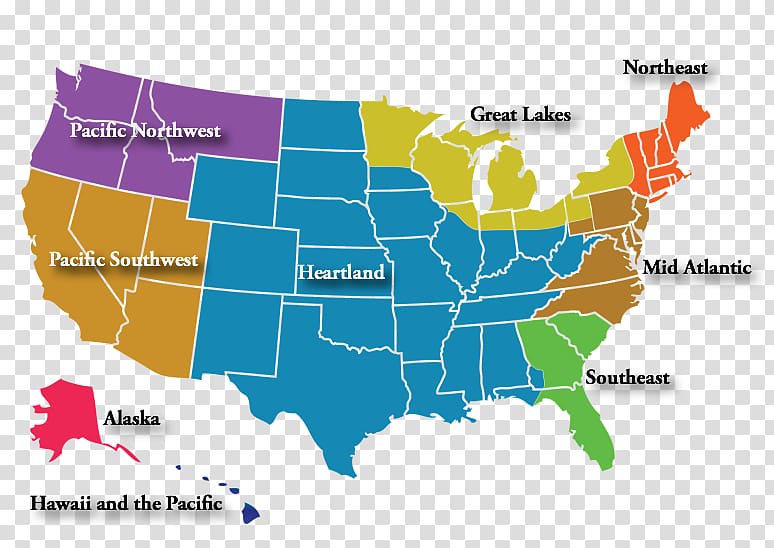
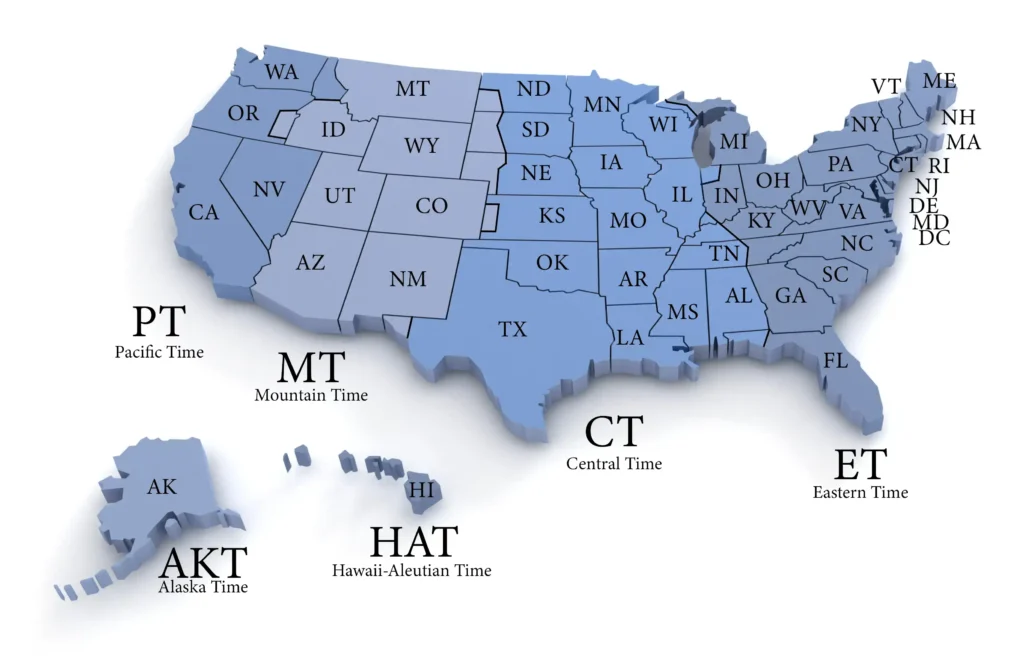
To definitively answer the question, Texas is not located on either the East Coast or the West Coast of the United States. It resides squarely in the South Central region of the country. Its eastern border is defined by the Sabine River, which separates it from Louisiana and marks the beginning of the Deep South’s humid subtropical climate. To the west, Texas stretches towards the arid landscapes of New Mexico and the vast expanse of the Chihuahua Desert. Its southern border is famously formed by the Rio Grande, a natural demarcation between the United States and Mexico.
This central positioning grants Texas a unique climatic and cultural mosaic. While it possesses a significant coastline along the Gulf of Mexico, this coastline is a distinct entity, offering a different kind of coastal experience than that found on the Atlantic or Pacific. The absence of direct proximity to either the Atlantic or Pacific oceans is key to understanding why Texas carves out its own niche in the American travel landscape.
Defining Coastal Regions
For clarity, the East Coast is generally understood to encompass the states bordering the Atlantic Ocean, from Maine in the north down to Florida in the south. This region is characterized by historic cities, a distinct four-season climate (with notable exceptions in southern Florida), and a maritime heritage.
The West Coast, conversely, is defined by its proximity to the Pacific Ocean, comprising California, Oregon, and Washington (and sometimes including Alaska and Hawaii). This region is known for its diverse natural beauty, from redwood forests to dramatic coastlines, and a generally milder, more temperate climate.
Texas, by contrast, offers a geographical narrative all its own, a narrative that is richer and more complex for its independence from these well-trodden coastal paths.
Texas: A Traveler’s Diverse Playground
While not on the East or West Coast, Texas’s substantial size and varied topography present a compelling array of travel experiences that rival, and in some ways surpass, those found in more geographically constrained regions. Its identity is forged from a blend of Southern charm, Southwestern ruggedness, and a distinctly Texan independent spirit.
The Gulf Coast of Texas: A Different Coastal Vibe
Texas does boast a coastline along the Gulf of Mexico, stretching for over 367 miles. This region offers a distinct coastal experience, quite unlike its Atlantic or Pacific counterparts.
Galveston Island: History Meets the Beach
Galveston Island is a prime example. This historic barrier island was once the wealthiest city in Texas and a major port. Today, travelers can explore its preserved Victorian architecture, including the stunning Bishop’s Palace, and walk along its sandy beaches. The climate here is humid subtropical, with warm summers and mild winters, making it a year-round destination for beachgoers, though hurricane season is a consideration. Unlike the dramatic cliffs of the Pacific Coast, Galveston’s beaches are characterized by softer sands and calmer waters.
Padre Island National Seashore: Wild Nature
Further south, Padre Island National Seashore offers a more natural and wild coastal experience. It is the longest stretch of undeveloped barrier island in the world, a sanctuary for sea turtles, migratory birds, and diverse marine life. Activities include camping, fishing, birdwatching, and simply enjoying the untamed beauty of the coastline. This emphasis on natural preservation sets it apart from many developed coastal resort towns found elsewhere.
Inland Treasures: Beyond the Gulf Breeze
The true allure of Texas travel lies in its expansive and varied interior. The state’s size translates into a wealth of distinct regions, each offering unique attractions and cultural immersion opportunities.
The Hill Country: Rolling Landscapes and Vineyards
West of Austin and north of San Antonio lies the picturesque Texas Hill Country. This region is characterized by rolling hills, clear rivers, and charming small towns with German heritage, such as Fredericksburg and New Braunfels. It has also emerged as a significant wine-producing region, with numerous vineyards offering tastings and tours. The landscape here is a stark contrast to the coastal plains, offering a more serene and pastoral setting for travelers.
Big Bend National Park: Desert Majesty
For those seeking rugged, untamed wilderness, Big Bend National Park is an absolute must-visit. Situated in the remote Trans-Pecos region of West Texas, this vast park encompasses dramatic desert mountains, the winding Rio Grande, and starkly beautiful desert landscapes. It’s a haven for hikers, campers, and anyone looking to experience the grandeur of the American Southwest. The sheer scale and solitude of Big Bend are unparalleled and offer a deeply immersive natural experience.
Major Urban Hubs: Culture and Cuisine
Texas’s major cities offer a vibrant urban travel experience, each with its own distinct character and attractions.
Austin: The Live Music Capital
Austin, known as the “Live Music Capital of the World,” pulsates with a creative energy. Its thriving music scene, eclectic food trucks, and outdoor recreational opportunities on Lady Bird Lake make it a dynamic destination. The city also boasts a strong commitment to its unique culture, often described as “keeping Austin weird.”
San Antonio: A Tapestry of History and Culture
San Antonio is steeped in history, most notably as the site of the Alamo. The San Antonio River Walk, a network of pedestrian paths along the San Antonio River, is a vibrant hub of restaurants, shops, and cultural experiences, showcasing the city’s rich Hispanic heritage.
Dallas and Houston: Metropolis and Innovation
Dallas offers a blend of modern skyscrapers, world-class museums like the Dallas Museum of Art, and a strong business-oriented culture, while Houston, the nation’s fourth-largest city, is a global hub for energy and aerospace, home to the Space Center Houston and a remarkably diverse culinary scene.
Experiencing Texas: Beyond Coastal Comparisons
The true essence of traveling in Texas lies in embracing its vastness and internal diversity. Its geographic position, independent of the traditional coastal labels, allows for a travel narrative that is uniquely Texan.
Climate and Seasons: A Spectrum of Weather
Texas experiences a wide range of climates due to its size. The coast is humid and warm, the Panhandle can experience significant winter weather, and West Texas is generally arid and hot. This means that for travelers, the “best time” to visit can depend entirely on which region they intend to explore and what activities they plan to undertake. Understanding these climatic variations is crucial for planning a successful trip, offering a different planning consideration than the more predictable coastal weather patterns.
Cultural Tapestry: A Blend of Influences
The state’s culture is a rich amalgamation of Native American, Hispanic, African American, and European influences, particularly German and Polish. This is reflected in its music, cuisine, art, and festivals. From the country music scene in Austin to the Tex-Mex flavors of San Antonio, and the deep-rooted cowboy culture of West Texas, the state offers a multi-faceted cultural exploration.
Culinary Delights: A Taste of Texas
Texan cuisine is world-renowned, extending far beyond barbecue and tacos. While both are essential experiences, the state’s culinary landscape is incredibly diverse.
Barbecue: A Sacred Tradition
Texas barbecue is an institution, with different regions boasting their own styles, from the brisket-centric Central Texas style to the smoky ribs of East Texas. Destinations like Lockhart and Uvalde are considered meccas for barbecue aficionados.
Tex-Mex and Beyond
Tex-Mex cuisine, a flavorful fusion of Mexican and Texan traditions, is a staple, with enchiladas, fajitas, and queso being popular dishes. Beyond that, the state’s major cities offer a global culinary scene, from Vietnamese and Korean in Houston to innovative farm-to-table restaurants in Austin.
Conclusion: Texas – A Destination Unto Itself
In conclusion, the question of whether Texas is on the East or West Coast is a simple geographical query with a straightforward answer: it is neither. However, this geographical independence is precisely what makes Texas such a compelling travel destination. It offers a vast canvas of experiences that draw from its unique position in the heart of the United States, boasting its own distinct coastal allure along the Gulf of Mexico, breathtaking natural landscapes in its interior, vibrant urban centers, and a rich cultural tapestry woven from diverse influences. Travelers seeking an authentic American experience, one that is neither defined by the Atlantic nor the Pacific, will find Texas to be an endlessly rewarding and multifaceted destination. Its identity is not tethered to a coast; it is forged in the heart of the nation, offering a journey that is truly its own.
LifeOutOfTheBox is a participant in the Amazon Services LLC Associates Program, an affiliate advertising program designed to provide a means for sites to earn advertising fees by advertising and linking to Amazon.com. Amazon, the Amazon logo, AmazonSupply, and the AmazonSupply logo are trademarks of Amazon.com, Inc. or its affiliates. As an Amazon Associate we earn affiliate commissions from qualifying purchases.