
The Lone Star State. A land of sprawling ranches, vibrant cities, and legendary hospitality. When planning a trip to Texas, one of the practical considerations that often arises is taxation. Specifically, the question: “Is Texas tax-free?” The simple answer is no, Texas is not tax-free. However, the state’s tax structure is unique and often misunderstood, particularly concerning sales tax. Understanding how sales tax operates in Texas can significantly impact your travel budget, from your choice of souvenirs to your dining experiences.
Navigating Texas Sales Tax: A Traveler’s Primer
Texas relies heavily on sales tax as a primary source of revenue, a strategy that contrasts with states that lean more on property or income taxes. This means that most goods and services purchased by consumers are subject to a sales tax. For travelers, this translates to an added cost on nearly every transaction, from a stay at a Galveston resort to a meal in a San Antonio eatery.
The State and Local Sales Tax Equation
The sales tax you pay in Texas is a combination of state and local taxes. The state sales tax rate is set at 6.25%. However, this is just the base rate. Local governments—cities, counties, and special districts—are authorized to levy additional local sales taxes, bringing the total sales tax rate higher in many areas. These local taxes can vary significantly from one municipality to another.
For instance, a purchase made in the heart of Dallas might have a different total sales tax rate than one made in a smaller town just outside the metropolitan area. These local taxes are crucial for funding local services, such as schools, infrastructure, and public safety. As a traveler, it’s important to be aware that the tax added at the point of sale will reflect the combined state and local rates applicable to your specific location within Texas.
Understanding the “Maximum” Rate
While local taxes can be added, there is a legal cap on the total combined state and local sales tax rate that can be imposed. Currently, the maximum combined sales tax rate in Texas is 8.25%. This means that even in areas with the highest permissible local taxes, you won’t see a total sales tax exceeding this threshold. However, it’s still important to note that many popular tourist destinations and major cities, such as Houston, Austin, and El Paso, will likely be at or very close to this maximum rate.
What Is Taxable and What Isn’t?
Generally, most tangible personal property sold at retail in Texas is subject to sales tax. This includes clothing, electronics, souvenirs, and most food items sold in restaurants or prepared for immediate consumption. Services are also often taxable, with common examples including hotel stays, car rentals, and admission fees to amusement parks.
However, there are certain exemptions that can make specific purchases more appealing for travelers looking to save. These exemptions can apply to essential goods or specific types of activities, offering a small respite from the tax burden.
Food for Thought: Grocery vs. Restaurant Sales Tax
One of the most significant distinctions for travelers regarding sales tax in Texas relates to food. Prepared food and drinks sold in restaurants, convenience stores, or other similar establishments for immediate consumption are generally taxable. This aligns with the general rule for services and prepared goods.
However, most “grocery” items intended for home consumption are exempt from state sales tax. This distinction can be important for travelers who opt for accommodations with kitchen facilities or those looking to stock up on snacks for road trips. If you are purchasing items from a supermarket to prepare your own meals in your hotel suite or rental villa, you will likely avoid sales tax on those specific items. Conversely, grabbing a hot meal or a prepared salad from a deli counter within that same supermarket would typically incur the sales tax. Understanding this difference can lead to noticeable savings, especially for longer stays or families.
Exemptions for the Savvy Traveler
Texas offers several sales tax exemptions that can benefit travelers. These are often designed to promote certain industries or to provide relief on specific types of transactions.
- Manufacturing and Research Exemptions: While less relevant for the average tourist, businesses involved in manufacturing or research and development may benefit from exemptions on certain equipment and materials.
- Certain Agricultural Items: Products directly related to agricultural production are often exempt.
- Donated Food: Food products donated to qualifying food banks are also exempt from sales tax.
- Newspaper Sales: Sales of newspapers are generally exempt.
- Certain Medical Supplies: Prescription drugs and certain medical devices are typically exempt.
For travelers, the most impactful exemptions often revolve around food, as previously discussed. It’s always advisable to inquire about potential exemptions if you are making a significant purchase or if your situation seems to fall into a less common category.
The Nuances of Hotel and Accommodation Taxation

When it comes to finding a place to rest your head after a day of exploring the rich culture of Texas, taxation plays a role in the overall cost. Hotels, resorts, and other lodging establishments are considered service providers and are therefore subject to sales tax.
Lodging Tax: A Combined Effort
Similar to retail goods, the tax on hotel stays in Texas is a composite of state and local taxes. The state imposes a tax on hotel occupancy, and most cities and counties levy their own hotel occupancy taxes. These local taxes are often used to fund tourism promotion and convention centers, making them a direct investment back into the industry that travelers engage with.
The combined rate for hotel occupancy tax can vary considerably by city. For example, a stay at a luxury resort in Austin might have a higher total occupancy tax than a modest hotel in a smaller Texas town. These rates are usually advertised or available upon request from the lodging provider. Travelers should factor this into their accommodation budget, as it can add a significant percentage to the advertised room rate.
Beyond the Room Rate: Other Fees and Taxes
It’s not just the room rate that is taxed. Many hotels and resorts charge additional fees, such as resort fees or service charges. These fees are often subject to sales tax as well, further increasing the final bill. When comparing prices, it’s essential to look beyond the base room rate and understand all the potential taxes and fees associated with your booking. Websites that specialize in hotel comparisons may help break down these costs, but direct inquiry with the property often provides the most clarity.
Vacation Rentals and Short-Term Stays
The landscape of taxation for vacation rentals, such as those found on platforms like Airbnb or VRBO, has also become more standardized. Most local governments in Texas have implemented regulations and tax requirements for short-term rentals. This means that if you book a private home or apartment for a short stay, you will likely be subject to similar state and local occupancy taxes as you would be for a hotel. It’s crucial to verify the tax policies of any vacation rental before booking to avoid surprises.
Is There Any Way to Avoid Sales Tax in Texas?
While Texas is not a tax-free haven, there are very specific circumstances and strategies that can reduce or eliminate sales tax for travelers.
Tax-Free Weekends and Special Events
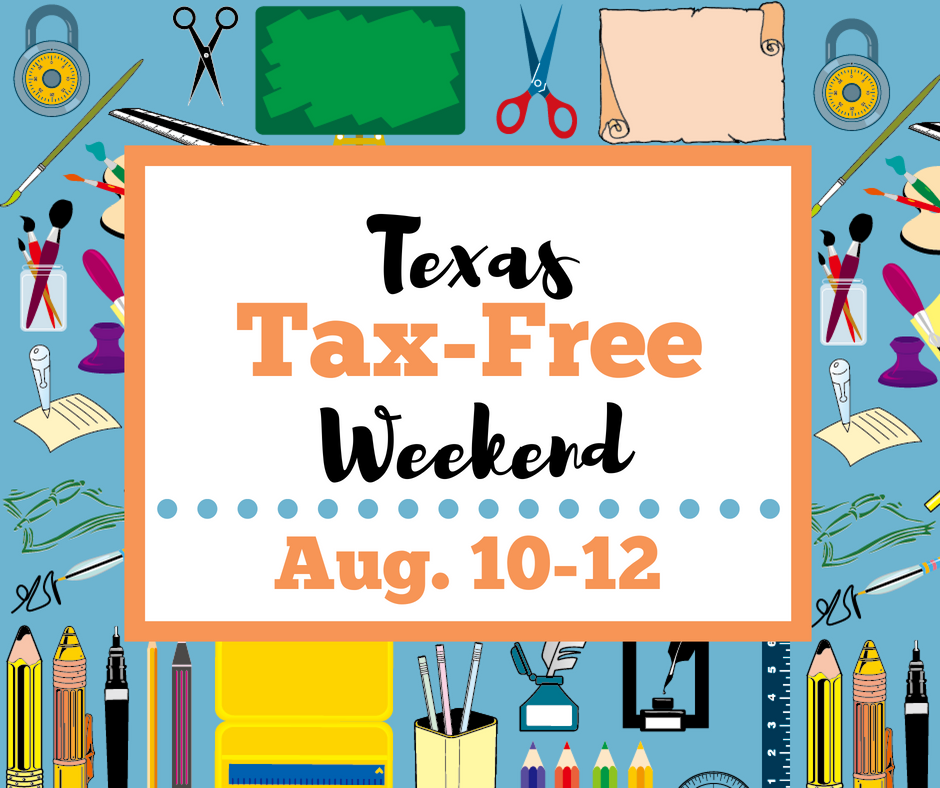
Texas observes an annual “Tax-Free Weekend” for energy-efficient appliances and water-saving devices. This event typically occurs in May and is designed to encourage the purchase of specific, environmentally friendly products. While this is a niche exemption, for travelers who happen to be in the market for such items, it presents an opportunity for savings.
Additionally, there are specific exemptions for certain disaster relief supplies during declared emergencies. These are temporary and situational, not a regular feature of travel planning.
Businesses and Resale Certificates
Businesses operating in Texas can obtain resale certificates. These allow them to purchase goods for resale without paying sales tax, as they will collect and remit the tax from the end consumer. This is a B2B mechanism and not applicable to individual travelers making personal purchases.
Out-of-State Purchases and “Use Tax”
For individuals who purchase goods out-of-state and bring them into Texas, the concept of “use tax” comes into play. If sales tax was not paid on the purchase in the other state, Texas may require the resident or visitor to remit use tax upon bringing the item into the state. This is essentially an equivalent to sales tax designed to ensure that Texas residents are not gaining an unfair advantage by purchasing goods elsewhere to avoid state taxes. However, for typical tourist purchases, this is less of a concern.

Conclusion: Budgeting for Texas Taxation
So, is Texas tax-free? No. However, the state’s sales tax system, while comprehensive, has nuances that savvy travelers can understand to manage their budgets effectively. By being aware of the state and local tax rates, understanding which goods and services are taxable, and noting any available exemptions, you can better plan your expenditures.
From your morning coffee at a Houston cafe to your overnight stay in a historic San Antonio inn, sales tax will be a consistent factor in your Texas adventure. Embracing this reality and incorporating it into your travel planning will lead to a smoother and more predictable financial experience as you explore the diverse attractions and experiences the Lone Star State has to offer.
LifeOutOfTheBox is a participant in the Amazon Services LLC Associates Program, an affiliate advertising program designed to provide a means for sites to earn advertising fees by advertising and linking to Amazon.com. Amazon, the Amazon logo, AmazonSupply, and the AmazonSupply logo are trademarks of Amazon.com, Inc. or its affiliates. As an Amazon Associate we earn affiliate commissions from qualifying purchases.