
The Lone Star State. A land of sprawling ranches, vibrant cities, and a spirit as vast as its horizons. When images of Texas come to mind, “big” is almost invariably one of the first descriptors. But how big, exactly? Is Texas truly the biggest state in America? This exploration delves into the geographical realities and popular perceptions that shape our understanding of the Lone Star State‘s immense scale, focusing on its significance as a destination for travelers and its position as a prominent landmark in the nation’s geography.
Geographical Giants: Ranking the States by Size
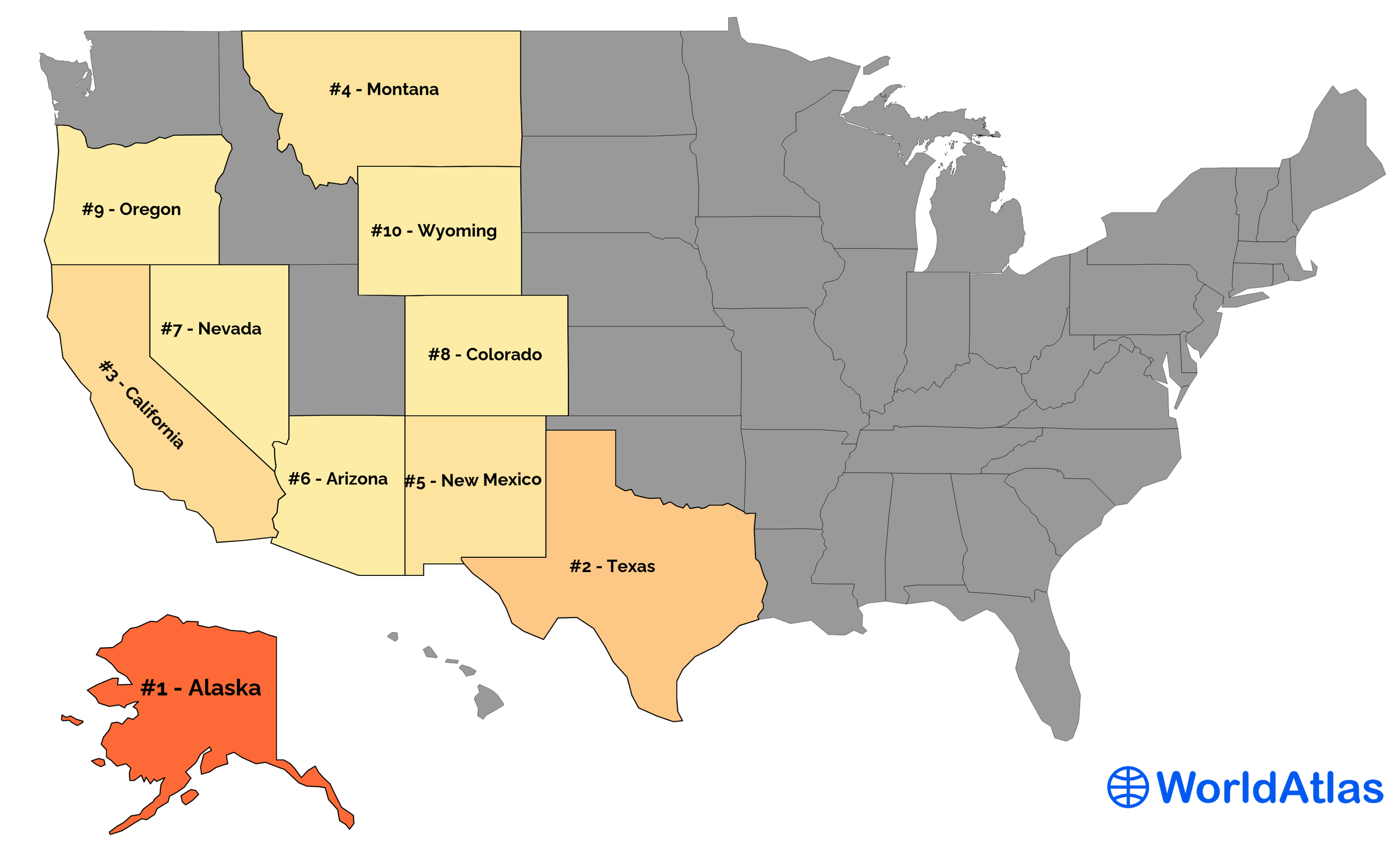
To definitively answer whether Texas is the biggest state, we must turn to the cold, hard facts of geographical area. The United States is comprised of 50 states, each with its own unique footprint on the North American continent. When measured by total area, which includes both land and water, a clear hierarchy emerges.

The Top Contenders for Most Expansive Territory
-
Alaska: By a significant margin, Alaska stands as the largest state in the United States. Its colossal size, largely due to its remote northern location and vast wilderness, dwarfs all other states. With a total area exceeding 665,000 square miles, Alaska is more than twice the size of the next largest state. For travelers, this translates to an unparalleled sense of scale, offering remote national parks like Denali National Park and Preserve and opportunities for exploring immense glaciers and untouched landscapes.
-
Texas: Now, let’s address our subject. Texas ranks as the second-largest state in the United States by total area, measuring approximately 268,596 square miles. While it may not hold the top spot, this is still an astounding figure. To put it into perspective, Texas is larger than the entire country of France and is often described as being “big enough to be its own country.” This immensity is a defining characteristic for visitors, offering diverse environments from the piney woods of East Texas to the desert landscapes of the Big Bend region.
-
California: Following closely behind Texas is California, the third-largest state by area, with roughly 163,695 square miles. Known for its stunning coastline, diverse climates, and iconic landmarks like the Golden Gate Bridge and Yosemite National Park, California offers a different, yet equally compelling, vastness for travelers.
The Vastness of Texas: A Closer Look
While not the absolute largest, Texas’s second-place ranking is still a testament to its monumental size. This expansive territory contributes to the diverse range of experiences available to those who venture to explore it.
Land Area Versus Total Area
It’s important to distinguish between total area and land area. Texas leads many other states in terms of pure land mass. Its vast plains, rolling hills, and extensive coastline provide a substantial canvas for its rich history, unique culture, and varied attractions. This large land area directly impacts the travel experience, necessitating significant driving distances to explore its various regions. A road trip across Texas is not merely a journey between two points but an expedition through changing landscapes and distinct communities.
The Perception of Size
The perception of Texas as the “biggest” state is deeply ingrained in the American consciousness. This is partly due to its prominent position in the continental United States, its economic and cultural influence, and its reputation for a certain larger-than-life attitude. When people think of vastness, open roads, and freedom, Texas often comes to mind, perhaps more readily than the more geographically distant but larger Alaska. This enduring image shapes how travelers approach planning visits, understanding that exploration requires time and commitment.
Texas as a Travel Destination: Embracing the Scale
The sheer size of Texas directly translates into a remarkably diverse travel landscape. From bustling metropolises to tranquil natural wonders, the state offers something for every type of explorer, provided they are prepared for the distances involved.
Urban Exploration and Cultural Hubs
Major cities like Houston, Dallas, San Antonio, and Austin are not merely cities but sprawling urban centers, each with its own distinct identity and a wealth of attractions.
Houston: The Space City
Houston, the most populous city in Texas, offers a vibrant mix of culture, cuisine, and space exploration. A visit to the Space Center Houston is a must for any space enthusiast, offering a glimpse into the history and future of space travel. The city also boasts world-class museums, a thriving arts scene, and a culinary landscape as diverse as its population, drawing inspiration from global influences.
Dallas: A Hub of Commerce and Culture
Dallas is synonymous with business and innovation, but it also presents a rich tapestry of cultural experiences. Visitors can explore the Sixth Floor Museum at Dealey Plaza, delve into the arts district, and enjoy premier shopping and dining. The historic West End and the charming Bishop Arts District offer unique perspectives on the city’s evolving character.
San Antonio: A Legacy of History
San Antonio is a city steeped in history, most famously for the Alamo. Beyond this iconic landmark, the city offers the enchanting River Walk, historic missions recognized as UNESCO World Heritage Sites, and a vibrant Tex-Mex culinary scene. The blend of Spanish and American influences creates a unique atmosphere that draws visitors from around the world.
Austin: The Live Music Capital of the World
Austin pulses with a youthful energy and a renowned live music scene. Known as the “Live Music Capital of the World,” the city offers countless venues showcasing local and international talent. Beyond its musical offerings, Austin is celebrated for its unique blend of outdoor activities, from swimming in Barton Creek to hiking the Greenbelt, and its eclectic food truck culture.
Natural Wonders and Outdoor Adventures
The vastness of Texas extends to its stunning natural landscapes, offering a wealth of opportunities for outdoor enthusiasts.
Big Bend National Park: A Wilderness Untamed
Located in West Texas, Big Bend National Park is a testament to the raw, untamed beauty of the desert Southwest. With its rugged mountains, deep canyons, and the life-giving Rio Grande, Big Bend provides an immersive experience in a vast and remote wilderness. Hiking, backpacking, stargazing, and exploring the unique flora and fauna are just some of the activities available in this expansive park. The sheer scale of the park means that dedicated time is needed to truly appreciate its grandeur.
The Texas Hill Country: Rolling Landscapes and Wineries
The Texas Hill Country, a picturesque region west of Austin and San Antonio, offers a gentler, yet still expansive, natural beauty. Rolling hills, clear rivers, and charming small towns dot this landscape. It has also become a burgeoning wine region, with numerous vineyards and wineries offering tastings and tours. Exploring the Hill Country is a journey through quaint towns like Fredericksburg, known for its German heritage, and enjoying scenic drives that reveal vistas of this beloved Texan landmark.
East Texas Piney Woods: A Verdant Contrast
In stark contrast to the arid West, East Texas is characterized by the lush, green expanse of the Piney Woods. This region offers opportunities for hiking, camping, and exploring state parks that showcase the unique ecosystem of the southern pine forests. The Sam Houston National Forest is one such example, offering a tranquil escape into nature.
Planning Your Journey: Navigating the Vastness of Texas
Given its immense size, planning a trip to Texas requires a strategic approach to maximize the travel experience and account for significant distances between destinations.
Understanding Travel Distances
When Texas is described as “big,” it’s not an exaggeration. Driving from one major city to another can take several hours. For instance, the drive from Houston to El Paso is over 900 miles and can take more than 13 hours of continuous driving. This means that a multi-city itinerary requires careful consideration of travel time, especially if attempting to cover significant ground.
Road Trips: The Quintessential Texas Experience
The best way to truly experience the scale and diversity of Texas is often by car. Road trips allow travelers the flexibility to stop at scenic viewpoints, explore small towns, and immerse themselves in the changing landscapes. Iconic routes can take you from the historical sites of San Antonio to the modern marvels of Dallas, or from the music scene of Austin to the natural wonders of Big Bend National Park. Each journey reveals a different facet of this enormous state.
Considering Flights for Extended Travel
For those with limited time or aiming to cover vast distances, flying between major cities like Dallas and Houston, or Austin and San Antonio, can be a more efficient option. Major airports in these cities offer connections that can significantly reduce travel time, allowing for more focused exploration of each region.
Thematic Travel Itineraries
To best appreciate the scale of Texas, consider structuring your visit around specific themes or regions.
The Historical Trail
Focus on the rich history of Texas by visiting key landmarks such as the Alamo, the missions of San Antonio, the Sixth Floor Museum in Dallas, and historic sites related to the Texas Revolution.
The Natural Wonders Adventure
Embark on an exploration of the state’s diverse natural landscapes, from the desert beauty of Big Bend National Park to the rolling hills of the Texas Hill Country and the pine forests of East Texas.
The Culinary Journey
Texas is a food lover’s paradise, renowned for its barbecue, Tex-Mex, and a growing fine-dining scene. Chart a course that takes you through its diverse culinary offerings, from the smoky pits of Central Texas barbecue to the vibrant flavors of South Texas and the international cuisine found in its major cities.
Conclusion: Texas’s Enduring Immensity
While Alaska holds the title of the largest state by total area, Texas undeniably claims the mantle of the second-largest and, for many, the state that most powerfully embodies the concept of American vastness. Its immense size is not just a geographical fact but a defining characteristic that shapes its identity, its culture, and the unparalleled travel experiences it offers. From the urban energy of its metropolises to the serene beauty of its natural landmarks, Texas invites exploration on a grand scale, promising an adventure as expansive as its legendary horizons. Whether you are drawn by its history, its landscapes, or its vibrant cities, prepare yourself for a journey through a state that truly lives up to its reputation for being astonishingly, magnificently big.
LifeOutOfTheBox is a participant in the Amazon Services LLC Associates Program, an affiliate advertising program designed to provide a means for sites to earn advertising fees by advertising and linking to Amazon.com. Amazon, the Amazon logo, AmazonSupply, and the AmazonSupply logo are trademarks of Amazon.com, Inc. or its affiliates. As an Amazon Associate we earn affiliate commissions from qualifying purchases.