
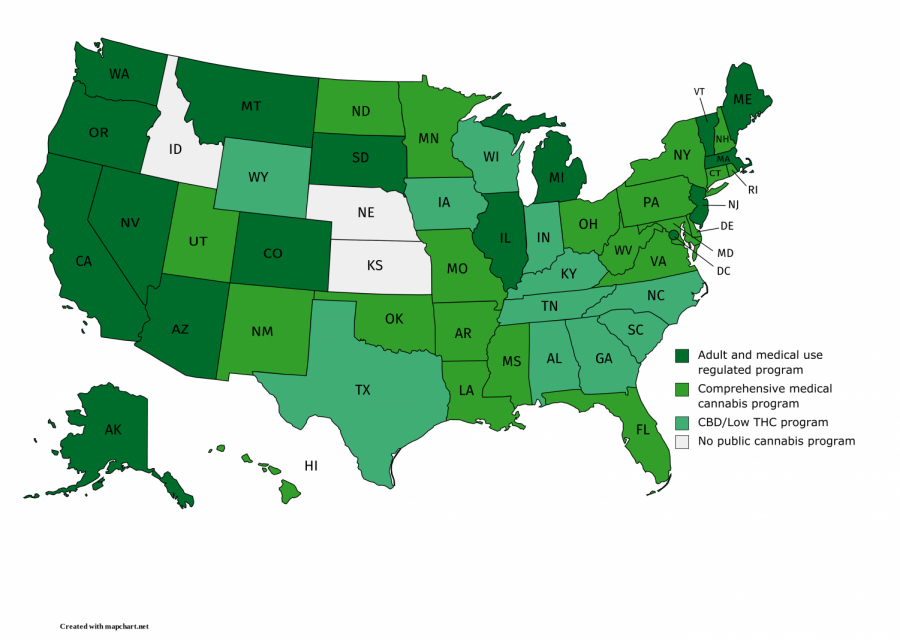
When planning a journey through the heart of the American Midwest, travelers often research local regulations regarding cannabis and hemp products to ensure a seamless and compliant trip. For those mapping out an itinerary that includes vibrant cities like Wichita or the historic streets of Topeka, understanding the nuances of local legislation is an essential part of travel preparation. While neighboring states have embraced broad legalization frameworks for recreational and medical use, Kansas maintains some of the most restrictive laws in the nation regarding tetrahydrocannabinol (THC). Navigating these legal boundaries requires careful attention to detail, especially for tourists who may be accustomed to the more lenient policies found in other popular domestic destinations.

The Complex Legal Landscape of Cannabis in Kansas
To fully grasp the current legal status of THC in the Sunflower State, visitors must distinguish between delta-9 THC derived from marijuana and cannabinoids derived from industrial hemp. Under both state and federal guidelines, industrial hemp derivatives that contain strictly regulated amounts of THC are treated differently than traditional marijuana. However, the state government has remained steadfast in its prohibition of recreational marijuana, making it vital for travelers to understand where the legal lines are drawn before embarking on a regional road trip.
Medical Marijuana Legislation and Current Stasis
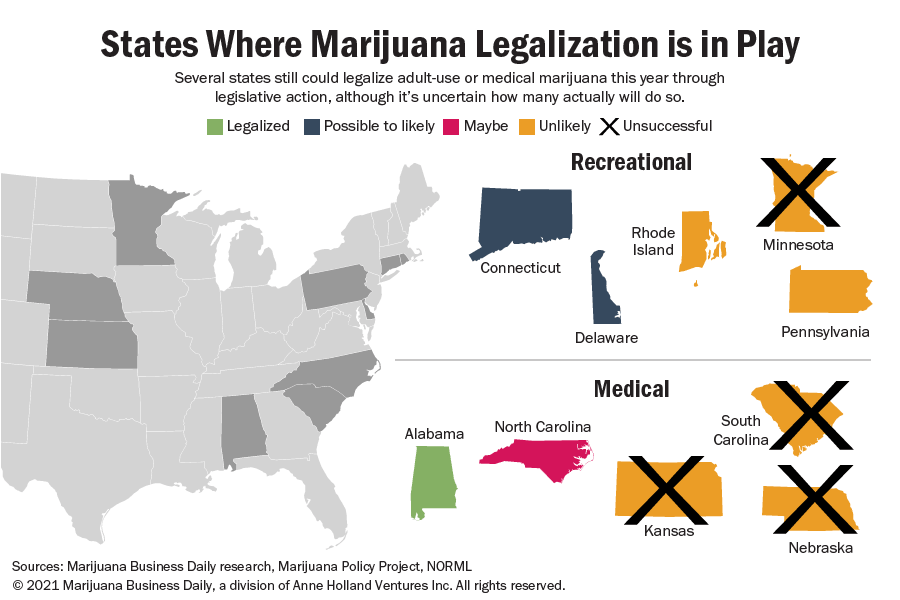
Despite numerous legislative sessions and widespread public discussion, Kansas has not established a comprehensive medical marijuana program. Lawmakers in Topeka have introduced various bills over the years to permit the cultivation, distribution, and consumption of cannabis for therapeutic purposes, yet none have successfully passed both chambers and been signed into law. Consequently, patients traveling from states with active medical cannabis programs will find that their out-of-state prescriptions or medical cards hold no legal validity within state borders. Possession of traditional marijuana, even for debilitating medical conditions, remains illegal and subject to criminal penalties.
The Hemp Exception and Delta-8 Products
The legal status becomes slightly more nuanced when examining hemp-derived compounds. Following the passage of the federal Farm Bill, Kansas aligned its state laws to permit the commercial production and sale of industrial hemp products containing no more than 0.3 percent delta-9 THC on a dry-weight basis. This distinction has led to a proliferation of cannabidiol (CBD) shops across metropolitan areas like Overland Park and Kansas City. However, the legal status of alternative isomers, such as delta-8 THC, remains a subject of ongoing legal debate and regulatory scrutiny by state law enforcement agencies. Travelers should exercise extreme caution, as the state attorney general has previously issued guidance suggesting that synthetic or chemically converted cannabinoids may still violate existing controlled substance statutes.
Travel Implications and Potential Penalties for Visitors
For tourists exploring scenic byways or visiting cultural landmarks, an inadvertent violation of local drug laws can severely disrupt vacation plans. Law enforcement officers throughout the region enforce possession statutes rigorously, and the consequences of carrying illicit substances can range from minor infractions to significant misdemeanor or felony charges, depending on the quantity and type of product in question.
Understanding Possession Limits and Misdemeanors
In jurisdictions such as Johnson County or Douglas County, local municipal codes sometimes attempt to reduce penalties for small amounts of personal possession, but state-level statutes generally supersede these ordinances. First-time possession of small quantities of marijuana is typically classified as a misdemeanor, which can result in fines and potential probation. Transporting THC across state lines—such as driving from a dispensary in Colorado into Kansas—involves federal jurisdiction regarding interstate drug trafficking, elevating the potential legal risks exponentially. Travelers utilizing regional transit hubs like Kansas City International Airport should also remember that federal security agencies operate under federal law, where marijuana is entirely prohibited, regardless of state-level policies at the flight’s origin or destination.
Public Consumption and Hospitality Considerations
Even in areas where hemp-derived products might be legally purchased, public consumption of smoked or vaped THC products is heavily restricted. Most hotels, resorts, and vacation rentals maintain strict smoke-free policies that encompass all forms of cannabis and tobacco. Visitors should review accommodation guidelines carefully before use. Furthermore, operating a motor vehicle while under the influence of any impairing substance is strictly illegal, and local highway patrol officers utilize specialized training and testing protocols to detect impairment during traffic stops.
Exploring the Region Legally and Safely
While the legal status of THC may require visitors to leave certain products at home, the region offers an abundance of attractions, outdoor adventures, and cultural experiences that do not rely on cannabis tourism. Travelers can enjoy world-class barbecue, explore expansive prairie reserves, and immerse themselves in the rich heritage of the American Midwest without running afoul of local statutes.
Discovering Local Culture and Attractions
A memorable itinerary can easily be built around the state’s historical sites, museums, and natural wonders. Visitors can tour the historic architecture in downtown Lawrence, home to the University of Kansas, or explore the aviation history housed within Wichita’s premier aerospace museums. Outdoor enthusiasts frequently plan excursions to the Tallgrass Prairie National Preserve, where vast landscapes offer incredible hiking opportunities and wildlife viewing. By focusing on these legitimate cultural and recreational offerings, tourists can enjoy a rich, stress-free travel experience.
Responsible Travel Preparation
Before embarking on a trip to the region, responsible travelers should take proactive steps to ensure compliance with all applicable laws:
- Verify the legal status of any specialty hemp or CBD products before bringing them into the state.
- Review the specific bylaws of municipalities and counties on the travel itinerary, as local enforcement priorities can vary slightly.
- Ensure all luggage and personal vehicles are free of prohibited substances prior to crossing state boundaries.
- Prioritize local culinary experiences, historical tours, and outdoor landmarks that define the authentic charm of the destination.
By staying informed and respecting local legislative frameworks, travelers can appreciate everything the Sunflower State has to offer while ensuring a safe, lawful, and enjoyable journey.
LifeOutOfTheBox is a participant in the Amazon Services LLC Associates Program, an affiliate advertising program designed to provide a means for sites to earn advertising fees by advertising and linking to Amazon.com. Amazon, the Amazon logo, AmazonSupply, and the AmazonSupply logo are trademarks of Amazon.com, Inc. or its affiliates. As an Amazon Associate we earn affiliate commissions from qualifying purchases.