
When planning travel within the United States, the acronym CONUS—which stands for Continental United States—frequently appears in logistics, government travel regulations, and shipping policies. For travelers and logistics experts alike, the question of whether Hawaii falls under this classification is a common point of confusion. Despite its status as the 50th state, the geographic reality of the archipelago changes how it is perceived by travel authorities and commercial entities.
Understanding the Definition of CONUS
To determine if Hawaii is considered part of CONUS, one must first define the scope of the term. CONUS refers exclusively to the 48 contiguous states of the United States and the District of Columbia. By definition, “contiguous” implies states that share borders with one another.
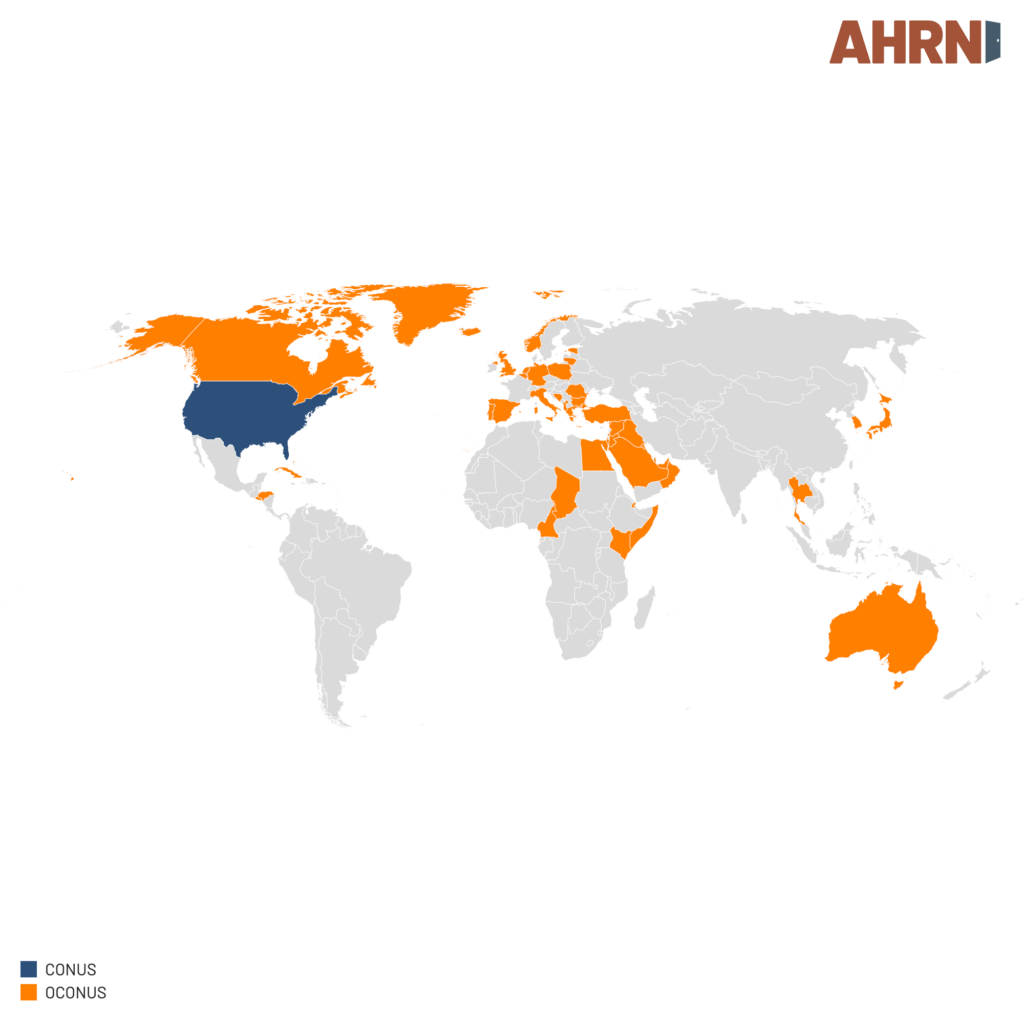
The OCONUS Distinction
Because Hawaii is separated from the mainland by over 2,000 miles of the Pacific Ocean, it is classified as OCONUS, or “Outside the Continental United States.” This term is also applied to Alaska, as it shares a land border with Canada but is not connected to the lower 48 states. Understanding this distinction is vital for travelers, as it affects everything from logistics to travel insurance coverage and military travel allowances.
Implications for Travel Logistics and Shipping
For those traveling to or moving goods to the islands, the “Not-CONUS” status has tangible effects. Whether you are flying into Honolulu or shipping household goods to Maui, the logistical chain operates differently than it would for a domestic move between states like California and Nevada.
Why the Distinction Matters
Shipping companies often treat Hawaii with the same procedural rigor as international destinations. This is due to the requirements of the Jones Act, which dictates maritime commerce between U.S. ports. Because the islands rely heavily on imported goods, the OCONUS classification often leads to higher transport costs. For the casual tourist visiting Waikiki Beach or hiking in Kauai, this reality manifests as higher prices for imported goods and different rules regarding the transportation of agricultural products.
Agricultural Regulations
Hawaii maintains some of the strictest agricultural inspection laws in the country. Because the state is an isolated ecosystem, the Hawaii Department of Agriculture performs thorough screenings on all arriving passengers and cargo. Unlike travel between CONUS states, where you rarely encounter state-level agricultural checkpoints, Hawaii treats the entry of plant and animal matter with extreme caution to protect the native biodiversity of places like Haleakala National Park.
Travel Planning in OCONUS Destinations
When you are booking a trip to Hawaii, acknowledging that you are traveling outside the continental landmass is the first step toward effective trip management. While you do not need a passport—as Hawaii is firmly within the United States—you should expect a travel experience that feels more like an international voyage in terms of duration and preparation.
Managing Expectations for Domestic Travel
Most travelers are accustomed to the efficiency of mainland air travel. However, flying to Kailua-Kona or Hilo requires a different level of preparedness. Because the flight is significantly longer than an average domestic trip, travelers should treat their transition to the islands as a long-haul experience. This includes staying hydrated, planning for significant time zone changes, and ensuring that any necessary documentation for car rentals or lodging at properties like the Grand Wailea is readily available.
Insurance and Medical Coverage
Because the islands are OCONUS, it is wise to verify that your health insurance provider covers service within the state. While most major United States health plans treat Hawaii as in-network, the availability of specialized medical care can be limited depending on which island you are visiting. If you are exploring remote areas like the Na Pali Coast, having travel insurance that covers emergency medical evacuation is a prudent choice, as transferring a patient to a major medical hub on Oahu may be required.
The Cultural and Geographical Context
While the bureaucratic designation of CONUS vs. OCONUS is important for government and logistics, the cultural identity of Hawaii stands apart from the mainland. The islands offer a unique blend of Polynesian heritage and modern American life that cannot be found in any other state.
A Unique Ecosystem
The geographic isolation that separates Hawaii from the continental landmass has fostered a unique environment. From the volcanic peaks of Mauna Kea to the lush rainforests of The Big Island, the landscape is distinct from the mountain ranges or plains of the mainland. Recognizing that you are visiting an isolated oceanic ecosystem helps travelers respect the fragile nature of the flora and fauna found in places like Waimea Canyon.

Infrastructure and Connectivity
Because it is not part of CONUS, Hawaii manages its own internal infrastructure, including its state highway systems and utility grids. Visitors will notice that the pace of life and the infrastructure in cities like Lihue are adapted to the tropical climate and the surrounding ocean. Electricity, water, and internet connectivity are often more challenging to maintain than on the mainland, which serves as a reminder of the logistical complexity inherent in island living.
Ultimately, whether you are visiting for a vacation or evaluating a relocation, knowing that Hawaii is not CONUS is the key to navigating the unique challenges and rewards of this destination. It is a place that requires a bit more planning, a bit more patience, and a deep appreciation for the vast distance that separates this Pacific gem from the rest of the country. By respecting its unique status as an OCONUS territory, you ensure a smoother, more enjoyable journey through one of the most stunning destinations in the United States.
LifeOutOfTheBox is a participant in the Amazon Services LLC Associates Program, an affiliate advertising program designed to provide a means for sites to earn advertising fees by advertising and linking to Amazon.com. Amazon, the Amazon logo, AmazonSupply, and the AmazonSupply logo are trademarks of Amazon.com, Inc. or its affiliates. As an Amazon Associate we earn affiliate commissions from qualifying purchases.