
The Current Status of The Cecil Hotel
The short answer to whether the Cecil Hotel is open in 2024 is both yes and no, depending on whether you are looking to book a standard overnight stay or simply view the building from the street in Los Angeles. Located in the heart of downtown Los Angeles, California, this infamous property has undergone massive structural transformations over the last several years. However, its current operational status remains complex, sparking intense curiosity among true crime enthusiasts, architecture buffs, and prospective travelers worldwide.
Recent Transformations and Conversions
To understand the current operational reality of the property, one must look at how the building has shifted away from traditional hospitality. In 2014, the historic structure was purchased by new developers with a vision to revitalize it. By 2017, the Los Angeles City Council designated the building a Historic-Cultural Monument, protecting its striking Beaux-Arts exterior and rich architectural heritage.
Following this designation, major renovation projects began. The ownership partnered with organizations dedicated to addressing the housing crisis in California. Instead of functioning as a traditional boutique hotel or budget lodge catering to tourists, the building was transitioned to serve affordable and permanent supportive housing.

Can You Book a Room Today?
If you are planning a vacation to Los Angeles and hoping to reserve a room at the Cecil Hotel, you will not be able to do so. The property no longer operates reservation systems, front desk check-ins, or nightly guest stays. The traditional hospitality amenities, such as public lobbies for transient visitors and daily housekeeping services, have been permanently retired.
Instead, the rooms have been restructured to accommodate long-term residents through supportive housing initiatives. Therefore, travelers searching for accommodations will need to look elsewhere in the downtown district, as the building functions entirely as a residential apartment complex rather than an accessible tourist hotel.
A Dark and Fascinating History
The immense public curiosity surrounding the operational status of the Cecil Hotel stems largely from its deeply troubled and macabre history. Opened in 1924, the property was originally envisioned as a destination for business travelers and tourists visiting the booming metropolis of Los Angeles. Designed in the grand Beaux-Arts style, the grand lobby featured stained glass, potted palms, and alabaster statuary, promising luxury and sophistication.
The Descent into Infamy
Unfortunately, the grand vision of the founders was quickly challenged by economic shifts. Shortly after its grand opening, the Great Depression struck, altering the trajectory of downtown Los Angeles forever. To maintain occupancy and generate revenue, management began renting out a large portion of the upper floors as long-term residential rooms, while keeping the lower floors for transient guests. This division marked the beginning of a long, gradual decline for the property.
Over the decades, the surrounding neighborhood—known as Skid Row—experienced severe economic depression, crime, and homelessness. The property inevitably became a magnet for transient populations, transient individuals, and those seeking anonymity. As crime rates inside and outside the building rose, the establishment earned a grim reputation as a site of numerous suicides, untimely deaths, and violent crimes.
Notable Incidents and Dark Lore
Long before the internet and modern true crime documentaries brought global attention to the building, it had already secured a permanent place in local folklore. During the 1980s, the infamous serial killer Richard Ramirez, known as the “Night Stalker,” reportedly stayed at the property while committing a string of heinous murders across California. Similarly, Austrian serial killer Jack Unterweger resided there in 1991, allegedly choosing the location as a deliberate nod to its dark legacy.
In 2013, the property captured international headlines once again during the tragic disappearance and death of Elisa Lam, a Canadian tourist visiting Los Angeles. Her body was eventually discovered inside a rooftop water cistern after guests complained about discolored and foul-tasting water. The eerie surveillance footage of Lam behaving erratically in one of the property’s elevators went viral globally, inspiring countless internet sleuths, podcasts, and television series, including seasons of popular anthologies like American Horror Story.
Architecture, Preservation, and Urban Impact
Despite its dark reputation, the architectural and cultural significance of the building cannot be overlooked. As urban revitalization efforts swept through downtown Los Angeles throughout the 2010s and 2020s, developers recognized the immense potential in preserving historical landmarks rather than tearing them down.
Beaux-Arts Design and Heritage
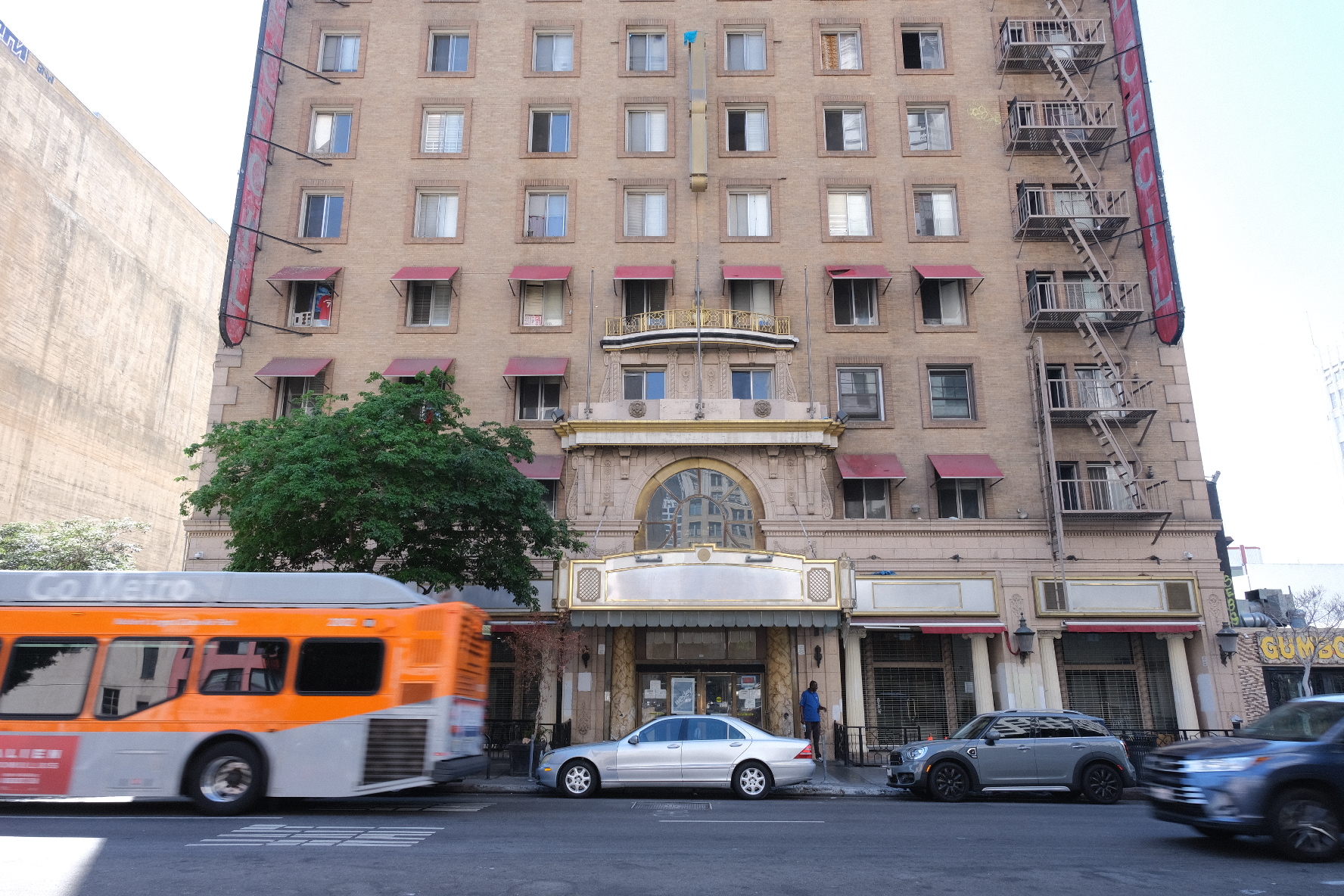
The exterior facade remains a textbook example of early 20th-century Beaux-Arts architecture. Designed by architects Loy Lester Smith and H.L. Pierce, the structure stands as a testament to the grand building booms of the roaring twenties. While the interior has undergone significant renovations to meet modern residential building codes and safety standards, efforts have been made to honor the historical framework of the property.
Addressing the Housing Crisis
The decision to convert the property into affordable housing represents a major shift in how historic, troubled urban properties can be repurposed for the greater good. Downtown Los Angeles has faced an acute homelessness and housing affordability crisis for decades. By transforming hundreds of small hotel rooms into permanent supportive housing units equipped with essential social services, the current owners and city officials hope to provide stability for vulnerable populations.
While true crime tourists and urban explorers occasionally visit the exterior to take photographs or film videos for social media, the primary function of the building is now centered on community welfare and urban rehabilitation. The transformation marks a definitive end to its era as a commercial lodging option, turning a page on a tumultuous century of hospitality.
What Visitors and True Crime Fans Should Know
For travelers planning a trip to California who hold a fascination with the macabre history of the Cecil Hotel, it is important to approach the location with realistic expectations and respect for the current residents.
Visiting the Exterior
You can easily view and photograph the exterior of the building, which is located at 640 S. Main Street in downtown Los Angeles. Walking past the property allows you to appreciate the classic architectural details of the facade and understand its physical proximity to other historic landmarks in the city center.
However, because the building now serves as a private residential complex for supportive housing, public access to the interior, lobby, and upper floors is strictly prohibited. Security measures are tight, and unauthorized entry attempts are met with strict legal consequences. Furthermore, visitors should remain mindful of their surroundings, as the immediate neighborhood continues to deal with the socioeconomic challenges associated with the broader Skid Row district.

Exploring the Legacy Safely
If you want to delve deeper into the history of the building without visiting the physical site, a wealth of documentaries, deep-dive podcasts, and investigative journalism pieces are readily available online. These resources provide detailed explorations of the architecture, the true crime events, and the sociological impact of the property’s recent conversion into affordable housing.
Ultimately, while the building is no longer open as a hotel in 2024, its legacy as one of the most enigmatic and spine-chilling landmarks in American history continues to captivate the public imagination.
LifeOutOfTheBox is a participant in the Amazon Services LLC Associates Program, an affiliate advertising program designed to provide a means for sites to earn advertising fees by advertising and linking to Amazon.com. Amazon, the Amazon logo, AmazonSupply, and the AmazonSupply logo are trademarks of Amazon.com, Inc. or its affiliates. As an Amazon Associate we earn affiliate commissions from qualifying purchases.