
The majestic Mississippi River, a serpentine artery vital to the United States, has long been a symbol of America’s heartland, a conduit for commerce, and a source of immense natural beauty. Its vast expanse and powerful currents have shaped landscapes, nurtured ecosystems, and facilitated the growth of countless communities along its banks. However, recent discussions and observations have raised a pressing question: Is the Mississippi River drying up? This query delves into the complex interplay of natural phenomena, human activity, and environmental shifts that influence one of North America’s most significant waterways.
Understanding the Mississippi River’s Hydrology
To address the question of the Mississippi River drying up, it’s crucial to first understand its hydrological underpinnings. The river system is an intricate network, fed by a vast watershed that spans much of the continental United States. Its flow is a product of precipitation, snowmelt from distant mountain ranges like the Rocky Mountains, and the confluence of numerous tributaries, most notably the Missouri River and the Ohio River.
The Role of Precipitation and Snowmelt
The primary drivers of the Mississippi River’s water levels are rainfall and snowpack. Regions within the watershed experience varying precipitation patterns. Droughts in these areas can significantly reduce the inflow of water, leading to lower river levels downstream. Conversely, periods of heavy rainfall and robust snowmelt can swell the river, sometimes to the point of causing devastating floods.
Tributaries and Their Contributions
The health and flow of the Mississippi River are intrinsically linked to the volume of water contributed by its major tributaries. The Missouri River, the longest river in North America, contributes a substantial amount of water, as does the Ohio River, which drains a large portion of the eastern United States. Any diminishment in the flow of these key tributaries due to localized drought or other factors will inevitably impact the Mississippi River.
Natural Cycles and Variability
It is important to acknowledge that rivers, including the Mississippi River, are dynamic systems subject to natural cycles of high and low water periods. These fluctuations are a normal part of their existence, influenced by long-term climate patterns such as El Niño and La Niña. What might appear as a “drying up” could, in some instances, be a manifestation of a natural, albeit pronounced, ebb in the river’s cycle.
Factors Contributing to Lower Water Levels
While natural variability plays a role, several human-induced and environmental factors can exacerbate or contribute to perceived or actual reductions in the Mississippi River’s water levels.
Drought Conditions
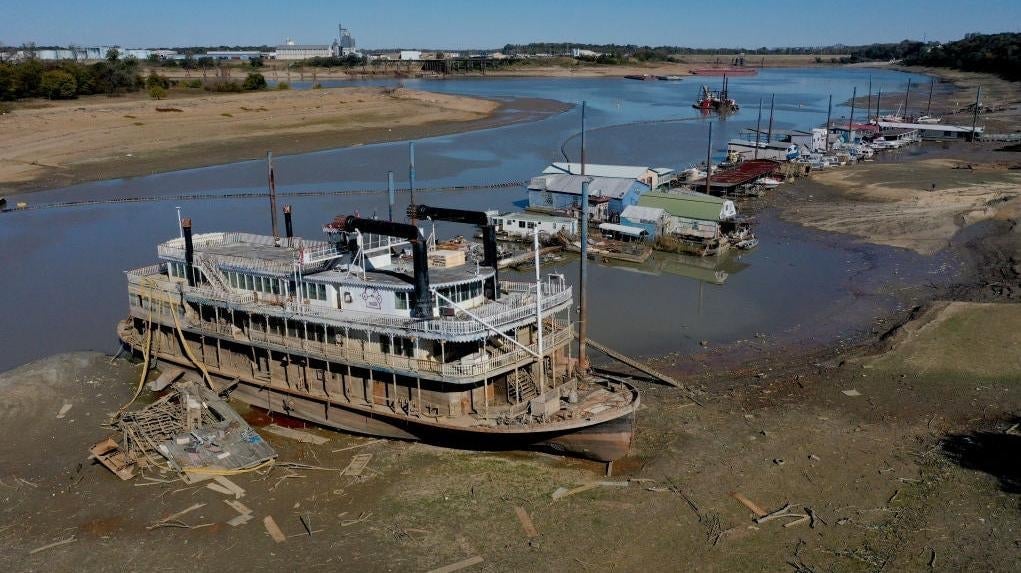
Prolonged and severe drought is perhaps the most direct cause of diminished river flow. When rainfall is scarce across significant portions of the watershed for extended periods, the overall volume of water entering and flowing through the Mississippi River decreases noticeably. This can lead to record low levels, impacting navigation, ecosystems, and water availability for communities.
Increased Water Consumption and Diversion
Human demand for water has a profound impact on river systems. Agriculture, industry, and municipal water supplies all draw significant volumes from the Mississippi River and its tributaries. In some regions, water is also diverted for irrigation or other purposes, further reducing the natural flow. The cumulative effect of these diversions, particularly during dry periods, can contribute to lower river levels.
Climate Change and its Ramifications
The broader implications of climate change present a complex challenge. While predictions vary, many climate models suggest potential shifts in precipitation patterns, with some regions experiencing increased aridity and others more intense rainfall events. Changes in snowpack accumulation and melt timing in regions like the Rocky Mountains can also alter the seasonal inflow of water into the river system. Warmer temperatures can also lead to increased evaporation from the river’s surface.
Infrastructure and Management
While not directly causing a “drying up,” the management of the Mississippi River through dams, levees, and locks influences its flow and depth in specific areas. These structures are designed to control flooding, facilitate navigation, and manage water resources, but they can also alter natural flow dynamics and sediment transport.

Consequences of Diminished River Flow
The potential “drying up” or significant reduction in the Mississippi River’s water levels carries a cascade of serious consequences across various sectors.
Navigation and Commerce
The Mississippi River is a critical artery for domestic and international commerce, forming the backbone of the nation’s inland waterway transportation system. Barges carrying agricultural products, raw materials, and manufactured goods rely on sufficient depths to navigate safely and efficiently. When water levels drop, shipping channels can become constricted, forcing vessels to reduce their loads, leading to increased costs, delays, and a diminished capacity for trade. Port operations can be severely impacted, affecting the economies of cities like St. Louis and New Orleans.
Ecological Impacts
The river ecosystem is incredibly diverse, supporting a multitude of plant and animal species. Lower water levels can lead to a reduction in habitat availability, increased water temperatures, and concentrated pollutants. Fish populations can be negatively affected, impacting both commercial and recreational fishing industries. Wetlands and delta regions that rely on the river’s natural ebb and flow for replenishment can suffer from saltwater intrusion and habitat degradation. The health of the Gulf of Mexico, which receives much of the river’s outflow, can also be influenced.
Water Resources and Communities
Many communities along the Mississippi River depend on it as a primary source of drinking water and for industrial processes. Reduced flow can strain water supplies, requiring stricter conservation measures and potentially leading to shortages. The ability to generate hydroelectric power, where applicable, can also be affected. The cultural and recreational significance of the river, from fishing and boating to its role in the identity of states like Mississippi and Louisiana, is also diminished.
Agriculture and Food Security
Agriculture is a major user of water from the Mississippi River basin, particularly for irrigation. Drought conditions and low river levels can severely impact crop yields, threatening the livelihoods of farmers and potentially affecting food prices and availability nationwide.
Future Outlook and Mitigation Strategies
The question of whether the Mississippi River is “drying up” is not a simple yes or no. It’s a complex issue involving a continuum of hydrological conditions and influencing factors. While catastrophic, permanent “drying up” is unlikely in the foreseeable future due to the sheer scale of its watershed, periods of significantly reduced flow are a recurring and increasing concern.
Water Conservation and Efficiency
Implementing robust water conservation measures across all sectors – agricultural, industrial, and municipal – is paramount. Promoting water-efficient technologies, improving irrigation techniques, and encouraging behavioral changes can collectively reduce overall water demand.
Sustainable Water Management Practices
Effective water resource management strategies are essential. This includes coordinated efforts between federal, state, and local agencies to monitor water levels, manage diversions, and ensure equitable distribution of water resources, especially during times of scarcity. Investing in infrastructure that improves water storage and delivery can also play a role.
Addressing Climate Change
The long-term health of the Mississippi River is inextricably linked to global efforts to mitigate climate change. Reducing greenhouse gas emissions to slow global warming could help stabilize precipitation patterns and reduce the frequency and severity of extreme weather events like droughts and floods.

Investment in Infrastructure
Maintaining and upgrading the infrastructure that supports the Mississippi River system – including locks, dams, and levees – is vital for managing its flow and ensuring its continued utility. Furthermore, exploring innovative solutions for water management and flood control will be increasingly important.
The Mississippi River remains a powerful and essential natural resource. However, its vitality is not guaranteed. Acknowledging the signs of stress, understanding the contributing factors, and implementing proactive, sustainable strategies are crucial steps to ensure this iconic river continues to flow, supporting the diverse life and economies that depend on it for generations to come. The conversation about the Mississippi River is not just about water levels; it’s about the health of a nation’s infrastructure, its environment, and its future prosperity.
LifeOutOfTheBox is a participant in the Amazon Services LLC Associates Program, an affiliate advertising program designed to provide a means for sites to earn advertising fees by advertising and linking to Amazon.com. Amazon, the Amazon logo, AmazonSupply, and the AmazonSupply logo are trademarks of Amazon.com, Inc. or its affiliates. As an Amazon Associate we earn affiliate commissions from qualifying purchases.