
Understanding the population of a city is fundamental to grasping its character, scope, and potential. For Dallas, Texas, a vibrant metropolis at the heart of the American South, this demographic insight is especially crucial for anyone considering a visit, planning a business venture, or simply seeking to understand the dynamics of one of the nation’s most rapidly growing urban centers. While a precise, real-time census figure is an ever-shifting target, available data and projections offer a robust picture of the people who call this dynamic city home.
The Ever-Evolving Demographic Landscape of Dallas
The Dallas populace is a complex tapestry woven from diverse threads of ethnicity, age, and socioeconomic background. It’s a city that has experienced consistent growth over the decades, fueled by a strong economy, a relatively affordable cost of living compared to other major hubs, and a welcoming environment for businesses and individuals alike.
Current Population Estimates and Projections
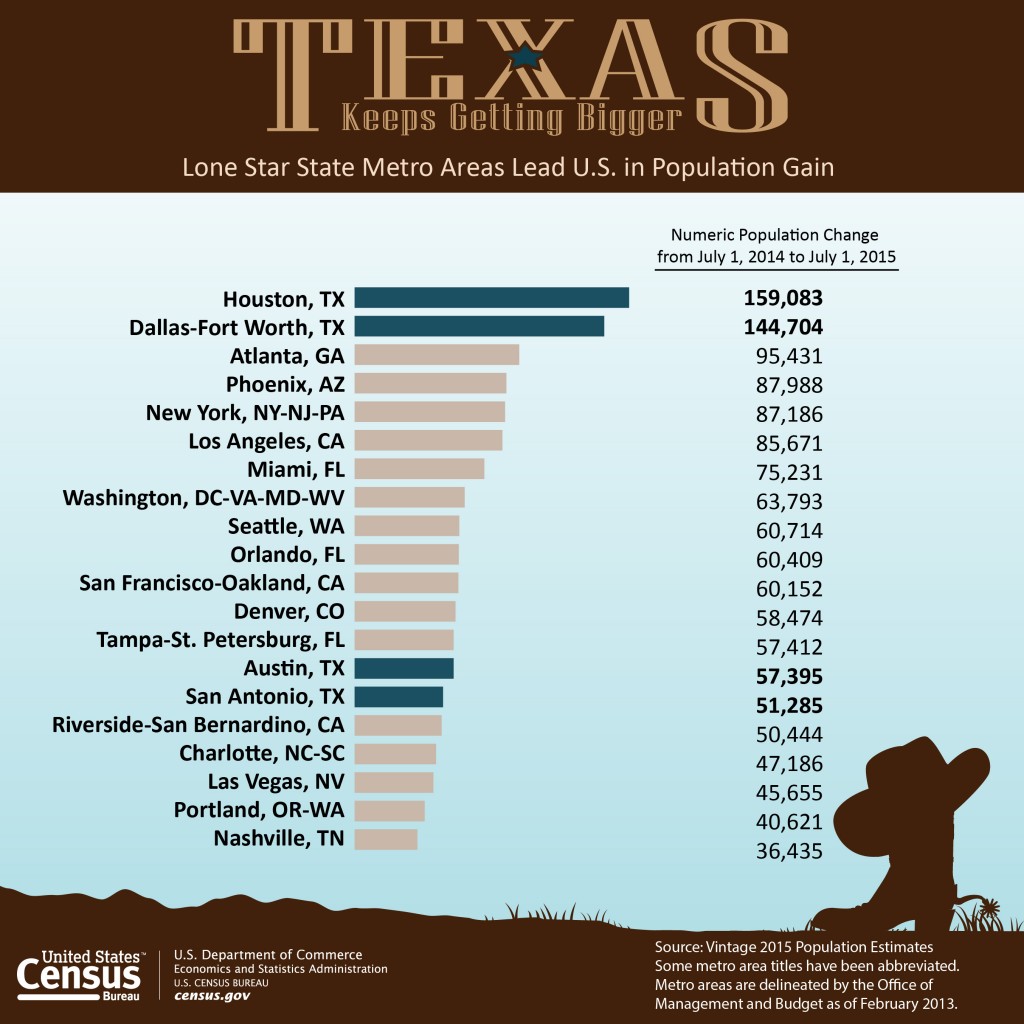
According to the most recent U.S. Census Bureau estimates, the population of the city of Dallas hovers around 1.3 million residents. This figure represents the incorporated city limits. However, to truly understand the scale of Dallas as a metropolitan area, one must look beyond the city proper.
The Dallas-Fort Worth-Arlington metropolitan statistical area (MSA), often referred to as the Dallas-Fort Worth Metroplex, is significantly larger. This sprawling region encompasses numerous counties and cities, and its population is estimated to be well over 7.5 million people. This makes it the largest metropolitan area in Texas and one of the largest in the United States. The rapid expansion of the Metroplex means that population figures are constantly being updated, with projections indicating continued growth in the coming years. This expansion isn’t just about numbers; it signifies an influx of new residents bringing diverse skills, cultures, and ideas, further enriching the urban fabric.
Key Demographic Trends
Several key demographic trends are shaping the population of Dallas:
- Ethnic Diversity: Dallas is a remarkably diverse city. The Hispanic or Latino population constitutes a significant portion of the city’s residents, followed by White, Black or African American, and Asian populations. This diversity is a hallmark of the city, influencing its culinary scene, cultural festivals, and overall social dynamic.
- Age Distribution: Like many growing American cities, Dallas has a relatively balanced age distribution, with a strong presence of working-age adults drawn by economic opportunities. This contributes to a dynamic workforce and a lively urban atmosphere.
- Population Density: Within the city limits, Dallas exhibits a moderate to high population density, particularly in its urban core and surrounding neighborhoods. This density is a characteristic of major American cities, contributing to the vibrant street life and the accessibility of urban amenities.
The Metroplex: A Broader Perspective on Population
When discussing the population associated with Dallas, it is essential to consider the broader Dallas-Fort Worth Metroplex. This interconnected region functions as a single economic and social unit, with residents frequently commuting between cities for work, leisure, and services.
Understanding the Metroplex’s Reach
The Dallas-Fort Worth Metroplex is not just a collection of cities; it’s a powerful economic engine. Its rapid growth has attracted significant investment and migration, making it a key destination for people seeking economic advancement. The population growth in the surrounding suburbs and exurbs is as significant as, if not more so than, that within the central city. Cities like Fort Worth, Plano, Irving, and Arlington each boast substantial populations, contributing to the overall vitality and economic output of the region.
Factors Driving Metroplex Growth

Several factors contribute to the sustained population growth in the Dallas-Fort Worth Metroplex:
- Economic Opportunity: The region boasts a robust and diversified economy, with strong sectors in technology, finance, healthcare, energy, and logistics. Major corporations have established headquarters or significant operations in Dallas, attracting a skilled workforce.
- Affordability: Compared to coastal cities like New York or Los Angeles, Dallas and its surrounding areas offer a more affordable cost of living, particularly in terms of housing. This makes it an attractive option for families and individuals looking to maximize their disposable income.
- Quality of Life: The Metroplex offers a high quality of life, with abundant recreational opportunities, a rich cultural scene, excellent educational institutions, and a generally favorable business climate.
Implications of Dallas’s Population for Visitors and Residents
The substantial and growing population of Dallas and its surrounding Metroplex has tangible implications for everyone who interacts with the city.
For Tourists and Travelers
For visitors, the large population means Dallas is a city that offers a vast array of experiences.
- Abundant Attractions: From world-class museums like the Dallas Museum of Art and the Perot Museum of Nature and Science to iconic landmarks such as Dealey Plaza and the Reunion Tower, there’s no shortage of things to see and do. The sheer volume of people means these attractions are often bustling, adding to their energetic atmosphere.
- Diverse Culinary Scene: The multicultural population has fostered an incredibly rich and diverse culinary landscape. Whether you’re craving authentic Tex-Mex, Vietnamese pho, or upscale dining, Dallas has it all. The competition among restaurants, driven by a discerning populace, ensures high quality and innovative offerings.
- Transportation and Infrastructure: A large population necessitates robust transportation infrastructure. While traffic can be a consideration, Dallas offers extensive highway networks, a growing public transportation system (DART), and a major international airport, Dallas/Fort Worth International Airport (DFW), connecting the city to the world.
- Accommodation Options: The demand created by a large local population and a steady stream of visitors ensures a wide range of accommodation options, from luxury hotels in the Uptown district to boutique hotels in the Bishop Arts District, and budget-friendly choices scattered throughout the city and its suburbs.
For Businesses and Investors
The growing population is a magnet for businesses and investors.
- Consumer Market: A large and growing population translates into a substantial consumer market. Businesses looking to expand or establish a presence find Dallas an attractive location due to the sheer number of potential customers and clients.
- Talent Pool: The influx of new residents brings a diverse and skilled talent pool, essential for companies seeking to recruit top professionals across various industries.
- Economic Development: The city and its surrounding municipalities actively promote economic development, offering incentives and support to businesses, further solidifying its position as a commercial hub.
For Residents
For those living in Dallas, the population dynamics influence daily life.
- Community and Culture: The diverse population contributes to a vibrant community life, with numerous cultural events, festivals, and neighborhood gatherings throughout the year.
- Economic Opportunities: The thriving economy provides ample job opportunities across a wide spectrum of industries.
- Housing Market: The increasing demand for housing, driven by population growth, impacts the real estate market, influencing prices and availability in different neighborhoods.

Looking Ahead: Dallas’s Population Trajectory
The trajectory of Dallas’s population growth is projected to continue upwards. As the Dallas-Fort Worth Metroplex solidifies its position as a major economic and cultural center, it will undoubtedly continue to attract new residents seeking opportunity and a dynamic urban lifestyle. This sustained growth will shape the city’s infrastructure, its social fabric, and its identity for years to come. Understanding the population of Dallas is not just about numbers; it’s about comprehending the living, breathing entity that makes this Texas city one of the most compelling and dynamic places in the United States.
LifeOutOfTheBox is a participant in the Amazon Services LLC Associates Program, an affiliate advertising program designed to provide a means for sites to earn advertising fees by advertising and linking to Amazon.com. Amazon, the Amazon logo, AmazonSupply, and the AmazonSupply logo are trademarks of Amazon.com, Inc. or its affiliates. As an Amazon Associate we earn affiliate commissions from qualifying purchases.