
The Mississippi River, a colossal artery of North America, has long been a symbol of power, commerce, and natural wonder. Its vast expanse, a vital waterway for shipping and a breathtaking spectacle for tourists, is deeply intertwined with the identity of many states and cities it traverses. However, recent years have seen fluctuations in its water levels, prompting concern and questions about its future. While the notion of the entire river “drying up” is an extreme scenario, understanding the factors influencing its water volume is crucial for appreciating its significance as a landmark and for responsible tourism and land use along its banks.
Understanding the Mississippi’s Water Sources
The Mississippi River’s immense volume is not the product of a single source but rather a complex hydrological system. Its health and water levels are intrinsically linked to a vast watershed, encompassing over 1.15 million square miles across 31 U.S. states and two Canadian provinces. Understanding these sources is key to grasping the dynamics of its water levels.
Precipitation and Snowmelt
The primary drivers of the Mississippi River’s water volume are precipitation and snowmelt occurring throughout its watershed. Rainfall and the gradual melting of snowpack in the northern regions, particularly in the Rocky Mountains and the Upper Midwest, contribute significant amounts of water that eventually flow into the river system. The timing and intensity of these events are critical. A dry winter with low snowpack, followed by a hot, dry summer, can lead to reduced inflow into the river. Conversely, heavy rainfall and robust snowmelt can result in higher water levels, sometimes leading to flooding.
Tributaries and Aquifers
The Mississippi River is not a standalone entity. It is fed by a multitude of tributaries, each with its own contributing watershed. Major tributaries like the Missouri River, the Ohio River, and the Arkansas River are themselves substantial waterways, and their combined flow significantly impacts the Mississippi’s overall volume. Additionally, the river system is influenced by groundwater, with some water seeping from underground aquifers into the riverbed and vice-versa, depending on local conditions. This subterranean connection, while less visible, plays a role in maintaining base flow, especially during drier periods.
The Role of Dams and Levees
Human intervention has also shaped the Mississippi River’s hydrology. A system of dams and locks, particularly on the Upper Mississippi River, helps to control water levels for navigation, flood control, and hydroelectric power generation. While these structures are designed to manage water, they can also influence its flow and distribution. Similarly, extensive levee systems, constructed to protect communities from flooding, can alter natural floodplains and impact how water interacts with the surrounding landscape.
Factors Affecting River Levels
The recent concerns about the Mississippi River’s water levels are not unfounded. Several interconnected factors are contributing to these fluctuations, prompting a closer look at the river’s resilience and the potential impacts on its status as a major landmark.
Climate Change and Drought Patterns
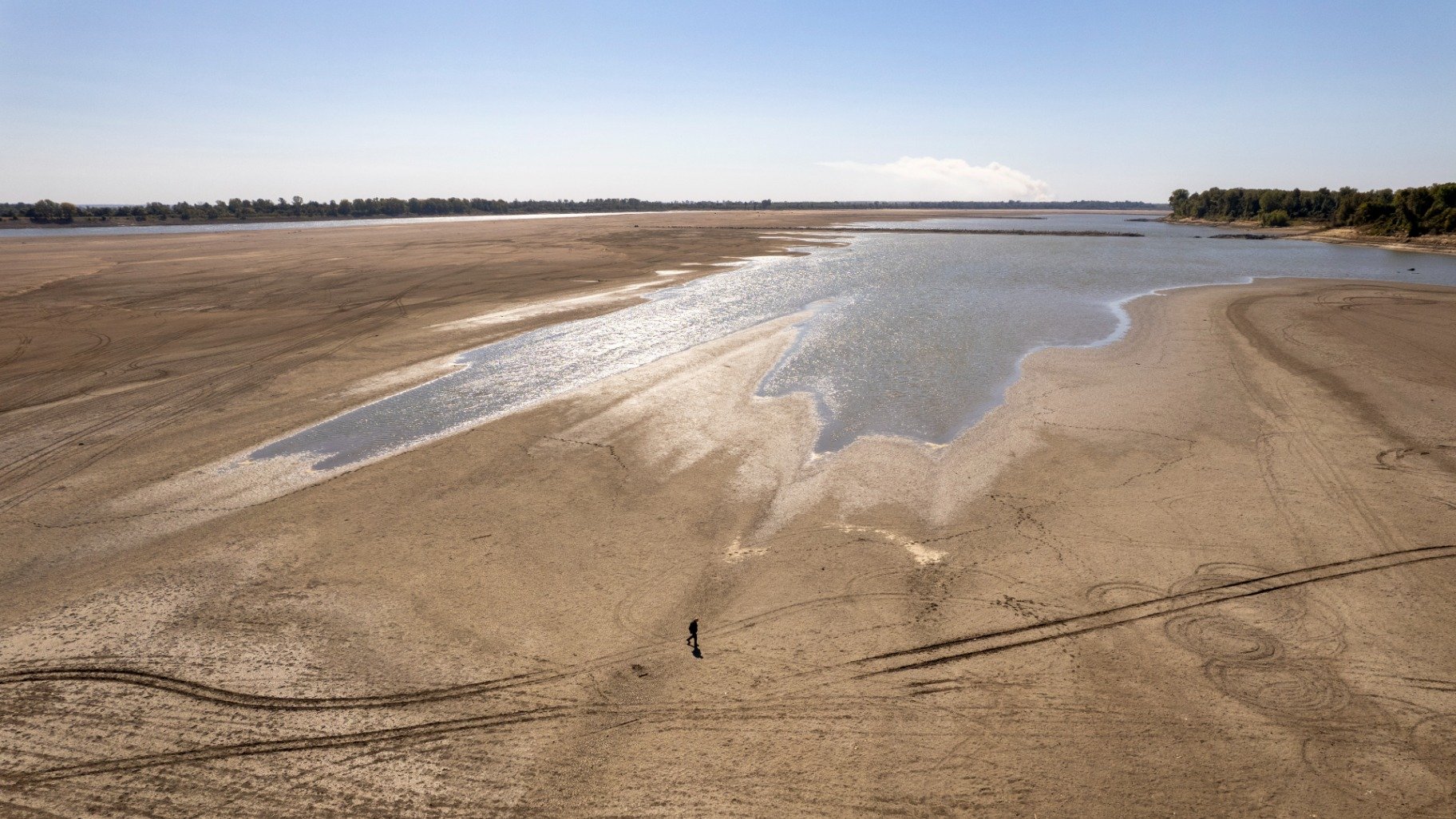
The most significant driver of reduced water levels in recent years has been the increasing prevalence and intensity of droughts. Climate change is altering weather patterns, leading to more prolonged periods of below-average rainfall in critical parts of the Mississippi River Basin. These droughts reduce the amount of water entering the river system from precipitation and snowmelt. The consequences are far-reaching, impacting not only the navigability of the river but also the ecosystems and communities that depend on its consistent flow. Low water levels can concentrate pollutants and harm aquatic life, affecting the natural beauty and biodiversity that draw visitors to the river.
Agricultural and Industrial Water Usage
The Mississippi River and its tributaries are vital sources of water for agriculture and industry across the basin. Millions of gallons are withdrawn daily for irrigation, manufacturing, and cooling purposes. While these uses are essential for the economy, periods of high demand, coupled with drought conditions, can place significant stress on the river’s water resources. When water is less plentiful, the cumulative impact of these withdrawals becomes more pronounced, contributing to lower downstream flows. This competition for water resources is a complex issue that requires careful management to ensure the long-term health of the river.
Sedimentation and Channel Changes
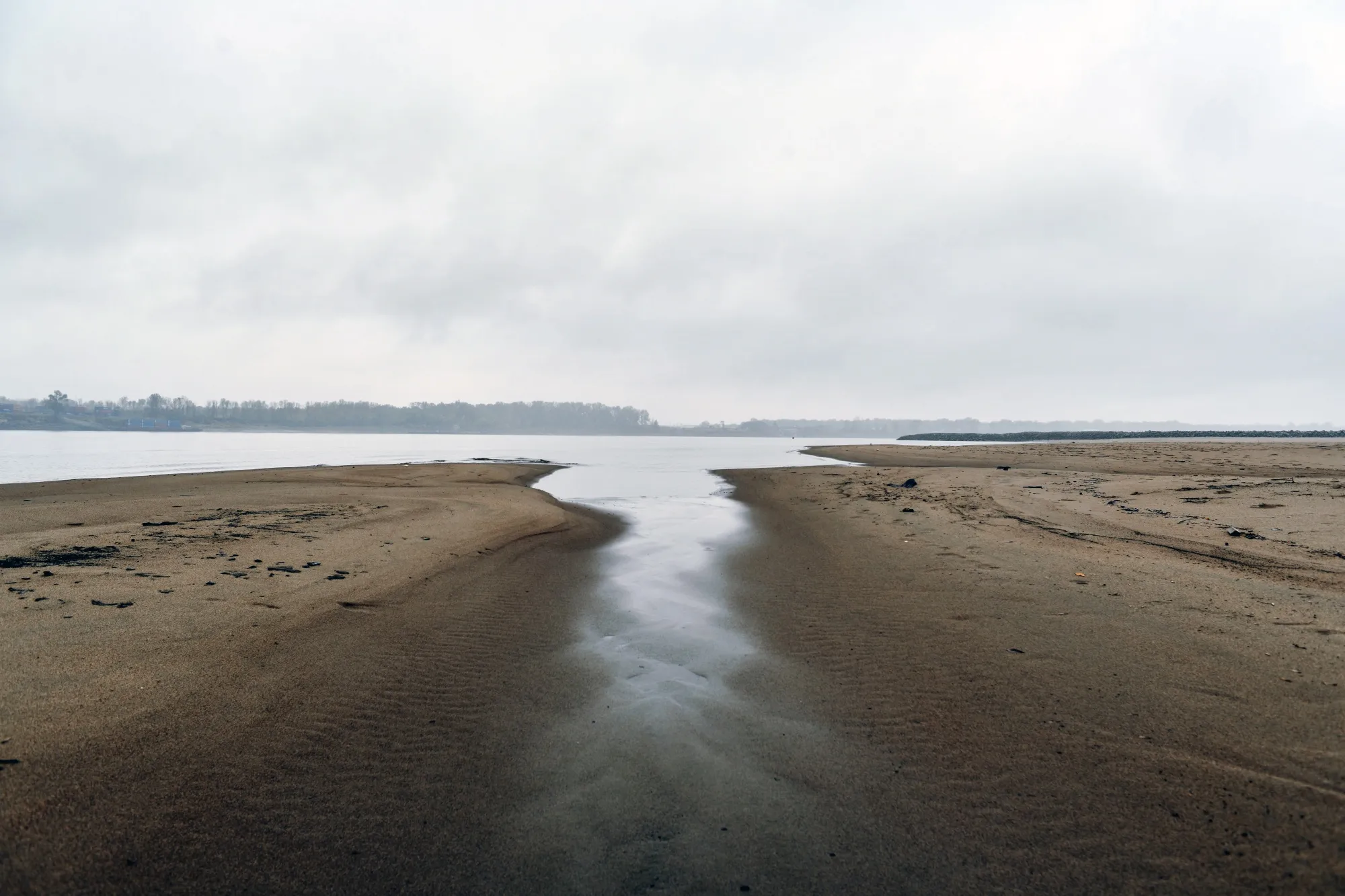
Over time, the Mississippi River carries a significant amount of sediment. While natural, sedimentation can impact the river’s depth and width, particularly in certain sections. Dredging operations are undertaken to maintain navigation channels, but the natural process of sediment deposition can contribute to changes in the riverbed. Coupled with lower water levels, increased sedimentation can further exacerbate concerns about the river’s capacity and navigability.
Implications for Tourism and Landmark Status
The fluctuating water levels of the Mississippi River have tangible implications for its role as a prominent landmark and a destination for tourism. The river’s majestic presence and the activities it supports are intrinsically linked to its water volume.
Navigation and Commerce
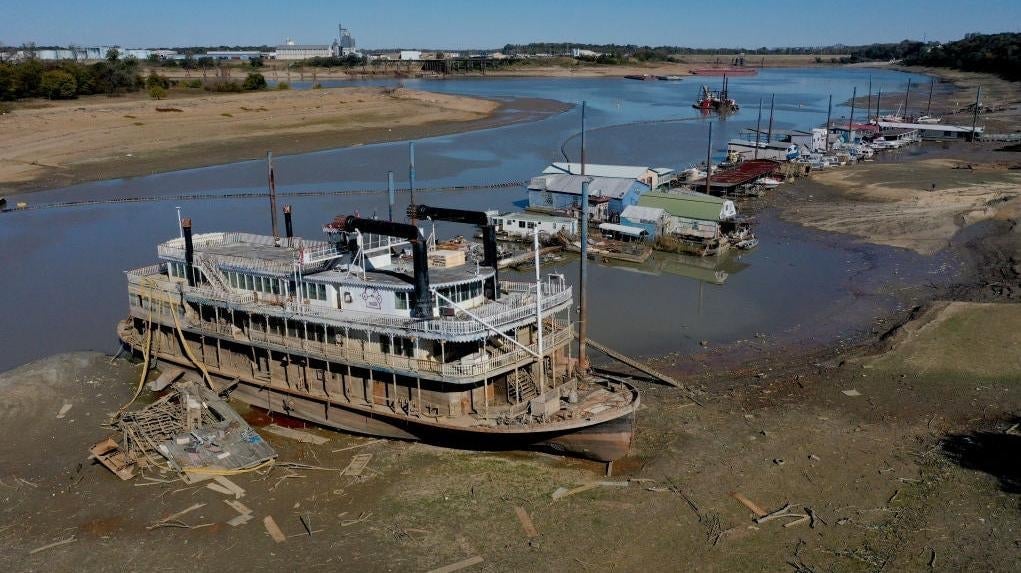
The Mississippi River is a critical commercial waterway, supporting the movement of goods valued in the billions of dollars annually. Low water levels can restrict barge traffic, leading to delays, increased shipping costs, and potential disruptions to supply chains. For tourists who experience the river through scenic cruises or ferry services, reduced water levels can alter the landscape, potentially impacting the visual appeal and accessibility of certain routes. The iconic imagery of large vessels navigating the broad river can be diminished during periods of low flow.
Recreational Activities
Many recreational activities are directly tied to the Mississippi River’s water. Boating, fishing, kayaking, and swimming are popular pursuits for both locals and visitors. Low water levels can make launching boats difficult, reduce available fishing grounds, and create safety hazards due to exposed obstacles. The aesthetic appeal of the river for activities like scenic drives along its banks or visits to riverfront parks can also be affected, as the expansive views and the sense of a powerful natural force might be diminished. For destinations like the Vicksburg National Military Park or the historic riverfronts of cities like New Orleans, the river’s prominence is a key attraction.
Environmental Impacts and Ecosystem Health
The Mississippi River supports a diverse array of plant and animal life. Low water levels can concentrate pollutants, leading to degraded water quality and harming aquatic ecosystems. Changes in flow can also affect fish spawning grounds and the habitats of migratory birds that rely on the river’s resources. For nature enthusiasts and eco-tourists, the health of the river’s ecosystem is a significant draw. A struggling ecosystem can diminish the appeal of the river as a natural landmark and reduce opportunities for wildlife observation and nature photography.
Future Outlook and Conservation Efforts
The question of whether the Mississippi River is “drying up” is less about a complete cessation of flow and more about significant, potentially concerning, reductions in its water levels that impact its multifaceted role. Addressing these challenges requires a comprehensive approach.
Water Management Strategies
Effective water management is paramount. This includes implementing stricter regulations on water withdrawals during drought periods, promoting water-efficient agricultural practices, and investing in water recycling technologies for industrial use. Collaboration between states within the Mississippi River Basin is essential to develop coordinated strategies that balance competing water needs. Organizations like the Mississippi River Basin Alliance work towards this goal, advocating for sustainable water policies.
Climate Change Mitigation and Adaptation
Mitigating climate change through reduced greenhouse gas emissions is a long-term solution that will indirectly benefit the Mississippi River by stabilizing weather patterns. Simultaneously, adapting to the changing climate involves developing strategies to manage water resources in a world with more frequent and intense droughts and floods. This might include investing in water storage infrastructure, restoring natural floodplains, and improving drought preparedness plans.
Public Awareness and Stewardship
Raising public awareness about the Mississippi River’s importance and the challenges it faces is crucial. Educating communities about the interconnectedness of the watershed, the impact of individual actions on water consumption, and the value of the river as a landmark can foster a sense of stewardship. Supporting organizations dedicated to river conservation and participating in volunteer efforts can make a tangible difference in protecting this vital natural resource for future generations. The iconic status of the Mississippi River as a symbol of America’s heartland is something worth protecting and preserving through informed action and collective responsibility.
LifeOutOfTheBox is a participant in the Amazon Services LLC Associates Program, an affiliate advertising program designed to provide a means for sites to earn advertising fees by advertising and linking to Amazon.com. Amazon, the Amazon logo, AmazonSupply, and the AmazonSupply logo are trademarks of Amazon.com, Inc. or its affiliates. As an Amazon Associate we earn affiliate commissions from qualifying purchases.