
The question of whether The New Yorker magazine leans liberal is a recurring one, often surfacing in discussions about media bias, cultural commentary, and the intellectual landscape of the United States. To approach this objectively, one must examine the magazine’s editorial stance, the demographics of its contributors and readership, and the types of issues it consistently covers. While The New Yorker itself rarely labels its political orientation, its content, tone, and the prevailing voices it amplifies provide ample material for analysis.
Editorial Leanings and Content Analysis
The New Yorker has a long history of publishing in-depth reporting, essays, fiction, and cultural criticism. Its editorial perspective is often characterized by a sophisticated, often nuanced, and intellectual approach to complex issues. While not an overtly partisan publication, a consistent thread of progressive or liberal viewpoints can be observed in its coverage.

Thematic Focus and Issue Coverage
The magazine frequently delves into topics that are central to the liberal political and social agenda. This includes extensive coverage of social justice issues, environmental concerns, civil liberties, and critiques of corporate power and government overreach. For instance, The New Yorker has dedicated significant editorial space to dissecting the impacts of climate change, advocating for criminal justice reform, and exploring the nuances of gender identity and racial equality. The magazine’s long-form journalism often provides historical context and detailed reporting on these subjects, aiming for a comprehensive understanding rather than a simple endorsement of a particular ideology.
Commentary and Opinion Pieces
When The New Yorker publishes opinion pieces or commentary, the authors often express views that align with liberal or progressive thought. This is not to say that opposing viewpoints are never presented, but the selection of columnists and essayists, as well as the editorial decisions about which pieces to feature, tend to reflect a certain worldview. Think of figures like David Remnick, the editor, whose own writings and editorial direction often engage with political and social issues from a perspective that is widely considered liberal. The magazine’s profiles of public figures also tend to focus on individuals who are at the forefront of social and political change, many of whom operate within a liberal framework.
Satire and Humor
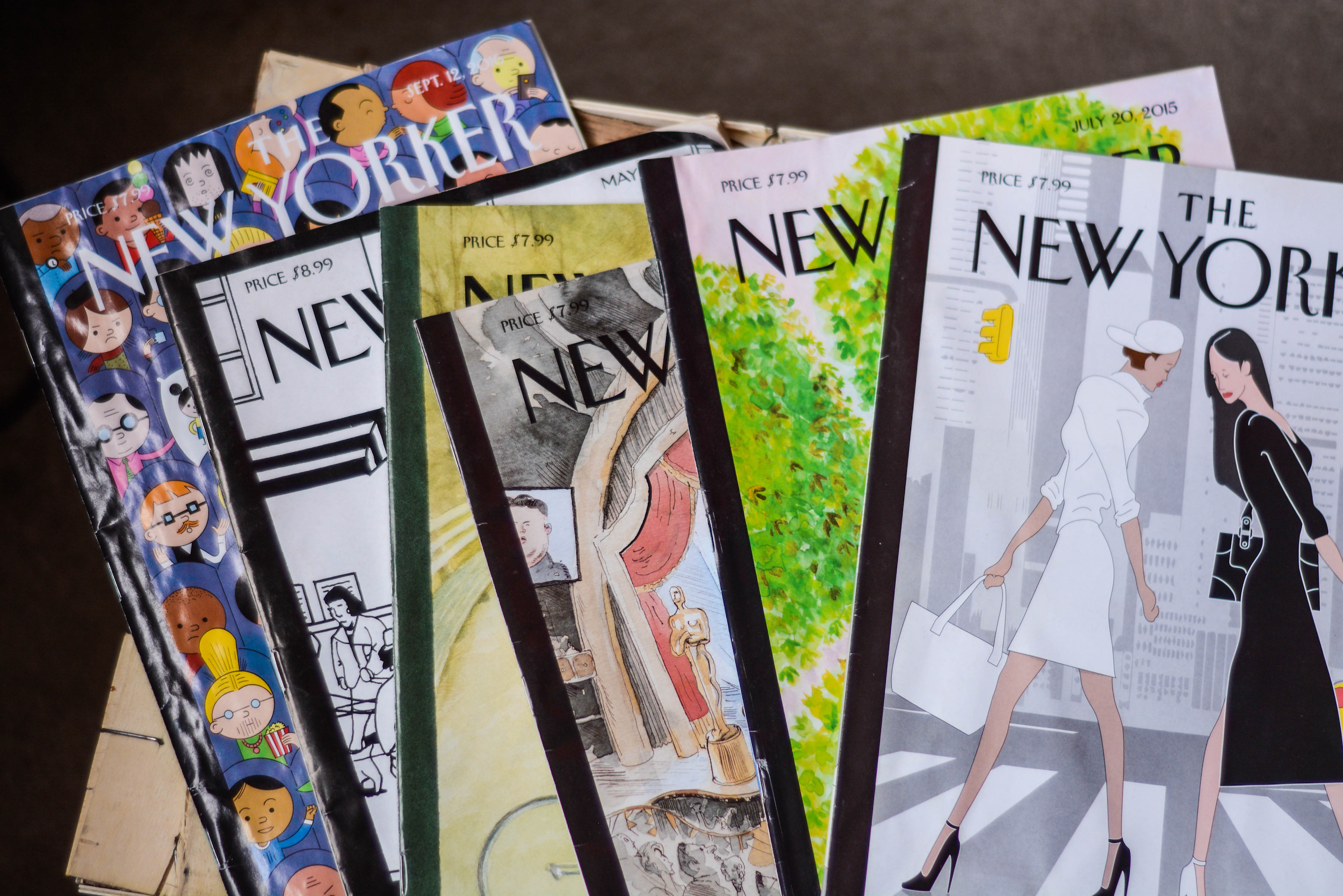
The New Yorker‘s iconic cartoons and satirical pieces often take aim at the status quo, political figures, and societal absurdities. While satire can be a sharp tool for any ideology, the targets of The New Yorker‘s humor often include conservative politicians, traditional social norms, and figures associated with what could be termed right-leaning viewpoints. The wit and observational humor frequently serve to underscore criticisms that resonate with a liberal audience.
The Contributors and Their Perspectives
The authors and illustrators who contribute to The New Yorker are a diverse group, but many have established reputations for holding views that are considered liberal or progressive. This selection process, whether conscious or unconscious, inevitably shapes the magazine’s overall voice.
Prominent Writers and Their Affiliations
Many of The New Yorker‘s most prominent writers have a history of engaging with social and political issues from a liberal perspective. Consider journalists and essayists who have written extensively on topics such as income inequality, healthcare policy, or foreign policy decisions that have been criticized by liberal factions. Their work, while rigorously researched and often deeply reported, frequently presents arguments and analyses that align with progressive values. This is not to suggest a lack of intellectual rigor; rather, it points to a consistent editorial choice in amplifying certain voices and perspectives.
Fiction and Literary Selections
Even in its fiction offerings, The New Yorker often showcases stories that explore themes of social alienation, identity, and the complexities of human relationships in ways that can be interpreted as socially conscious or even liberal. While fiction is open to interpretation, the editors’ choices of which stories to publish can reflect a broader cultural sensibility that is often associated with liberal discourse. This includes a willingness to explore diverse characters and experiences, and a focus on the internal lives and struggles of individuals navigating a changing world.
The Reader Demographics and Cultural Impact
Understanding the audience The New Yorker reaches is also crucial in assessing its perceived political leanings. While exact demographic data can be proprietary, general trends and anecdotal evidence suggest a readership that is largely educated, urban, and tends to lean liberal.
Educated and Urban Readership
The New Yorker‘s sophisticated prose, lengthy articles, and focus on nuanced analysis appeal to an audience that often values intellectual engagement and in-depth understanding. This demographic is frequently found in urban centers and tends to be more exposed to diverse viewpoints and progressive ideas. The magazine’s readership often includes professionals, academics, and those in creative fields, many of whom identify with liberal or progressive political affiliations.
Cultural Influence and Agenda Setting
As a highly respected publication, The New Yorker wields considerable cultural influence. Its articles, reviews, and profiles can shape public discourse and influence the thinking of its readers, as well as those in positions of power. By consistently covering certain topics and featuring specific voices, the magazine can, intentionally or not, contribute to setting a cultural agenda that aligns with liberal priorities. For example, its in-depth features on the #MeToo movement or the challenges facing democracy have had a significant impact on broader societal conversations.
A Nuanced Perspective: Beyond Simple Labels
While the evidence strongly suggests a liberal leaning in The New Yorker, it’s important to avoid simplistic labeling. The magazine is not a partisan newspaper or a political manifesto. Its strength lies in its commitment to quality journalism, its exploration of complex ideas, and its role as a platform for thoughtful commentary.
The Role of Intellectualism
The New Yorker‘s brand of liberalism is often characterized by intellectualism and a focus on reasoned argument. It’s not a knee-jerk, populist liberalism, but one that is deeply engaged with history, philosophy, and the arts. This approach allows for a more critical and self-aware form of commentary, even when it leans in a particular direction. The magazine often engages in self-critique and explores the internal contradictions within progressive movements, demonstrating a capacity for introspection.

The Spectrum of Opinion Within
It is also crucial to acknowledge that even within a publication that generally leans in one direction, there exists a spectrum of opinion. Contributors may have differing viewpoints, and editorial decisions can sometimes lead to coverage that challenges conventional wisdom, even within a liberal framework. The magazine’s commitment to exploring the complexities of human experience means that its articles, while often critical of conservative viewpoints, also seek to understand the motivations and contexts behind them. This nuanced approach differentiates it from more ideologically rigid publications.
In conclusion, while The New Yorker magazine operates with a distinct editorial voice, a careful examination of its content, contributors, and readership points towards a significant liberal orientation. This leaning is characterized by a deep engagement with social and political issues from a progressive standpoint, a preference for nuanced analysis, and a consistent amplification of voices that champion civil liberties, social justice, and environmental consciousness. While it avoids overt partisan advocacy, its editorial choices and thematic focus have solidified its reputation as a publication that often reflects and shapes liberal discourse in the United States. The magazine’s lasting appeal lies not in its political alignment, but in its commitment to illuminating the world through intelligent, often critical, and always engaging prose.
LifeOutOfTheBox is a participant in the Amazon Services LLC Associates Program, an affiliate advertising program designed to provide a means for sites to earn advertising fees by advertising and linking to Amazon.com. Amazon, the Amazon logo, AmazonSupply, and the AmazonSupply logo are trademarks of Amazon.com, Inc. or its affiliates. As an Amazon Associate we earn affiliate commissions from qualifying purchases.