
The arrival of a red tide, a harmful algal bloom, in Southwest Florida, specifically around Naples, Florida, is a concern that resonates deeply with locals and visitors alike. This natural phenomenon, scientifically known as a Karenia brevis bloom, can significantly impact the region’s pristine beaches, marine life, and the overall tourist experience. Understanding the current status of a red tide event is crucial for anyone planning a trip to the area or residing nearby.
Understanding Red Tide in Southwest Florida
Red tide is a recurring event in the Gulf of Mexico, often influenced by a confluence of factors including nutrient levels, ocean currents, and weather patterns. When Karenia brevis reaches high concentrations, it releases toxins that can cause respiratory irritation in humans and animals, kill fish, and create unpleasant odors. The visibility and impact of a red tide can vary dramatically from day to day and from one location to another along the coast.

What is Karenia Brevis?
Karenia brevis is a microscopic, single-celled organism that thrives in saltwater. While it is a natural component of the marine ecosystem, under certain conditions, it can multiply rapidly, leading to a “bloom.” These blooms are often characterized by discolored water, ranging from red and brown to green, hence the common name “red tide.” The toxins released by these algae can be aerosolized and carried by the wind, causing coughing, sneezing, and itchy eyes for people on the shore.
Factors Influencing Red Tide Occurrence
The exact triggers for a Karenia brevis bloom are complex and still a subject of scientific research. However, scientists have identified several contributing factors:
- Nutrient Input: While Karenia brevis does not require high nutrient levels to initiate a bloom, the presence of nutrients, potentially from agricultural runoff or wastewater, can exacerbate existing blooms and fuel their growth.
- Ocean Currents and Wind Patterns: The movement of water masses and prevailing winds play a significant role in concentrating the algae and influencing where blooms are detected. Blooms originating offshore can be carried closer to the coastline by these forces.
- Water Temperature and Salinity: Optimal water temperatures and salinity levels can create favorable conditions for Karenia brevis proliferation.
Current Red Tide Status in Naples, Florida
Determining the precise current status of a red tide in Naples, Florida requires consulting real-time monitoring data. State agencies and local environmental organizations actively track these blooms to provide up-to-date information to the public.
How to Get Real-Time Information
The most reliable sources for current red tide information are official state and county websites. These platforms typically offer:
- Interactive Maps: Visual representations of bloom intensity and affected areas along the coast.
- Water Quality Reports: Detailed data on algal concentrations and toxin levels.
- Beach Conditions Advisories: Guidance on swimming, fishing, and other recreational activities.
These resources are invaluable for making informed decisions about visiting Naples, Florida or specific beaches in the region. Organizations like the Florida Fish and Wildlife Conservation Commission (FWC) are primary sources for this vital data.
Interpreting Red Tide Reports
When reviewing red tide reports, it’s important to understand the terminology used:
- No Concentration: Indicates the absence of Karenia brevis or levels too low to be detected.
- Low: Small numbers of Karenia brevis are present, usually not causing significant effects.
- Moderate: Higher concentrations of Karenia brevis are present, and some effects might be observed, such as minor respiratory irritation or fish kills.
- High: Very high concentrations of Karenia brevis are present, likely resulting in significant fish kills and noticeable respiratory irritation for beachgoers.

The intensity and geographic spread of a bloom are critical factors in assessing its impact on a specific location like Naples, Florida.
Impact on Travel and Tourism in Naples
A red tide event, even if offshore, can cast a shadow over the idyllic image of Naples, Florida as a premier travel destination. The tourism industry, a cornerstone of the local economy, is particularly sensitive to environmental conditions.
Beach Access and Activities
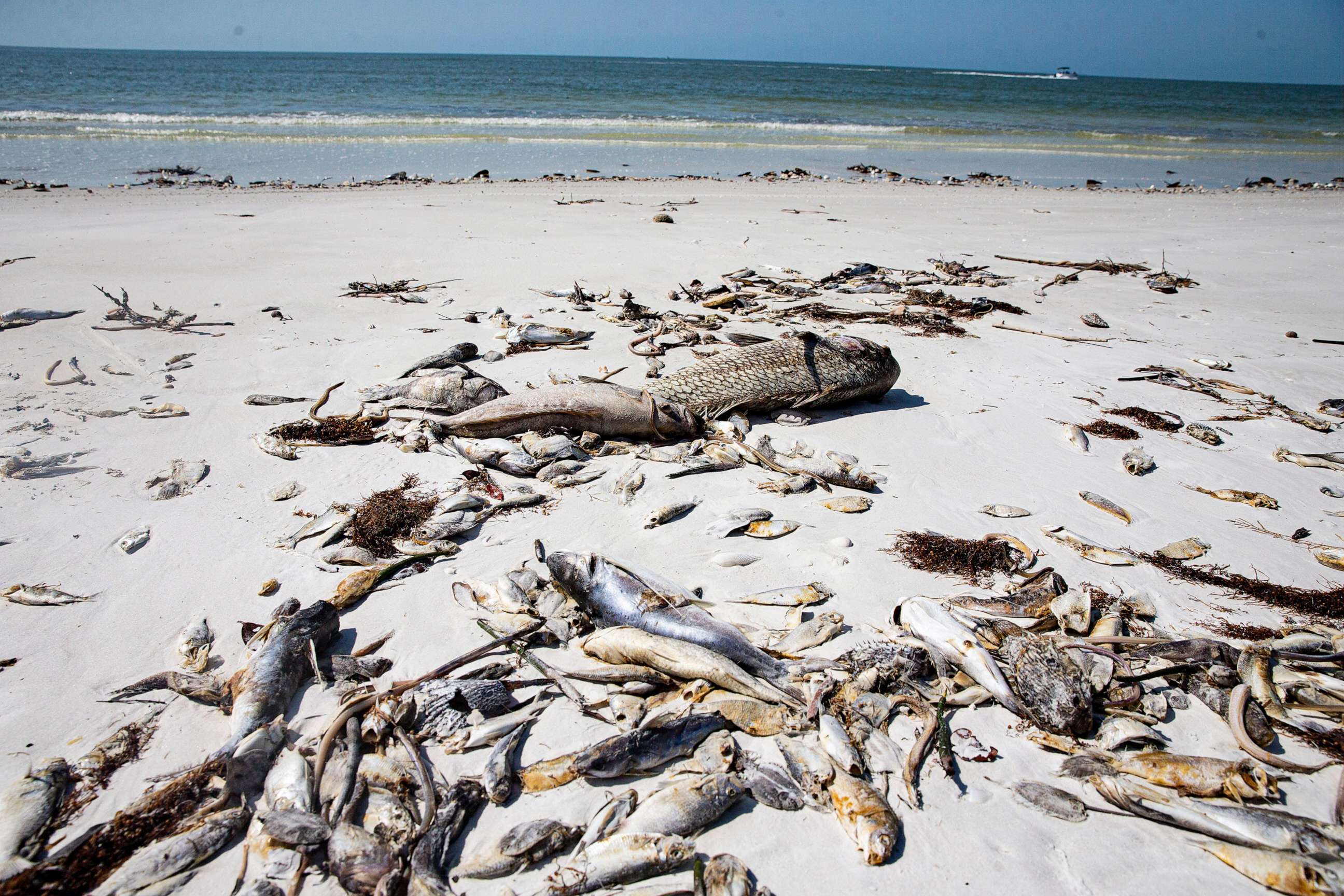
During a moderate to high red tide, beaches may be affected by dead fish washing ashore, strong odors, and potential respiratory discomfort. This can lead to:
- Reduced Beach Attendance: Visitors may opt for other destinations or indoor activities if beach conditions are poor.
- Cancellation of Water-Based Activities: Fishing charters, dolphin tours, and other marine excursions might be suspended or rescheduled.
- Impact on Coastal Businesses: Restaurants, hotels, and retail shops reliant on beach traffic can experience a downturn.
However, it’s crucial to note that red tide conditions can fluctuate rapidly. A beach that is affected one day might be clear the next, or the bloom might be concentrated in specific areas, leaving other stretches of coastline unaffected.
Adapting Your Travel Plans
For travelers planning a visit to Naples, Florida during a period when red tide is a concern, flexibility and informed planning are key:
- Monitor Reports Closely: Continuously check the latest red tide advisories leading up to and during your trip.
- Consider Alternative Activities: Naples, Florida offers a wealth of attractions beyond its beaches, including:
- Shopping and Dining: Explore the renowned boutiques on Fifth Avenue South and Third Street South.
- Cultural Institutions: Visit the Naples Art Institute or the Baker Museum.
- Nature Preserves: Explore inland natural areas like the Corkscrew Swamp Sanctuary or the Naples Botanical Garden, which are typically unaffected by red tide.
- Inland Waterways: Kayaking or paddleboarding in mangrove tunnels or bays that are less exposed to the open Gulf can still be enjoyable.
- Communicate with Accommodations: Hotels and resorts in Naples, Florida are accustomed to managing guest concerns during red tide events and can often provide up-to-date local information and suggest alternative activities.
Red Tide and Marine Life
The ecological impact of red tide is a significant concern, particularly for the rich biodiversity of the Gulf of Mexico.
Fish Kills and Ecosystem Disruption
When Karenia brevis blooms intensify, the toxins they produce can be lethal to fish, leading to widespread fish kills. This not only affects the aesthetic appeal of the beaches but also has ripple effects throughout the marine food web. Dead marine life can accumulate on shorelines, further impacting recreational activities and creating an unpleasant environment.
Impact on Other Marine Animals
Beyond fish, other marine animals can also be affected by red tide. Sea turtles, manatees, and dolphins that consume contaminated fish or are exposed to high concentrations of toxins can become ill or die. This underscores the broader ecological implications of these blooms.
Conclusion: Navigating Red Tide in Naples
The presence of red tide in Naples, Florida is a variable that travelers and residents must be aware of. While it can present challenges, it does not necessarily mean the end of an enjoyable visit or a disrupted lifestyle.
By staying informed through reliable sources, maintaining flexibility in travel plans, and exploring the diverse range of activities available both on and off the water, visitors can still experience the beauty and charm of Naples, Florida. The resilience of the community and the vast natural and cultural offerings of the region mean that even during a red tide, the allure of this Gulf Coast gem remains. The key is preparedness and a willingness to adapt, ensuring that the magic of Southwest Florida can still be savored.
LifeOutOfTheBox is a participant in the Amazon Services LLC Associates Program, an affiliate advertising program designed to provide a means for sites to earn advertising fees by advertising and linking to Amazon.com. Amazon, the Amazon logo, AmazonSupply, and the AmazonSupply logo are trademarks of Amazon.com, Inc. or its affiliates. As an Amazon Associate we earn affiliate commissions from qualifying purchases.