
Securing a Florida fishing license is an essential first step for anyone looking to cast a line in the Sunshine State’s abundant waters. Whether you’re a seasoned angler targeting trophy bass in the freshwater marshes or a novice hoping to snag a snapper from the Gulf, understanding the licensing process ensures a smooth and legal fishing experience. This guide will navigate you through the options for obtaining your license, the types of licenses available, and key considerations for fishing in Florida.
Understanding Florida Fishing Licenses
The Florida Fish and Wildlife Conservation Commission (FWC) oversees all recreational saltwater and freshwater fishing regulations in the state. A valid fishing license is required for any person who fishes, except for certain exemptions. These exemptions typically apply to Florida residents who are under 16 years of age, 65 years of age or older, or are receiving certain disability benefits. Additionally, specific days throughout the year, known as “License-Free Fishing Days,” allow individuals to fish without a license. It’s crucial to check the FWC website for the most current exemption information and scheduled License-Free Fishing Days.
Types of Fishing Licenses
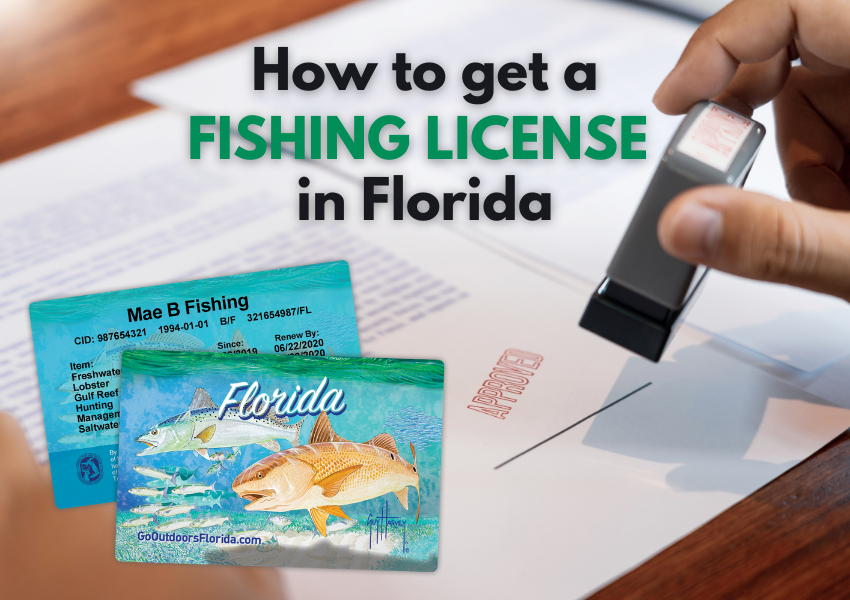
Florida offers a variety of fishing licenses tailored to different needs and durations. Understanding these options will help you choose the most suitable license for your fishing adventure.
Resident Licenses
For Florida residents, there are several options:
- Freshwater Fishing Licenses: These are required for fishing in freshwater bodies. Options include annual licenses, 1-year, 3-year, and lifetime licenses.
- Saltwater Fishing Licenses: Necessary for fishing in saltwater environments. Similar to freshwater licenses, annual, 1-year, 3-year, and lifetime options are available.
- Combination Licenses: These offer a cost-effective solution for anglers who enjoy both freshwater and saltwater fishing. They typically cover both types of fishing with a single purchase.
- Fishing Stamped Licenses: Certain types of fishing may require additional “stamps” or endorsements. For instance, if you plan to pursue specific species like tarpon, bonefish, permit, or snook, you may need to purchase an additional stamp. These are usually added to your base fishing license.
Non-Resident Licenses
Visitors to Florida will need non-resident licenses. These are generally more expensive than resident licenses and come in various durations:
- Annual Non-Resident Fishing License: This is a good option if you plan to fish multiple times during your stay.
- Short-Term Non-Resident Licenses: For shorter trips, the FWC offers 1-day, 3-day, 7-day, and 3-month non-resident licenses. These are ideal for vacationers who want to enjoy a few days of fishing without committing to an annual license.
- Non-Resident Saltwater and Freshwater Licenses: Similar to resident licenses, you can purchase separate saltwater and freshwater licenses, or a combination license.
Special Licenses and Permits
Beyond the standard licenses, there are special permits and licenses to consider:
- Sport Fishing Licenses: These are designed for individuals who fish for sport and may include benefits or cover specific types of fishing.
- Commercial Fishing Licenses: These are for individuals or businesses engaged in the commercial harvesting of fish and have a different set of requirements and regulations. This guide focuses on recreational fishing.
- Private Sale Permits: For certain types of fishing, like using trotlines or nets, specific permits might be necessary.
Where to Purchase Your Florida Fishing License
Florida has made purchasing a fishing license convenient with multiple accessible channels.
Online Purchase
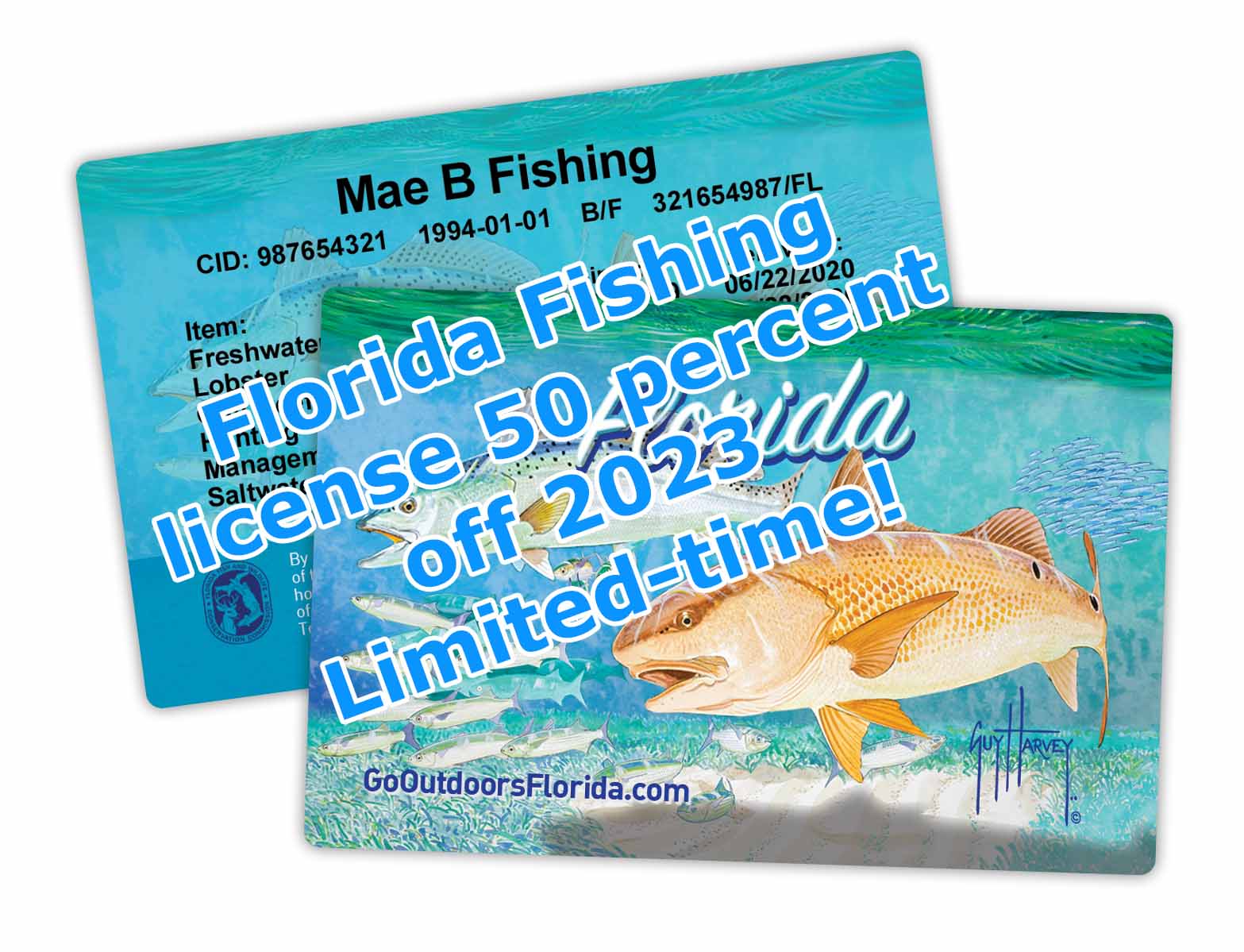
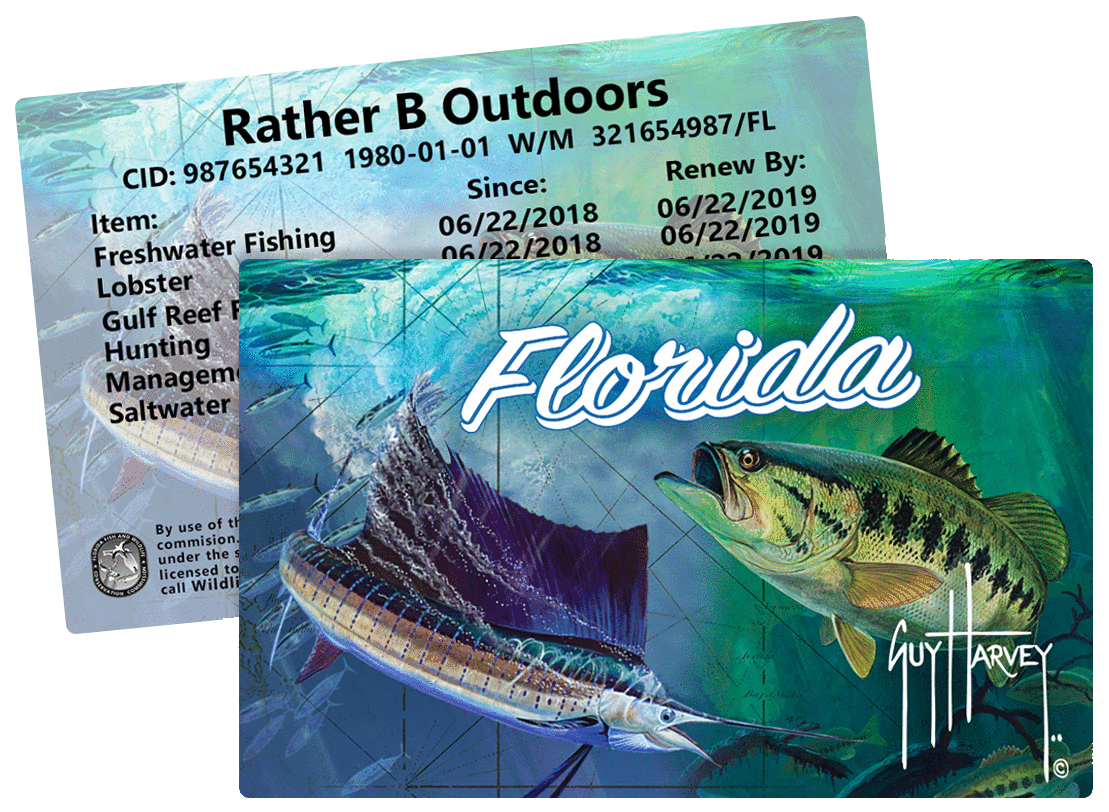
The most straightforward and often quickest way to obtain your license is through the official FWC website. The online portal is user-friendly, allowing you to select the appropriate license type, enter your personal information, and complete the transaction securely. Once purchased, you can often print a temporary license immediately, which is valid until your official plastic card arrives by mail. This is an excellent option for planning your trip in advance or for those who prefer the convenience of digital transactions.
In Person
For those who prefer an in-person experience or need immediate licensing, several brick-and-mortar locations offer fishing licenses.
- County Tax Collector Offices: Most county tax collector offices throughout Florida are authorized to sell hunting and fishing licenses. This is a widely available option, especially if you are already visiting a county office for other administrative tasks.
- Licensed Retailers: Many bait and tackle shops, sporting goods stores, and other retail establishments are authorized by the FWC to sell fishing licenses. These locations can be particularly convenient when you’re already geared up for a fishing trip. Examples include stores like Walmart and Academy Sports + Outdoors. When visiting these retailers, inquire at the customer service desk or the sporting goods section.
- FWC Regional Offices: While not as numerous as retail locations, some FWC regional offices may also sell licenses.
By Phone
For individuals who prefer to speak with a representative, licenses can sometimes be purchased over the phone. Contacting the FWC directly is the best way to determine if this option is available and to get the correct phone number.
Key Considerations for Your Fishing License
Beyond simply acquiring the license, there are several important details to keep in mind to ensure compliance and maximize your fishing enjoyment.
Validity and Renewal
Fishing licenses have expiration dates. It is your responsibility to be aware of when your license expires and to renew it before engaging in any further fishing activities. The FWC typically sends renewal reminders, but it’s always wise to keep your license’s expiration date noted. For lifetime licenses, no renewal is necessary, offering a perpetual solution for avid anglers.
Carrying Your License
While many licenses are now digital or can be printed, you are generally required to have your fishing license in your possession while fishing. This typically means having a printed copy or a digital version accessible on your smartphone. Enforcement officers may ask to see your license at any time, so ensure it is readily available.
Understanding Regulations
A fishing license grants you the privilege to fish, but it does not absolve you from adhering to all fishing regulations. These regulations cover aspects such as:
- Bag Limits: The maximum number of a specific species you can keep.
- Size Limits: Minimum or maximum lengths for certain fish species.
- Seasons: Specific times of year when certain species can be caught.
- Gear Restrictions: Limitations on the types of fishing gear you can use.
- Protected Areas: Zones where fishing may be prohibited or restricted.
The FWC publishes detailed fishing regulations for both freshwater and saltwater. It is imperative to familiarize yourself with these rules, which can be found on their website or in printed guides. Ignorance of the regulations is not a valid defense against violations.
Fishing Licenses for Specific Activities
Depending on your chosen fishing method and location, you might need additional permits or licenses beyond a standard fishing license. For example:
- Saltwater Fishing Piers: While a saltwater fishing license is generally required, some specific piers might have their own regulations or fees.
- Boating and Fishing: If you plan to fish from a boat, ensure you comply with all boating safety regulations in addition to fishing license requirements.
- Special Permits for Certain Species: As mentioned earlier, targeting species like tarpon or bonefish often requires specific stamps or permits in addition to your base fishing license.
Maximizing Your Florida Fishing Experience
With your fishing license secured and regulations understood, you’re ready to explore the incredible fishing opportunities Florida has to offer. From the famed bass-filled lakes of the Everglades to the vibrant coral reefs teeming with marine life off the coast of the Keys, the state provides a diverse range of fishing environments.
Consider exploring guided fishing tours. Experienced local guides can provide invaluable knowledge about the best fishing spots, techniques, and ensure you have the right equipment. They can also assist with any specific licensing requirements for their charter. Many resorts and lodges in popular fishing destinations like Orlando or along the coast offer fishing packages that may include license assistance or guided excursions.
Remember to respect the marine environment and practice responsible angling. This includes proper catch and release techniques for any fish you do not intend to keep, minimizing your impact on fish populations, and leaving your fishing spots cleaner than you found them.
By taking the time to understand and obtain the correct Florida fishing license, you are setting yourself up for a rewarding and memorable fishing adventure. Enjoy the thrill of the catch and the beauty of Florida’s natural waterways.
LifeOutOfTheBox is a participant in the Amazon Services LLC Associates Program, an affiliate advertising program designed to provide a means for sites to earn advertising fees by advertising and linking to Amazon.com. Amazon, the Amazon logo, AmazonSupply, and the AmazonSupply logo are trademarks of Amazon.com, Inc. or its affiliates. As an Amazon Associate we earn affiliate commissions from qualifying purchases.