
Navigating the Florida school system, whether for a new resident family or a student attending a unique academic program, often brings forth a set of administrative requirements. Among the most fundamental is understanding the state’s immunization mandates. These requirements are in place to ensure the health and safety of all students within the school environment, safeguarding against the spread of preventable diseases. This guide delves into the specific vaccinations required for children entering schools in the Sunshine State, from kindergarten through twelfth grade.
Understanding Florida’s Immunization Requirements
Florida statutes, specifically Chapter 1003.22, outline the compulsory immunizations for children attending public and private schools, as well as for children receiving home education programs. The goal is to create a protected community, a principle particularly vital in educational settings where close proximity is common. The Florida Department of Health is the primary authority that sets and updates these guidelines, working in conjunction with federal recommendations from the Centers for Disease Control and Prevention (CDC).
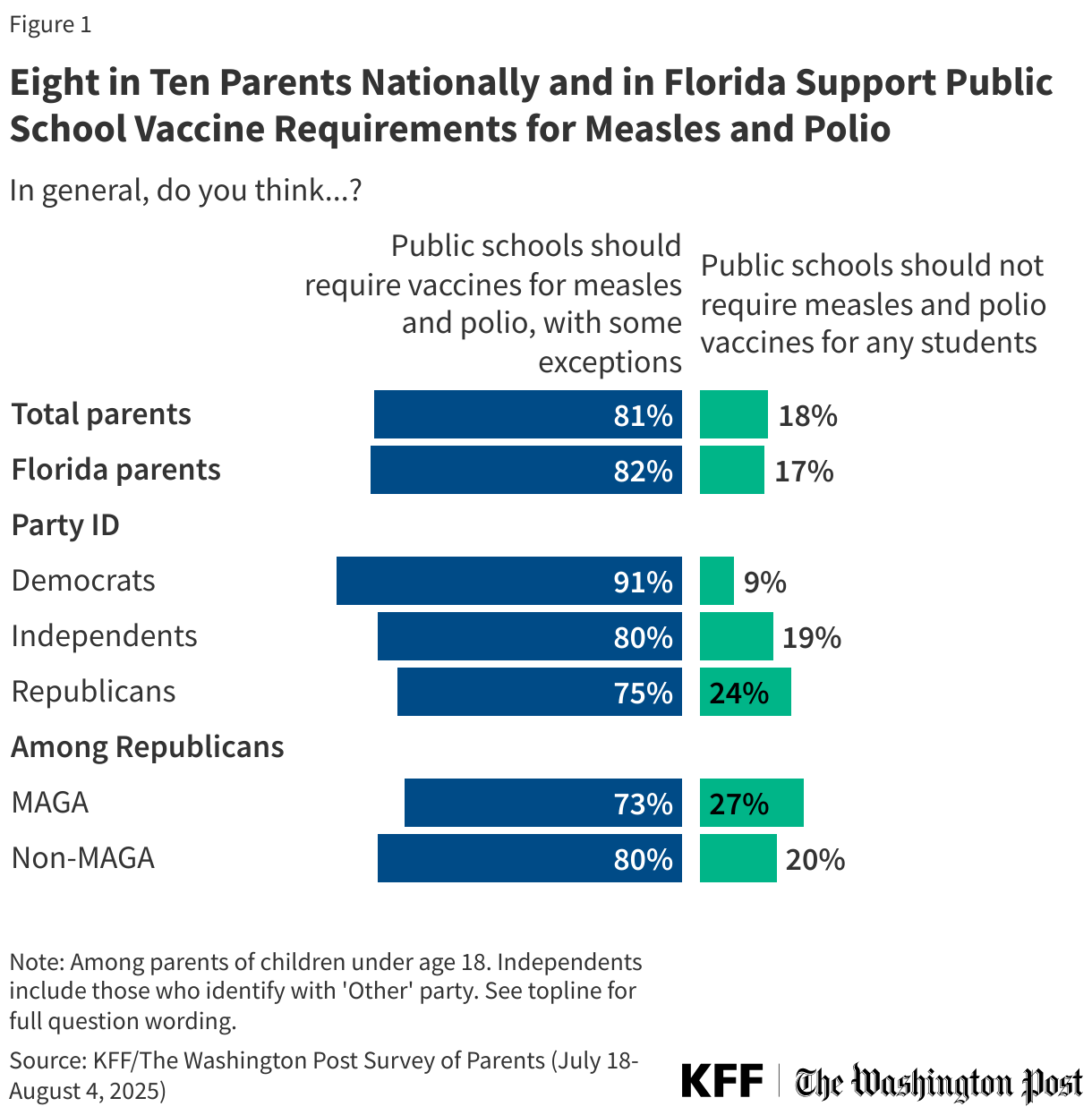
The Importance of a Protected Learning Environment
Vaccinations have been a cornerstone of public health for decades, drastically reducing the incidence of serious and potentially deadly infectious diseases. In schools, this collective immunity, known as herd immunity, is crucial. When a high percentage of the student population is vaccinated, it becomes significantly harder for diseases to spread, thereby protecting not only vaccinated children but also those who cannot be vaccinated due to medical reasons (such as infants, immunocompromised individuals, or those with severe allergies to vaccine components).
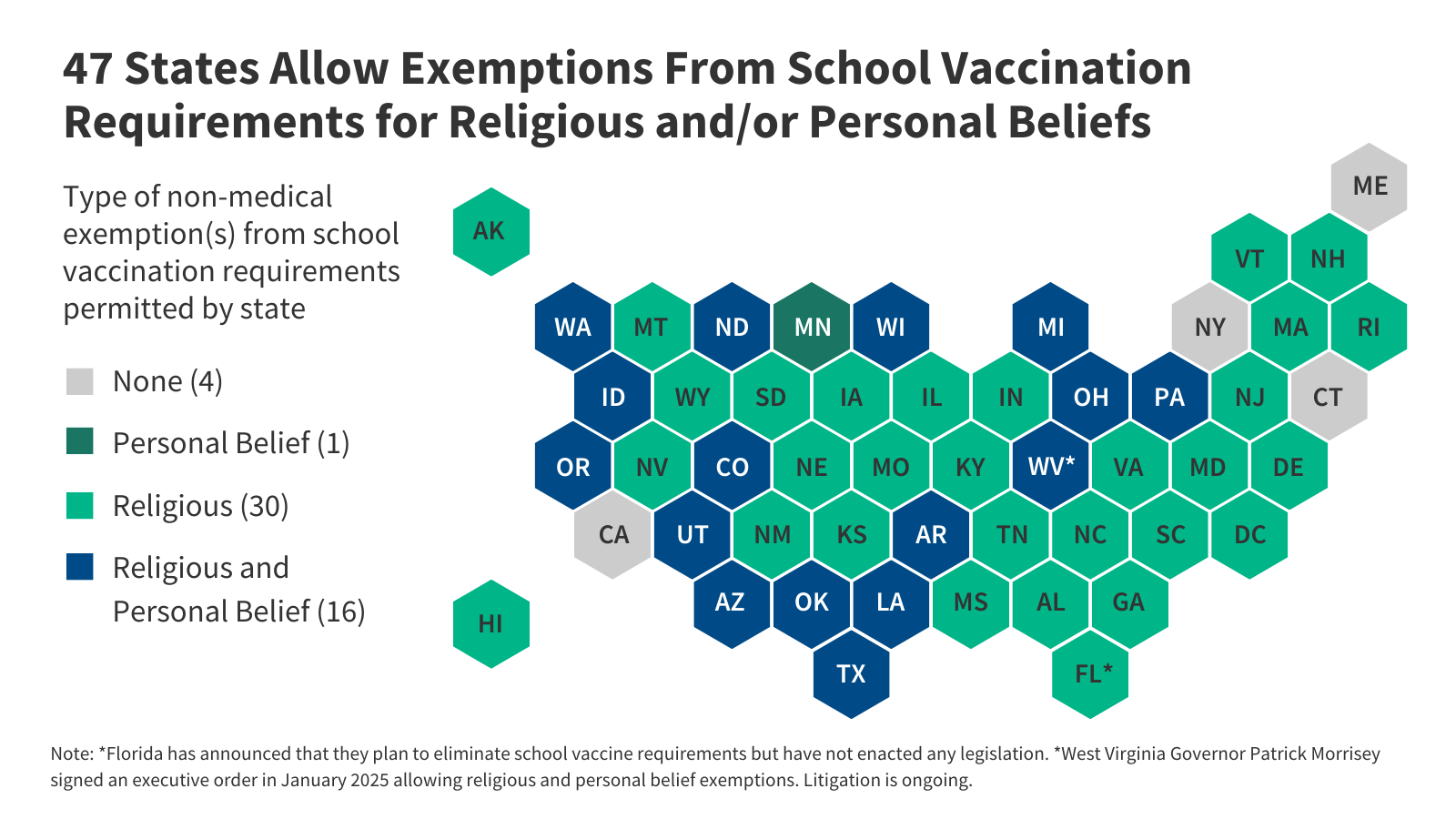
Medical and Religious Exemptions
While the state mandates a comprehensive vaccination schedule, Florida law does provide for exemptions under specific circumstances.
- Medical Exemptions: A medical exemption may be granted if a child has a contraindication to a vaccine, meaning a medical condition that makes receiving the vaccine unsafe. This exemption must be documented by a licensed physician and submitted to the school. The specific medical reasons for exemption are carefully reviewed.
- Religious Exemptions: Florida law also allows for religious exemptions. Parents who object to vaccinations based on sincerely held religious beliefs can submit a sworn statement to the school. This exemption does not require physician documentation but must be a genuine religious conviction.
It is important for parents to understand that these exemptions are not for convenience and must meet the legal criteria established by the state. The school or district will require proper documentation for any exemption claimed.
Specific Vaccines Required for School Entry
The vaccination schedule in Florida aligns with national recommendations and typically requires a series of doses administered at specific ages. These are generally categorized by the type of vaccine and the diseases they prevent.
Vaccines Required for Kindergarten Through 12th Grade
The following vaccines are generally required for children entering kindergarten and continuing through twelfth grade. It’s important to note that specific grades or age brackets may have slightly different requirements or booster doses.
-
DTaP/DT (Diphtheria, Tetanus, and Pertussis):
- DTaP (Diphtheria, Tetanus, and acellular Pertussis): A series of five doses is typically required. The first four doses are usually given in early childhood, with the fifth dose administered between ages 4 and 6 years.
- DT (Diphtheria and Tetanus): This is for children who have completed their DTaP series but may need a booster.
- Tdap (Tetanus, Diphtheria, and acellular Pertussis): A booster dose of Tdap is required for students entering 7th grade. This booster provides continued protection against pertussis, which can wane over time.
- Tetanus and Diphtheria (Td): If a student has received the Tdap booster for 7th grade, subsequent boosters for tetanus and diphtheria are typically recommended every 10 years.
-
Polio (IPV – Inactivated Poliovirus Vaccine):
- A series of four doses is generally required. The first three doses are typically given in infancy and early childhood, with the final dose administered between ages 4 and 6 years.
-
MMR (Measles, Mumps, and Rubella):
- Two doses of the MMR vaccine are required. The first dose is typically given between 12 and 15 months of age, and the second dose is given between 4 and 6 years of age. Many schools also require two doses for entry into kindergarten.

-
Hepatitis B (HepB):
- A series of three doses is generally required. The doses are administered at specific intervals throughout the first year of life and into early childhood.
-
Varicella (Chickenpox):
- Two doses of the varicella vaccine are required. The first dose is typically given between 12 and 15 months of age, and the second dose is given between 4 and 6 years of age. Alternatively, a healthcare provider’s written documentation of having had chickenpox can serve as proof of immunity.
Additional Vaccines for Specific Grades or Situations
-
Meningococcal Conjugate Vaccine (MenACWY):
- This vaccine is typically required for students entering 7th grade, with a second dose recommended at age 16 or upon entering 11th grade. This protects against certain strains of Neisseria meningitidis, a bacterium that can cause meningitis and other serious infections.
-
Human Papillomavirus (HPV) Vaccine:
- While not universally mandated for all grades, the Florida Department of Health recommends the HPV vaccine series for all children starting at age 11 or 12. This series is designed to protect against HPV infections that can lead to various cancers. Some private schools or specific programs might have different stances or recommendations.
Documentation and Compliance
To ensure compliance with Florida school immunization laws, parents or guardians must provide a completed immunization record, known as the “Florida Certificate of Immunization” (Form DH 680). This form is typically completed by a healthcare provider who administers the vaccines.
Obtaining and Submitting the Immunization Certificate
- Healthcare Provider: The most common way to obtain Form DH 680 is through your child’s pediatrician or family doctor. They will have the official form and will record the vaccine history.
- County Health Department: If you do not have a regular healthcare provider or if your child received vaccines at a public health clinic, you can also obtain the certificate from your local Florida county health department.
- School Nurse or Administration: Schools will require this document during the enrollment process. It’s essential to submit it as early as possible to avoid any delays in your child’s school attendance. Some districts may have online portals for submitting these records.
The Role of the School and Health Department
Schools are responsible for maintaining student immunization records and ensuring compliance with state law. They will review the submitted certificates to verify that all required vaccinations have been met or that a valid exemption is on file. The Florida Department of Health provides resources and support to schools in managing these requirements.
Preparing for Enrollment
As you prepare your child for school in Florida, it’s advisable to review their vaccination records well in advance of the school year’s start.
Proactive Health Management
- Schedule Appointments Early: If your child is due for any vaccinations or booster shots, schedule appointments with your pediatrician as soon as possible. Vaccine availability can sometimes be a factor, so planning ahead is key.
- Consult Your Doctor: Discuss your child’s immunization history with your pediatrician. They can help you understand exactly which vaccines are needed and when. They are also the best resource for any questions regarding vaccine safety and efficacy.
- Keep Records Organized: Maintain a personal copy of your child’s immunization records in a safe place. This will be invaluable for future school enrollments, college applications, or other needs.
Understanding School-Specific Policies
While state law sets the minimum requirements, individual school districts or private institutions may have specific procedures for record-keeping and submission. It is always a good practice to check the specific enrollment guidelines provided by the school your child will be attending. Some schools might also host immunization clinics or provide information on local resources for low-cost or free vaccinations for eligible families.
Ensuring your child is up-to-date on all required vaccinations is a critical step in their educational journey in Florida. It not only fulfills a legal obligation but, more importantly, contributes to a healthier and safer learning environment for everyone.
LifeOutOfTheBox is a participant in the Amazon Services LLC Associates Program, an affiliate advertising program designed to provide a means for sites to earn advertising fees by advertising and linking to Amazon.com. Amazon, the Amazon logo, AmazonSupply, and the AmazonSupply logo are trademarks of Amazon.com, Inc. or its affiliates. As an Amazon Associate we earn affiliate commissions from qualifying purchases.