
The allure of Florida, often dubbed the Sunshine State, is undeniable. Millions flock to its pristine beaches, vibrant cities, and world-class attractions annually, seeking warmth, adventure, and relaxation. However, a question occasionally surfaces, casting a shadow on this idyllic image: “Is the state of Florida sinking?” For the discerning traveler, understanding the reality behind this narrative is crucial, not only for peace of mind but also for appreciating the state’s unique geological features and the proactive measures being taken to preserve its future as a premier travel destination.
Understanding the Florida Narrative: Myth vs. Reality for Travelers
The notion of Florida sinking is rooted in a blend of geological realities and climate science, often sensationalized but rarely fully explained in a travel context. It’s not about the state vanishing overnight, but rather a complex interplay of factors that coastal regions worldwide contend with. For travelers, distinguishing between alarmist headlines and scientific realities is key to planning an informed and enjoyable trip.
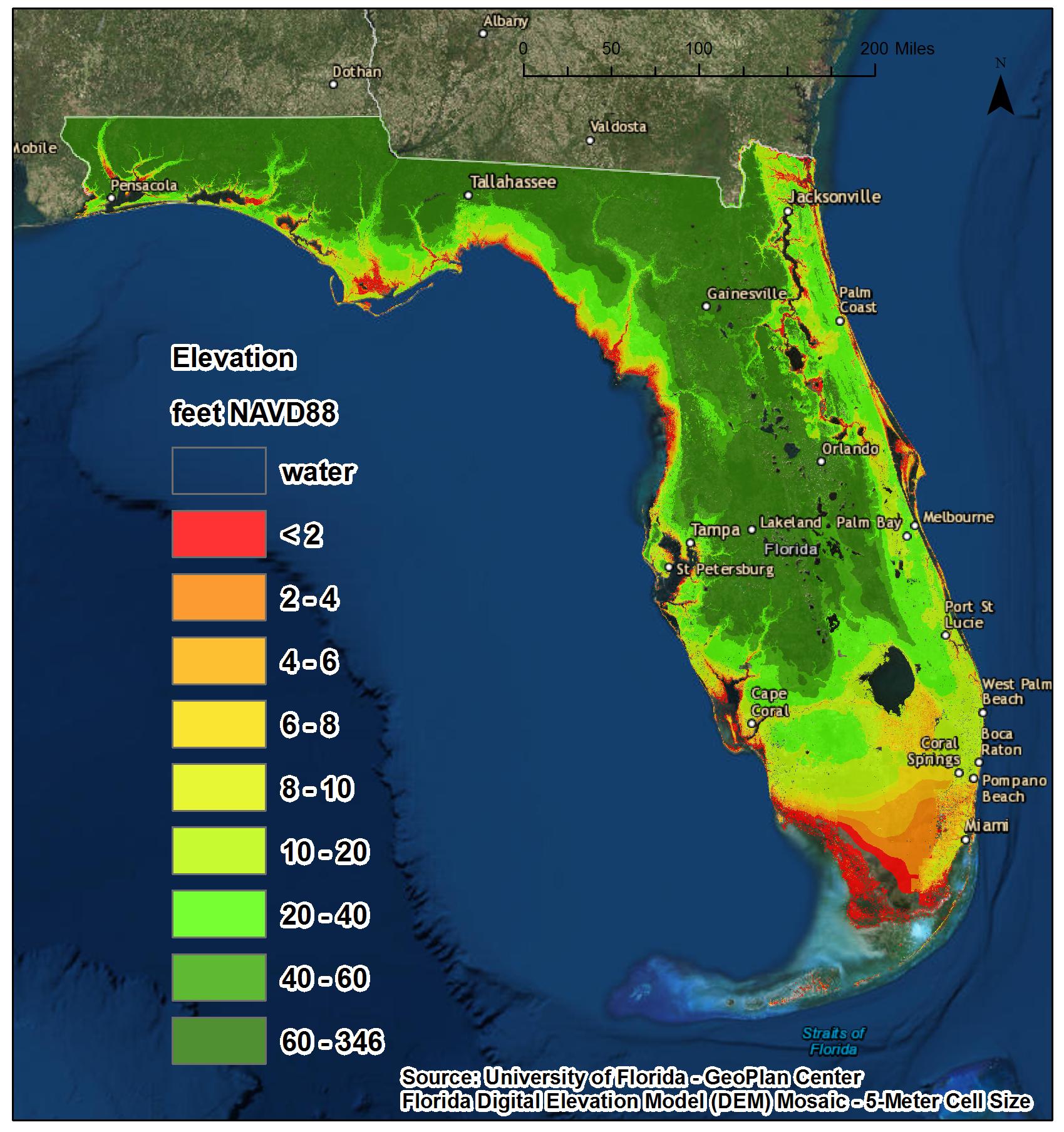
Geological Context: Florida’s Karst Topography and Sea Level Rise
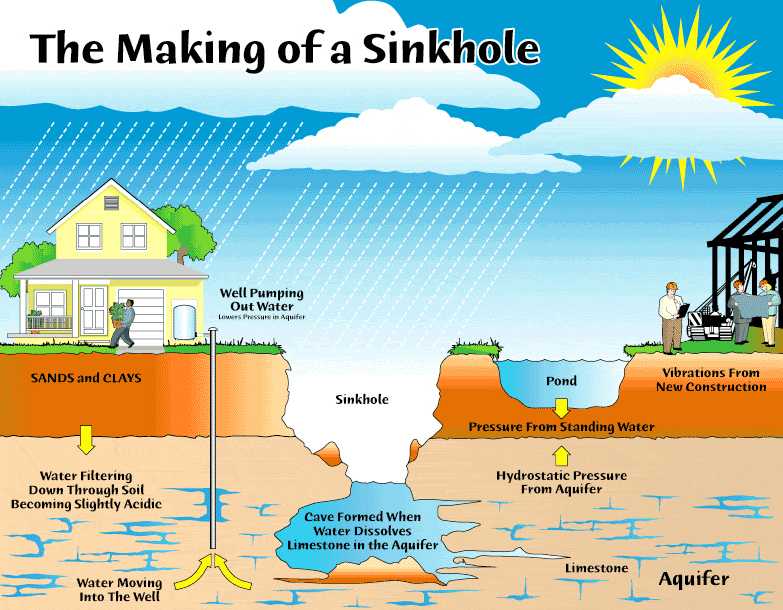
At its core, much of Florida sits on a foundation of porous limestone, a characteristic known as karst topography. This geological makeup means that the land is riddled with underground caves, sinkholes, and permeable rock formations. While beautiful, giving rise to stunning springs and cenotes, it also makes the land more susceptible to subsidence in certain areas. This natural process, where land gradually sinks, is distinct from the more widely discussed phenomenon of sea level rise.
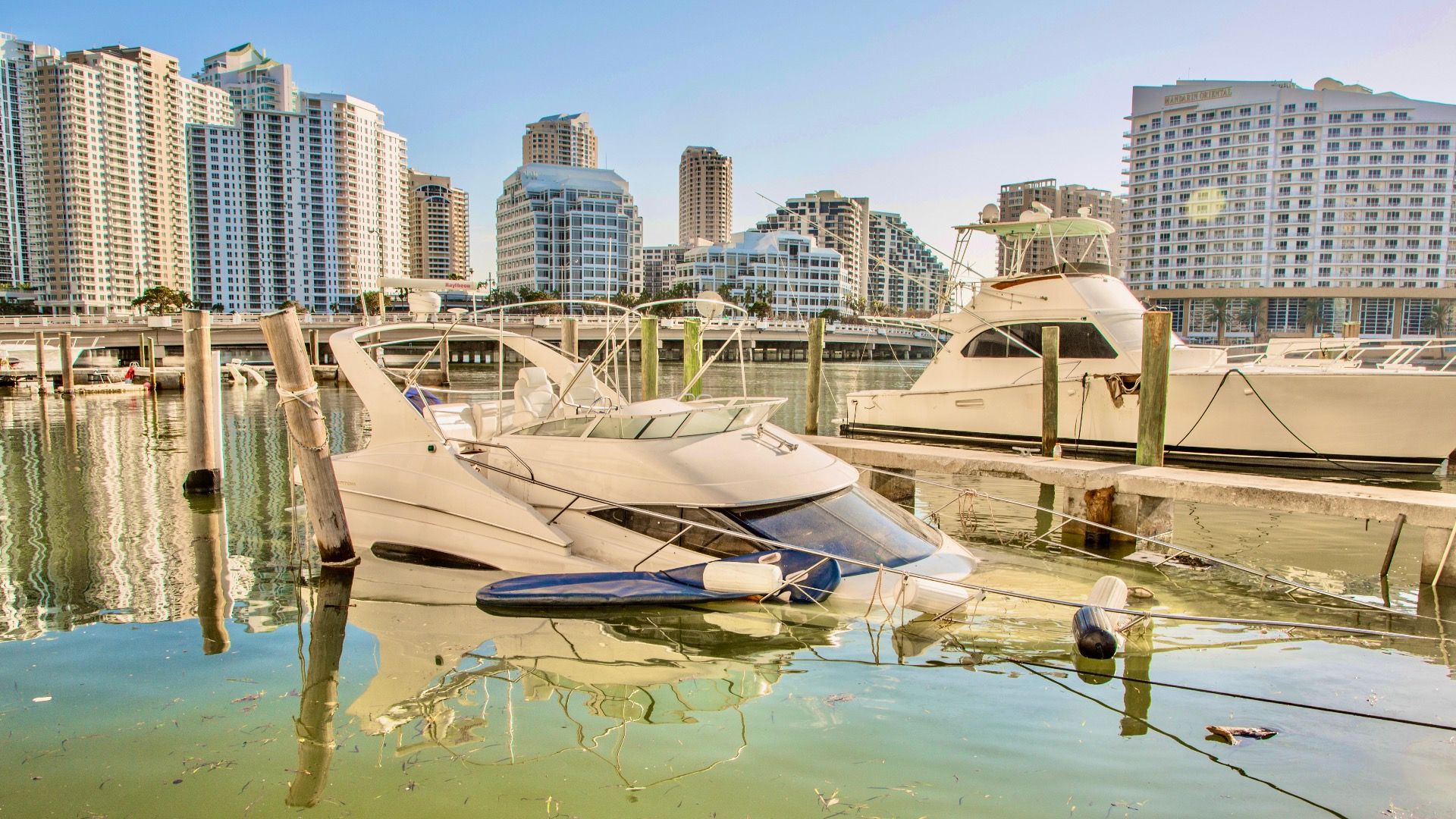
Sea level rise, primarily driven by thermal expansion of ocean water and melting ice caps, is a global challenge. For a low-lying peninsula like Florida, bordered by the Atlantic Ocean to the east and the Gulf of Mexico to the west, even small increases can have noticeable impacts. Higher sea levels exacerbate coastal erosion, increase the frequency and intensity of tidal flooding (often termed “king tides”), and contribute to saltwater intrusion into freshwater aquifers. These are observable changes, particularly in coastal urban centers like Miami and Fort Lauderdale.
It’s important to differentiate: the land itself isn’t uniformly “sinking” into the ocean in a dramatic fashion. Rather, it’s a combination of natural geological processes and the effects of a rising sea, leading to an effective loss of land elevation relative to the ocean. This nuanced understanding allows travelers to appreciate the environmental context without succumbing to unwarranted fear.
Media Portrayals and Traveler Concerns
News cycles often highlight the most dramatic aspects of these environmental challenges, leading to understandable concerns among prospective visitors. Images of flooded streets in South Florida or discussions of disappearing coastlines can deter those planning a beach vacation or an urban escape. However, these portrayals, while accurate in their specific context, rarely tell the whole story of Florida’s resilience, adaptation strategies, and the vast majority of its experiences that remain unaffected by these issues on a day-to-day basis. Travelers concerned about their plans should seek out reputable scientific reports and local tourism board information, which often provide a more balanced perspective on specific destinations.
The Impact on Florida’s Beloved Destinations
The practical implications of sea level rise and geological subsidence vary significantly across Florida’s diverse regions. While some areas face more immediate challenges, many iconic destinations continue to thrive, implementing strategies to ensure their longevity and appeal.
Coastal Cities and Beachfront Resorts
Coastal jewels like Miami, Fort Lauderdale, Key West, Sarasota, and Tampa are at the forefront of experiencing the effects of sea level rise. Visitors to these areas might notice enhanced infrastructure designed to mitigate flooding, such as raised roads, upgraded stormwater systems, and seawalls. Beach nourishment projects are common, where sand is pumped onto eroded beaches to maintain their width and protect coastal properties.
For travelers, this means that while the occasional “king tide” might cause temporary disruptions in low-lying areas, particularly during certain lunar cycles, the vast majority of hotels, restaurants, and attractions operate normally. Resorts along South Florida’s coast, for instance, are increasingly incorporating resilient design into new constructions and renovations, ensuring guest comfort and safety. Exploring neighborhoods like Miami Beach reveals a city actively investing in its future, making it a dynamic place to witness urban adaptation in action.
Inland Wonders: Orlando’s Theme Parks and Natural Springs
Moving inland, destinations like Orlando, home to world-renowned attractions such as Walt Disney World Resort and Universal Studios Florida, are largely unaffected by immediate sea level rise. These massive entertainment complexes are situated at higher elevations and are built with extensive infrastructure that accounts for various environmental factors, including heavy rainfall common to Central Florida. Travelers planning visits to these theme parks can do so with confidence, knowing their experiences will remain as magical and seamless as ever.
Florida’s natural springs, found predominantly in Central and North Florida, are another inland treasure. While saltwater intrusion into aquifers is a concern statewide, many of these springs, fed by deep underground systems, remain vibrant ecosystems offering unique opportunities for swimming, snorkeling, and diving. Visitors can continue to explore these crystal-clear waters, supporting local conservation efforts that aim to protect these vital freshwater sources.
The Everglades National Park and its Vulnerability
The Everglades National Park, a UNESCO World Heritage site and a crucial wetland ecosystem, represents a unique case. Its incredibly low elevation and intricate hydrological balance make it particularly vulnerable to sea level rise and saltwater intrusion. The delicate balance of fresh and brackish water that supports its diverse wildlife, including alligators, panthers, and countless bird species, is directly threatened.
For eco-tourists and nature enthusiasts, visiting the Everglades is an opportunity to witness a fragile ecosystem and support its preservation. Guided airboat tours, kayaking excursions, and hiking trails still offer incredible encounters with wildlife and unparalleled natural beauty. Understanding the park’s vulnerability can enrich the travel experience, fostering a deeper appreciation for conservation efforts underway to restore and protect this unique landscape.
Adapting and Innovating: Florida’s Approach to Sustainable Travel
Far from passively accepting these challenges, Florida is a hub of innovation when it comes to climate resilience and sustainable practices. This proactive stance is crucial for maintaining its status as a top global travel destination.
Infrastructure Resilience and Urban Planning
Cities like Miami are investing billions in comprehensive resilience plans. This includes elevating roads, installing massive pumps to manage stormwater, constructing seawalls, and exploring innovative approaches like permeable pavements and green infrastructure. These projects not only protect existing communities and tourism assets but also shape the future development of coastal areas, ensuring that new constructions are built to higher, more resilient standards. For travelers, this means an increased sense of security and continuity, even in the face of environmental shifts. The focus is on making the tourism experience seamless and protected.
Ecotourism and Conservation Efforts
Beyond urban infrastructure, there’s a growing emphasis on ecotourism and environmental conservation across the state. Organizations and government agencies are working to restore coastal habitats, protect marine life, and manage water resources more effectively. Initiatives like coral reef restoration projects in the Florida Keys or wetland restoration in the Everglades offer travelers opportunities to engage with and contribute to conservation through responsible tourism operators. Choosing tour providers that are certified in sustainable practices or contribute to local environmental organizations allows visitors to directly support the long-term health of Florida’s natural attractions.
Planning Your Florida Trip: What Travelers Need to Know
While the idea of Florida “sinking” is largely an oversimplification, being an informed traveler means understanding the state’s environmental context and how to make the most of your visit.
Best Times to Visit and Preparedness
Florida’s peak tourist season generally runs from late fall to spring, when the weather is cooler and drier. This period typically avoids the hurricane season (June to November) and the hotter, wetter summer months, which can see more frequent thunderstorms and higher tides. While climate change might influence weather patterns, sticking to the traditional shoulder seasons (spring and fall) can offer a balance of good weather and fewer crowds.
Travelers should always be prepared for tropical weather, regardless of the season, especially when visiting coastal areas. This includes checking local forecasts, having travel insurance, and understanding hotel hurricane policies. Reputable accommodations and tour operators are well-versed in guest safety and contingency plans.
Supporting Sustainable Tourism Initiatives
By consciously choosing sustainable options, travelers can play a part in Florida’s resilience. Opt for hotels with green certifications, support local businesses that emphasize environmental stewardship, and participate in ecotourism activities that educate and conserve. Many parks and preserves offer volunteer opportunities or accept donations, allowing visitors to leave a positive impact beyond their footprints. Engaging with local communities and learning about their efforts to adapt can also provide a richer, more meaningful travel experience.
Experiencing the Unique Allure of the Sunshine State
Ultimately, Florida remains an incredibly vibrant and diverse travel destination. Its unique geography, from the coral reefs of the Keys to the swamps of the Everglades and the cultural hubs of Miami and Jacksonville, offers unparalleled experiences. The conversation about its environmental future is an ongoing dialogue, one that shapes how communities and the tourism industry innovate and adapt. By understanding the challenges and recognizing the considerable efforts being made, travelers can continue to explore, enjoy, and support the enduring charm of the Sunshine State for generations to come, recognizing its proactive approach to an evolving landscape.
LifeOutOfTheBox is a participant in the Amazon Services LLC Associates Program, an affiliate advertising program designed to provide a means for sites to earn advertising fees by advertising and linking to Amazon.com. Amazon, the Amazon logo, AmazonSupply, and the AmazonSupply logo are trademarks of Amazon.com, Inc. or its affiliates. As an Amazon Associate we earn affiliate commissions from qualifying purchases.