
The question of safety on the New York subway is a perennial concern for both residents and visitors to the bustling metropolis. As the lifeblood of urban transportation for millions, the subway system, managed by the Metropolitan Transportation Authority (MTA), is an iconic part of the New York experience. However, like any large, complex public transit system in a major global city, it faces its share of challenges, including those related to personal safety. Understanding the nuances of subway safety in New York requires a balanced perspective, acknowledging both the inherent risks and the extensive measures in place to mitigate them. This exploration delves into the realities of navigating the subway, offering insights and practical advice for ensuring a secure journey.
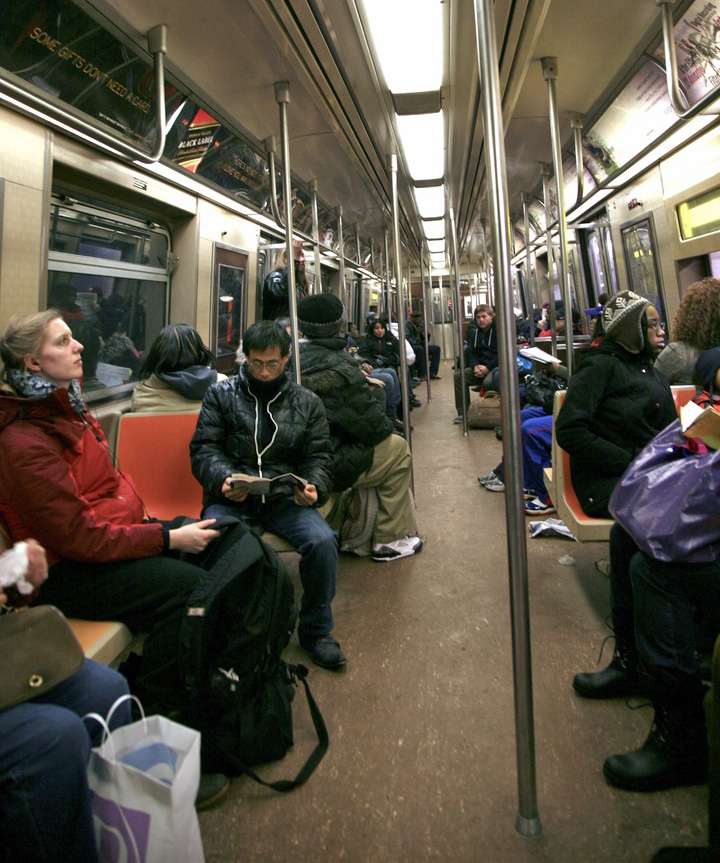
Understanding the Subway Environment
The New York City subway system is an intricate network of over 660 miles of track and 472 stations, serving as a critical artery for the city. Its sheer scale means it’s a microcosm of the city itself, bustling with diverse individuals from all walks of life. While the vast majority of journeys are uneventful, the dense urban environment and the sheer volume of passengers mean that incidents, while statistically rare, can occur. It is crucial to approach the subway not as an inherently dangerous place, but as a public space where vigilance and awareness are key to personal safety.
Statistics and Perceptions
Official crime statistics from the MTA Police Department and the New York City Police Department (NYPD) provide a data-driven view of subway safety. While there can be fluctuations year-over-year, these statistics generally indicate that serious crimes on the subway are relatively low compared to the millions of daily riders. However, public perception of safety can sometimes be influenced by media reports, personal anecdotes, or a general sense of unease in crowded urban spaces. It is important to differentiate between minor disturbances, which can be unsettling, and actual criminal activity. The presence of uniformed officers, both from the MTA and NYPD, as well as transit ambassadors, contributes to a visible security presence designed to deter crime and reassure passengers.
The Scope of the System
The expansive nature of the subway system, stretching across multiple boroughs, means that the environment can vary from station to station and from line to line. Some stations are brightly lit, heavily trafficked, and well-maintained, while others might be older, less populated, or located in areas with higher crime rates. Understanding these variations can inform one’s travel choices and preparedness. For instance, late-night travel on less frequented lines might require a higher degree of caution than during peak hours on a busy Manhattan route like the Lexington Avenue Line.
Strategies for Enhancing Personal Safety
Navigating the New York subway safely is largely about adopting proactive habits and maintaining a heightened sense of awareness. These strategies are not unique to the subway but are general best practices for urban travel that can significantly reduce your vulnerability.
Situational Awareness and Preparedness
The cornerstone of safe transit is being aware of your surroundings. This means paying attention to who is around you, noting unusual behavior, and being mindful of your personal belongings. Avoid distractions such as being engrossed in your phone or wearing headphones at a high volume, which can limit your ability to hear approaching individuals or notice potential threats. Before you even board a train, take a moment to survey the platform. If a platform feels particularly deserted or uninviting, consider waiting on a more populated section or exploring another nearby entrance.
Choosing Your Seat Wisely
When boarding a train, strategic seating can enhance your sense of security. Opting for seats closer to the train operator’s cabin or near the doors can provide a quicker exit if needed and potentially more visibility. Sitting in a car with other passengers, especially families or groups, can also offer a sense of collective security. During off-peak hours, it’s generally advisable to avoid sitting in empty or sparsely populated train cars.
Protecting Your Belongings
Pickpocketing and bag snatching, while not exclusive to the subway, are crimes that can occur in crowded environments. It is essential to keep valuables secure. This means keeping purses and backpacks in front of you, not hanging them on the back of your seat, and being aware of anyone who seems overly interested in your possessions. Utilizing anti-theft bags or wallets can provide an additional layer of security. Avoid displaying expensive items, such as jewelry or electronics, unnecessarily.

Official Safety Measures and Resources
The MTA and various city agencies are committed to ensuring the safety of subway riders. A multi-faceted approach is employed, combining visible presence, technological solutions, and rapid response mechanisms.
Increased Security Presence
In response to public concerns and to deter criminal activity, there has been a significant increase in the presence of law enforcement officers on the subway system. This includes uniformed officers from the MTA Police Department and the NYPD, as well as the deployment of transit ambassadors who are trained to assist passengers and monitor station environments. This visible presence serves as a deterrent to potential offenders and provides a direct point of contact for riders needing assistance or reporting incidents.
Technological Advancements
The subway system is increasingly incorporating technology to enhance safety. This includes the installation of thousands of security cameras across stations and on trains, which aid in monitoring activity and investigating incidents. Real-time communication systems allow for quicker dissemination of information between transit staff, law enforcement, and passengers. Some stations also feature emergency call boxes that connect directly to transit authorities.
Reporting Incidents and Seeking Help
Riders are encouraged to report any suspicious activity or incidents they witness. The MTA provides multiple channels for reporting, including the official MTA Police Department phone number, text-to-report options, and through the official MTA website and app. In case of immediate danger, calling 911 is always the fastest way to get emergency services. Familiarizing yourself with these reporting mechanisms before you need them can be invaluable.
Navigating Specific Situations
While general awareness is key, there are specific situations that might warrant particular attention or preparation when using the New York subway.
Late-Night Travel
Traveling on the subway late at night, especially on weekends or on less busy lines, requires a heightened level of caution. As mentioned earlier, choosing to ride in cars with other passengers and staying alert is crucial. If possible, consider traveling with a companion. Some late-night lines have reduced service, meaning longer waits between trains, further emphasizing the need for vigilance during your wait and on the train.
Traveling with Children or as a Tourist
For families traveling with children, or for tourists unfamiliar with the system, a bit of extra planning can ease concerns. It’s helpful to familiarize yourself with the route and any potential transfers before you begin your journey. Keeping children close and engaged is important. For tourists, understanding basic subway etiquette, such as allowing passengers to exit before boarding and offering seats to the elderly or pregnant individuals, enhances the overall experience and promotes a harmonious environment. While Times Square and other major tourist hubs are generally well-patrolled, maintaining awareness even in these busy areas is always advisable.

Dealing with Unpleasant Encounters
While rare, passengers may encounter individuals exhibiting disruptive or unsettling behavior. In such instances, the best course of action is often to disengage. Avoid direct confrontation. If you feel threatened or unsafe, move to another car or exit the train at the next available stop and seek assistance from transit personnel or other passengers. Your personal safety is paramount, and prioritizing a swift exit or seeking help is always the correct response.
In conclusion, the New York subway system, while a vital and often efficient mode of transportation, is a public space that necessitates mindful navigation. By combining common-sense precautions with an understanding of the available safety measures and resources, riders can significantly enhance their security and enjoy the unique experience of traversing the city beneath its iconic streets. The vast majority of journeys are safe and uneventful, and with a little awareness, your subway travels can be too.
LifeOutOfTheBox is a participant in the Amazon Services LLC Associates Program, an affiliate advertising program designed to provide a means for sites to earn advertising fees by advertising and linking to Amazon.com. Amazon, the Amazon logo, AmazonSupply, and the AmazonSupply logo are trademarks of Amazon.com, Inc. or its affiliates. As an Amazon Associate we earn affiliate commissions from qualifying purchases.