
Exploring Alaska’s Wild Edibles: The Case of Wintergreen
Alaska, often hailed as America’s Last Frontier, presents a unique tapestry of pristine wilderness, vibrant indigenous cultures, and a burgeoning interest in local, sustainable food sources. For the adventurous tourist, the allure of discovering edible treasures amidst the state’s vast landscapes is a compelling aspect of its tourism appeal. From succulent berries to nutrient-rich greens, the Alaskan wild offers a pantry unlike any other. Among the myriad of flora that carpet the forest floors and mountain slopes, wintergreen is a plant that frequently sparks curiosity regarding its edibility. As visitors seek authentic experiences, understanding the local ecology and traditional uses of plants like wintergreen becomes an integral part of their journey. This exploration delves into the specifics of Alaskan wintergreen, its place in the local food landscape, and what tourists need to know before venturing into the realm of wild foraging.

Identifying Wintergreen in the Alaskan Wilderness
Before considering the edibility of any wild plant, accurate identification is paramount, especially in a diverse ecosystem like Alaska. The term “wintergreen” often refers to plants in the genus Gaultheria or Pyrola, both of which have species native to Alaska and are known for their distinctive aroma. Tourists interested in wild edibles should always prioritize safety through proper identification, ideally with the guidance of experienced local naturalists or by consulting reliable field guides specific to the region.
Common Alaskan Wintergreen Species
In Alaska, several plants are commonly referred to as “wintergreen” or share similar characteristics. The most prominent include:
- Gaultheria procumbens (Eastern Teaberry or American Wintergreen): While primarily found in eastern North America, related species like Gaultheria humifusa (Alpine Wintergreen) and Gaultheria hispidula (Creeping Snowberry) can be found in more northern and western regions, including parts of Alaska. These plants are known for their small, shiny, evergreen leaves and often red berries.
- Pyrola species (Shinleaf or Wintergreen): Several species of Pyrola, such as Pyrola asarifolia (Pink Wintergreen) or Pyrola elliptica (Waxflower Shinleaf), are common throughout Alaskan forests. They are characterized by their basal rosettes of evergreen leaves and tall flowering stalks. While often called “wintergreen,” their properties and edibility might differ slightly from the Gaultheria genus.
Key Identification Features
When attempting to identify wintergreen in the Alaskan environment, look for these distinguishing characteristics:
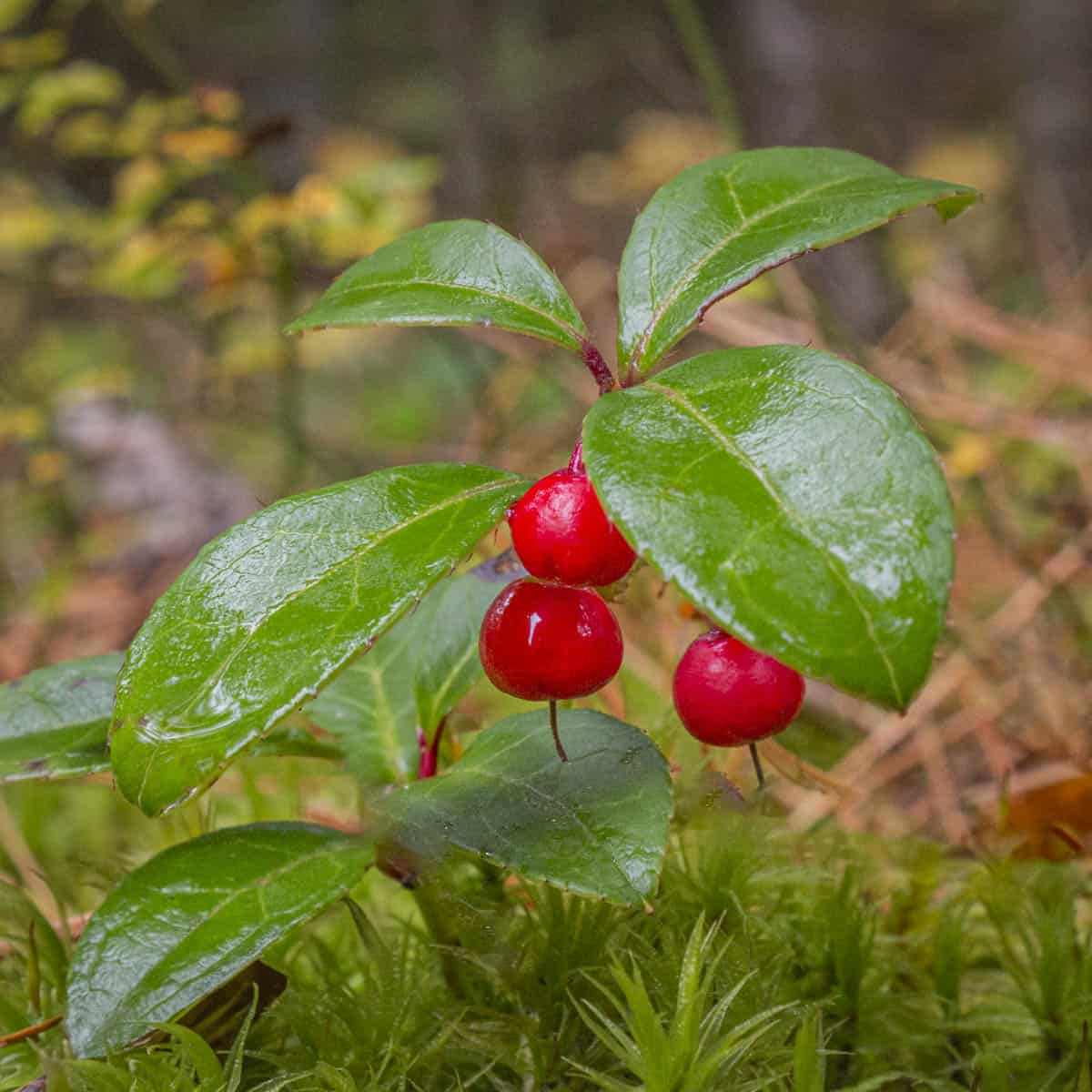
- Leaves: Typically oval or elliptical, dark green, glossy, and leathery, often with a slightly toothed margin. They remain green throughout the winter, hence the name.
- Scent: Perhaps the most definitive characteristic is the strong, distinctive “wintergreen” scent. Crushing a leaf usually releases a powerful, sweet, minty aroma, attributed to methyl salicylate, the compound responsible for the flavor in wintergreen candies and medicines.
- Berries: If present, they are usually bright red, round, and persist through the winter. These berries are often a key indicator for Gaultheria species.
- Habitat: Wintergreen species typically thrive in cool, moist, acidic soils found in coniferous or mixed forests, often under larger trees or in mossy areas.
Foraging tours and educational programs offered by local Alaskan tourism operators frequently include lessons on plant identification, which is invaluable for visitors keen on engaging with the local flora safely and responsibly.
The Edibility Factor: What Tourists Need to Know
To directly answer the question posed by our title: Yes, certain species of wintergreen found in Alaska are considered edible, particularly the leaves and berries of the Gaultheria genus. However, the term “edible” comes with important caveats regarding consumption methods, quantity, and potential interactions.
Flavor Profile and Culinary Uses
The most distinctive feature of wintergreen is its potent, minty, somewhat medicinal flavor, largely due to methyl salicylate.
- Leaves: The fresh leaves can be chewed directly for a refreshing burst of flavor, reminiscent of spearmint or traditional root beer. They can also be used to brew a flavorful tea, either fresh or dried. This “wintergreen tea” has been a traditional beverage in many regions, offering a warming and aromatic experience. In modern Alaskan cuisine, chefs interested in incorporating local ingredients might use finely minced wintergreen leaves sparingly to flavor desserts, wild game marinades, or artisanal cocktails, adding a unique, regional twist.
- Berries: The red berries of Gaultheria species are also edible. They possess a milder wintergreen flavor than the leaves, combined with a slightly mealy texture and a hint of sweetness. Historically, they were eaten raw, often mixed with other berries, or used in pies and jams. For tourists, tasting a few berries directly from the plant, after positive identification, can be a memorable way to connect with the Alaskan landscape.
Medicinal and Traditional Context
Beyond culinary applications, wintergreen has a rich history of medicinal use by various indigenous communities and early settlers, particularly for its analgesic and anti-inflammatory properties. Traditional practices in Alaska might have involved using wintergreen to alleviate aches and pains, fevers, or as a digestive aid. This cultural heritage adds another layer of appreciation for the plant, connecting visitors to the profound knowledge of local communities regarding their natural environment. Some Alaskan artisans create balms or essential oil products featuring wintergreen extract, offering tourists a tangible piece of local tradition.
Important Safety Precautions for Foraging
While edible, wintergreen, particularly its leaves, contains methyl salicylate, which is chemically related to aspirin.
- Moderation is Key: Consuming large quantities of wintergreen leaves or concentrated wintergreen oil can be toxic and lead to salicylate poisoning, especially in individuals sensitive to aspirin or those on blood-thinning medication. Foraging for tourism purposes should always emphasize small, trial quantities.
- Accurate Identification: As stated previously, misidentification is the greatest risk. Always be 100% certain of a plant’s identity before consumption. When in doubt, do not eat it.
- Environmental Contaminants: Be aware of where you are foraging. Avoid plants growing near roadsides, industrial areas, or potential sources of pollution. Alaska’s vast wilderness generally offers pristine environments, but vigilance is always necessary.
- Allergies: As with any food, individuals can have allergic reactions. Start with a very small amount.
- Consult Experts: The safest and most enriching way for tourists to explore edible wild plants in Alaska is by joining guided foraging tours led by certified experts who can ensure accurate identification and discuss safe consumption practices.
Foraging as a Unique Alaskan Tourist Activity
The interest in wild edibles has transformed foraging from a survival skill into a popular niche within eco-tourism and adventure travel. In Alaska, foraging for wintergreen and other native plants offers a profound way to engage with the natural environment and local culture.
Guided Foraging Tours
Many communities and tourism operators across Alaska now offer guided foraging excursions. These tours provide:
- Expert Guidance: Local naturalists and indigenous guides share invaluable knowledge about plant identification, traditional uses, and ecological significance. This ensures safety and enhances the educational value of the experience.
- Immersive Experience: Participants learn to identify plants by sight, smell, and touch, fostering a deeper connection to the Alaskan landscape. These tours often combine foraging with nature walks, wildlife viewing, and discussions about the local ecosystem.
- Cultural Exchange: Guides often share stories of indigenous traditions related to plant use, connecting tourists to the rich heritage of Alaskan communities. This fosters a respectful understanding of the land and its people.
- Culinary Integration: Some tours culminate in a shared meal where foraged ingredients are incorporated, allowing participants to taste the fruits of their labor in a professionally prepared setting.
Incorporating Wild Edibles into Local Cuisine Experiences
Alaskan restaurants and culinary events are increasingly featuring wild-foraged ingredients, including wintergreen, in their menus. Tourists can seek out establishments that pride themselves on “tidewater-to-table” or “forest-to-fork” philosophies. Imagine sipping a locally brewed tea infused with wintergreen or sampling a dessert accented with its unique flavor. These culinary experiences not only offer novel tastes but also support local economies and sustainable practices. Farmers’ markets and specialty food stores in towns like Anchorage, Fairbanks, and Juneau may also offer products like wintergreen-infused syrups, jellies, or essential oils, providing a tangible souvenir of Alaska’s natural bounty.
Sustainable and Ethical Foraging Practices
Responsible tourism dictates that foraging activities adhere to strict ethical guidelines to ensure the preservation of Alaska’s delicate ecosystems. Tourists should be mindful of the “leave no trace” principles:
- Permits and Regulations: Always check if permits are required for foraging in specific areas, especially within national parks, state parks, or private lands.
- Harvest Sustainably: Only take what you need and never strip an area bare. Leave enough plants to ensure their continued growth and reproduction. A general rule of thumb is to only harvest 5-10% of what’s available in a patch.
- Respect Private and Indigenous Lands: Never forage on private property or indigenous lands without explicit permission.
- Avoid Rare or Protected Species: Educate yourself on any protected or endangered plants in the area and ensure they are not inadvertently harvested.
By following these principles, tourists contribute to the long-term health of Alaska’s natural resources, ensuring future generations can also enjoy its wild offerings.
Beyond Wintergreen: A Glimpse into Alaska’s Foraging Bounty
While wintergreen offers a fascinating entry point into Alaska’s edible landscape, the state’s foraging opportunities extend far beyond this single plant. For the curious tourist, the discovery of other wild edibles further enriches the Alaskan experience, weaving local culture, food, and activities into an unforgettable journey.
The temperate rainforests of Southeast Alaska and the vast interior regions yield a wealth of natural foods. Visitors can discover:
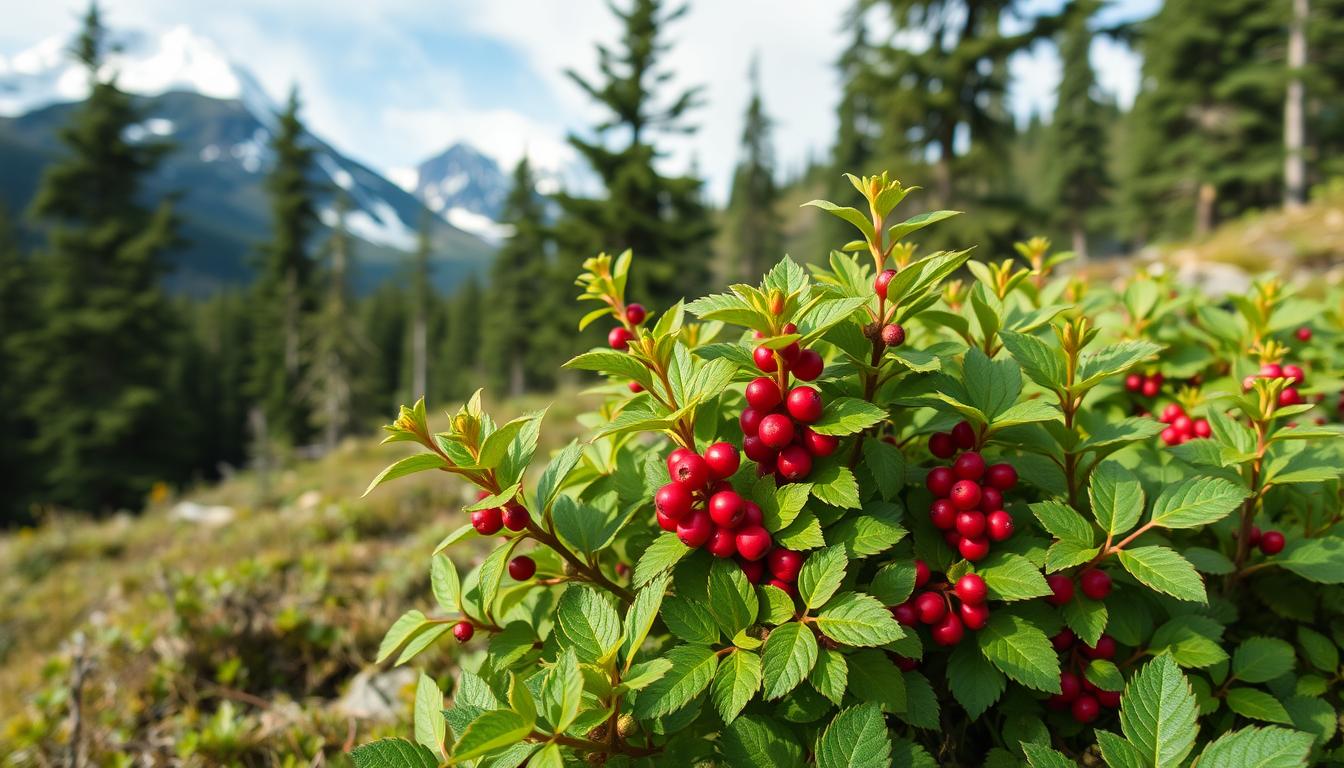
- Wild Berries: Alaska is renowned for its abundance of wild berries. Blueberries (Vaccinium uliginosum and Vaccinium ovalifolium), salmonberries (Rubus spectabilis), cloudberries (Rubus chamaemorus), crowberries (Empetrum nigrum), and lingonberries (Vaccinium vitis-idaea) are staples of the Alaskan diet, both for wildlife and humans. Berry picking in late summer is a beloved local activity, and tourists can join in on the harvest, experiencing the joy of gathering nature’s candy. Many local festivals, particularly in communities like Ketchikan or Homer, celebrate these seasonal bounties.
- Fiddleheads: The young, unfurled fronds of certain ferns, notably Ostrich Fern (Matteuccia struthiopteris), are a highly prized spring delicacy. Known for their unique flavor, reminiscent of asparagus and green beans, fiddleheads are often found near streams and moist woodlands. Learning to identify and properly prepare fiddleheads is a sought-after skill for culinary adventurers.
- Mushrooms: Alaska’s diverse forests are home to an incredible array of fungi. While mushroom foraging requires even greater expertise due to the presence of poisonous species, edible varieties like morels (Morchella species), chanterelles (Cantharellus species), and king boletes (Boletus edulis) can be found. Joining an organized mushroom foray with an experienced mycologist is a fantastic way to safely explore this aspect of Alaskan foraging.
- Greens and Herbs: Beyond wintergreen, a variety of wild greens and herbs provide nutritional value and flavor. Fireweed shoots (Chamerion angustifolium) in spring, wild spinach (Chenopodium album), and various wild celery species are commonly foraged. These can be incorporated into salads, stir-fries, or used as garnishes, offering fresh, vibrant flavors unique to the Alaskan terroir.
Foraging in Alaska offers more than just sustenance; it provides a profound connection to the land, its history, and its people. It’s an activity that combines education, adventure, and culinary delight, making it an essential part of the Alaskan tourism experience for those who seek to truly immerse themselves in the local culture and natural environment. Whether it’s the subtle mint of wintergreen or the vibrant sweetness of a wild berry, the edible landscape of Alaska invites exploration and appreciation, leaving visitors with lasting memories and a deeper understanding of this magnificent state.
LifeOutOfTheBox is a participant in the Amazon Services LLC Associates Program, an affiliate advertising program designed to provide a means for sites to earn advertising fees by advertising and linking to Amazon.com. Amazon, the Amazon logo, AmazonSupply, and the AmazonSupply logo are trademarks of Amazon.com, Inc. or its affiliates. As an Amazon Associate we earn affiliate commissions from qualifying purchases.