
Navigating the process of obtaining a medical marijuana card in Florida can seem complex, but understanding the right approach and phrasing during your medical evaluation is key. This guide focuses on the crucial aspects of your doctor’s visit, aiming to ensure a smooth and successful application for your Florida Medical Marijuana Card. While specific qualifying conditions are defined by Florida law, the way you communicate your experience and symptoms to your physician plays a significant role.
Understanding Florida’s Medical Marijuana Program
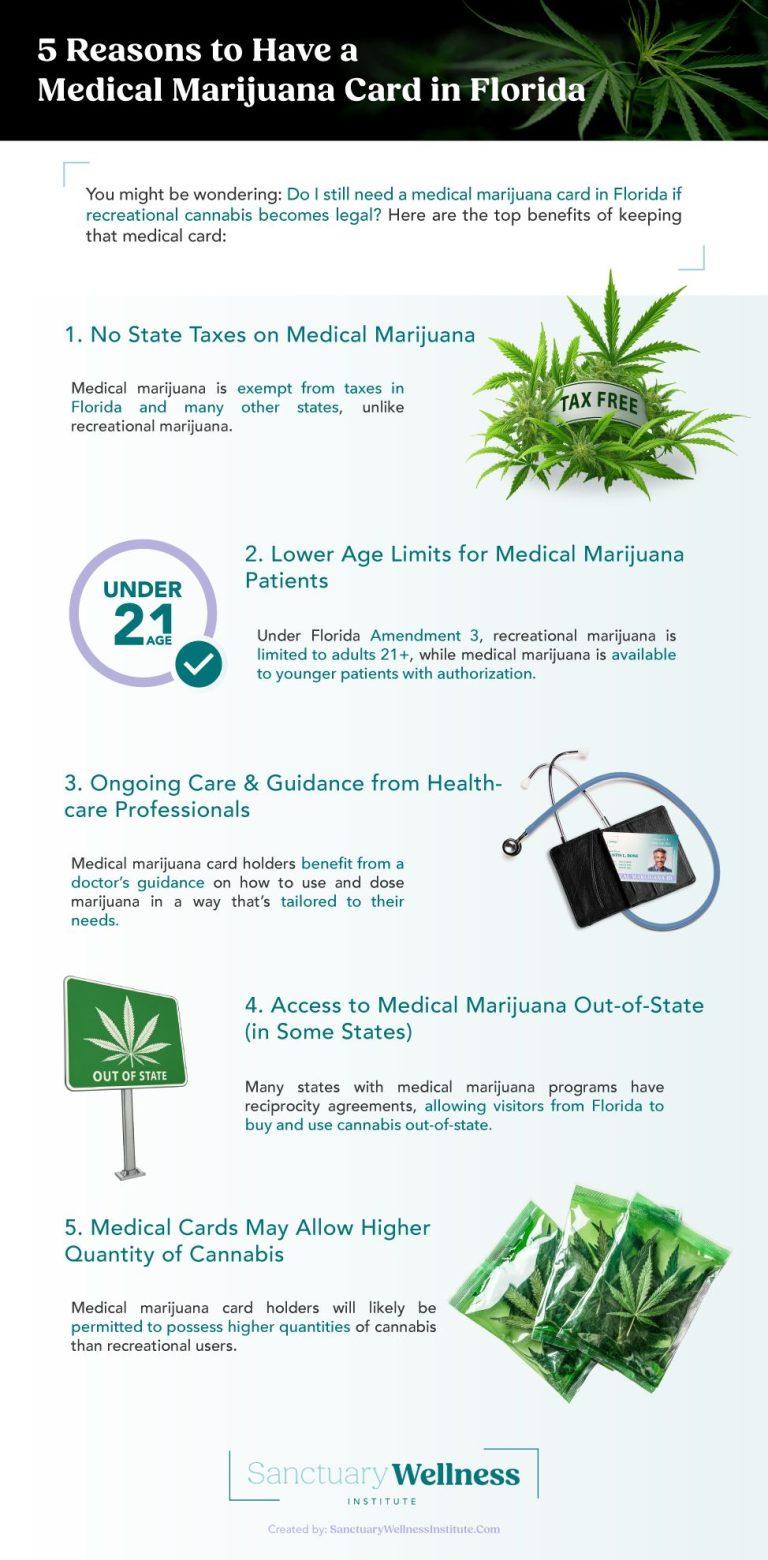
The Florida Medical Marijuana Legalization Initiative, also known as Amendment 2, legalized the use of marijuana for medical purposes for patients with debilitating medical conditions. It’s essential to recognize that this is not a recreational program; it requires a physician’s certification based on specific health criteria. The program aims to provide relief for patients suffering from a range of ailments, offering an alternative or complementary treatment option.
Qualifying Conditions in Florida
Florida Statutes §381.986 outlines the specific medical conditions that qualify a patient for the medical marijuana program. These include, but are not limited to:
- Cancer
- Glaucoma
- Epilepsy
- Parkinson’s disease
- Multiple sclerosis
- Amyotrophic lateral sclerosis (ALS)
- Crohn’s disease
- Post-traumatic stress disorder (PTSD)
- Chronic non-malignant pain caused by a valid underlying medical condition or that has no medical or legal alternative treatment that provides similar levels of relief.
It is crucial to have a diagnosis that falls under these categories. If your condition isn’t explicitly listed, but you experience symptoms consistent with the program’s intent, such as severe, chronic pain or debilitating nausea, it’s still worth discussing with a qualified physician. The key is to articulate how your condition significantly impacts your quality of life and daily functioning.
The Role of the Qualified Physician
In Florida, only physicians who have completed a state-mandated course and are registered with the Florida Department of Health can certify patients for medical marijuana. These physicians are trained to evaluate patients for qualifying conditions and determine if medical marijuana is an appropriate treatment option. The initial consultation is your opportunity to present your case clearly and comprehensively.
Preparing for Your Medical Evaluation
Thorough preparation is vital before your appointment with a qualified physician. This preparation will help you articulate your condition effectively and ensure you don’t overlook important details.
Gather Your Medical Records
The physician will need to review your medical history to confirm your diagnosis and understand your treatment journey. Bring any relevant medical records, including:
- Physician’s notes detailing your diagnosis.
- Previous test results (X-rays, MRIs, lab work).
- Reports from specialists.
- A list of current medications you are taking, including dosages.
- Any documentation related to previous treatments you have undergone for your condition.
These documents serve as objective evidence of your condition and demonstrate that you have sought conventional medical treatment.
Document Your Symptoms and Their Impact
Beyond just stating your diagnosis, it’s crucial to detail the specific symptoms you experience and how they affect your daily life. Consider keeping a symptom journal for a few weeks leading up to your appointment. This journal should include:
- Frequency and Intensity: How often do your symptoms occur, and how severe are they on a scale of 1 to 10?
- Triggers: Are there specific activities, times of day, or environmental factors that worsen your symptoms?
- Impact on Daily Activities: How do your symptoms affect your ability to work, sleep, eat, socialize, or perform basic tasks?
- Previous Treatments and Their Efficacy: Detail what treatments you have tried (medications, therapies, etc.) and why they were ineffective or caused adverse side effects. This is particularly important for conditions like chronic pain, where alternative treatments are a consideration.
Understand Your Pain and Discomfort Levels
For conditions involving pain, be prepared to describe the nature of the pain. Is it sharp, dull, aching, burning, or throbbing? Where is the pain located? Does it radiate? Understanding these nuances can help the physician assess the severity and type of pain you are experiencing. Similarly, for other symptoms like nausea, anxiety, or spasticity, be descriptive about their impact.
What to Say During Your Doctor’s Visit
The conversation with your physician is the most critical part of the process. Focus on honesty, clarity, and a genuine desire for symptom relief.
Clearly State Your Qualifying Condition
Begin by clearly stating your diagnosed medical condition. For instance, instead of saying “I have a back problem,” say “I have been diagnosed with degenerative disc disease,” or “I have been diagnosed with Multiple Sclerosis.” If your condition isn’t explicitly listed but you suffer from symptoms covered by the law, such as chronic pain, explain that. You might say, “I suffer from chronic, debilitating pain that significantly impacts my ability to function, and I haven’t found relief from conventional treatments.”
Emphasize the Debilitating Nature of Your Condition
Florida law specifies “debilitating medical conditions.” Therefore, it’s essential to convey how your condition and its symptoms are debilitating. Use phrases that highlight the severity and impact on your life:
- “My PTSD causes severe anxiety and insomnia, which prevents me from holding down a job.”
- “The constant nausea associated with my condition makes it difficult to eat, leading to significant weight loss and weakness.”
- “My chronic pain is severe and persistent, limiting my mobility and preventing me from participating in daily activities.”
- “The muscle spasms caused by my Parkinson’s disease are uncontrollable and interfere with my ability to perform simple tasks.”
Discuss Your Treatment History Thoroughly
This is where your preparation with documentation and symptom tracking becomes invaluable. The physician needs to understand that you have explored other treatment avenues.
- Mention Previous Prescriptions: “I have been prescribed Oxycodone and Morphine for my pain, but they have severe side effects like constipation and drowsiness, and they only provide partial relief.”
- Discuss Therapies: “I have undergone physical therapy for my chronic back pain, but it has not provided lasting relief.”
- Explain Ineffectiveness: “I tried antidepressants for my anxiety, but they made me feel numb and did not address the root cause of my distress.”
- Highlight Side Effects: “The side effects of my current medications are also debilitating, and I am looking for an alternative that might offer relief with fewer adverse effects.”
Articulate Your Goals for Medical Marijuana Use
Be clear about what you hope to achieve with medical marijuana. Physicians want to see that you have realistic expectations and are seeking it as a therapeutic tool, not for recreational purposes.
- “I am hoping medical marijuana can help manage my chronic pain so I can sleep through the night.”
- “I am seeking relief from the severe nausea I experience, which makes it hard to keep food down.”
- “I believe medical marijuana could help me manage my anxiety and improve my overall quality of life.”
- “My goal is to find a treatment that allows me to regain some independence and participate more fully in my family’s activities.”
Ask Relevant Questions
Showing that you are engaged and informed about the process can be beneficial. Some questions you might consider asking include:
- “What is the typical dosage and method of administration you recommend for my condition?”
- “What are the potential side effects I should be aware of?”
- “How often will I need to follow up with you?”
- “Are there any specific types of cannabis products that are generally more effective for my condition?”
Common Pitfalls to Avoid
Certain approaches or statements can hinder your application process.
Do Not Present as a Recreational User
Avoid any language that suggests you are interested in marijuana for its psychoactive effects or for recreational purposes. Focus solely on the therapeutic benefits for your diagnosed condition.
Do Not Exaggerate or Fabricate Symptoms
Honesty is paramount. Physicians are trained to assess patient conditions, and fabricating or exaggerating symptoms can be counterproductive and unethical. Provide an accurate and honest account of your experience.
Do Not Downplay Your Condition
While you shouldn’t exaggerate, ensure you are not minimizing the impact of your condition. If your symptoms are indeed debilitating, articulate that clearly. Don’t hesitate to express the depth of your suffering and its effect on your life.
Do Not Be Demanding or Entitled
Approach the physician with respect and a collaborative mindset. You are seeking their professional opinion and recommendation. A polite and informed demeanor is always best.
Next Steps After Physician Certification
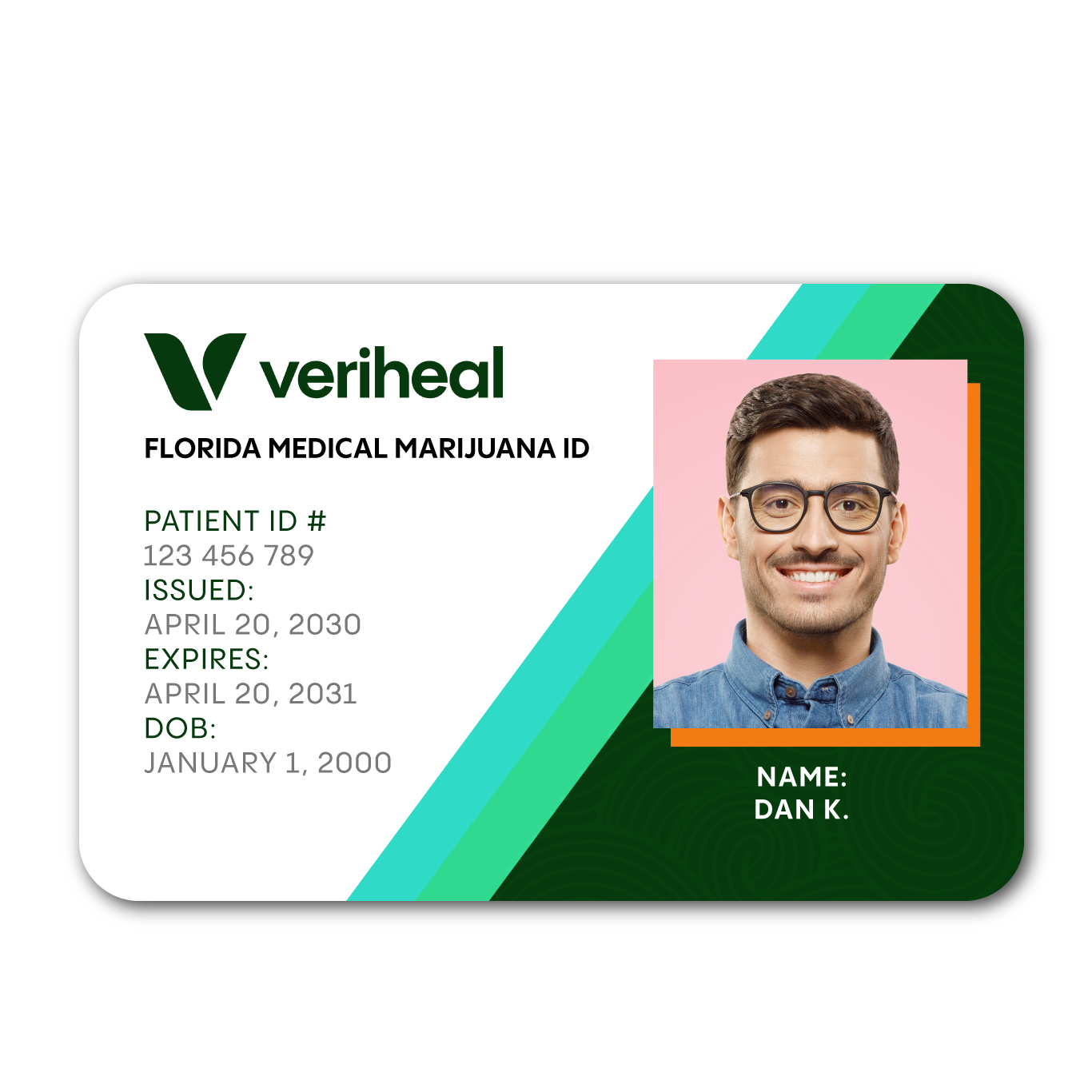
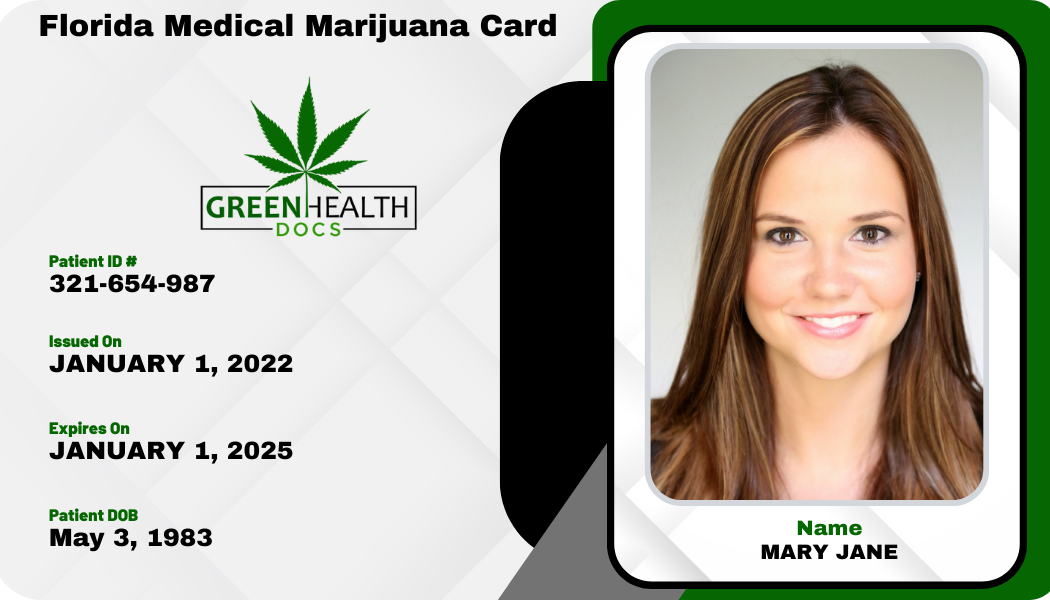
Once you have received a physician’s certification, you will need to apply for a Registry Identification Card through the Florida Medical Marijuana Use Registry. This involves submitting an application and fee to the Florida Department of Health. Once your card is approved, you can legally purchase medical marijuana from licensed dispensaries in Florida. Remember to adhere to all state regulations regarding possession limits and consumption guidelines.
By preparing thoroughly, communicating clearly, and focusing on your medical needs, you can navigate the process of obtaining your medical marijuana card in Florida with greater confidence and success.
LifeOutOfTheBox is a participant in the Amazon Services LLC Associates Program, an affiliate advertising program designed to provide a means for sites to earn advertising fees by advertising and linking to Amazon.com. Amazon, the Amazon logo, AmazonSupply, and the AmazonSupply logo are trademarks of Amazon.com, Inc. or its affiliates. As an Amazon Associate we earn affiliate commissions from qualifying purchases.