
Navigating the regulations and recommendations surrounding public health measures, particularly those related to movement and activity, can be a complex undertaking for travelers and residents alike. The concept of a “curfew,” traditionally associated with specific times when certain populations, like minors, must be indoors, has evolved significantly, especially in recent years. In the context of California, understanding the current landscape of any such restrictions is paramount for planning trips, visiting attractions, or simply enjoying the diverse offerings of the Golden State. While a statewide, mandatory, and blanket curfew in the traditional sense is not currently in effect for the general public, the landscape of local ordinances, public health advisories, and seasonal considerations can create situations that functionally resemble curfews or impact late-night activities.
Understanding “Curfew” in the Modern Context
The term “curfew” itself can evoke images of strict, universally enforced time limits. However, in contemporary discussions, especially within the framework of public health and safety, it often encompasses a broader range of restrictions. These might include:
- Local Ordinances: Many individual cities and counties within California may have their own specific curfews. These are often targeted at specific demographics (e.g., minors) or situations (e.g., during emergencies or specific events).
- Public Health Mandates: During periods of significant public health concern, such as pandemics, governmental bodies might implement recommendations or mandates that restrict certain activities or gatherings after specific hours. While not always a strict “stay-at-home” order in the traditional curfew sense, they can effectively limit late-night public access to venues and attractions.
- Business Operating Hours: While not a legal curfew, the operating hours of many businesses, particularly restaurants, bars, and entertainment venues, are often dictated by local zoning laws, liquor license restrictions, and the businesses’ own operational decisions. This can mean that many establishments close well before traditional late-night hours, impacting the nightlife experience for visitors.
- Seasonal and Event-Based Restrictions: Certain popular tourist destinations or events might have specific hours of operation or temporary access restrictions that are in place for safety, crowd management, or environmental preservation.
Therefore, when asking “Is there a curfew in California?”, the most accurate answer is nuanced. There isn’t a single, statewide mandate dictating a curfew for all residents and visitors. However, the potential for local regulations, public health guidance, and operational limitations means that travelers should always verify specific rules for the areas they plan to visit.
Local Regulations and Their Impact on Travelers
The patchwork of local regulations across California is a key factor to consider. Each of the 58 counties and hundreds of incorporated cities can enact its own rules.
Minor Curfews
A common type of curfew found in many California municipalities is a curfew for minors. These are typically designed to ensure the safety of young people and often stipulate that individuals under a certain age (e.g., 18 or 16) must be off public streets and out of public places during specified late-night hours, often between 10 PM and 6 AM, unless accompanied by a parent or guardian or engaged in specific activities like employment.
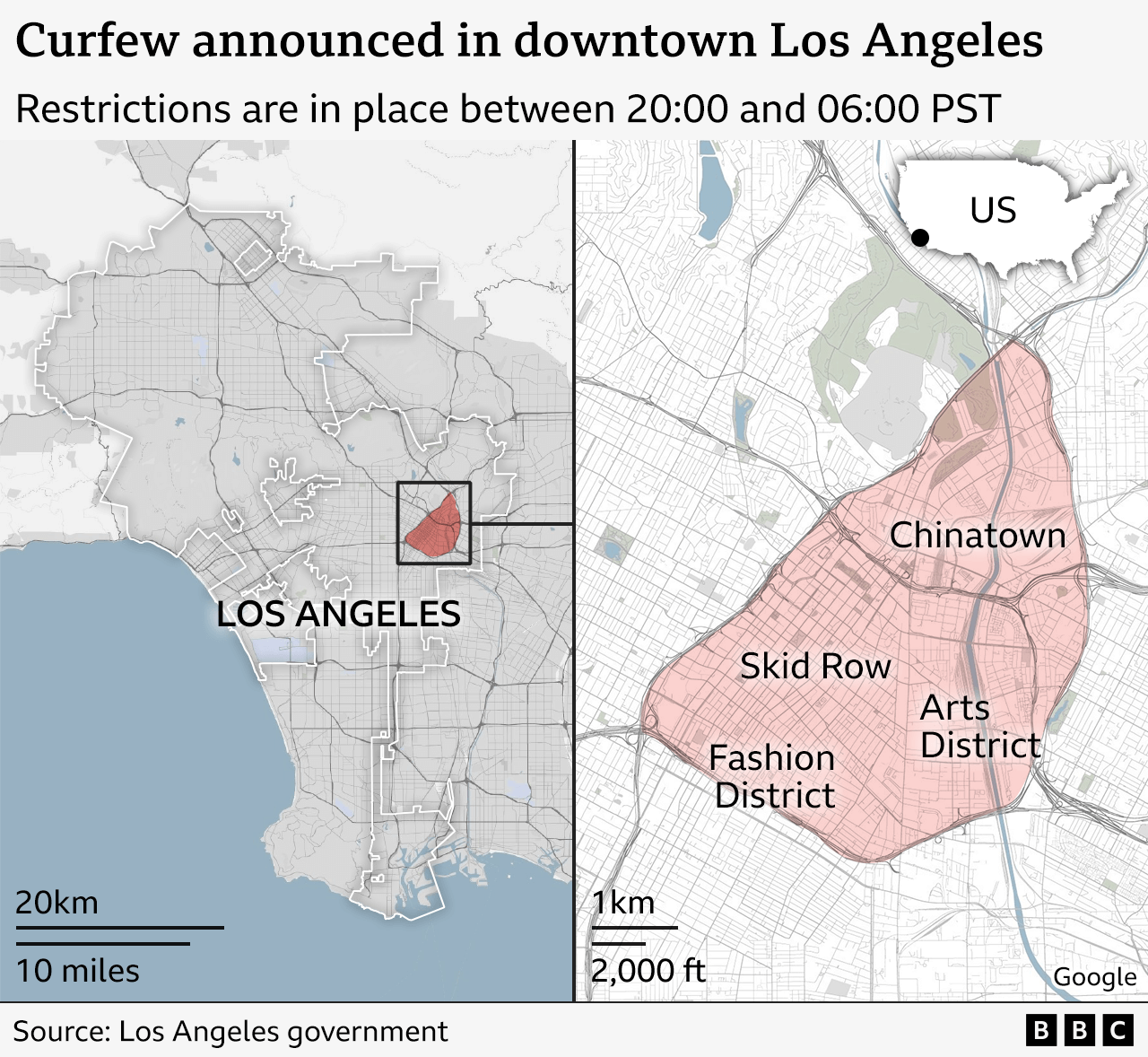
- Implications for Families: Families traveling with teenagers should be aware of these local ordinances. While enforcement can vary, it’s prudent to understand the rules in your destination to avoid potential issues. For instance, a late-night stroll through a downtown area in cities like Los Angeles or San Diego might be affected if your accompanying teenagers fall under a local curfew.
- Checking Local Ordinances: Before arriving in a specific city or town, it is advisable to check the official website of the local police department or city government for information on minor curfews. These are usually clearly published.
Emergency Curfews
In the event of declared emergencies, such as natural disasters (wildfires, earthquakes, floods) or civil unrest, local authorities have the power to implement emergency curfews. These are temporary measures designed to ensure public safety, facilitate emergency response, and prevent looting or other criminal activity.
- During Natural Disasters: If you are traveling through California during a period of significant wildfire activity or other natural disasters, it’s crucial to stay informed about local emergency declarations. Evacuation orders or curfews might be in place in affected areas, impacting your ability to travel through or stay in certain locations.
- Public Safety Announcements: During such times, official sources like local news channels, emergency management websites, and social media accounts of local government agencies are the most reliable places to get up-to-date information on any curfews.
Business Hours and Nightlife Considerations

Beyond legal curfews, the practical reality of when businesses operate significantly shapes the late-night experience for travelers.
Dining and Entertainment
California boasts a vibrant culinary scene and diverse entertainment options, from world-class restaurants in San Francisco to lively music venues in Hollywood. However, most establishments have specific closing times.
- Restaurant Hours: While some fine dining establishments may offer late-night dining, particularly in major metropolitan areas, the majority of restaurants, especially those outside the immediate downtown cores or tourist hotspots, typically close between 9 PM and 11 PM on weekdays, and potentially a bit later on weekends.
- Bars and Nightclubs: Bars and nightclubs generally operate later, often until 1 AM or 2 AM, in accordance with liquor license laws. However, even these venues may have specific last call times or entry restrictions that limit access as the night progresses.
- Entertainment Venues: Theaters, concert halls, and movie theaters often conclude their final showings by 10 PM or 11 PM. Post-show activities may be limited to nearby establishments that are still open.
Late-Night Attractions
Certain attractions in California are designed for evening enjoyment, but their operating hours are crucial.
- Theme Parks: Major theme parks like Disneyland Resort or Universal Studios Hollywood have seasonal operating hours that can extend into the evening, especially during holidays or summer months. However, they typically close by 10 PM or 11 PM.
- Observatories and Stargazing: While popular for nighttime viewing, astronomical observatories or specific stargazing tour operators will have defined schedules. For instance, Griffith Observatory in Los Angeles has specific hours, and while it offers stunning views after dark, it does not operate all night.
- Beaches and Parks: Many state and local parks, as well as beaches, have strict closing times for safety and to protect natural environments. While a sunset walk on a California beach is a quintessential experience, be mindful of posted hours, as loitering after closing can result in fines.
Planning Your California Trip with “Curfew” in Mind
Given the absence of a statewide, universal curfew for adults, a traveler’s experience will largely depend on the specific locality and the types of activities they wish to pursue.
Researching Your Destination
The most effective strategy for travelers is thorough research of their intended destinations within California.
- City-Specific Information: Before booking accommodations or planning itineraries, visit the official tourism websites of cities like Santa Monica, Palm Springs, or Lake Tahoe. These sites often provide practical information on local regulations, event schedules, and typical business operating hours.
- Local News Outlets: For real-time updates, especially during periods of heightened concern or during specific events, bookmarking or following local news outlets (newspapers, TV stations, radio) in your destination area is highly recommended.
- Accommodation Provider Information: Your hotel, resort, or vacation rental provider can also be an excellent resource. They are typically well-informed about local ordinances and can advise on neighborhood operating hours or any specific restrictions that might affect your stay. For example, a resort in Napa Valley might have different considerations than a boutique hotel in downtown Oakland.

Staying Informed During Your Stay
Once you are in California, staying informed remains key.
- Signage: Pay attention to signage at public places, parks, and beaches, which will clearly indicate operating hours and any specific rules.
- Local Announcements: Keep an ear out for local announcements through public address systems in popular areas or through community alert systems if available.
- Consulting Locals: Don’t hesitate to ask hotel staff, restaurant servers, or local information center representatives for advice on what to expect regarding evening activities.
While California does not impose a general curfew on its adult population, the combination of local ordinances, potential emergency declarations, and the practical operating hours of businesses means that a degree of awareness regarding time-bound restrictions is beneficial for a smooth and enjoyable travel experience. By staying informed and planning accordingly, visitors can make the most of California‘s dynamic offerings, day and night.
LifeOutOfTheBox is a participant in the Amazon Services LLC Associates Program, an affiliate advertising program designed to provide a means for sites to earn advertising fees by advertising and linking to Amazon.com. Amazon, the Amazon logo, AmazonSupply, and the AmazonSupply logo are trademarks of Amazon.com, Inc. or its affiliates. As an Amazon Associate we earn affiliate commissions from qualifying purchases.