
Florida, the Sunshine State, is a perennial favorite for travelers seeking sun-drenched beaches, thrilling theme parks, and vibrant cultural experiences. While its reputation for excellent weather is well-earned, understanding the nuances of its climate is crucial for planning a seamless trip. From the steamy summers to the mild winters, each season offers a unique Florida experience. This guide delves into what you can expect from the weather across the state today and throughout the year, helping you pack wisely and make the most of your Florida adventure.
Understanding Florida’s Climate Zones
Florida’s subtropical and tropical climates are shaped by its extensive coastline and proximity to the tropics. This creates distinct weather patterns across its diverse regions, from the Panhandle to the Keys.

North Florida: A Milder Transition
The northern part of the state, including cities like Jacksonville and Tallahassee, experiences more pronounced seasonal changes compared to South Florida. Summers are warm and humid, but winters are noticeably cooler, with occasional frosts. This region offers a delightful balance, attracting visitors who enjoy outdoor activities without the intense heat often associated with the southern half. The proximity to Alabama and Georgia means its weather patterns can sometimes be influenced by continental air masses.
Central Florida: The Theme Park Hub
Central Florida, home to the iconic Walt Disney World Resort and Universal Orlando Resort, generally enjoys warm temperatures year-round. Summers are characterized by high humidity, frequent afternoon thunderstorms, and average temperatures in the high 80s to low 90s Fahrenheit (around 31-33°C). Winters are mild and pleasant, with average temperatures in the 60s and 70s Fahrenheit (15-25°C), making it a popular time for families to visit. The region’s inland location means it can experience slightly cooler nights than coastal areas.
South Florida: Tropical Paradise
South Florida, encompassing areas like Miami, Fort Lauderdale, and the Florida Keys, boasts a true tropical climate. Summers are hot and very humid, with temperatures consistently in the low to mid-90s Fahrenheit (around 32-35°C), often feeling hotter due to the humidity. The defining feature of summer is the near-daily occurrence of intense, short-lived thunderstorms, usually in the afternoon. Winters are exceptionally mild and pleasant, with average temperatures in the 70s Fahrenheit (20-25°C), rarely dipping below 50°F (10°C). This makes South Florida a prime winter escape for those seeking warmth.
The Florida Keys: Island Breezes
The southernmost part of Florida, the Florida Keys, enjoys a maritime tropical climate, heavily influenced by the surrounding Atlantic Ocean and Gulf of Mexico. This typically means consistent, warm temperatures year-round with less extreme fluctuations than the mainland. Breezes from the sea help to mitigate the intense heat of summer, though humidity remains high. Hurricanes are a potential concern during the Atlantic hurricane season, which runs from June 1 to November 30.
Today’s Weather Snapshot Across Florida
To provide a current understanding of Florida’s weather, let’s look at a hypothetical snapshot for “today.” Keep in mind that actual conditions will vary significantly based on the specific date and time.
Morning Conditions: A Gentle Start
As the Florida sun begins its ascent, you might expect a generally warm and humid start across most of the state. In North Florida, mornings could be slightly cooler, perhaps in the 50s or 60s Fahrenheit (10-20°C), especially during the winter months. Central Florida would likely see morning temperatures in the 70s Fahrenheit (20-25°C), with dew points making it feel sticky from the outset. South Florida and the Keys would greet the day with already balmy temperatures in the mid-70s Fahrenheit (around 24°C), with a palpable sense of humidity in the air. Skies might be clear to partly cloudy, with potential for early fog patches in low-lying areas.
Afternoon Dynamics: Heat, Humidity, and Thunderstorms
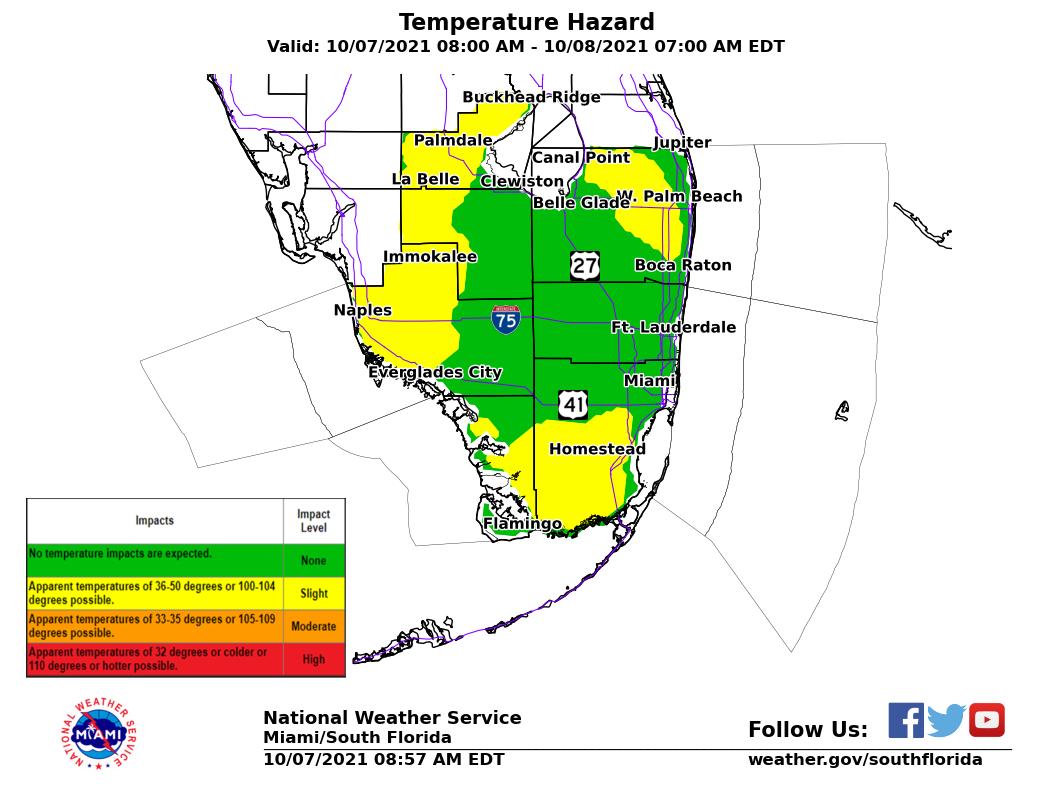
The afternoon is when Florida’s weather truly comes alive, particularly during the warmer months. Expect temperatures to climb significantly. Central and South Florida could easily reach the high 80s to low 90s Fahrenheit (30-35°C). The real story, however, is the atmospheric instability that often leads to afternoon thunderstorms. These are typically convective, meaning they are triggered by heating and the convergence of moist air. They can be intense, bringing heavy downpours, lightning, and gusty winds, but they often dissipate as quickly as they form, usually before sunset. North Florida’s afternoons will also be warm, but with a slightly lower probability of widespread, intense thunderstorms compared to the south, unless a frontal system is influencing the region. Coastal areas might experience refreshing sea breezes that can offer some relief from the inland heat.
Evening and Overnight: A Lingering Warmth
As the sun dips below the horizon, the heat of the day often lingers, especially in the southern half of the state. Evenings in South Florida will likely remain in the 70s Fahrenheit (20-25°C), still feeling humid. Central Florida might see temperatures cool into the upper 60s or low 70s Fahrenheit (18-22°C). North Florida will experience the most significant temperature drop overnight, potentially reaching the 50s or 60s Fahrenheit (10-20°C) during the cooler seasons. Skies often clear after the afternoon storms, leading to beautiful, starry nights, though humidity can still contribute to a muggy feel.
Seasonal Weather Patterns and Travel Considerations
Understanding the typical seasonal weather patterns is paramount for planning your Florida vacation. Each season presents its unique set of conditions and opportunities.
Spring (March-May): The Sweet Spot
Spring is arguably the most pleasant time to visit Florida. Temperatures are warm but not excessively hot, and humidity levels are generally lower than in the summer. Average highs range from the mid-70s in North Florida to the low 80s in South Florida. Rainfall is moderate, and the risk of severe weather is lower. This is an ideal time for exploring attractions like Everglades National Park, visiting the beaches of Clearwater, or enjoying outdoor dining in cities like St. Augustine. Be aware that spring break can lead to increased crowds and prices in popular destinations.
Summer (June-August): Heat, Humidity, and Thunderstorms
Summer in Florida is synonymous with heat, high humidity, and frequent afternoon thunderstorms. Temperatures consistently hover in the high 80s and low 90s Fahrenheit (30-35°C), with heat index values often exceeding 100°F (38°C). The daily thunderstorms are a defining characteristic, offering a temporary respite from the heat but also potentially disrupting outdoor plans. This is also the beginning of the Atlantic hurricane season, so staying informed about weather forecasts is crucial. Despite the challenging conditions, summer is a popular time for families due to school holidays. Staying hydrated, utilizing indoor attractions, and planning outdoor activities for the cooler morning hours are essential strategies.
Fall (September-November): A Gradual Cool-Down
Fall offers a transition period with gradually cooling temperatures and decreasing humidity. September can still feel very much like summer, with continued heat and the peak of hurricane season. However, by October and November, the weather becomes increasingly pleasant. Highs typically range from the 70s to low 80s Fahrenheit (20-28°C). This season provides an excellent opportunity for enjoying outdoor activities without the intense summer heat. It’s also a great time for exploring the natural beauty of places like Ocala National Forest or attending fall festivals.
Winter (December-February): Mild and Pleasant
Winter is Florida’s peak tourist season for many, especially for those escaping colder climates. The weather is generally mild and sunny, with average highs in the 60s and 70s Fahrenheit (15-25°C) across most of the state, though North Florida can experience cooler temperatures and occasional frosts. Humidity is at its lowest, and rainfall is minimal. This is the perfect weather for a round of golf at one of Florida’s many courses, exploring the urban attractions of Tampa, or enjoying the beaches without the oppressive heat. The Florida Keys remain exceptionally warm, making them a true winter oasis.
Preparing for Florida’s Weather
Regardless of when you visit, being prepared for Florida’s weather will enhance your experience.
Packing Essentials
- Lightweight, breathable clothing: Cotton and linen are excellent choices for staying cool.
- Rain gear: A compact umbrella and a lightweight rain jacket are indispensable, especially during the summer and fall.
- Sun protection: Sunscreen with a high SPF, a wide-brimmed hat, and sunglasses are crucial year-round.
- Comfortable footwear: You’ll be doing a lot of walking, whether at theme parks or exploring cities.
- Swimwear: Essential for enjoying Florida’s countless beaches and pools.
- Light sweater or jacket: For cooler evenings, especially in North Florida during winter.
Staying Safe and Comfortable
- Hydration is key: Drink plenty of water, especially during hot and humid conditions.
- Seek shade: Take breaks indoors or in shaded areas during the hottest parts of the day.
- Monitor weather forecasts: Stay informed about potential storms or heat advisories.
- Be aware of hurricane season: If traveling between June 1 and November 30, have a plan in case of severe weather.
- Embrace the rain: Afternoon showers are often brief and can be a refreshing interlude.
By understanding and respecting Florida’s unique climate, travelers can confidently plan their itineraries, pack appropriately, and fully immerse themselves in the Sunshine State’s diverse offerings. Whether you’re seeking thrilling adventures, relaxing beach days, or cultural exploration, Florida’s weather, with a little planning, will undoubtedly contribute to a memorable journey.
LifeOutOfTheBox is a participant in the Amazon Services LLC Associates Program, an affiliate advertising program designed to provide a means for sites to earn advertising fees by advertising and linking to Amazon.com. Amazon, the Amazon logo, AmazonSupply, and the AmazonSupply logo are trademarks of Amazon.com, Inc. or its affiliates. As an Amazon Associate we earn affiliate commissions from qualifying purchases.