
California, a land renowned for its stunning diverse landscapes, from sun-kissed beaches and vibrant cities to towering Redwood National Park forests and serene deserts, annually faces a unique challenge: wildfire season. For travelers planning an escape to the Golden State, or even residents navigating daily life, the question “Is there a fire in California right now?” is a recurring, essential concern. Understanding the current wildfire situation, its potential impact on travel plans, and how to stay informed is paramount for a safe and enjoyable experience. This guide aims to provide a comprehensive overview, equipping you with the knowledge to make informed decisions about your adventures, accommodations, and overall lifestyle choices in California throughout the year.
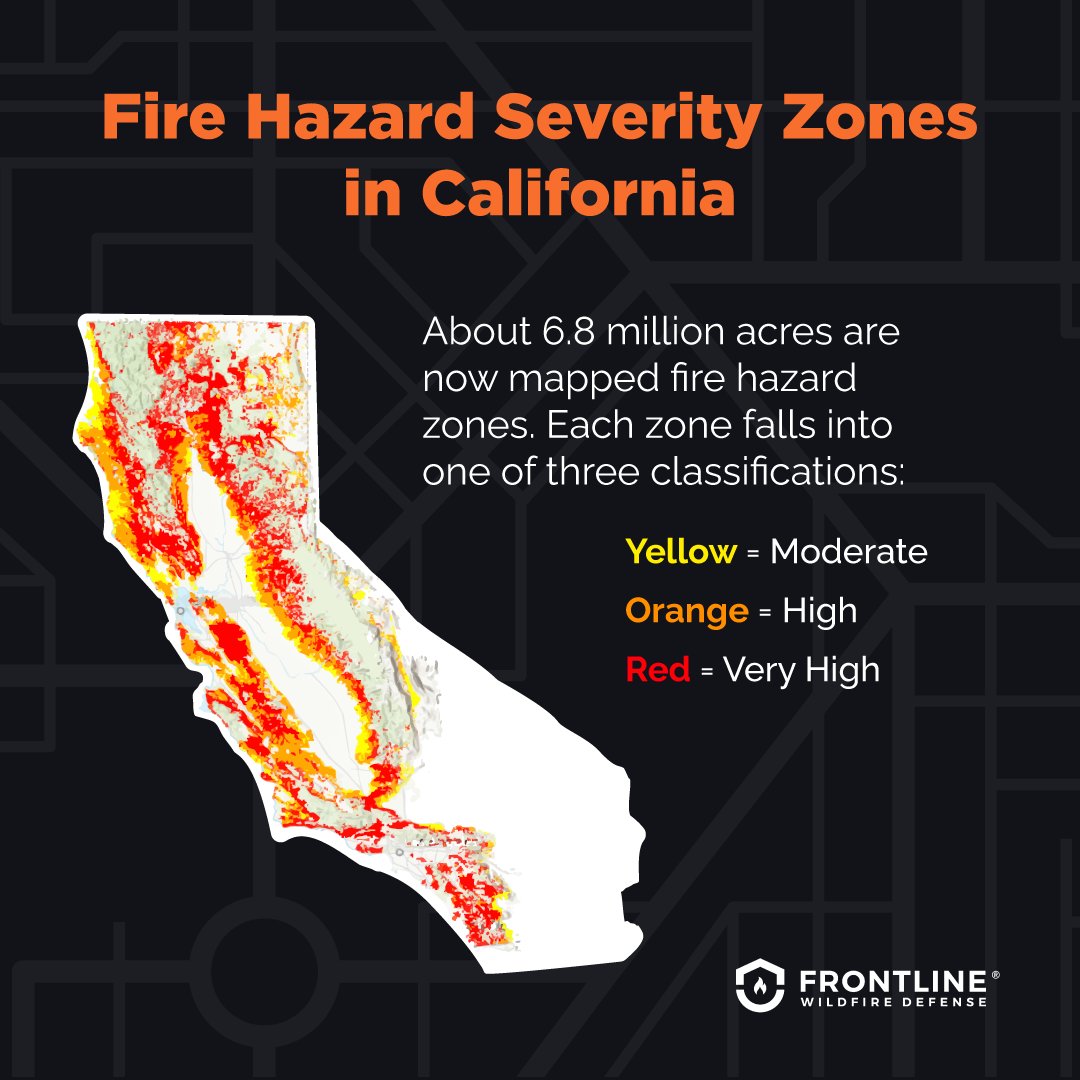
The allure of California as a premier travel destination remains undiminished. Whether you dream of exploring the iconic Golden Gate Bridge in San Francisco, experiencing the magic of Disneyland Park in Anaheim, hiking through the majestic valleys of Yosemite National Park, or indulging in the world-class wines of Napa Valley, its appeal is undeniable. However, the seasonal threat of wildfires, particularly from late spring through fall, necessitates a proactive approach to travel planning. This isn’t just about avoiding active fire zones; it’s also about understanding air quality, road closures, and the ripple effects on local tourism and accommodation. By staying informed and flexible, you can still craft an incredible California itinerary that prioritizes safety while supporting the communities that make this state so special.
Navigating California’s Wildfire Landscape: A Traveler’s Guide
Wildfires are a natural, albeit increasingly intense, part of California’s ecosystem, fueled by dry vegetation, strong winds, and often, human activity. While they can be devastating, it’s crucial to remember that California is a vast state, and a fire in one region doesn’t necessarily impact another hundreds of miles away. The key is precise, up-to-date information.
Current Fire Status and Essential Information Sources
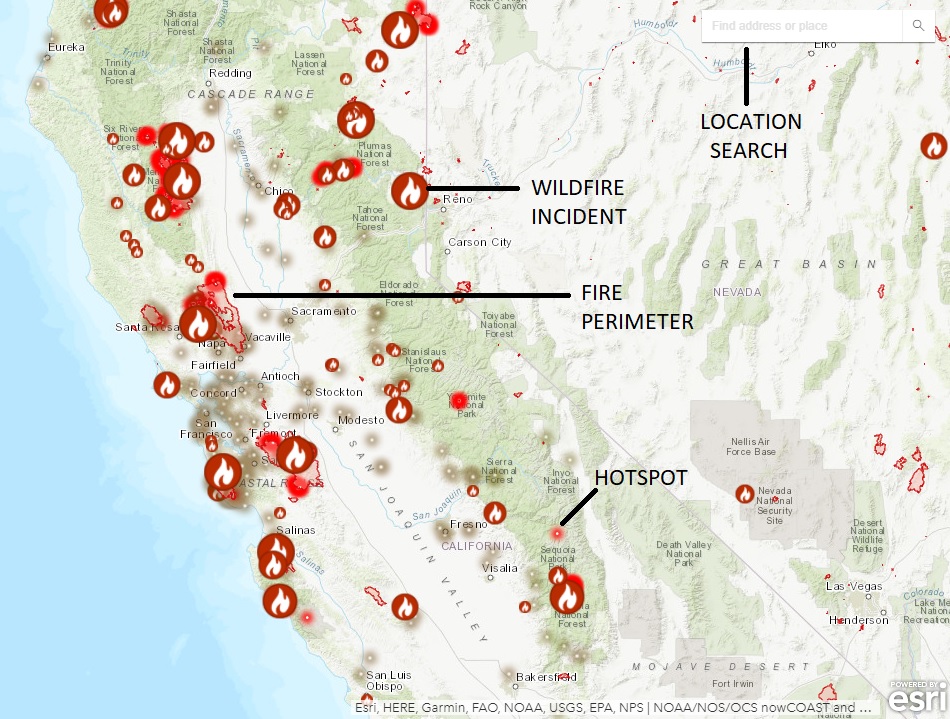
For real-time updates on active wildfires across California, several reputable sources are indispensable. These platforms provide details on fire locations, containment levels, acres burned, and crucial safety alerts like evacuation orders or warnings.
- CAL FIRE (California Department of Forestry and Fire Protection): This is the primary agency for wildfire response and information in California. Their official website (www.fire.ca.gov) offers an interactive map, daily incident reports, and public information releases. This should be your first port of call for accurate, up-to-the-minute data.
- National Interagency Fire Center (NIFC): For a broader perspective, especially concerning larger, multi-agency incidents, NIFC provides national-level data and maps that include California fires.
- Local Emergency Services: If you are traveling to a specific county or city, check the websites or social media channels of the local sheriff’s department, fire department, or emergency management agency (e.g., Los Angeles County Fire Department, San Diego County Office of Emergency Services). These sources are vital for hyper-local alerts, evacuation routes, and shelter information.
- News Media: Reputable local and national news outlets often provide excellent ongoing coverage, but always cross-reference with official sources.
When checking fire maps, pay close attention to your intended destination and the surrounding areas. Note the proximity of the fire, the direction of wind, and whether any specific attractions or routes you planned to use are affected. It’s not uncommon for fires to be contained within a particular forest or wilderness area without posing a direct threat to major urban centers or popular tourist spots far away.
Air Quality Concerns and Health Precautions
Beyond the direct threat of fire, smoke and poor air quality are significant concerns for travelers. Smoke plumes can travel hundreds of miles, affecting visibility and respiratory health even in areas far from the flames. The fine particulate matter in wildfire smoke can exacerbate conditions like asthma, allergies, and heart disease.
- AirNow.gov: This federal website provides real-time air quality data for locations across the U.S., including California. Look for the Air Quality Index (AQI) readings, which range from “Good” to “Hazardous.” If the AQI is in the “Unhealthy for Sensitive Groups” or higher category, consider limiting outdoor activities, especially if you have pre-existing health conditions.
- Wear Masks: During periods of poor air quality, wearing N95 masks can help filter out smoke particulates, especially if you must be outdoors.
- Stay Indoors: If air quality is severely impacted, it’s best to stay in indoor spaces with air conditioning and proper filtration. Many hotels and accommodations are equipped with modern HVAC systems that can help maintain cleaner indoor air.
- Reschedule Outdoor Activities: If your itinerary heavily relies on outdoor excursions like hiking in Joshua Tree National Park, exploring Big Sur coastlines, or wine tasting in Sonoma County, be prepared to adjust your plans or seek indoor alternatives if air quality becomes an issue.
Monitoring air quality is as crucial as monitoring fire locations, particularly for families traveling with young children or individuals with respiratory sensitivities.
Impact on California Destinations and Attractions
The extensive nature of California means that even when wildfires are active, vast portions of the state remain unaffected and open for tourism. However, certain regions and types of attractions are more susceptible to impacts.
National Parks, Forests, and Wilderness Areas
Many of California’s most celebrated natural landmarks are situated within national parks, state parks, or national forests – areas historically prone to wildfires.
- Closures: Parks like Yosemite National Park, Sequoia National Park, Kings Canyon National Park, or sections of the Pacific Crest Trail may experience temporary closures due to active fires, smoke, or for firefighter access. Always check the official park websites (e.g., NPS.gov for National Parks) for current conditions, road closures, and any fire-related restrictions before heading out.
- Restoration Efforts: After a fire, some areas may remain closed for extended periods for ecological restoration and hazard mitigation (e.g., removing fire-damaged trees). Respecting these closures is vital for both safety and conservation.
- Alternatives: If your intended park is affected, consider alternative natural destinations like coastal state parks or reserves, which are typically less impacted by inland wildfires. For instance, if Yosemite is under a smoke advisory, perhaps a visit to the beaches of Santa Barbara or the urban parks of San Francisco could be a suitable pivot.
Coastal Cities, Wine Regions, and Urban Centers
Fortunately, many of California’s major urban centers and popular coastal destinations are often less directly threatened by active wildfires, though they can still experience smoke impacts.
- Coastal Havens: Cities like San Diego, Los Angeles, Santa Monica, and San Francisco are generally well-buffered from direct fire threats. Their main concern is often air quality from distant fires. Beaches, urban attractions (museums, theaters, dining), and city tours typically operate as usual, even during fire season, provided air quality allows.
- Wine Country: Napa Valley and Sonoma County have unfortunately experienced significant wildfires in past years. While vineyards themselves can be damaged, many wineries and related tourism businesses rebuild and adapt quickly. Always check with individual wineries and local tourism boards for their operating status, especially concerning wine tasting tours and outdoor events. Smoke taint can also be a concern for grape harvests, but this rarely impacts the immediate visitor experience.
- Resilience and Rebuilding: California communities are incredibly resilient. Many areas that have experienced fires bounce back with incredible spirit. Supporting these regions through your tourism, once it’s safe to do so, is a powerful way to contribute to their recovery.
Protecting Your Travel Plans and Accommodations
Thoughtful planning and flexibility are your best allies when traveling in California during wildfire season. This includes everything from booking your boutique hotel to understanding your options for changes.
Pre-Trip Planning and Travel Insurance
Before you even book your flight or luxury resort suite, consider the “what ifs.”
- Travel Insurance: Investing in comprehensive travel insurance is highly recommended, especially for trips to regions prone to natural disasters. Look for policies that cover trip cancellation, interruption, and delay due to natural disasters, including wildfires. Carefully read the policy’s terms and conditions regarding “known events” – if a fire is already burning and named when you purchase insurance, it might not be covered. Purchase insurance well in advance of your travel dates.
- Flexible Bookings: When reserving flights, car rentals, or accommodations like vacation rentals or family-friendly resorts, opt for options with flexible cancellation or change policies. Many airlines and hotels offer refundable rates, which, while sometimes slightly more expensive, provide invaluable peace of mind.
- Accommodation Research: When choosing a hotel or apartment stay, consider its location relative to fire-prone areas. If staying in a wildland-urban interface (WUI) area, ensure the property has taken fire-wise precautions.
Lodging Alternatives, Refunds, and Last-Minute Changes
Even with the best planning, unforeseen circumstances can arise. Knowing your rights and options for accommodation changes is vital.
- Contact Your Accommodation Directly: If a fire impacts your booked destination, contact your hotel, resort, or vacation rental owner immediately. Many establishments in affected areas will offer full refunds or allow rescheduling without penalty, especially if official evacuation orders are in place. Even if there’s no direct threat, but air quality is poor, they may be willing to work with you.
- Online Travel Agencies (OTAs): If you booked through an OTA like Expedia or Booking.com, you might need to contact them first, but always be prepared to also reach out to the property itself for direct negotiation, particularly if the OTA’s policy is less flexible.
- Alternative Destinations: Have a backup plan. If your original destination becomes inaccessible or unpleasant due to smoke, consider pivoting to a coastal city, an urban hub, or a different region of California that is unaffected. For example, if the Lake Tahoe area is affected, perhaps a trip to Carmel-by-the-Sea or Palm Springs could offer a different but equally rewarding experience.
- Road Closures: Use resources like Caltrans Quickmap (quickmap.dot.ca.gov) for real-time information on road closures and traffic conditions. Evacuation routes can change rapidly, so staying updated on transportation is critical.
Supporting California Tourism Safely and Responsibly
Traveling responsibly during wildfire season means not only prioritizing your own safety but also being mindful of the local communities and the environment. Your choices as a tourist can significantly impact recovery efforts and the livelihoods of residents.
Ethical Travel and Community Support
When planning your California trip, consider how your presence can be a positive force.
- Visit Unaffected Areas: If a major fire is impacting one region, consider shifting your travel plans to an equally appealing, unaffected part of the state. This helps distribute tourism dollars and prevents overcrowding in areas that may be dealing with the aftermath of a fire. California is immense, offering countless stunning destinations from the Channel Islands National Park to the Mojave Desert, ensuring there’s always an alternative.
- Support Local Businesses: When you do travel, make an effort to support local businesses – restaurants, shops, tour operators, and boutique hotels. Many local economies, especially in smaller towns, rely heavily on tourism, and your patronage helps them thrive and recover.
- Donate to Relief Efforts: Consider making a small donation to reputable wildfire relief organizations or local community funds. Groups like the California Community Foundation’s Wildfire Relief Fund or the American Red Cross provide crucial aid to victims and first responders.

Practicing Fire Safety and Environmental Awareness
As a visitor, you have a role to play in preventing future wildfires.
- Be Ember Aware: Remember that even a small spark can start a fire. Be extremely cautious with anything that could generate heat or flame.
- Campfires: Check for fire restrictions before lighting any campfire. Many areas have seasonal or permanent bans. Always fully extinguish fires, ensuring they are cold to the touch.
- Cigarettes: Never discard cigarette butts anywhere but in designated receptacles.
- Vehicles: Ensure your vehicle is well-maintained, with no dragging chains or exposed catalytic converters that could spark dry grass. Avoid parking on dry grass.
- Fireworks: Fireworks are illegal in many parts of California due to fire risk. Always respect local laws.
- Stay on Trails: When hiking or exploring natural areas, stick to marked trails and avoid venturing into dry brush, where a single spark could ignite a blaze.
- Leave No Trace: Practice Leave No Trace principles. Pack out everything you pack in, and avoid disturbing natural environments. This helps maintain the health of ecosystems, making them more resilient.
- Report Fires: If you see smoke or a potential wildfire, call 911 immediately. Early detection can make a critical difference.
In conclusion, the question “Is there a fire in California right now?” is often met with a nuanced answer: perhaps, but its impact on your specific travel plans depends greatly on location, severity, and your proactive planning. By leveraging reliable information sources, prioritizing safety, securing flexible bookings, and embracing responsible tourism practices, you can confidently explore the vast and beautiful offerings of California while being a conscientious visitor during all seasons. The Golden State awaits, ready to offer unforgettable experiences for every kind of traveler.
LifeOutOfTheBox is a participant in the Amazon Services LLC Associates Program, an affiliate advertising program designed to provide a means for sites to earn advertising fees by advertising and linking to Amazon.com. Amazon, the Amazon logo, AmazonSupply, and the AmazonSupply logo are trademarks of Amazon.com, Inc. or its affiliates. As an Amazon Associate we earn affiliate commissions from qualifying purchases.