
Traveling between California and Arizona presents a unique consideration for trip planning: the fluctuating time difference. While many assume neighboring states follow similar time protocols, Arizona holds a distinctive position by largely opting out of Daylight Saving Time (DST), leading to a seasonal shift in time alignment with its western neighbor. Understanding this nuance is crucial for travelers to avoid missed appointments, ensure timely arrivals, and maintain seamless communication, whether they’re venturing from the beaches of Los Angeles to the deserts of Phoenix or crossing the Colorado River for a desert escape.
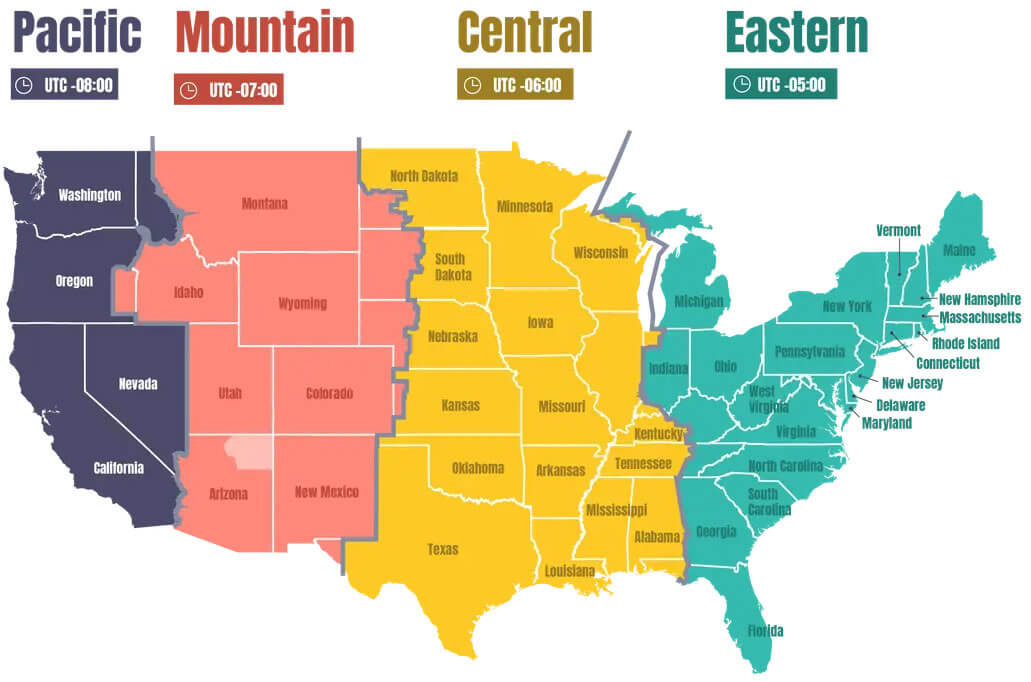
The Core Difference: PST vs. MST (and Arizona’s Unique Stance)
The fundamental distinction lies in the standard time zones each state primarily observes and Arizona’s deviation from the common practice of DST.
California: Always on Pacific Time
California consistently adheres to the Pacific Time Zone. This means it observes Pacific Standard Time (PST) during the winter months and switches to Pacific Daylight Time (PDT) when Daylight Saving Time is in effect, typically from mid-March to early November. PDT is UTC-7, while PST is UTC-8. For the majority of the year, California is on the later side of the clock relative to regions observing Mountain Standard Time.
Arizona: The Non-DST State
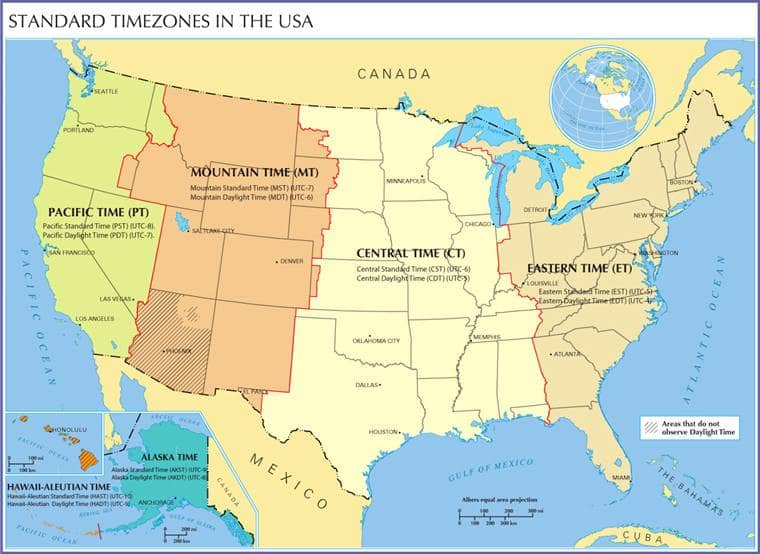
Conversely, most of Arizona observes Mountain Standard Time (MST) year-round. Critically, Arizona does not observe Daylight Saving Time, with the exception of one specific region. MST is UTC-7. Because Arizona remains on MST throughout the year, its time relationship with California shifts depending on whether DST is active in California.
The Navajo Nation Exception
The only significant exception to Arizona not observing DST is the Navajo Nation. This large semi-autonomous territory, which spans parts of northeastern Arizona, New Mexico, and Utah, does observe Daylight Saving Time. This means that during DST months, the Navajo Nation within Arizona operates one hour ahead of the rest of the state. To add another layer, the Hopi Reservation, an independent enclave entirely surrounded by the Navajo Nation within Arizona, does not observe DST. This creates a fascinating and potentially confusing situation where you might drive through three different time zones (or two time zones with DST implications) in a relatively small area. For instance, visiting Monument Valley or the Grand Canyon National Park on the Navajo Nation side requires an awareness of this unique temporal arrangement.
Seasonal Variations Explained
The existence of a time difference between California and Arizona is entirely dependent on the time of year.
During Daylight Saving Time (March-November)
From the second Sunday in March to the first Sunday in November, California observes Pacific Daylight Time (PDT), which is UTC-7. During this same period, most of Arizona remains on Mountain Standard Time (MST), which is also UTC-7.
Result: During these months, there is no time difference between California and the majority of Arizona. If it’s 3:00 PM in San Diego, it’s also 3:00 PM in Phoenix.
Outside Daylight Saving Time (November-March)
From the first Sunday in November to the second Sunday in March, California reverts to Pacific Standard Time (PST), which is UTC-8. Meanwhile, most of Arizona continues to observe Mountain Standard Time (MST), which is UTC-7.
Result: During these months, Arizona is one hour ahead of California. If it’s 3:00 PM in San Diego, it’s 4:00 PM in Phoenix.
This distinction is critical for travelers and anyone coordinating activities between the two states.
Practical Implications for Travelers
Ignoring the time zone nuances between California and Arizona can lead to a host of logistical challenges and missed opportunities.
Planning Flights and Ground Transportation
When booking flights, bus tickets, or arranging car rentals between California and Arizona, always pay close attention to the departure and arrival times, noting the local time zone specified by the carrier. A 10:00 AM flight departing Los Angeles might land at 12:00 PM local time in Phoenix during the winter months, making it a two-hour flight plus a one-hour time zone shift. Conversely, during Daylight Saving Time, a 10:00 AM flight from Los Angeles landing at 12:00 PM in Phoenix would truly be a two-hour flight with no time change. This impacts connecting flights, pickup arrangements, and even rental car return deadlines.
Hotel Check-ins and Reservations
Arriving at a hotel an hour early or late can disrupt your plans. If you’ve driven from California to Arizona in winter, remember that Arizona will be an hour ahead. A reservation for 4:00 PM MST might feel like 3:00 PM to your California-tuned body clock, potentially causing you to miss your check-in window if you don’t adjust. Similarly, coordinating dinner reservations, spa appointments, or tour departures requires precise time zone awareness to avoid confusion and ensure you don’t miss out on planned activities.
Business Meetings and Appointments
For business travelers, the time difference can be particularly impactful. Scheduling conference calls, client meetings, or presentations across state lines demands meticulous attention to time zones. A 9:00 AM PST meeting would be at 10:00 AM MST during winter, requiring careful communication to ensure all participants are present at the correct local time. Misunderstandings can lead to missed opportunities and professional faux pas.
Coordinating with Friends and Family
If you’re visiting friends or family, or simply trying to stay in touch, remember to factor in the time shift. A casual call at 8:00 PM PST during winter might mean waking up your relatives at 9:00 PM MST in Arizona. Conversely, during Daylight Saving Time, you can connect without any time zone calculations, simplifying casual interactions. This seemingly small detail can significantly affect the rhythm of your trip and your ability to maintain connections.
Navigating the Time Warp: Tips for a Smooth Transition
A little preparation and awareness can go a long way in managing the time difference effectively.
Always Confirm Local Time
When making plans or reservations, explicitly ask for the local time of the destination. If booking a tour in Sedona, confirm if the listed time is MST. If coordinating with someone in California, specify PST or PDT depending on the season. This simple step eliminates ambiguity.
Set Your Devices to Automatic Time Zone
Most smartphones and smart devices have an option to automatically update the time zone based on your location. Ensure this feature is enabled before you travel. As you cross into Arizona (or back into California), your phone should adjust accordingly, providing you with the accurate local time. However, be mindful of cellular dead zones or areas with poor signal, where updates might be delayed. Always cross-reference with a reliable, manually updated clock if in doubt, especially in remote areas or near the Navajo Nation border.
Account for Travel Time and Time Zones
When planning your itinerary, think of the “total time cost.” If you have a three-hour drive from Las Vegas (which observes PST/PDT) to the Grand Canyon National Park (which is mostly in Arizona and observes MST), and you’re traveling in winter, you’ll gain an hour as you cross into Arizona. So, a 9:00 AM departure from Las Vegas might see you arriving at the Grand Canyon at 1:00 PM MST (3 hours travel + 1 hour time difference). During Daylight Saving Time, the arrival would be 12:00 PM. This careful calculation prevents unnecessary stress and ensures you maximize your travel time.

Why Arizona Opted Out of DST
Arizona has a compelling reason for largely foregoing Daylight Saving Time, primarily rooted in its extreme summer heat. The primary argument against DST in Arizona is that advancing the clock by an hour in summer would result in an extra hour of daylight in the evening when temperatures are still soaring, often well above 100°F (38°C). This would extend the period of peak heat into the later evening, increasing the demand for air conditioning and negating the energy-saving purpose of DST. Furthermore, many residents prefer to conduct outdoor activities, such as golf or hiking, in the cooler morning hours. By staying on MST year-round, Arizona effectively brings sunsets an hour earlier during summer compared to states observing DST, allowing for more evening comfort and reducing energy consumption during the hottest part of the day. This unique approach, while sometimes creating temporal confusion for visitors, is a practical adaptation to the state’s challenging climate, designed to enhance the quality of life for its residents and make summer travel more comfortable by encouraging earlier starts.
In conclusion, yes, there is a time difference between California and Arizona, but it’s not a constant one. This temporal dance, dictated by Daylight Saving Time in California and its absence in most of Arizona, requires attention from any traveler crossing state lines. By understanding the seasonal shifts and planning accordingly, your journey through the diverse landscapes of the American Southwest can remain smooth, punctual, and entirely enjoyable.
LifeOutOfTheBox is a participant in the Amazon Services LLC Associates Program, an affiliate advertising program designed to provide a means for sites to earn advertising fees by advertising and linking to Amazon.com. Amazon, the Amazon logo, AmazonSupply, and the AmazonSupply logo are trademarks of Amazon.com, Inc. or its affiliates. As an Amazon Associate we earn affiliate commissions from qualifying purchases.