
The question “Is there a volcano in California?” often elicits surprise from those unfamiliar with the Golden State’s diverse geological tapestry. While California is globally renowned for its iconic beaches, sprawling cities like Los Angeles and San Francisco, and majestic national parks like Yosemite National Park, it also harbors a vibrant and active volcanic landscape. Far from being merely a land of sunshine and surf, California sits squarely on the geologically dynamic Pacific Ring of Fire, a horseshoe-shaped belt known for frequent earthquakes and volcanic eruptions. This makes the state a fascinating destination for travelers interested in both natural beauty and geological wonders.
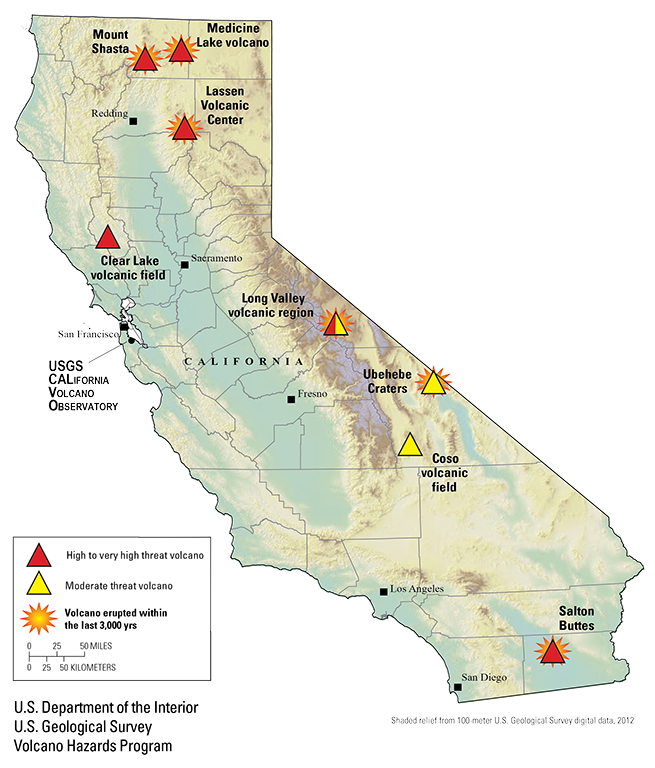
This article delves into the intriguing world of California’s volcanoes, exploring their history, their current status, and the incredible travel and tourism opportunities they present. From towering stratovolcanoes to simmering geothermal fields and vast calderas, California offers a unique blend of adventure, scientific marvel, and breathtaking scenery. Whether you’re planning a trip focused on outdoor activities, exploring natural landmarks, or seeking unique experiences, the state’s volcanic regions promise an unforgettable journey.
California’s Fiery Heart: A Land Shaped by Volcanic Forces
California’s volcanic activity is a direct consequence of its location at the intersection of several tectonic plates, primarily the Pacific Plate and the North American Plate. While much of the interaction between these plates results in seismic activity along the San Andreas Fault, there are also areas where subduction or crustal stretching creates conduits for magma to rise to the surface. This geological dynamism has shaped much of the state’s rugged mountains and valleys, contributing to its stunning natural landmarks.
The state is home to a diverse array of volcanic features, ranging from large, cone-shaped stratovolcanoes to sprawling lava flows, volcanic domes, and extensive calderas—large depressions formed when a volcano collapses after an eruption. While many of these volcanoes are considered dormant, having not erupted for hundreds or thousands of years, some are still very much active and closely monitored by geologists. Understanding this fiery past and present is crucial for appreciating the unique landscapes and the rich travel experiences awaiting visitors.
Decoding Volcanic Activity: Active, Dormant, and Extinct
To properly address the question of “Is there a volcano in California?”, it’s important to differentiate between active, dormant, and extinct volcanoes. In geological terms, an active volcano is one that has erupted in historical times or shows signs of potential eruption, such as significant seismic activity, gas emissions, or ground deformation. A dormant volcano is one that hasn’t erupted for a long time but could erupt again in the future. An extinct volcano is considered unlikely to erupt again.
California hosts examples of all three. While no volcano in California is currently erupting, several are classified as active or potentially active due to recent historical eruptions or ongoing geological unrest. These include prominent peaks and widespread volcanic fields that continue to shape the state’s northern and eastern regions. These sites not only offer significant scientific interest but also serve as incredible travel destinations, drawing tourists eager to witness the raw power of nature.
Major Volcanic Regions: Where Fire Meets Tourism
For those seeking to explore California’s volcanic side, several key regions stand out as premier travel destinations. Each offers a unique blend of geological phenomena, outdoor activities, and stunning natural beauty, perfectly aligning with themes of travel, landmarks, and experiences.
Lassen Volcanic National Park: A Geothermal Wonderland
Nestled in the remote northeastern corner of California, Lassen Volcanic National Park is perhaps the state’s most overt display of volcanic activity. This park is a vibrant testament to the geological forces at play, home to all four types of volcanoes: shield, composite (stratovolcano), cinder cone, and plug dome. Its most famous inhabitant, Lassen Peak, last erupted spectacularly between 1914 and 1917, making it one of the most recent volcanic eruptions in the contiguous United States.
Visitors to Lassen Volcanic National Park can explore a landscape dotted with boiling mudpots, fumaroles (steam vents), and hot springs, especially prominent in areas like Bumpass Hell and Sulphur Works. Hiking trails lead through diverse ecosystems, past volcanic domes like the Chaos Crags, and offer panoramic views from the summit of Lassen Peak. The park offers various accommodation options, from rustic cabins to camping, and is accessible from nearby towns like Chester and Susanville, which provide additional hotel and dining choices, catering to different lifestyle preferences, from budget to more comfortable stays. It’s a prime example of a natural landmark offering unique tourism activities.
Mount Shasta: The Majestic Sentinel
Dominating the northern California skyline, Mount Shasta is an iconic stratovolcano standing at over 14,000 feet. While currently dormant, it is considered one of the potentially most active volcanoes in the Cascade Range, a chain of volcanoes stretching from northern California through Oregon and Washington into British Columbia. Mount Shasta is not only a geological wonder but also a place of immense spiritual significance for various indigenous cultures and New Age communities, making it a unique draw for cultural tourism.
The mountain’s pristine glaciers, alpine meadows, and extensive trail system make it a paradise for climbers, hikers, and nature enthusiasts. The surrounding area, including Mount Shasta City and Dunsmuir, offers a range of accommodations from charming bed and breakfasts to full-service hotels and resorts, along with local food options and unique shops. The majestic presence of Mount Shasta makes it a must-visit natural landmark, inspiring awe and offering diverse experiences for every traveler.
Long Valley Caldera and Mammoth Lakes: A Supervolcano’s Legacy

Further south, in the eastern Sierra Nevada mountain range, lies the Long Valley Caldera, one of the world’s largest calderas, formed by a catastrophic eruption approximately 760,000 years ago. This immense depression, roughly 20 miles long and 10 miles wide, is evidence of a supervolcano that still shows significant signs of activity. The caldera is closely monitored due to ongoing seismic activity, gas emissions, and ground uplift, particularly around the resurgent dome.
Within and around the caldera lies the popular resort town of Mammoth Lakes, a year-round destination known for its world-class skiing in winter and hiking, mountain biking, and fishing in summer. The area’s volcanic past is evident in the numerous hot springs that dot the landscape, such as Wild Willy’s Hot Spring, offering unique relaxation experiences. Mammoth Lakes offers an extensive range of accommodation options, from luxury resorts and hotels to cozy cabins and apartments, catering to family trips, adventure seekers, and those seeking a resort lifestyle. It’s a prime example of how volcanic landscapes can integrate seamlessly with a vibrant tourism industry. Nearby Bishop also provides additional lodging and amenities for those exploring the wider Eastern Sierra.
Other Volcanic Wonders: Coso Volcanic Field and Salton Buttes
Beyond these major sites, California boasts other fascinating volcanic areas. The Coso Volcanic Field, located within the China Lake Naval Air Weapons Station, is one of the most active geothermal areas in the United States and is utilized for geothermal power generation. Although access is restricted, its existence highlights the widespread nature of California’s subterranean heat.
In the southern part of the state, near the Salton Sea, the Salton Buttes are a series of five lava domes that last erupted about 2,000 to 3,000 years ago. These domes also display geothermal activity and are part of a larger geothermal field, providing another unique natural landmark for the adventurous traveler. While less famous than Lassen or Shasta, these sites underscore the pervasive volcanic legacy across the state.
The Science of California’s Volcanoes: Monitoring and Understanding
Given the presence of active and potentially active volcanoes, continuous monitoring is crucial for public safety and understanding geological processes. The United States Geological Survey (USGS), in collaboration with the California Geological Survey, operates a sophisticated network of seismometers, GPS receivers, and gas sensors across these volcanic areas. This monitoring helps detect subtle changes that could indicate an increase in volcanic unrest.
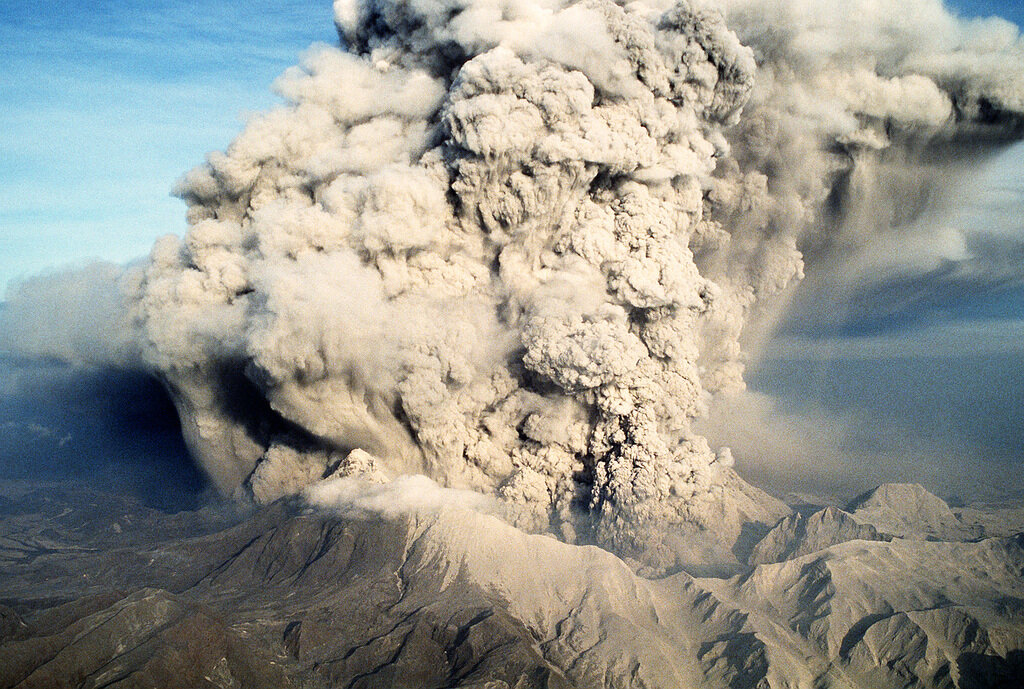
While the thought of a volcanic eruption might seem daunting, it’s important to understand that such events are relatively rare and often preceded by warning signs. The primary hazards associated with California’s volcanoes include ashfall, pyroclastic flows, lava flows, lahars (volcanic mudslides), and volcanic gas emissions. For travelers, awareness of these potential risks, though low, is part of responsible tourism. Park rangers and local authorities provide up-to-date information, ensuring visitors can safely enjoy these extraordinary natural landmarks.
Planning Your Volcanic Adventure: Travel, Accommodation, and Experiences
Exploring California’s volcanic regions offers an unparalleled opportunity for adventure and immersion in nature. These destinations cater to a wide array of travel interests, from rugged backpacking to comfortable sightseeing, and are perfectly suited for integrating into broader California travel itineraries.
Unforgettable Experiences Await
A trip to California’s volcanic landscapes is about more than just seeing volcanoes; it’s about experiencing the raw power and beauty of the Earth. Visitors can embark on challenging hikes up volcanic peaks, marvel at bubbling mudpots, soak in natural hot springs, or enjoy scenic drives through lava fields. Photography enthusiasts will find endless opportunities to capture dramatic landscapes, while stargazers can delight in the dark skies away from urban light pollution. Wildlife viewing, fishing, and birdwatching are also popular activities, adding another layer to the travel experience. Each park and region offers a unique set of activities, ensuring there’s something for every type of traveler seeking memorable experiences.
Where to Stay: Hotels, Resorts, and Unique Accommodations
Accommodation options around California’s volcanic areas vary widely to suit different preferences and budgets. For those visiting Lassen Volcanic National Park, towns like Chester and Susanville offer a mix of hotels, motels, and charming guesthouses. Inside the park, cabins and campgrounds provide immersive experiences. Near Mount Shasta, Mount Shasta City and Dunsmuir boast a range of hotels, spiritual retreats, and vacation rentals, from budget-friendly options to more luxurious resorts.
The Mammoth Lakes area, a hub for outdoor recreation, offers the most extensive choice of accommodation, including grand resorts, boutique hotels, spacious apartments, and cozy cabins, ideal for both short stays and long-term accommodation. Whether you’re planning a family trip, a romantic getaway, or a solo adventure, you’ll find suitable lodging that complements your travel lifestyle. Many establishments offer amenities like pools, spas, and easy access to local attractions, enhancing the overall tourism experience.
Essential Travel Tips for Volcanic Regions
When planning your volcanic adventure, consider these essential travel tips to ensure a safe and enjoyable journey:
- Best Time to Visit: Summer and early fall generally offer the best weather for hiking and exploring, especially in high-elevation areas like Lassen and Mount Shasta, where snow can persist until late spring. Mammoth Lakes is a popular winter destination for skiing.
- Gear Up: Pack layers of clothing, sturdy hiking boots, plenty of water, sunscreen, and a hat. For geothermal areas, wear shoes that can withstand potentially hot or muddy conditions.
- Stay on Trails: For your safety and to protect fragile ecosystems, always stay on marked trails and boardwalks, especially in geothermal areas where the ground can be thin and unstable.
- Check Conditions: Before you go, check park websites for current conditions, trail closures, and any warnings related to volcanic activity or weather.
- Leave No Trace: Practice Leave No Trace principles to preserve the natural beauty of these unique landscapes for future generations.
In conclusion, the answer to “Is there a volcano in California?” is a resounding yes, and these volcanic landscapes are some of the state’s most captivating travel destinations. They offer a rare opportunity to connect with the Earth’s dynamic processes, providing a backdrop for adventure, relaxation, and profound natural beauty. By understanding and respecting these powerful forces, travelers can unlock extraordinary experiences and create lasting memories in California’s fiery heart.
LifeOutOfTheBox is a participant in the Amazon Services LLC Associates Program, an affiliate advertising program designed to provide a means for sites to earn advertising fees by advertising and linking to Amazon.com. Amazon, the Amazon logo, AmazonSupply, and the AmazonSupply logo are trademarks of Amazon.com, Inc. or its affiliates. As an Amazon Associate we earn affiliate commissions from qualifying purchases.