
Texas, a state synonymous with vast ranches, oil fortunes, and a spirit of independent ambition, might also evoke images of a different kind of treasure: gold. While the romanticized notion of prospectors panning for nuggets in dusty riverbeds may seem like a relic of the past, the question of whether gold truly exists within the Lone Star State’s borders is more nuanced than a simple yes or no. For those drawn to the allure of precious metals, and for history buffs keen to uncover hidden stories, a deeper exploration reveals a fascinating, albeit modest, chapter in Texas’s geological and historical narrative.

A Glimmer of Prospecting History
The grand narrative of gold rushes often conjures up visions of the California Gold Rush or the Klondike. Texas, however, experienced its own, much smaller, gold-related booms and discoveries, primarily concentrated in specific regions and tied to particular geological formations. These instances, while never reaching the scale of their more famous counterparts, contributed to the state’s economic diversification and added another layer to its storied past.
Early Discoveries and Claims
The earliest documented discoveries of gold in Texas date back to the late 19th century. Prospectors, driven by rumors and a persistent hope, began to investigate areas that showed geological promise. The most significant and sustained activity centered around the regions of Llano County and the surrounding Texas Hill Country. These areas are characterized by ancient geological formations, including Precambrian granite and metamorphic rocks, which can host gold deposits.
One of the notable areas was near the town of Llano, where small quantities of placer gold (gold found in stream beds) and lode gold (gold found in veins within rock) were discovered. The discovery of gold near the Colorado River and its tributaries, particularly in Mason County, also fueled a modest prospecting fervor. While these finds were often in small, dispersed veins or as fine dust, they were enough to attract attention and encourage small-scale mining operations.
The “Old Tarpon” Mine and Other Ventures
Among the more persistent mining efforts was the “Old Tarpon” mine in Llano County. Though its name might suggest a marine connection, it was a reference to a local nickname for the area and its mining activities. This mine, along with others, worked to extract gold from quartz veins that had been identified. The economics of these operations were often challenging, as the gold content was low and the cost of extraction high, especially given the technology of the time.
Beyond Llano County, other areas experienced sporadic prospecting. The western parts of Texas, with their rugged terrain and mineral-rich geology, also saw some exploration. However, compared to the widespread and lucrative discoveries in other states, Texas gold deposits were generally smaller, more localized, and often harder to extract profitably.
The Geology of Texas Gold
Understanding where and why gold might be found in Texas requires a brief look at its geological underpinnings. Unlike regions dominated by volcanic activity or significant mountain-building events that often create rich gold veins, Texas’s gold occurrences are more subtle and tied to older geological processes.
Precambrian and Paleozoic Rocks
The majority of gold in Texas is associated with Precambrian and Paleozoic rocks. These ancient rock layers, exposed in certain parts of the state, were formed billions and millions of years ago, respectively, through processes that can sometimes include hydrothermal activity, where mineral-rich hot water circulates through rock fissures, depositing metals like gold.
The Texas Hill Country, particularly the area around Llano, is part of the Central Mineral Well Field and the Llano Uplift, a geologically unique region where older rocks have been uplifted and exposed. Within these ancient rocks, small veins of quartz can sometimes contain traces of gold. These are typically epithermal or mesothermal veins, formed under specific temperature and pressure conditions.
Placer Deposits and Erosion
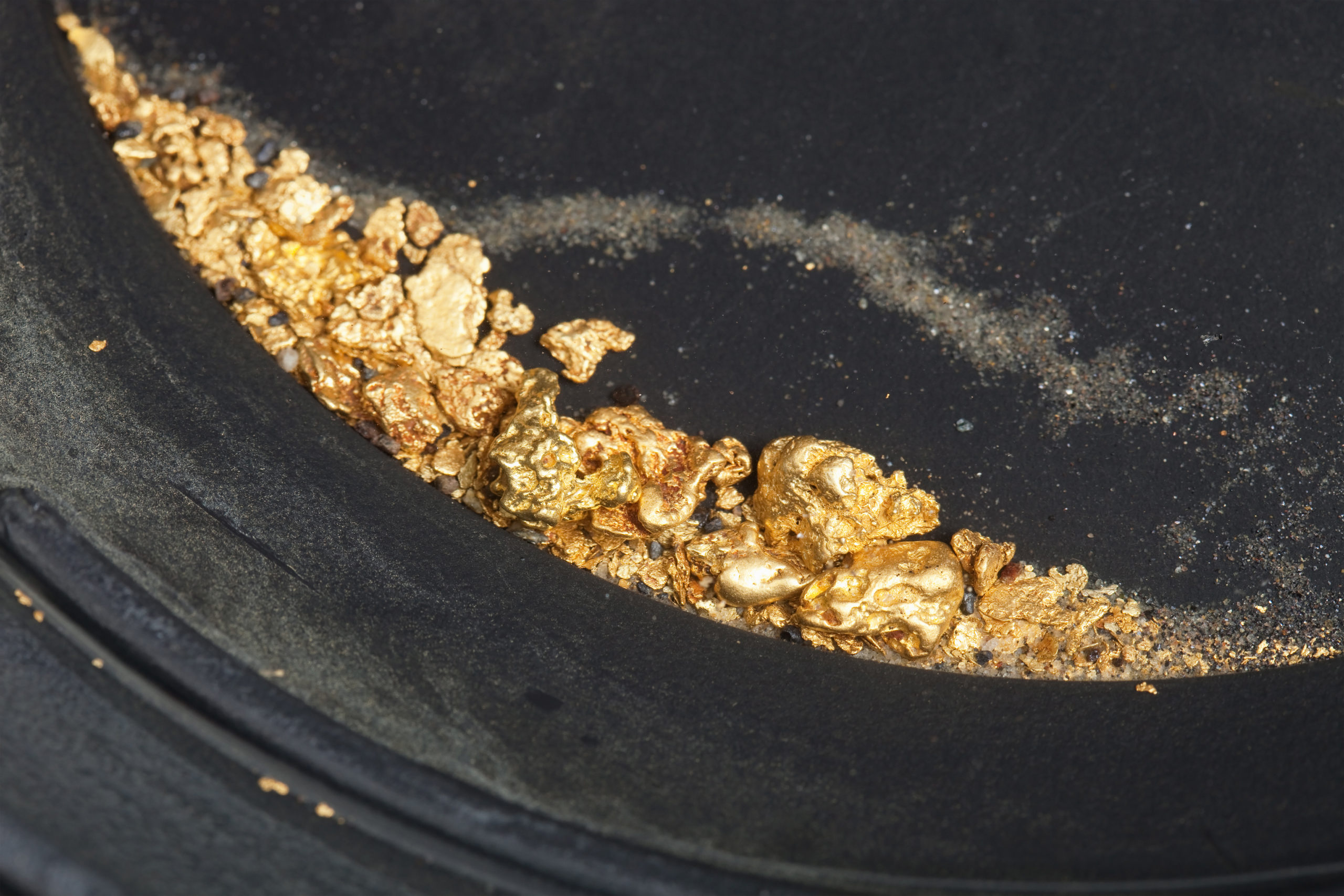
While lode deposits represent the primary source of gold, erosion plays a crucial role in creating placer deposits. Over millions of years, the weathering and erosion of gold-bearing rocks can release the metal, which then gets carried by water into stream beds. Because gold is dense, it tends to settle in areas where the water flow slows down, such as inside bends of rivers, in gravel bars, or behind large rocks.
The rivers and streams in areas like Llano County and Mason County have historically been the focus for placer gold prospectors. These deposits are often small and require significant effort to pan or sluice for even meager amounts. The gold found in these placer deposits is typically fine-grained and derived from the erosion of nearby lode occurrences.
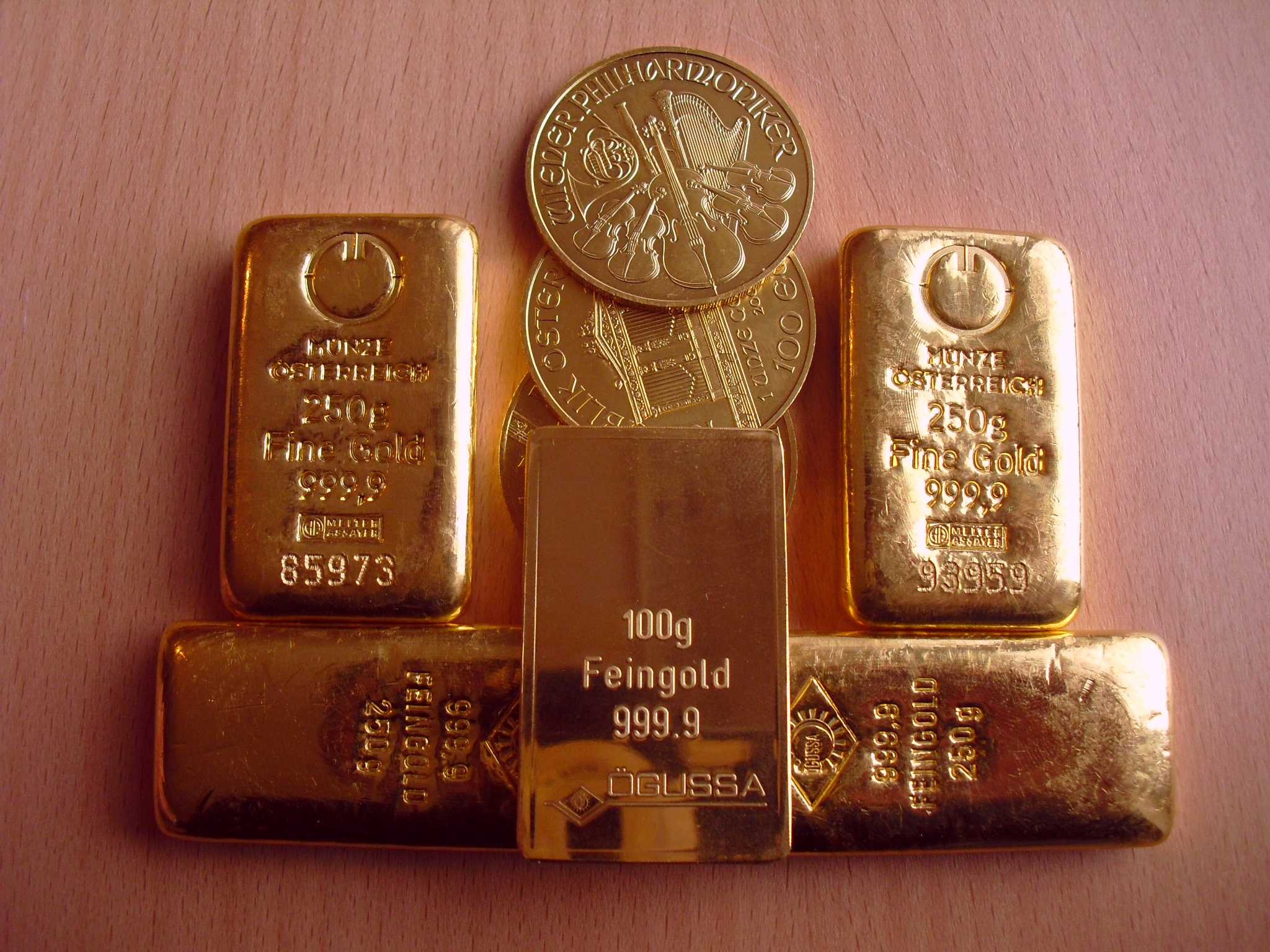
Modern-Day Gold Panning and Prospects
Today, the idea of striking it rich with gold in Texas is largely a romantic notion rather than a practical pursuit for large-scale commercial operations. The known deposits are not economically viable for modern industrial mining. However, for the recreational prospector or the enthusiast of geological curiosities, there are still opportunities.
Recreational Prospecting
Several areas in Texas permit recreational gold panning. The Texas Parks and Wildlife Department manages lands where prospecting might be allowed, provided that it adheres to specific regulations aimed at preserving the environment and respecting land ownership. Typically, these activities are limited to hand tools and non-motorized methods, focusing on areas with known historical gold presence, such as certain stretches of the Colorado River and its tributaries in the central and western parts of the state.
Clubs and organizations dedicated to prospecting in Texas can be valuable resources for newcomers. They often organize outings to known gold-bearing areas, share knowledge about prospecting techniques, and provide guidance on legal and ethical practices. These groups help keep the spirit of discovery alive for a new generation of adventurers.
The Value Beyond Gold
While the direct financial returns from gold prospecting in Texas are typically low, the allure extends beyond the precious metal itself. For many, the experience of being outdoors, exploring remote landscapes, and engaging with a piece of history is the true treasure. The process of panning for gold connects individuals to the natural world and to the efforts of those who came before them, seeking their fortunes in the rugged terrain.
The pursuit itself can be a rewarding journey, fostering patience, observation skills, and an appreciation for the geological processes that shape the land. It offers a unique way to experience the natural beauty of regions like the Texas Hill Country and to appreciate the less-highlighted aspects of the state’s rich history.
Beyond the Nugget: Other Treasures of Texas
Even if the prospect of finding significant gold deposits in Texas is limited, the state is undeniably rich in other forms of treasure, particularly those related to its unique cultural heritage, diverse landscapes, and vibrant spirit. These treasures offer a wealth of experiences for travelers and explorers.
Cultural and Historical Richness
Texas boasts a profound historical tapestry, woven from its days as a Spanish territory, a republic, and finally, a state in the United States. Landmarks like the Alamo in San Antonio stand as testaments to pivotal moments in its history. Exploring the historic districts of cities like Galveston or Austin reveals architectural gems and stories of bygone eras.
The state’s culture is a dynamic blend of influences, from its Tejano roots and Native American heritage to its strong Southern and Western traditions. This cultural mosaic is most vividly experienced through its music, art, and festivals.
Culinary Delights
Texas is a culinary powerhouse, famed for its robust flavors and diverse gastronomic landscape. Barbecue is an art form here, with distinct regional styles like Central Texas barbecue and East Texas barbecue drawing devotees from around the globe. Tex-Mex cuisine is another cornerstone, offering a flavorful fusion of Mexican and American influences, evident in dishes like enchiladas, tacos, and queso. Beyond these iconic offerings, Texas also excels in seafood along its coast, farm-to-table dining in its many cities, and an burgeoning craft brewery and winery scene.
Natural Wonders and Outdoor Adventures
The natural beauty of Texas is as varied as its culture. From the piney woods of East Texas to the arid deserts of the Big Bend region, the state offers a spectrum of landscapes for outdoor enthusiasts. National and state parks like Big Bend National Park, Palo Duro Canyon State Park, and Guadalupe Mountains National Park provide opportunities for hiking, camping, stargazing, and wildlife viewing. The Texas Coast offers a different kind of adventure with its beaches and wetlands. Whether it’s exploring the vastness of the desert or the tranquility of a river, Texas promises abundant natural treasures to discover.
The exploration for gold in Texas may yield more historical anecdotes than glittering riches, but the state itself is a treasure trove of experiences waiting to be unearthed by curious travelers.
LifeOutOfTheBox is a participant in the Amazon Services LLC Associates Program, an affiliate advertising program designed to provide a means for sites to earn advertising fees by advertising and linking to Amazon.com. Amazon, the Amazon logo, AmazonSupply, and the AmazonSupply logo are trademarks of Amazon.com, Inc. or its affiliates. As an Amazon Associate we earn affiliate commissions from qualifying purchases.