
The Genesis of a Hospitality Empire
The story of Hilton Hotels is a quintessential American success narrative, woven from threads of ambition, innovation, and a keen understanding of the burgeoning travel industry. At its heart lies the visionary figure of Conrad Nicholson Hilton. Born in a small, remote town in New Mexico, Hilton’s early life offered little indication of the global hospitality titan he would become. His father, Augustus Halvorsen Hilton, was a Norwegian immigrant who ran a general store and invested in real estate. Young Conrad spent his formative years learning the principles of business and customer service firsthand, assisting in his father’s endeavors. This foundational experience instilled in him an early appreciation for enterprise and the importance of exceeding customer expectations, principles that would define his future legacy.
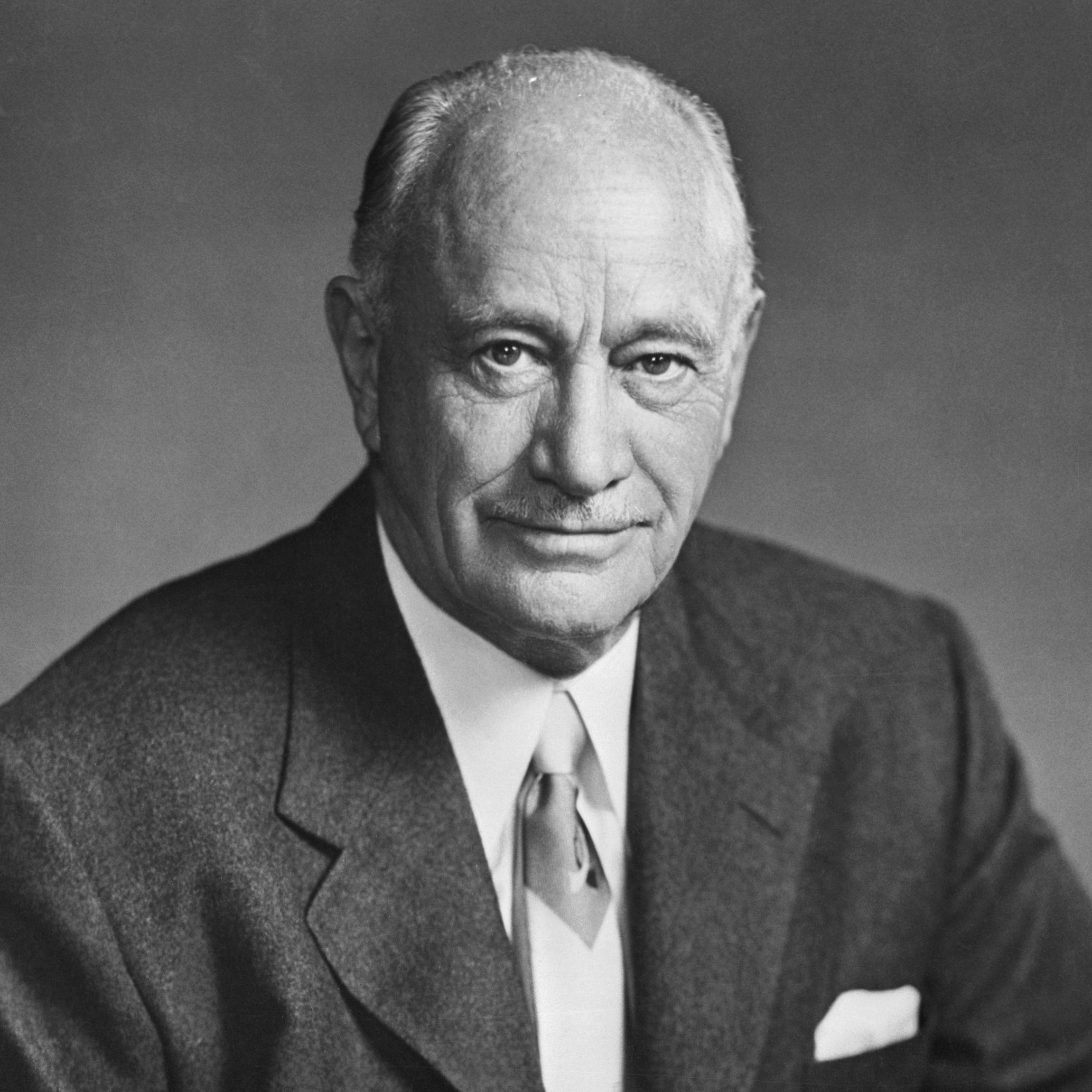
Hilton’s journey into the world of hotels wasn’t immediate. He served in the United States Army during World War I, an experience that exposed him to different cultures and further broadened his perspective. Upon his return, the burgeoning oil boom in Texas presented an irresistible opportunity. It was in the Lone Star State that Conrad Hilton’s entrepreneurial spirit truly ignited. He initially invested in a bank, but his true passion lay in acquiring and developing properties. The demand for lodging in rapidly growing towns was immense, and Hilton recognized the potential for a standardized, high-quality hotel experience that catered to the modern traveler. This foresight set him on a path that would forever alter the landscape of the hospitality industry. His early ventures, while modest, were characterized by a relentless pursuit of efficiency and guest satisfaction, laying the groundwork for the iconic brand that would soon emerge.
The First Steps: Dallas and the Dawn of Hilton’s Vision
The true genesis of Hilton Hotels can be traced back to the early 1920s in Dallas, Texas. Conrad Hilton, having established himself through astute real estate dealings, acquired his first hotel, the Mobley Hotel, in 1919. However, it was the construction of the Dallas Hilton in 1925 that marked a pivotal moment. This wasn’t just any hotel; it was conceived and built with a specific vision: to offer a superior lodging experience that met the needs of a rapidly expanding business community and an increasingly mobile populace. The Dallas Hilton was designed with modern amenities in mind, a stark contrast to the often-spartan accommodations available at the time.
Conrad Hilton was a pioneer in recognizing the power of branding and standardization within the hotel sector. He understood that travelers sought consistency, reliability, and a certain level of comfort, regardless of the city they were visiting. The Dallas Hilton became a tangible manifestation of this philosophy. It featured amenities such as air conditioning, a novelty for many hotels then, and a clear focus on efficient service. This initial success in Dallas provided Hilton with the capital and the confidence to expand his horizons. The hotel’s performance validated his business model and demonstrated the viability of his ambitious plans. He wasn’t just building hotels; he was creating destinations that offered a reliable and comfortable sanctuary for travelers, a concept that was revolutionary for its time. The foundation laid in Dallas would prove to be the bedrock upon which a global hospitality empire would be built, a testament to Hilton’s innovative spirit and unwavering dedication to hospitality excellence.
Expansion and Innovation: Building a National Presence
Following the success of the Dallas Hilton, Conrad Hilton embarked on an aggressive expansion strategy. The 1930s saw Hilton Hotels begin to establish a national footprint. Key acquisitions and new constructions in major cities across the United States solidified the brand’s presence and reputation. The Alamo Plaza Hotel in San Antonio, Texas, and the Plaza Hotel in New York City were among the significant properties added to the burgeoning portfolio. Acquiring iconic properties like the Plaza Hotel instantly lent prestige and visibility to the Hilton name, associating it with established luxury and prime urban locations.
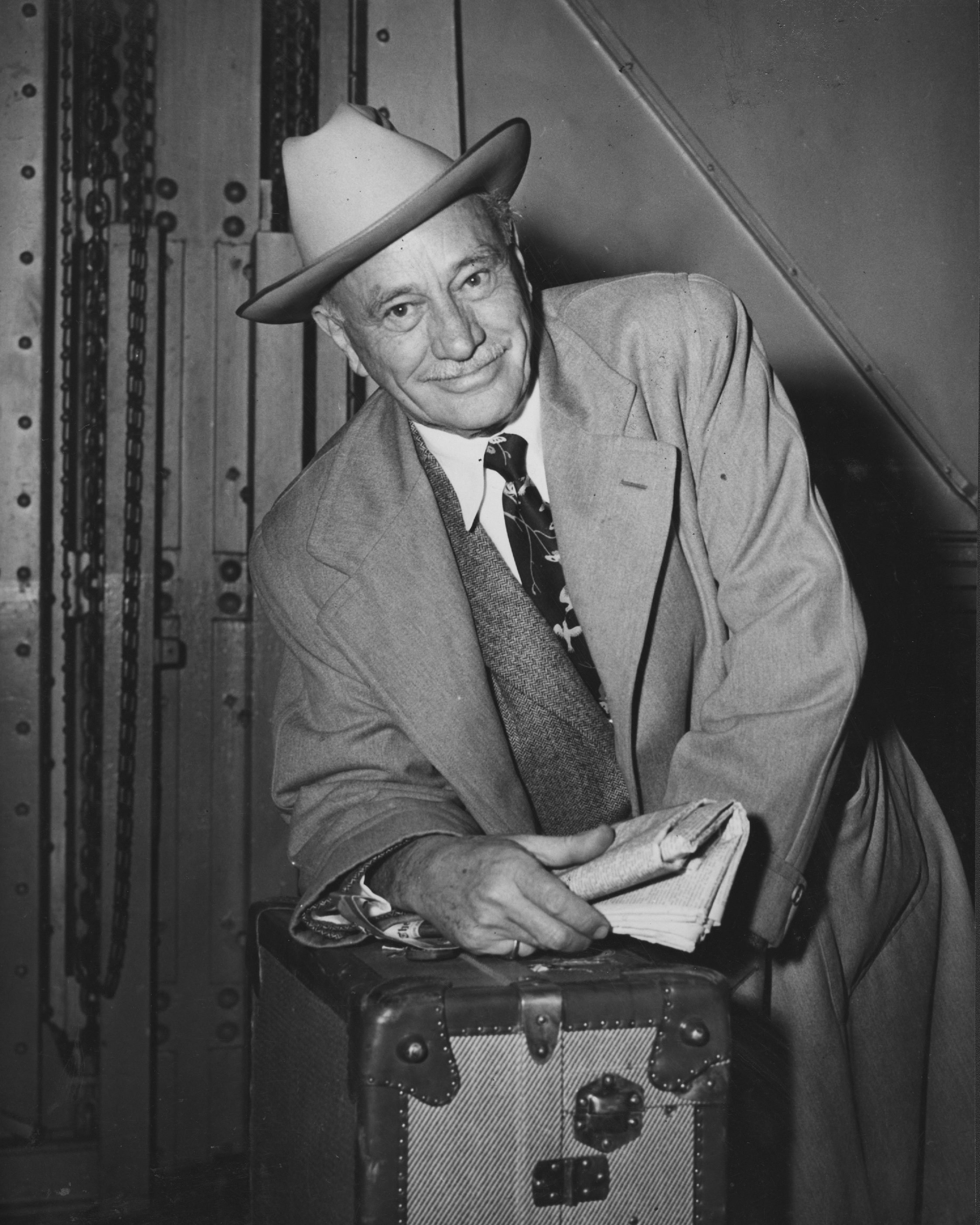
This period was also marked by Conrad Hilton’s continuous drive for innovation. He was an early adopter of technologies and operational efficiencies that enhanced the guest experience and streamlined management. For instance, Hilton Hotels were among the first to widely implement in-room telephones, allowing guests to easily connect with services and the outside world. The development of sophisticated reservation systems, even in their nascent forms, was crucial for managing the growing number of bookings and ensuring efficient room allocation. Hilton’s management style was characterized by his ability to delegate effectively while maintaining a sharp oversight of operations. He understood the importance of cultivating a motivated and well-trained staff, recognizing that the human element was as critical as the physical infrastructure in delivering exceptional hospitality. The strategic acquisitions and operational advancements during this era were instrumental in transforming Hilton Hotels from a regional player into a formidable national brand, poised for even greater international recognition.
The Strategic Significance of Key Acquisitions
The expansion of Hilton Hotels was not merely about acquiring properties; it was a carefully calculated strategy to embed the brand in critical markets and enhance its appeal. The acquisition of the Plaza Hotel in New York City in 1943 was particularly significant. This iconic establishment at Fifth Avenue and Central Park South was already a symbol of luxury and sophistication. By bringing it under the Hilton banner, Conrad Hilton instantly elevated the brand’s status and associated it with the highest echelons of hospitality.
Similarly, acquiring hotels in gateway cities and major business hubs ensured that Hilton was at the forefront of accommodating the increasing volume of business and leisure travelers. These locations were not chosen at random; they represented centers of commerce, culture, and transportation, providing a steady stream of potential guests. The integration of these diverse properties under a unified brand standard created a network effect, where the reputation of one Hilton hotel bolstered the perception of all others. This strategic approach to real estate and brand building was a hallmark of Conrad Hilton’s genius and a key driver of the company’s enduring success.
Global Ambitions and the Hilton Legacy
Conrad Hilton’s vision never stopped at the borders of the United States. He recognized the immense potential of international travel and the opportunity to export the successful Hilton model to new markets. The post-World War II era saw a significant increase in global mobility, and Hilton was quick to capitalize on this trend. The first international Hilton hotel opened in San Juan, Puerto Rico, in 1949, followed by the iconic Istanbul Hilton in Turkey in 1952. These openings were trailblazing, marking Hilton as one of the first American hotel companies to establish a significant international presence.
The Istanbul Hilton was particularly symbolic, representing a bridge between East and West and showcasing the global appeal of the Hilton brand. Hilton’s international expansion was driven by a combination of strategic partnerships and direct investment, always with the aim of maintaining his exacting standards for quality and service. He believed that the core principles of hospitality – comfort, convenience, and attentive service – were universally appreciated. Conrad Hilton’s philanthropy also played a role in shaping his legacy. He established the Conrad N. Hilton Foundation, which has since become a leading force in global humanitarian efforts, demonstrating his commitment to giving back beyond his business endeavors. His legacy is not solely defined by the hotels he built, but also by the enduring principles of hospitality and service that he championed, principles that continue to guide the Hilton brand to this day.
The International Pioneer
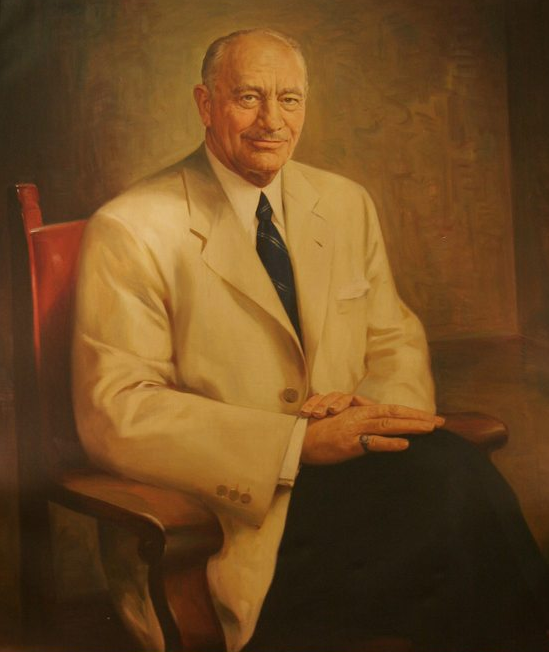
Conrad Hilton’s ambition to make Hilton Hotels a global entity was visionary for its time. In the mid-20th century, international travel was still a relatively niche pursuit, often reserved for the affluent or those on diplomatic or business missions. Hilton saw the burgeoning potential and strategically positioned his brand to be at the forefront of this expansion. The choice of locations for early international ventures was astute, targeting areas with growing tourism potential and strategic geopolitical importance.
The Hilton Hotels Corporation went public in 1946, providing the financial capital needed for ambitious global projects. The opening of the Caribe Hilton in San Juan, Puerto Rico, in 1949, is often cited as the first major international resort hotel in the Caribbean, a testament to Hilton’s forward-thinking approach. This was followed by the significant Istanbul Hilton in Turkey, which not only established a Hilton presence but also helped to modernize the hospitality infrastructure in the region. These ventures were not merely about planting flags; they were about introducing a new standard of international hospitality, characterized by reliability, efficiency, and a touch of American flair, all adapted to local contexts. Conrad Hilton’s commitment to excellence, coupled with his unwavering belief in the universal appeal of good hospitality, laid the foundation for Hilton Hotels to become one of the most recognized and respected hotel brands worldwide. His pioneering spirit continues to influence the global hospitality industry, inspiring countless entrepreneurs and hoteliers to dream big and build enduring businesses.
LifeOutOfTheBox is a participant in the Amazon Services LLC Associates Program, an affiliate advertising program designed to provide a means for sites to earn advertising fees by advertising and linking to Amazon.com. Amazon, the Amazon logo, AmazonSupply, and the AmazonSupply logo are trademarks of Amazon.com, Inc. or its affiliates. As an Amazon Associate we earn affiliate commissions from qualifying purchases.