
For anyone considering a move, an extended stay, or an investment in the sun-drenched landscapes of the Sunshine State, a fundamental question often arises: “Is there property tax in Florida?” The answer is a resounding yes. While Florida is renowned for its lack of a state income tax, property taxes remain a crucial component of its financial ecosystem. These taxes are levied at the local level by counties, cities, and special districts to fund essential public services such as schools, law enforcement, fire protection, infrastructure, and parks. Understanding how property taxes work in Florida is vital for anyone dreaming of owning a piece of this vibrant state, whether it’s a permanent residence, a vacation home, or an investment property, profoundly influencing lifestyle choices and accommodation considerations.
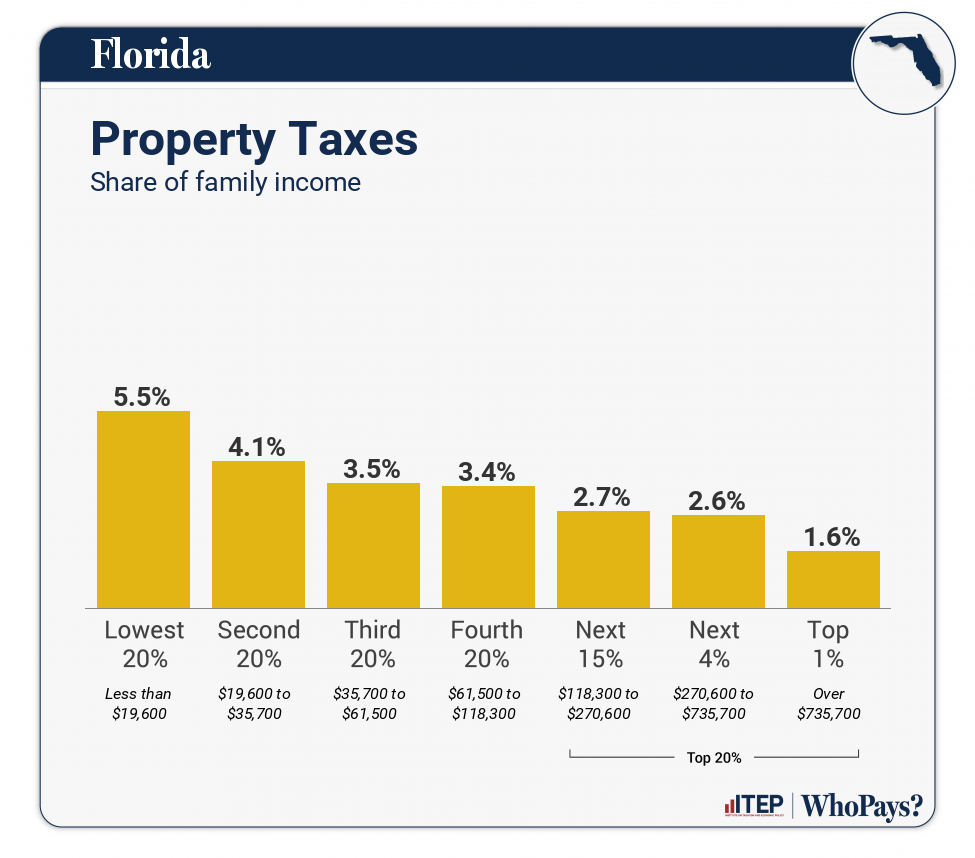
Understanding Property Tax in Florida
Property tax is an ad valorem tax, meaning it’s based on the assessed value of a property. In Florida, this system is designed to distribute the financial responsibility of local governance among property owners. For travelers exploring long-term stays or contemplating a shift to this popular destination, grasping the nuances of this tax is as important as knowing the best beaches or the most enchanting landmarks.
The Basics of Florida Property Tax
Every property owner in Florida is subject to property taxes, unless specifically exempted. The funds collected from these taxes form the backbone of local government budgets, directly impacting the quality of life and the availability of amenities in a given area. From the pristine beaches of Naples to the bustling urban centers of Miami and the family-friendly resorts of Orlando, the services funded by property taxes enhance the experience for residents and tourists alike. This revenue ensures that the infrastructure supporting Florida’s thriving tourism industry – from well-maintained roads leading to popular attractions to robust public safety services – remains strong.
The tax year in Florida typically runs from January 1st to December 31st. Tax bills are usually mailed in November and are due by March 31st of the following year. Discounts are often offered for early payment, incentivizing property owners to pay their dues promptly. For those considering long-term accommodation options, such as purchasing a villa or an apartment, budgeting for these annual taxes is a non-negotiable part of the financial planning.
Factors Influencing Your Tax Bill
Several critical factors determine the amount of property tax an owner pays in Florida:
- Assessed Value: This is the value placed on a property by the county property appraiser. It’s often, but not always, close to the market value. In Florida, the “Save Our Homes” amendment caps the annual increase in the assessed value of homesteaded properties at 3% or the Consumer Price Index, whichever is lower. This provides significant protection against rapidly rising property values for primary residences.
- Millage Rate: Also known as the tax rate, the millage rate is expressed in “mills,” where one mill equals one dollar per $1,000 of assessed value. Different taxing authorities (county, city, school board, water management district, etc.) each have their own millage rates, which are combined to form the total rate for a specific property. These rates can vary significantly from one county or city to another, reflecting the diverse needs and priorities of local communities.
- Exemptions: Various exemptions can reduce the taxable value of a property, thereby lowering the tax bill. The most significant is the homestead exemption, which applies to primary residences. Other exemptions exist for seniors, veterans, and individuals with disabilities, further impacting the net tax burden.
For prospective homeowners or those looking to invest in rental properties, understanding these components is key to accurately estimating annual expenses. When comparing accommodation options, whether for a temporary stay or a permanent move, these tax implications play a vital role in the overall cost of living or investment return.
The Role of Property Appraisers and Tax Collectors
In Florida, two primary local government offices are responsible for property taxes:
- The Property Appraiser: This office is responsible for identifying, locating, and appraising all real and tangible personal property within the county. They determine the assessed value of properties based on market conditions, property characteristics, and sales data. This appraisal process is critical, as it directly influences the tax base.
- The Tax Collector: Once the property appraiser establishes the assessed values and the various taxing authorities set their millage rates, the tax collector calculates, collects, and disburses the property taxes. They are also responsible for issuing tax bills, processing payments, and conducting annual tax certificate sales for unpaid taxes.
These two offices work in tandem to ensure the efficient and fair administration of property taxes across all 67 counties in Florida. Their transparency and accessibility are cornerstones of the state’s property tax system, offering resources for property owners to understand their assessments and tax obligations.
Navigating Property Taxes as a Homeowner or Investor
Whether you’re relocating for a lifestyle change, seeking a luxurious travel experience that includes property ownership, or planning a strategic investment in Florida’s booming real estate market, understanding how property taxes affect different types of ownership is crucial.
Homestead Exemption and Other Key Benefits
The Homestead Exemption is perhaps the most significant property tax benefit for Florida residents. If a property is your permanent and primary residence, you can apply for this exemption, which reduces the taxable value of your home by up to $50,000. This translates into substantial savings on your annual property tax bill. To qualify, you must own the home and reside in it as your permanent home as of January 1st of the tax year.
Beyond the financial savings, the homestead exemption also triggers the “Save Our Homes” assessment limitation, which caps annual increases in the assessed value of your property at 3% or the Consumer Price Index, whichever is less. This protection helps shield homeowners from dramatic spikes in property taxes, particularly in rapidly appreciating markets like Miami-Dade County or Broward County.

Other important exemptions exist, including:
- Senior Exemptions: Many counties offer additional exemptions for seniors who meet specific income requirements.
- Veteran Exemptions: Veterans with service-connected disabilities can receive significant or even full exemptions.
- Disability Exemptions: Individuals with total and permanent disabilities may also qualify for exemptions.
These exemptions are vital considerations for those planning a retirement in Florida or seeking a more affordable lifestyle within its appealing locales.
Impact on Vacation Homes and Rental Properties
For those interested in Florida as a destination for vacation homes or investment properties, the property tax landscape changes. Unlike primary residences, vacation homes, second homes, and rental properties do not qualify for the homestead exemption or the “Save Our Homes” assessment cap. This means their assessed values can increase at market rates each year, potentially leading to higher and more volatile property tax bills compared to homesteaded properties.
Investors eyeing the lucrative tourism market, particularly in areas surrounding attractions like Walt Disney World Resort or Universal Orlando Resort, must factor these higher potential tax burdens into their financial models. The appeal of renting out a villa in Kissimmee or an apartment in Miami for short-term stays is undeniable, but the absence of homestead benefits means a more significant portion of rental income or personal expenses will go towards property taxes. This makes diligent research into specific county millage rates and property values even more crucial for non-homesteaded properties.
Planning for Property Taxes in Popular Florida Destinations
The variation in property taxes across Florida is significant, influenced by local government spending, property values, and millage rates. Planning for these costs requires an understanding of the specific region you’re interested in.
For example, a luxury apartment in South Florida in a high-demand area like Miami Beach will likely have a much higher property tax bill than a similar property in a more rural part of North Florida, even if the millage rates are similar, simply due to the vast difference in property values. Similarly, a family planning a long-term stay near Orlando’s theme parks might find different tax implications when comparing homes in Lake Buena Vista, Celebration, or Kissimmee, all of which cater to diverse lifestyle and accommodation needs. Thorough research into the specific county (e.g., Orange County, Osceola County, Miami-Dade County, Hillsborough County) property appraiser and tax collector websites is always recommended before making a purchase.
Florida’s Diverse Landscape: A Look at Property Taxes in Key Regions
Florida’s appeal lies in its incredible diversity, from world-class theme parks to serene beaches and vibrant urban centers. This diversity extends to its property tax landscape, with implications for different types of travel, accommodation, and lifestyle choices.
Tourism Hotspots and Their Tax Structures
Orlando, the undisputed theme park capital of the world, draws millions of visitors annually to attractions like Walt Disney World Resort (including Magic Kingdom, Epcot, Hollywood Studios, and Animal Kingdom) and Universal Orlando Resort (home to Universal Studios Florida, Islands of Adventure, and Volcano Bay). The surrounding areas, such as Lake Buena Vista, Celebration, and Kissimmee, are hotspots for short-term rental investments and vacation homes.
Property taxes in Orlando and its neighboring Orange County and Osceola County can be substantial, especially for non-homesteaded properties. Investors often target these regions due to high demand for tourist accommodation, ranging from luxurious resorts like the Gaylord Palms Resort & Convention Center and Omni Orlando Resort at ChampionsGate to numerous vacation rental villas. Hotels like Rosen Shingle Creek, Hyatt Regency Grand Cypress, and The Ritz-Carlton Orlando, Grande Lakes also contribute significantly to the local tax base through their commercial property assessments. Meanwhile, properties within the theme park resorts themselves, such as the Loews Portofino Bay Hotel, Hard Rock Hotel Orlando, The Cabana Bay Beach Resort at Universal CityWalk, or Disney’s Grand Floridian Resort & Spa, Disney’s Polynesian Village Resort, Disney’s Contemporary Resort, and Disney’s Boardwalk Inn at Disney Springs, operate under commercial tax structures that directly fund the expansive infrastructure and services required by such massive tourist operations. The high volume of visitors on International Drive and other tourist corridors ensures a consistent flow of revenue from property taxes, which supports the overall visitor experience.
Coastal Charms and Urban Hubs
Along Florida’s extensive coastlines and within its bustling cities, property taxes reflect a different set of dynamics.
Miami, a global hub for finance, culture, and luxury travel, along with neighboring Fort Lauderdale in Broward County, command some of the highest property values in the state. Consequently, property tax bills in Miami-Dade County and Broward County are generally higher due to the sheer value of real estate, even if millage rates aren’t the absolute highest. For those seeking a cosmopolitan lifestyle or considering a waterfront luxury apartment, these cities offer unparalleled experiences but come with a premium on property taxes.
On Florida’s Gulf Coast, cities like Naples, Sarasota, and St. Petersburg are known for their stunning beaches, vibrant arts scenes, and relaxed yet sophisticated atmospheres. Property values in these desirable areas can also be quite high, translating into significant tax obligations. However, they offer a different kind of luxury and lifestyle compared to South Florida’s intense urban pace. Tampa, the bustling urban core of Hillsborough County, also presents a dynamic market for both residential and commercial properties, with tax rates reflecting its rapid growth and diverse economic activities. Each of these cities caters to specific preferences for hotels, accommodation, and the overall tourism experience, with property taxes directly contributing to their unique charm and infrastructure.

North and Central Florida’s Unique Appeal
Moving further north, Jacksonville stands as Florida’s largest city by land area, offering a blend of urban amenities, natural beauty, and a more suburban feel. Property taxes here can be more moderate compared to the southern hubs, making it an attractive option for families and those seeking a slightly lower cost of living while still enjoying access to beaches and a strong job market.
In Central Florida, beyond Orlando’s immediate orbit, cities like Gainesville (a prominent university town) and Daytona Beach (famous for its motorsports and beaches) present varying property tax profiles. Gainesville’s taxes are influenced by its robust educational institutions, while Daytona Beach sees spikes related to its tourism and event-driven economy.
Finally, Tallahassee, the state capital, in North Florida, offers a more traditional Southern charm and a stable government-based economy. Property taxes here reflect a balance between urban development and preserving a more historic, collegiate atmosphere. The diverse nature of these regions underscores the importance of localized research when considering property ownership in Florida. Even coastal gems like Key West, known for its distinct lifestyle and limited land availability, command premium property values and, consequently, higher property taxes, emphasizing its unique luxury travel and accommodation market.
In conclusion, property tax is an undeniable and significant aspect of owning real estate in Florida. While the absence of a state income tax is a major draw, prospective buyers, whether they are looking for a permanent home, a vacation getaway, or a strategic investment, must diligently account for local property taxes. Understanding the assessment process, millage rates, available exemptions, and regional variations is paramount for making informed decisions and ensuring a financially sound experience in the Sunshine State, whether for travel, long-term accommodation, or a new lifestyle chapter.
LifeOutOfTheBox is a participant in the Amazon Services LLC Associates Program, an affiliate advertising program designed to provide a means for sites to earn advertising fees by advertising and linking to Amazon.com. Amazon, the Amazon logo, AmazonSupply, and the AmazonSupply logo are trademarks of Amazon.com, Inc. or its affiliates. As an Amazon Associate we earn affiliate commissions from qualifying purchases.