
Understanding “what time it is” in Seattle goes far beyond a simple glance at your watch. While the immediate answer places the Emerald City firmly within the Pacific Time Zone, this seemingly straightforward detail unlocks a comprehensive understanding of how to maximize your travel, tourism, and lifestyle experiences in this dynamic Pacific Northwest hub. From planning your arrival and navigating local landmarks to securing the perfect accommodation and immersing yourself in Seattleites’ daily rhythm, time is a crucial, often underestimated, element of your journey. This article delves into the nuances of Seattle’s clock, guiding you to make the most of every moment.
The Rhythm of the Emerald City: Understanding Seattle’s Time Zone
At its core, Seattle, like the rest of Washington State, adheres to Pacific Time. However, this isn’t a static concept, fluctuating between standard and daylight saving periods, each with its own implications for visitors and residents alike.
Pacific Time Explained: PST vs. PDT
Seattle observes two distinct time settings throughout the year: Pacific Standard Time (PST) and Pacific Daylight Time (PDT). PST is in effect during the fall and winter months, sitting eight hours behind Coordinated Universal Time (UTC-8). Come spring, usually the second Sunday of March, clocks “spring forward” one hour, ushering in PDT, which is seven hours behind UTC (UTC-7). This shift means longer daylight hours into the evening, a cherished aspect of Seattle’s glorious summer. The change back to PST occurs on the first Sunday of November, when clocks “fall back.” Understanding this annual transition is vital for anyone planning a trip, as it affects everything from flight schedules and attraction operating hours to the overall mood and availability of outdoor activities. For instance, a late summer visit will offer ample evening light for strolls along Elliott Bay, while a winter trip will bring earlier sunsets, perfect for cozy indoor experiences or enjoying the city lights.
Bridging the Time Gap: Planning Your Arrival and Departure
For travelers arriving from other time zones, particularly the East Coast of the United States or international destinations, the time difference can present a challenge in the form of jet lag. A three-hour difference from the East Coast means arriving in what feels like late evening when it’s still afternoon in Seattle, potentially disrupting sleep patterns and energy levels. Strategic planning is key. Consider booking flights that arrive in Seattle in the afternoon, allowing you to settle into your accommodation, have an early dinner, and aim for a natural bedtime. Hydration, avoiding excessive caffeine or alcohol on the flight, and gentle exposure to natural light upon arrival can significantly aid adjustment. For departures, particularly early morning flights, factor in Seattle’s rush hour traffic, which can start surprisingly early. Allowing ample time to reach Seattle-Tacoma International Airport is crucial, ensuring a stress-free end to your trip. Many hotels offer late check-out or luggage storage facilities, enabling you to enjoy a final morning in the city before heading to the airport.
Optimizing Your Seattle Itinerary: Time-Sensitive Tourism and Landmarks
Seattle’s array of attractions and experiences are best enjoyed when aligned with the city’s natural rhythm and the operational hours of its famed landmarks. Timing your visits can dramatically enhance your experience, helping you avoid crowds, catch special moments, and fully immerse yourself in the local culture.
Morning in Seattle: Market Buzz, Coffee Culture, and Early Birds
The early morning in Seattle offers a unique charm, especially at the iconic Pike Place Market. Arriving shortly after its opening, typically around 7 AM for some vendors and 9 AM for the main market, allows you to witness the famous fish throwing, engage with local artisans, and sample fresh produce before the bustling crowds descend. This is also the prime time to dive into Seattle’s renowned coffee culture. Numerous cafes, including the original Starbucks at Pike Place (though the Starbucks Reserve Roastery offers a more immersive experience), open early, serving up expertly crafted brews. For those seeking iconic views without the midday rush, an early ascent to the Space Needle or a tranquil walk through Chihuly Garden and Glass right at opening offers breathtaking perspectives in a more serene setting. Consider catching an early ferry from Colman Dock to Bainbridge Island or Vashon Island for a scenic journey and a peaceful start to your day away from the city bustle.
Afternoon Explorations: Museums, Views, and Neighborhood Charm
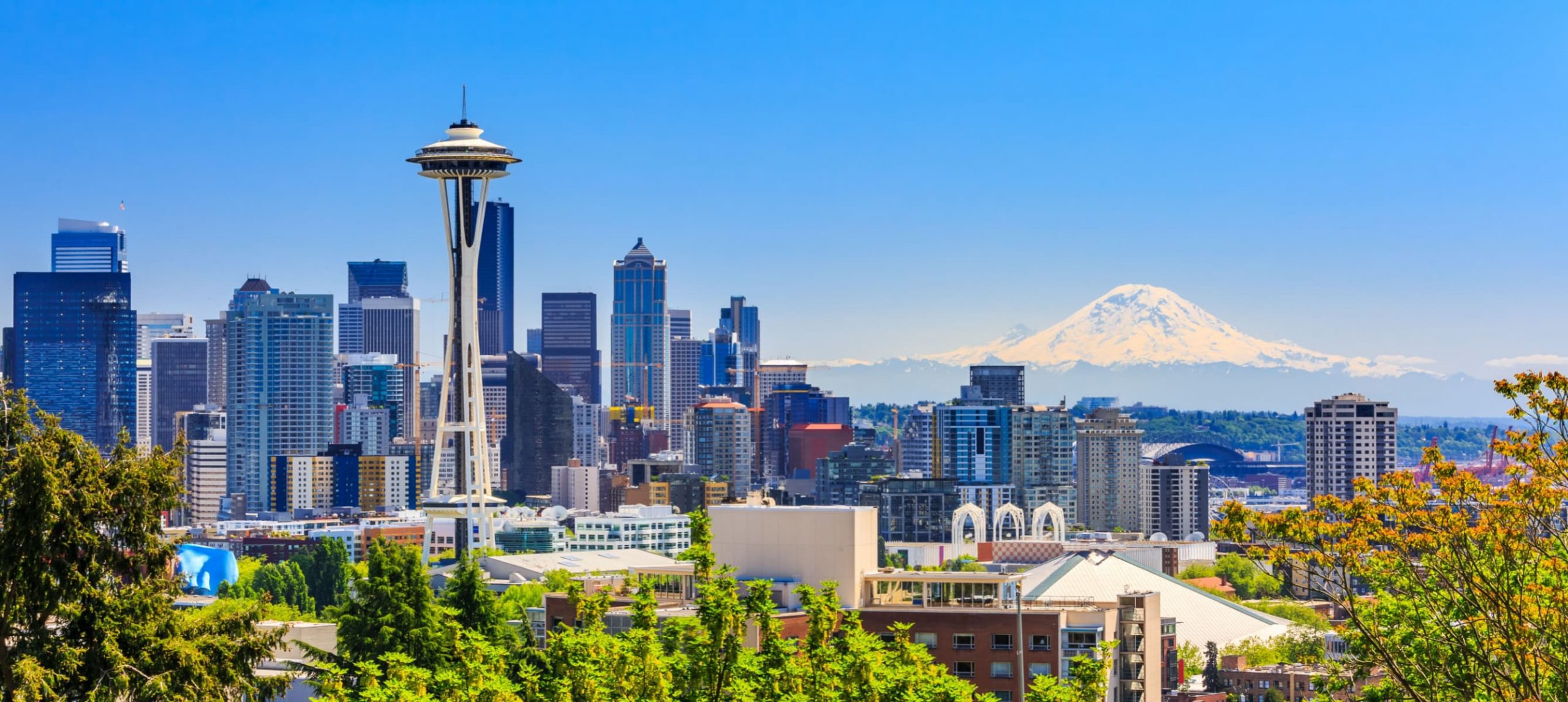
As morning transitions into afternoon, Seattle’s diverse museums and vibrant neighborhoods beckon. Midday is ideal for exploring institutions like the Museum of Pop Culture (MoPOP), the Seattle Art Museum (SAM), or the Pacific Science Center, which generally operate from late morning until late afternoon. For panoramic cityscapes, the Sky View Observatory at the Columbia Center offers unparalleled 360-degree vistas, often with shorter lines than the Space Needle. Alternatively, a visit to Kerry Park in the late afternoon provides that quintessential postcard view of the city skyline, Mount Rainier, and Elliott Bay, especially as the golden hour approaches. This is also a perfect time to wander through Seattle’s distinctive neighborhoods: browse the quirky shops and discover the Fremont Troll in Fremont, explore the lively streets and diverse eateries of Capitol Hill, or immerse yourself in the maritime history and craft breweries of Ballard. Each neighborhood has its own rhythm, with shops and galleries typically open well into the evening.
Seattle Evenings: Culinary Delights and Nightlife
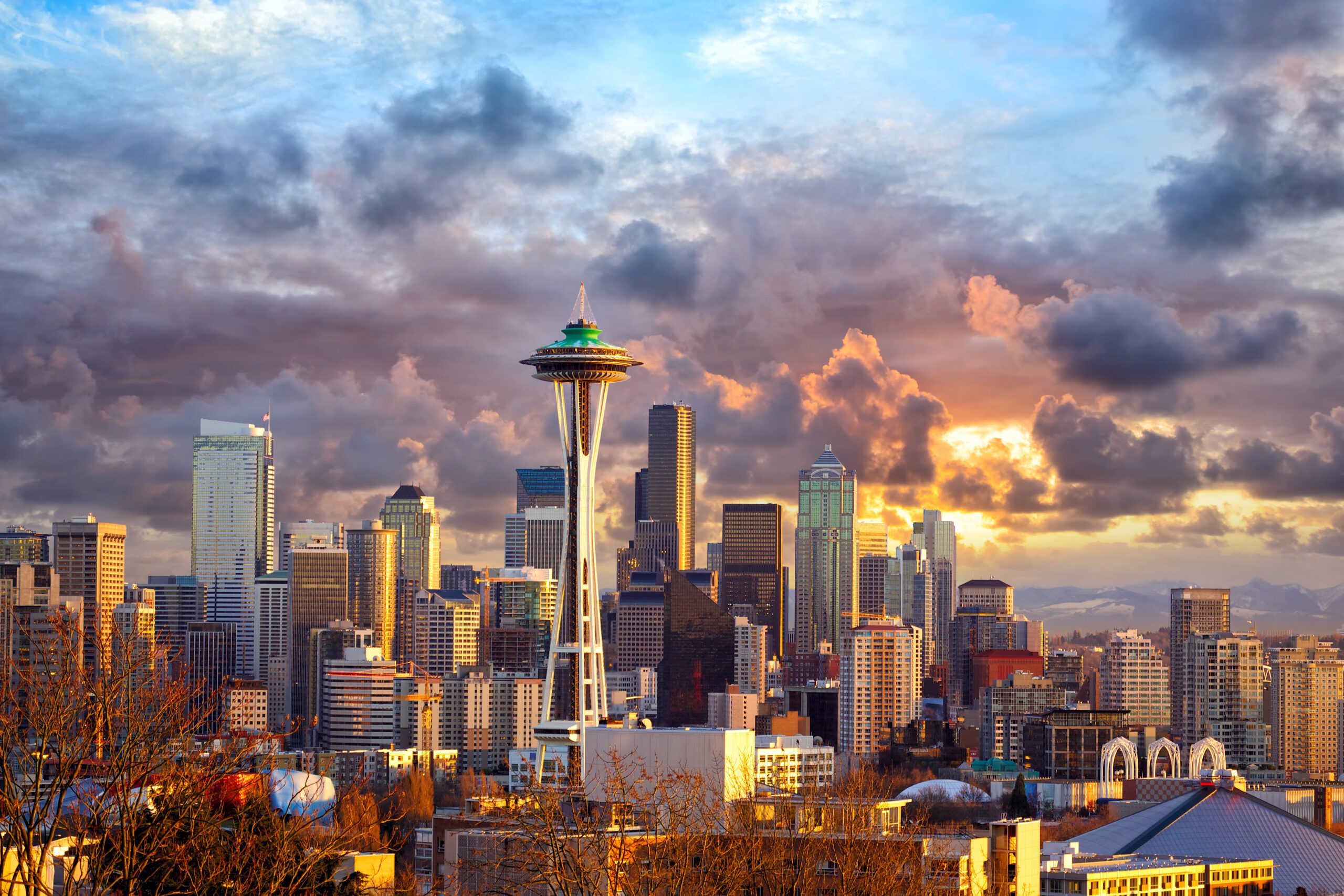
When the sun begins to set, Seattle transforms, offering a vibrant array of dining and entertainment options. Dinner reservations are highly recommended, especially for popular establishments, with peak dining hours typically between 7 PM and 9 PM. If you prefer a more relaxed or early meal, consider booking for 5:30 PM or 6 PM to avoid the rush. For nightlife enthusiasts, Pioneer Square and Belltown come alive with bars, clubs, and live music venues. Catching a performance at McCaw Hall (home to the Pacific Northwest Ballet and Seattle Opera) or experiencing the vibrant theater scene often requires advance booking and careful attention to curtain times. Sports fans can revel in the atmosphere of a Seattle Mariners game at T-Mobile Park or a Seattle Seahawks or Seattle Sounders FC match at Lumen Field, with games typically starting in the late afternoon or early evening. For a truly magical end to the day, consider a sunset cruise on Lake Union or Elliott Bay, offering unparalleled views of the city lights reflecting on the water.
Accommodation and the Clock: Ensuring a Restful Stay
Your choice of accommodation and how you manage your time within it plays a significant role in the overall comfort and success of your Seattle trip. Hotels, resorts, apartments, and villas are designed with specific time-related services to cater to travelers’ needs.
Check-in, Check-out, and Hotel Services
Standard hotel check-in times in Seattle typically range from 3 PM to 4 PM, with check-out usually around 11 AM or 12 PM. These times are crucial, especially if you have early morning arrivals or late evening departures. Most establishments, from boutique hotels in Pioneer Square to major chains like the Hyatt Regency Seattle or the historic Fairmont Olympic Hotel in Downtown Seattle, offer luggage storage services, allowing you to explore the city unburdened before your room is ready or after you’ve checked out. Early check-in or late check-out might be available for an additional fee or as a perk for loyalty program members, subject to availability. It’s always advisable to communicate your arrival and departure times with your chosen accommodation in advance. Additionally, consider the operating hours of hotel amenities – whether the fitness center is 24/7, when the pool opens, or the specific times for room service. These details can significantly impact your daily schedule and convenience.
Beating Jet Lag: Amenities and Strategies
For long-haul travelers, selecting accommodation that actively aids in combating jet lag can be a game-changer. Many upscale hotels in Seattle are equipped with amenities designed to promote restful sleep and recovery. Look for rooms with excellent soundproofing and effective blackout curtains, which are essential for controlling your sleep environment regardless of the local time. Comfortable bedding, adjustable thermostats, and quiet air conditioning systems also contribute to a conducive sleep space. Access to hotel fitness centers, spas, or pools can be beneficial, as light exercise and relaxation techniques can help reset your body clock. Some hotels might offer specialized services like in-room massage or guided meditation apps. Beyond hotel amenities, personal strategies are vital: stay hydrated, try to expose yourself to natural light during Seattle’s daytime hours, and avoid heavy meals or excessive screen time close to bedtime. Gradual adjustment to the local schedule, even before you depart, can make a significant difference in how quickly you adapt to Pacific Time.
Beyond the Touristic Clock: Lifestyle and Local Time in Seattle
To truly understand “what time it is” in Seattle, one must look beyond attraction hours and delve into the city’s unique lifestyle, daily rhythms, and how seasonal changes dictate local experiences.
Business Hours, Commute Patterns, and Local Etiquette
Seattle’s general business hours for retail shops, banks, and government offices typically mirror those found across the United States, usually from 9 AM or 10 AM to 5 PM or 6 PM. However, the city’s infamous commute patterns are a critical time consideration. Weekday rush hours, roughly 6:30 AM to 9 AM and 3:30 PM to 6:30 PM, can significantly impact travel times, whether you’re driving, taking public transport, or using ride-shares. Planning excursions outside these windows or utilizing Seattle’s light rail system can save precious time. Dining culture often leans towards casual, but reservations are prudent for popular spots, especially on weekends. While Seattleites are generally known for their polite yet somewhat reserved demeanor (sometimes referred to as the “Seattle Freeze”), understanding and respecting local rhythms, such as not lingering unnecessarily during peak times or being punctual for appointments, can foster positive interactions. Embracing a relaxed, thoughtful pace often serves visitors well.
Seasonal Shifts and the “Time” for Different Experiences
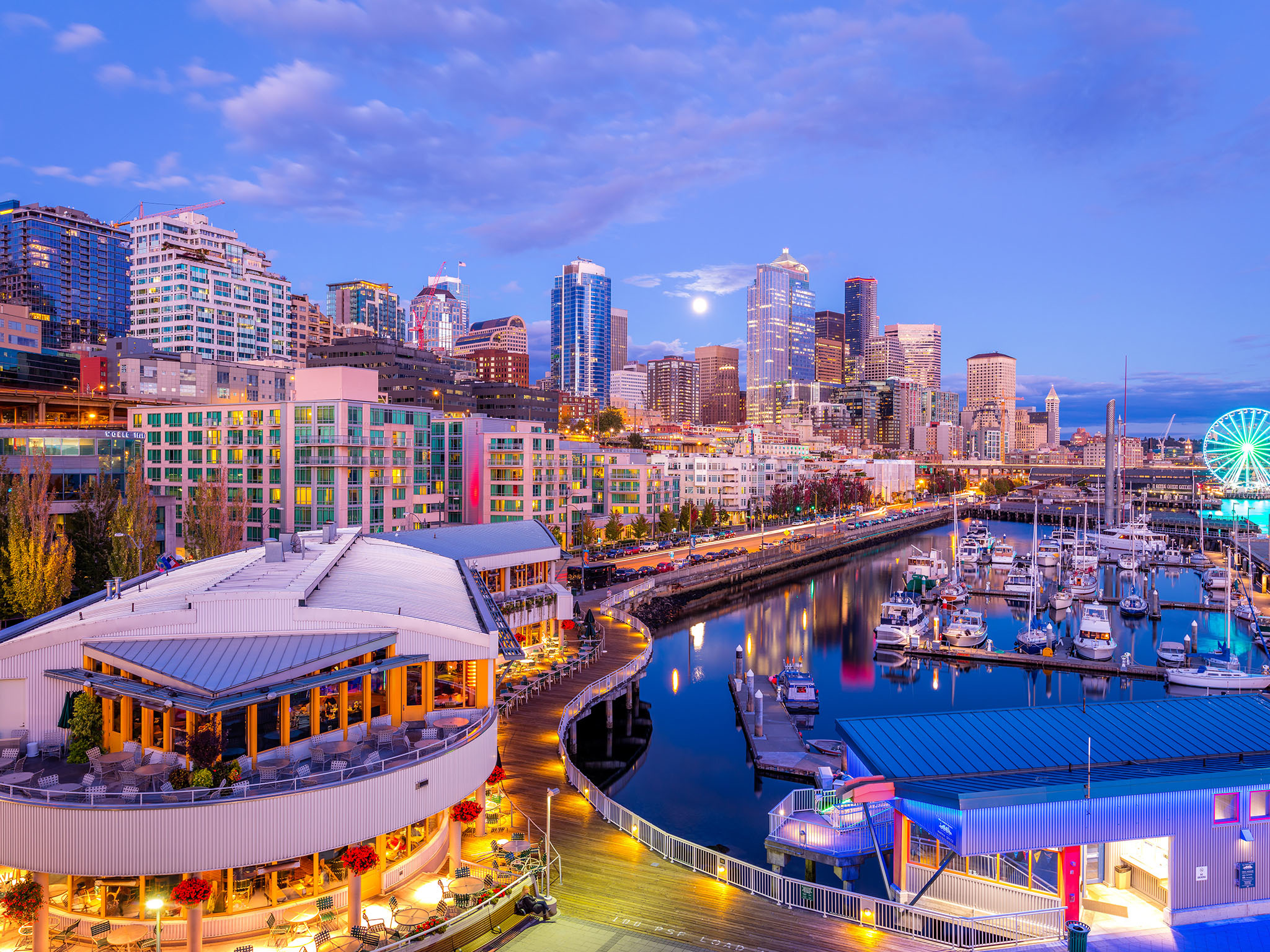
The dramatic difference in daylight hours between summer and winter profoundly shapes the Seattle experience. In summer, the sun can rise as early as 5 AM and set as late as 9 PM, offering incredibly long evenings perfect for outdoor activities like kayaking on Lake Union, hiking in the nearby Cascade Mountains, or exploring Mount Rainier National Park. This extended daylight allows for more flexibility in planning and encourages a vibrant outdoor lifestyle. Conversely, winter brings much shorter days, with sunrises as late as 8 AM and sunsets before 4:30 PM. This shift influences everything from mood to activity choices, encouraging cozy indoor pursuits like museum visits, exploring the city’s robust culinary scene, or enjoying the warmth of a local brewery. The “best time” to visit Seattle truly depends on what type of experience you seek, with each season offering its own unique temporal charm and a different interpretation of “what time it is” in the Emerald City.
In conclusion, knowing “what time it is” in Seattle is far more than just a matter of checking the clock; it’s about embracing the intricate rhythm of the Emerald City. From understanding the nuances of Pacific Standard Time and Pacific Daylight Time to strategically planning your visits to world-class landmarks and choosing accommodation that supports your well-being across time zones, every moment counts. By aligning your travel plans with Seattle’s daily and seasonal cadences, you unlock a richer, more authentic, and ultimately more memorable Pacific Northwest adventure. So, set your watch, but more importantly, tune into the pulse of this captivating city, and let time guide your unforgettable journey.
LifeOutOfTheBox is a participant in the Amazon Services LLC Associates Program, an affiliate advertising program designed to provide a means for sites to earn advertising fees by advertising and linking to Amazon.com. Amazon, the Amazon logo, AmazonSupply, and the AmazonSupply logo are trademarks of Amazon.com, Inc. or its affiliates. As an Amazon Associate we earn affiliate commissions from qualifying purchases.