
The second Monday in October marks a day steeped in history, a time when many across the United States observe Columbus Day. For families, students, and educators in California, a common question inevitably arises: is there school on this federal holiday? The answer, while seemingly straightforward, unveils a nuanced tapestry of public policy, cultural considerations, and evolving traditions. While Columbus Day is a recognized federal holiday, its observance and impact on school schedules in California are not uniform, often reflecting a growing dialogue about historical narratives and indigenous heritage.
Understanding the Holiday’s Observance
Columbus Day officially commemorates the arrival of Christopher Columbus in the Americas in 1492. However, its celebration has become increasingly contentious, particularly due to the profound and often devastating impact of European colonization on Indigenous peoples. This shift in perspective has led many communities, including those in California, to reconsider the traditional narrative and explore alternative observances.
Federal vs. State and Local Decisions
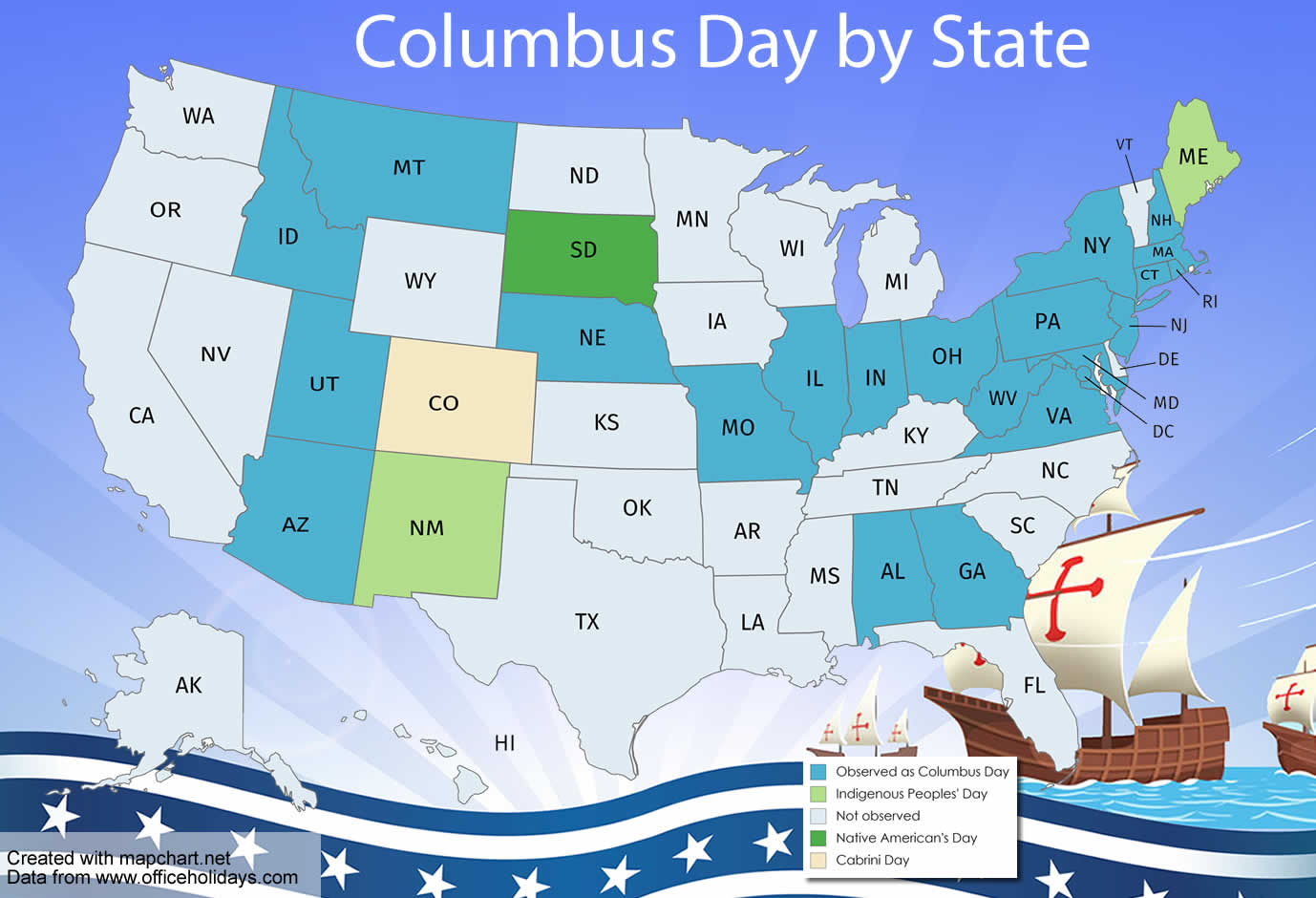
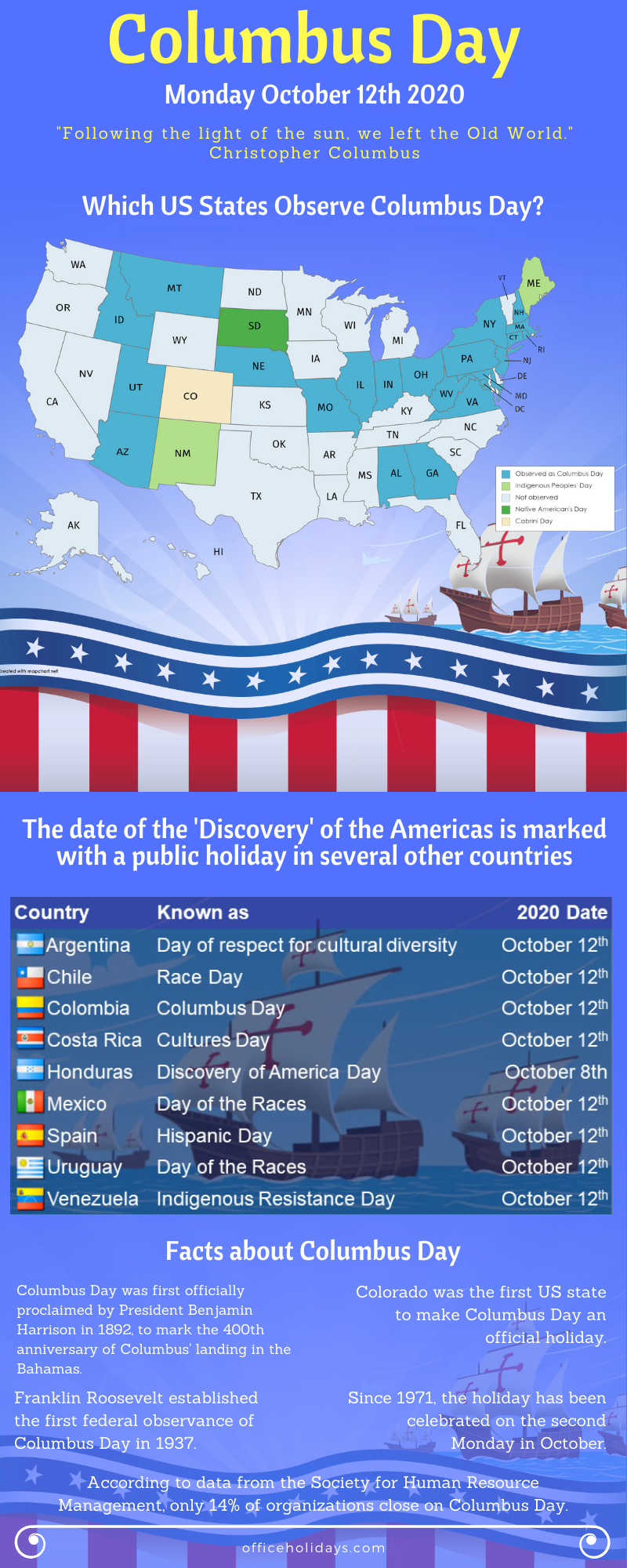
At the federal level, Columbus Day is a public holiday. This means federal government offices are closed, and federal employees receive a paid day off. Many private sector employers also observe the holiday, offering their employees a day of rest. However, the decision of whether to close public schools and government offices at the state and local levels rests with individual states and school districts.
In California, the situation is not as simple as a blanket closure for all schools. While the holiday is recognized, the actual observance and its impact on the academic calendar are determined by the California Department of Education and, more directly, by individual school districts. This means that whether a student in Los Angeles has a day off might differ from a student in San Francisco or a smaller rural district.
The Influence of Indigenous Peoples’ Day
In recent years, there has been a significant movement across the United States, and particularly in California, to replace or supplement Columbus Day with Indigenous Peoples’ Day. This alternative holiday honors the history and resilience of Native American communities and acknowledges the injustices they have historically faced. Many cities and counties in California have officially recognized Indigenous Peoples’ Day, often celebrating it on the same day as Columbus Day.
This dual recognition or outright replacement has a direct impact on school schedules. Some school districts in California have voted to observe Indigenous Peoples’ Day instead of Columbus Day, leading to a school closure. Others may choose to acknowledge both, perhaps with educational programming focused on the complex history, or they might continue to observe Columbus Day with a school holiday. The trend, however, is leaning towards acknowledging the perspectives of Indigenous peoples, reflecting a broader societal evolution in understanding history and advocating for inclusivity.
How School Districts Make Their Decisions
The decision-making process for school holidays is typically handled at the district level. School boards, in consultation with administrators and sometimes community input, determine the academic calendar, including designated holidays and breaks. Several factors influence these decisions regarding Columbus Day:
Budgetary and Operational Considerations
For school districts, operational costs are a significant factor. Closing schools means a day without regular instruction, which can have implications for student learning time and curriculum pacing. However, the cost savings from not operating schools for a day – such as reduced utility bills and transportation expenses – can also be a consideration. For many districts, the primary driver is ensuring sufficient instructional days are met within the academic year as mandated by state regulations.
Community Sentiment and Advocacy
The evolving public perception of Columbus Day plays a crucial role. As advocacy groups and community members push for greater recognition of Indigenous history and rights, school districts are often pressured to align their policies with these sentiments. This can involve petitions, school board meetings, and public awareness campaigns. In California, a state with a rich and complex history involving Native American tribes, this advocacy has been particularly strong, leading to a number of districts formally adopting Indigenous Peoples’ Day.
Educational Objectives and Curriculum
Some districts may choose to keep schools open on Columbus Day but integrate educational activities that explore the multifaceted history of the holiday. This approach aims to use the day as a learning opportunity, discussing the voyages of Christopher Columbus, the subsequent colonization of the Americas, and the impact on Indigenous populations. This can be a way to acknowledge the historical significance while also promoting a more critical and inclusive understanding of the past.
Navigating the School Calendar in California
Given the varied approaches, parents and students in California should verify their specific school district’s calendar. Here’s how to approach this:
Checking Your Local School District’s Website
The most reliable way to determine if there is school on Columbus Day is to visit the official website of your local school district. Most districts publish their academic calendars online well in advance. These calendars will clearly indicate all school holidays, professional development days for teachers, and other non-instructional days.
Understanding District-Specific Policies
As mentioned, policies can differ significantly even between neighboring districts. For example, the Los Angeles Unified School District might have a different policy than the San Diego Unified School District or a smaller, more rural district in the Central Valley. It is essential to look for the specific policies of the district where the student is enrolled.
The Rise of Indigenous Peoples’ Day Recognition
It’s important to note the trend towards recognizing Indigenous Peoples’ Day. Even if a district doesn’t explicitly state “no school for Columbus Day,” they might be observing it as Indigenous Peoples’ Day, which would still result in a day off for students. This shift is a significant development and reflects a growing awareness and commitment to accurate historical representation. This acknowledgment is often accompanied by specific curriculum enhancements designed to educate students about the history, cultures, and contributions of Native American peoples.
What to Do on a School Holiday
Whether your child has a day off for Columbus Day or Indigenous Peoples’ Day, it can be an opportunity for enriching experiences. California offers a wealth of possibilities for family outings and cultural exploration.
Exploring California’s Rich History and Culture
California is home to numerous historical landmarks and cultural sites that can provide valuable educational experiences. Visiting a historical mission, such as the Mission San Juan Capistrano, can offer insights into the state’s colonial past and the experiences of its Indigenous peoples. Museums dedicated to natural history or cultural heritage, like the Natural History Museum of Los Angeles County or the Oakland Museum of California, can also be excellent destinations.
Engaging with Indigenous Communities and Heritage
For families looking to honor Indigenous Peoples’ Day, there are often local events, powwows, or cultural exhibitions held by Native American tribes across California. Researching and attending these events can provide a direct and respectful way to learn about Indigenous traditions, art, and history. Many state and local parks also offer educational programs focused on the indigenous history of the land.
Travel and Leisure Opportunities
If the holiday results in a day off, it can also be a perfect opportunity for a short family trip or a day of leisure. California boasts diverse travel destinations, from the beaches of Southern California to the redwoods of Northern California.
- Family Getaways: Consider a trip to a family-friendly resort or a staycation exploring local attractions. Many hotels offer special packages for families looking to make the most of a long weekend.
- Outdoor Adventures: California’s state parks and national forests, such as Yosemite National Park or Joshua Tree National Park, offer fantastic opportunities for hiking, exploring nature, and enjoying the diverse landscapes.
- Cultural Exploration: Immerse yourselves in the local arts scene, visit a new neighborhood, or enjoy a culinary tour of California’s vibrant food culture.
In conclusion, while Columbus Day is a federal holiday, its observance in California schools is not universal. The trend towards recognizing Indigenous Peoples’ Day and the decentralized nature of school district decision-making means that it’s crucial for parents and students to stay informed about their local academic calendar. Regardless of whether school is in session, the day offers a valuable opportunity to reflect on history, engage with diverse cultures, and enjoy the many wonders that California has to offer.
LifeOutOfTheBox is a participant in the Amazon Services LLC Associates Program, an affiliate advertising program designed to provide a means for sites to earn advertising fees by advertising and linking to Amazon.com. Amazon, the Amazon logo, AmazonSupply, and the AmazonSupply logo are trademarks of Amazon.com, Inc. or its affiliates. As an Amazon Associate we earn affiliate commissions from qualifying purchases.