
The vibrant heart of Chicago pulses with a multitude of cultural celebrations throughout the year, and among the most anticipated and colorful is the annual Puerto Rican Parade. This spectacular event, a cornerstone of the city’s Puerto Rican community and a beacon of its rich heritage, draws thousands of spectators to the streets, showcasing a dazzling display of Puerto Rican pride, music, dance, and tradition. For those planning a visit to Chicago with the specific intention of experiencing this beloved festival, or for locals looking to mark their calendars, understanding its timing is key.
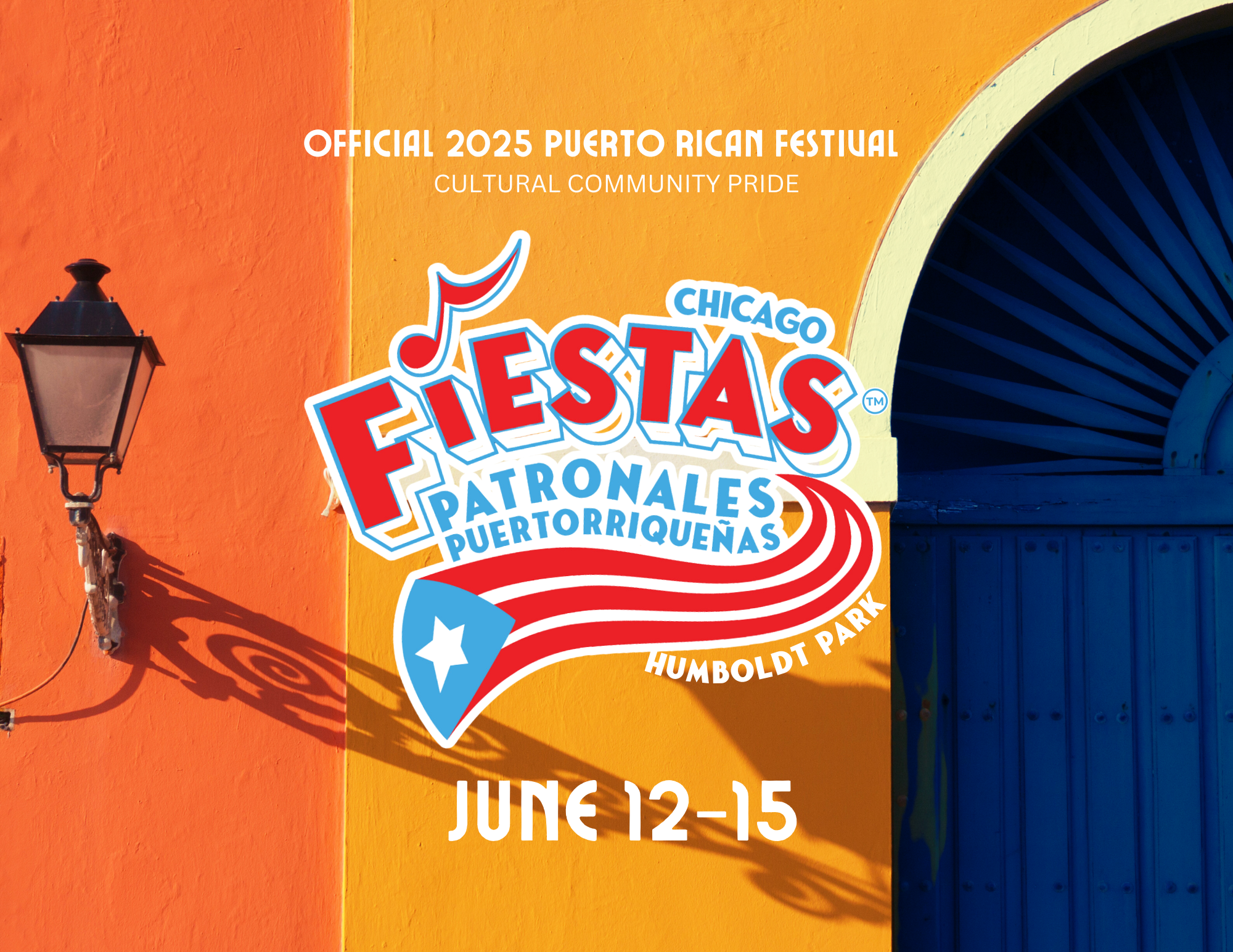
The Puerto Rican Parade in Chicago traditionally takes place during the month of June. This timing is significant, often coinciding with Puerto Rican Heritage Month, which is celebrated nationally in the United States. June provides a warm and pleasant backdrop for an outdoor parade, allowing attendees to fully immerse themselves in the festivities without the chill of colder months. While the exact date can vary slightly from year to year, it is almost invariably held on a Sunday in mid-to-late June, making it a perfect weekend destination for those seeking a cultural immersion and a lively celebration.
Understanding the Significance of the Puerto Rican Parade
The Puerto Rican Parade in Chicago is far more than just a procession of floats and marching bands; it is a profound expression of identity, resilience, and the enduring spirit of the Puerto Rican people. For decades, this parade has served as a vital platform for the Puerto Rican diaspora in Chicago to connect with their roots, celebrate their contributions to the city, and share their vibrant culture with the wider community. It’s an opportunity to honor ancestral heritage, acknowledge the present-day achievements of Puerto Ricans, and inspire future generations.
The origins of the parade can be traced back to the growing Puerto Rican population in Chicago, particularly in neighborhoods like Humboldt Park. As the community flourished, so did the desire to create a public declaration of their presence and cultural richness. The parade became a tangible manifestation of this collective identity, evolving from smaller gatherings into the grand spectacle it is today. It stands as a testament to the community’s ability to preserve and promote its unique traditions in a new land, fostering a strong sense of belonging and pride.
The parade route itself is often a journey through the heart of Chicago’s Puerto Rican community, typically culminating in Humboldt Park, a significant hub for Puerto Rican cultural activities. This geographical connection underscores the parade’s deep roots within the city’s urban landscape. Families, friends, and organizations come together, adorned in the vibrant colors of the Puerto Rican flag – red, white, and blue – and adorned with national symbols. The atmosphere is electric, filled with the infectious rhythms of Salsa, Reggaeton, and other traditional Puerto Rican music, as well as the cheers and laughter of the enthusiastic crowd.
A Tapestry of Culture: What to Expect at the Parade
When you attend the Puerto Rican Parade in Chicago, you are stepping into a living tapestry of Puerto Rican culture. The visual spectacle is unparalleled, with elaborately decorated floats representing various Puerto Rican towns, organizations, and historical figures. Dancers in traditional attire, such as the Pava and Pistolera for women and the Guayabera for men, showcase folk dances that tell stories of island life and history. The rhythmic pulse of the Bomba and * plena* drums provides an irresistible soundtrack, inviting everyone to move to the beat.
Beyond the parade itself, the surrounding festivities often extend into a larger celebration. Many organizations and community groups host pre-parade gatherings and post-parade block parties, offering authentic Puerto Rican cuisine. Imagine savoring mofongo (mashed plantains), arroz con gandules (rice with pigeon peas), pasteles (a tamale-like dish), and lechón (roasted pig) alongside tembleques (coconut candy) and mallorcas (sweet bread). These culinary delights are an integral part of the celebration, providing a delicious and authentic taste of the island.
The parade also serves as a showcase for Puerto Rican artistry and entrepreneurship. You’ll often see artisans displaying and selling handmade crafts, jewelry, and clothing, allowing visitors to take a piece of Puerto Rican culture home with them. It’s an opportunity to support local artists and businesses while finding unique souvenirs. Furthermore, community organizations often have informational booths, sharing their missions and inviting participation, highlighting the ongoing efforts to preserve and promote Puerto Rican culture and advocate for community needs.

Planning Your Visit to Experience the Parade
For travelers and locals alike, planning ahead is essential to make the most of the Puerto Rican Parade in Chicago. The popularity of this event means that accommodations in the vicinity, especially near Humboldt Park and surrounding neighborhoods, can book up quickly. It’s advisable to secure your hotel or other lodging well in advance, particularly if you are looking for specific amenities or budget options. Websites offering hotel comparisons and booking services can be invaluable resources during this planning phase.
Suggested Accommodations and Travel Tips
When considering where to stay, Chicago offers a wide range of options to suit every preference and budget. For those seeking luxury, the city boasts numerous high-end hotels and resorts that provide impeccable service and world-class amenities. Consider areas like the Magnificent Mile for easy access to a plethora of five-star establishments. If you’re on a tighter budget, Chicago also has a good selection of mid-range hotels, guesthouses, and even hostels, particularly in neighborhoods slightly outside the immediate downtown core. The availability of vacation rentals and apartments can also offer a more home-like experience, potentially saving money, especially for longer stays or for families traveling together.
Navigating Chicago during the parade can be an adventure. Public transportation, particularly the CTA (Chicago Transit Authority) train and bus systems, is generally efficient and a great way to avoid traffic congestion. Many parade-goers opt to use public transit to reach the parade route. Parking can be challenging and expensive in the areas surrounding the parade, so researching parking options or relying on rideshare services might be a more convenient alternative. Familiarize yourself with the parade route in advance to determine the best public transit stops or drop-off points.
It’s also a good idea to check the official website of the Puerto Rican Parade or the Puerto Rican Cultural Center for any updates on the parade route, schedule, or special events. These official sources will often provide the most accurate and up-to-date information. Remember to wear comfortable shoes, as you’ll likely be doing a lot of walking and standing. The June weather in Chicago can be warm, so bring sunscreen, a hat, and plenty of water to stay hydrated. Consider bringing a small backpack to carry your essentials.

Beyond the Parade: Exploring Chicago’s Puerto Rican Community and Attractions
While the Puerto Rican Parade is undoubtedly a major draw, your visit to Chicago during June offers a fantastic opportunity to explore the city’s rich Puerto Rican community and its broader cultural landscape. The Humboldt Park neighborhood itself is a vibrant center, often referred to as Little San Juan. Here, you can discover authentic Puerto Rican restaurants, bakeries, and shops year-round, not just during the parade. Exploring these establishments provides a deeper understanding of the community’s daily life and culinary traditions.
Humboldt Park, the eponymous park, is a beautiful urban oasis and a significant gathering place for the Puerto Rican community. It features a lagoon, sports facilities, and a botanical garden, offering a serene escape from the city bustle. The National Museum of Puerto Rican Arts and Culture, located within the park, is an absolute must-visit for anyone interested in the artistic heritage of Puerto Rico. It showcases a rotating collection of exhibits, from traditional folk art to contemporary installations, providing invaluable insights into the island’s artistic evolution and the contributions of Puerto Rican artists.
Beyond the direct Puerto Rican cultural experiences, Chicago is a world-class city with countless attractions. Consider visiting iconic landmarks like Millennium Park to see the famous Cloud Gate sculpture (The Bean), or take a stroll along the Magnificent Mile for a premier shopping experience. Architecture enthusiasts will be enthralled by Chicago’s renowned skyscrapers and may enjoy an architectural boat tour on the Chicago River. For art lovers, the Art Institute of Chicago houses an impressive collection of masterpieces.
Families traveling with children will find plenty to do, from exploring the Lincoln Park Zoo to visiting the Field Museum or the Shedd Aquarium. For those interested in history, a visit to the Abraham Lincoln Presidential Library and Museum or a walk through Lincoln Park offers a glimpse into America’s past. Even if you’re on a budget, Chicago offers numerous free attractions, including many of its world-class museums on specific days, beautiful parks, and the opportunity to simply soak in the city’s diverse neighborhoods.
Ultimately, a visit to Chicago to experience the Puerto Rican Parade is an enriching journey that combines vibrant cultural immersion with the exploration of a dynamic major city. By understanding when the parade takes place and planning your accommodation and travel accordingly, you can ensure a memorable and fulfilling experience, celebrating the spirit and heritage of Puerto Rico amidst the bustling energy of Chicago.
LifeOutOfTheBox is a participant in the Amazon Services LLC Associates Program, an affiliate advertising program designed to provide a means for sites to earn advertising fees by advertising and linking to Amazon.com. Amazon, the Amazon logo, AmazonSupply, and the AmazonSupply logo are trademarks of Amazon.com, Inc. or its affiliates. As an Amazon Associate we earn affiliate commissions from qualifying purchases.