
Navigating the financial landscape of any travel destination is a crucial aspect of planning, especially for those considering extended stays or even relocation. For many, the allure of states with no income tax is a significant draw, promising greater disposable income and a simplified financial life. When exploring the vibrant and diverse offerings of the American West, the question of state income tax in Nevada invariably arises. This comprehensive guide delves into the specifics of Nevada’s tax structure, focusing on its lack of a state income tax and what this means for travelers, tourists, and those planning longer engagements within its borders.

Understanding Nevada’s Tax Climate
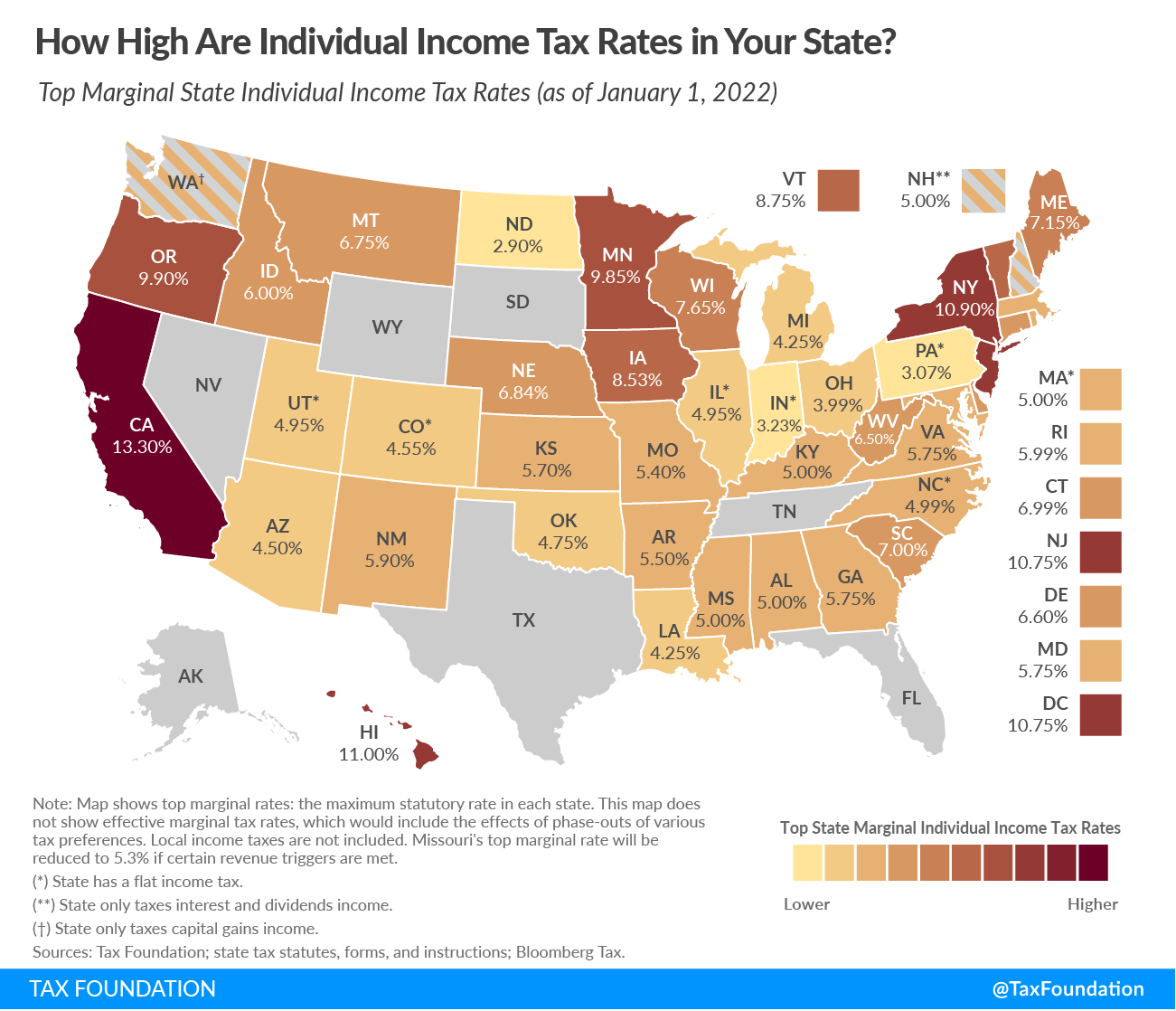
Nevada stands out among its peers in the United States for a particular fiscal characteristic: the absence of a state-level income tax. This policy has been a cornerstone of the state’s economic strategy for decades, attracting both individuals and businesses seeking to maximize their earnings and capital.
The Absence of Personal Income Tax
The most significant aspect of Nevada’s tax policy is its exemption from levying any tax on personal income. This means that residents and visitors earning wages, salaries, or any other form of personal income within the state do not have to set aside a portion of their earnings for state income tax purposes. This is a stark contrast to many other states, where income tax rates can significantly impact an individual’s take-home pay.
This policy is not merely a historical artifact; it’s an actively maintained feature of the state’s financial architecture. The absence of personal income tax has been a powerful engine for economic growth, fostering an environment where individuals and businesses can invest and spend more freely.
How Nevada Funds State Operations
If there’s no income tax, how does Nevada fund its public services, infrastructure, and government operations? The answer lies in its reliance on other forms of taxation, most notably sales tax and gaming revenue.
Sales and Use Tax
Nevada levies a statewide sales and use tax on most retail transactions. This tax is collected by businesses and remitted to the state. While the base rate is set at the state level, counties can impose additional local sales taxes, leading to varying rates across different regions. For instance, Las Vegas and Reno often have higher combined rates due to these local additions.
The sales tax serves as a primary revenue stream, making it a critical component of the state’s budget. Travelers, shoppers, and residents alike contribute to this fund through their purchases of goods and services. Understanding these rates is essential for budgeting any trip or stay in Nevada.
Gaming and Tourism Revenue
Given its global reputation as a premier destination for entertainment and gambling, Nevada derives a substantial portion of its revenue from taxes and fees associated with the gaming industry. Casinos, resorts, and other entertainment establishments pay significant taxes on their winnings and operations. This revenue is vital for funding state programs and services.
The thriving tourism sector, heavily intertwined with gaming and entertainment, also contributes indirectly through increased sales tax revenue, hotel taxes, and business activity. Cities like Las Vegas, with its iconic Strip and world-class resorts, are testament to the economic power generated by these industries.
Business Taxes and Fees
Beyond sales taxes, Nevada imposes various business taxes and fees, including the Modified Business Tax (MBT) and the Commerce Tax. These are designed to capture revenue from the corporate sector, which benefits from the state’s business-friendly tax environment. This helps to balance the tax burden and ensure that businesses also contribute to the state’s financial well-being.
Implications for Travelers and Tourists
The absence of state income tax in Nevada has profound implications for a wide range of visitors, from short-term tourists to those planning extended stays.
Cost of Living and Budgeting for Visitors
For tourists visiting Nevada for leisure or business, the lack of state income tax doesn’t directly impact their immediate travel expenses in the same way it might affect a resident’s annual budget. However, it does contribute to a generally more favorable economic climate that can influence the cost of goods and services.
While hotel stays in popular destinations like Las Vegas or Lake Tahoe might still be significant, the absence of income tax indirectly supports a robust economy that can sustain competitive pricing in many sectors. Travelers will, of course, need to factor in sales tax on purchases, hotel room taxes (which are separate from income tax), and potentially entertainment or resort fees, which are common in tourist areas.
Budgeting for Purchases
When budgeting for shopping, dining, and souvenirs in Nevada, it’s crucial to remember that sales tax will be added to the listed prices. These rates can vary by county and city. For example, a purchase made in Clark County might have a different sales tax rate than one in Washoe County. It’s advisable to check the current sales tax rates for the specific area you plan to visit.
Accommodation and Entertainment Expenses
The cost of accommodations, from budget hotels to luxury resorts, and entertainment, including shows, attractions, and gambling, will be a primary consideration for most visitors. While these expenses aren’t directly tied to state income tax, the overall economic environment fostered by the tax structure can influence their pricing and availability.
The Allure for Digital Nomads and Remote Workers
The prospect of earning income without owing state income tax is a powerful draw for digital nomads and remote workers. Nevada has become an increasingly popular destination for individuals who can work from anywhere. The ability to retain 100% of their earned income, after federal taxes, is a significant financial advantage.
Establishing Residency
For individuals looking to legally establish residency in Nevada to take advantage of the no-income-tax policy, there are specific requirements. These typically involve demonstrating intent to reside in the state, such as obtaining a Nevada driver’s license, registering to vote, and filing Nevada vehicle registration. Simply spending time in the state without establishing domicile might not be sufficient to avoid income tax obligations in one’s home state. It’s always advisable to consult with a tax professional to ensure compliance with all relevant tax laws.
Lifestyle and Cost of Living Considerations
Beyond the tax benefits, the lifestyle and cost of living in Nevada are also factors. While major cities like Las Vegas offer a vibrant urban experience with a wide array of dining, entertainment, and cultural options, they can also be expensive. However, compared to other states with high income taxes, the overall financial picture can still be more attractive. Areas outside the major metropolitan centers, such as parts of Northern Nevada or smaller towns, may offer a lower cost of living, making the tax advantage even more pronounced.
Beyond Income Tax: Other Financial Considerations
While the absence of state income tax is a headline attraction, it’s important to have a holistic view of Nevada’s financial landscape.
Property Taxes
Nevada has relatively low property taxes compared to many other states. Property taxes are primarily levied at the local level by counties and school districts to fund local services. While rates can vary, the state constitution limits property tax rates on real property. This makes homeownership potentially more affordable than in states with high property tax burdens.
Business and Entrepreneurial Opportunities
The business-friendly tax environment, particularly the absence of corporate income tax and personal income tax, has made Nevada an attractive location for businesses. This has spurred economic development and job creation, benefiting both residents and visitors through a more dynamic economy. Industries beyond gaming and tourism, such as technology, logistics, and advanced manufacturing, have also found a welcoming home in the state.
The Trade-offs: What You Pay For
It’s essential to acknowledge that while Nevada doesn’t tax income, residents and visitors contribute to state revenue through other means. The reliance on sales tax means that consumption is a key driver of state funding. For individuals who spend a significant portion of their income, the sales tax burden might be proportionally higher than it would be in an income-tax state. Likewise, those who enjoy the state’s entertainment and gaming offerings will contribute through related fees and taxes.
Frequently Asked Questions About Nevada Taxes for Travelers
Does Nevada have a state income tax for tourists?
No, Nevada does not have a state income tax for anyone, including tourists. Your income earned outside of Nevada will not be taxed by the state of Nevada.
Will I pay income tax if I work temporarily in Nevada?
If you are a resident of another state and travel to Nevada for temporary work, you will generally still be required to pay income tax to your home state. Nevada itself will not tax this income. However, it is crucial to understand the tax nexus rules of your home state to ensure compliance.
What are the main taxes I will encounter as a traveler in Nevada?
As a traveler in Nevada, you will primarily encounter:
- Sales Tax: Applied to most goods and services purchased.
- Hotel Room Tax (Lodging Tax): Levied on hotel stays, which can be substantial in tourist-heavy areas like Las Vegas.
- Excise Taxes: On items like gasoline and alcohol.
Can I avoid paying Nevada sales tax?
No, sales tax is a mandatory component of most retail transactions within Nevada. There may be limited exemptions for certain types of purchases (e.g., some raw agricultural products), but for typical tourist activities, sales tax will apply.
Is Nevada a good state to live in for tax purposes?
For individuals primarily concerned with income tax, Nevada offers a significant advantage. However, the overall tax burden depends on individual spending habits and other factors like property ownership. It’s advisable to compare the total tax implications with other states based on your personal financial situation.
Conclusion: A Tax-Advantaged Destination
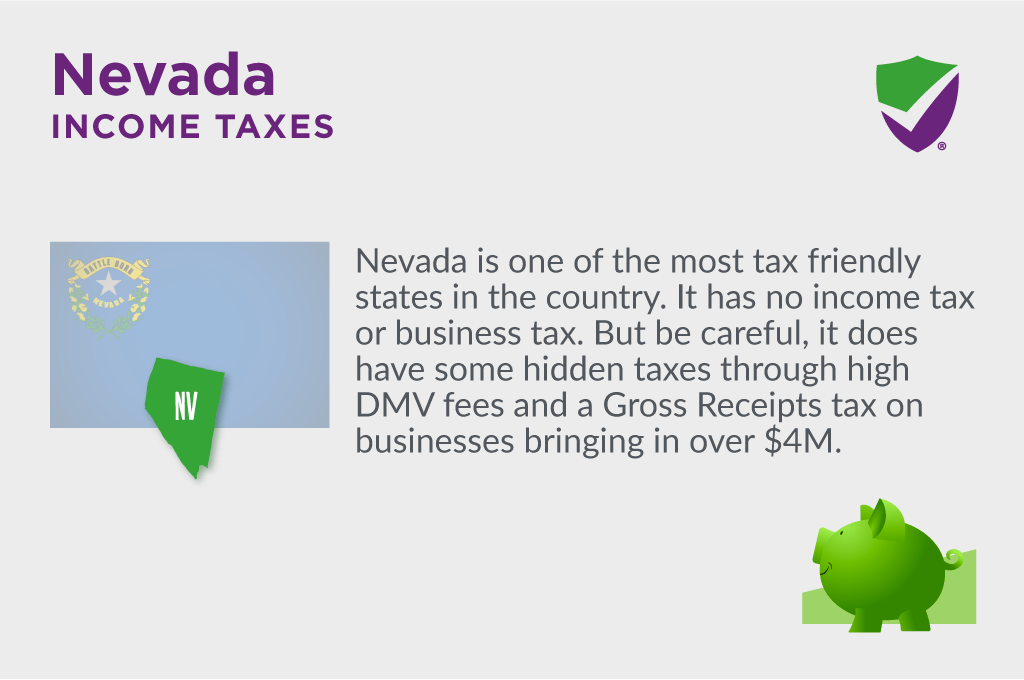
The answer to “Is There State Income Tax In Nevada?” is a resounding no. This fundamental aspect of its fiscal policy shapes Nevada’s economic identity and its appeal to a diverse range of visitors and potential residents. For travelers, understanding this tax structure means appreciating the financial benefits that can extend from the state’s economic policies, even if not directly experienced as a reduction in their immediate travel costs. While sales and hotel taxes remain, the absence of state income tax contributes to a unique financial environment that continues to draw millions to explore its unique attractions, from the dazzling lights of Las Vegas to the natural beauty of its deserts and mountains.
LifeOutOfTheBox is a participant in the Amazon Services LLC Associates Program, an affiliate advertising program designed to provide a means for sites to earn advertising fees by advertising and linking to Amazon.com. Amazon, the Amazon logo, AmazonSupply, and the AmazonSupply logo are trademarks of Amazon.com, Inc. or its affiliates. As an Amazon Associate we earn affiliate commissions from qualifying purchases.