
The very question, “Is there still gold in California?”, conjures images of rugged prospectors, dusty boomtowns, and the feverish excitement that defined one of history’s most transformative events: the California Gold Rush. While the era of easy riches may have faded into legend, the golden allure of California endures, drawing countless travelers eager to unearth its rich history, explore stunning landscapes, and perhaps, even try their hand at finding a glimmer of the precious metal themselves. For those planning a journey that blends historical discovery with outdoor adventure, the Golden State offers an unforgettable travel experience.

The Echoes of a Golden Past: California’s Gold Rush Legacy
The mid-19th century witnessed an unprecedented migration to California, sparked by the discovery of gold at Sutter’s Mill in Coloma in 1848. This monumental event reshaped the state, the nation, and indeed, the world. Today, the legacy of this frenzied period is etched into the landscape, preserved in meticulously maintained historic sites, and celebrated in museums across the state. Travelers venturing into California’s Gold Country can step back in time, immersing themselves in the very places where dreams were made and shattered.
Historical Significance and Key Sites
The California Gold Rush wasn’t just about finding gold; it was about the birth of a state, the development of new transportation routes, and the creation of a diverse, albeit sometimes turbulent, society. The impact of the gold discovery was profound, transforming a quiet, sparsely populated territory into a bustling economic hub. For travelers, understanding this history enhances the experience of visiting sites like Columbia State Historic Park. This meticulously preserved town near Sonora offers a living history experience, with costumed docents, authentic 1850s businesses, and even stagecoach rides. It’s a place where the past isn’t just displayed, but actively relived.
Further north, the actual site of Sutter’s Mill at Marshall Gold Discovery State Historic Park in Coloma is an essential pilgrimage. Here, visitors can see a replica of the mill where James W. Marshall first found gold, explore museum exhibits, and picnic along the scenic South Fork American River. The rugged beauty of the Sierra Nevada foothills, where much of the gold was found, still beckons with hiking trails and stunning vistas, allowing travelers to connect with the very environment that captivated the forty-niners.
Another captivating destination is Bodie State Historic Park, a genuine ghost town frozen in time. Located in the eastern Sierra Nevada, Bodie offers an unparalleled glimpse into the harsh realities of a booming mining town left exactly as it was. Its “arrested decay” means buildings and their contents remain as they were abandoned, providing a hauntingly authentic experience for history enthusiasts.
Museums and Interpretive Centers
To fully grasp the scale and drama of the gold rush, numerous museums and interpretive centers offer invaluable context. The California State Mining and Mineral Museum in Mariposa boasts an impressive collection of California minerals, including a massive quartz specimen with gold veins, offering a scientific perspective on the natural resources that fueled the rush. In Sacramento, the state capital, the California State Railroad Museum highlights how the gold rush spurred the development of critical infrastructure, while the Old Sacramento State Historic Park preserves the original waterfront district that served as a major supply hub for prospectors. These institutions provide educational depth, making the historical sites come alive with stories and facts.
Modern Prospecting: Can You Still Find Gold?
The simple answer is yes, gold can still be found in California. While the days of striking it rich with a single pan are largely a romantic notion, recreational gold panning and even small-scale mining continue to be popular activities for tourists and hobbyists alike. The thrill of discovery, no matter how small, remains a potent draw, transforming a historical tour into an interactive adventure.
Recreational Gold Panning
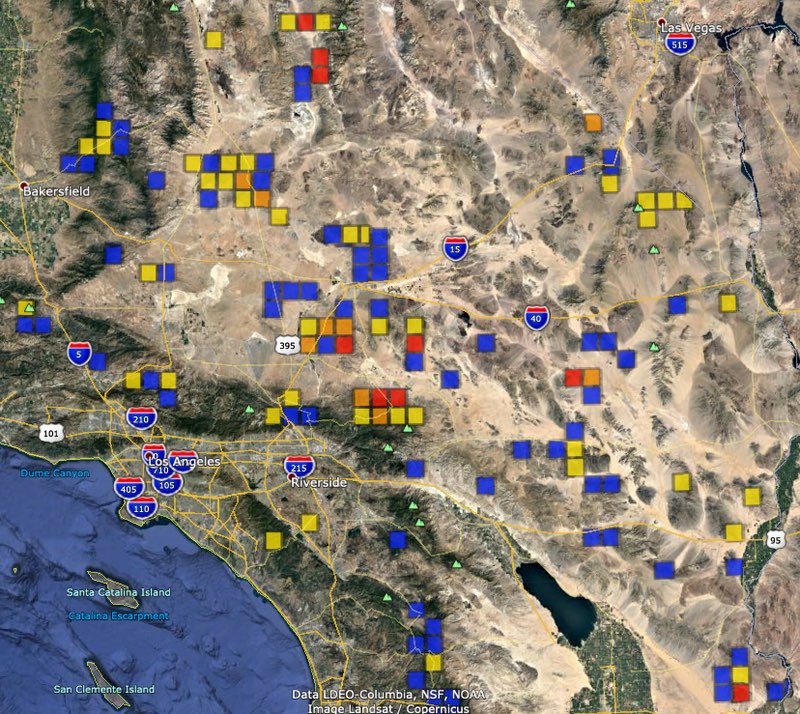
For many travelers, the ultimate gold country experience involves getting their hands wet and trying recreational gold panning. Several rivers and creeks throughout the historic gold regions are open to the public for panning, provided one adheres to local regulations. The American River, particularly its South Fork near Coloma, is a popular spot, as is the Yuba River further north. Beginners can often find guided tours and workshops that provide equipment and instruction, teaching the basic techniques of swirling sand and gravel in a pan to reveal tiny flecks of “color.” Even if you don’t strike it rich, the experience of standing in the same waters as the original prospectors, feeling the sun on your face, and sifting through earth, is profoundly rewarding. Some areas in the Mojave Desert also offer opportunities for dry washing or metal detecting, extending the search beyond riverbeds.
Commercial Mining Today
While large-scale commercial gold mining in California is minimal compared to the gold rush era, a few operations still exist, primarily focused on hard-rock mining deep underground rather than placer deposits. These modern mines utilize advanced technology and operate under strict environmental regulations, a stark contrast to the often-destructive methods of the 19th century. Travelers, however, typically do not have access to these active commercial sites. The focus for tourism remains on the historical and recreational aspects of gold discovery. Understanding the evolution from individual prospectors to industrialized mining provides a complete picture of California’s relationship with gold.
Gold-Related Tourism Experiences
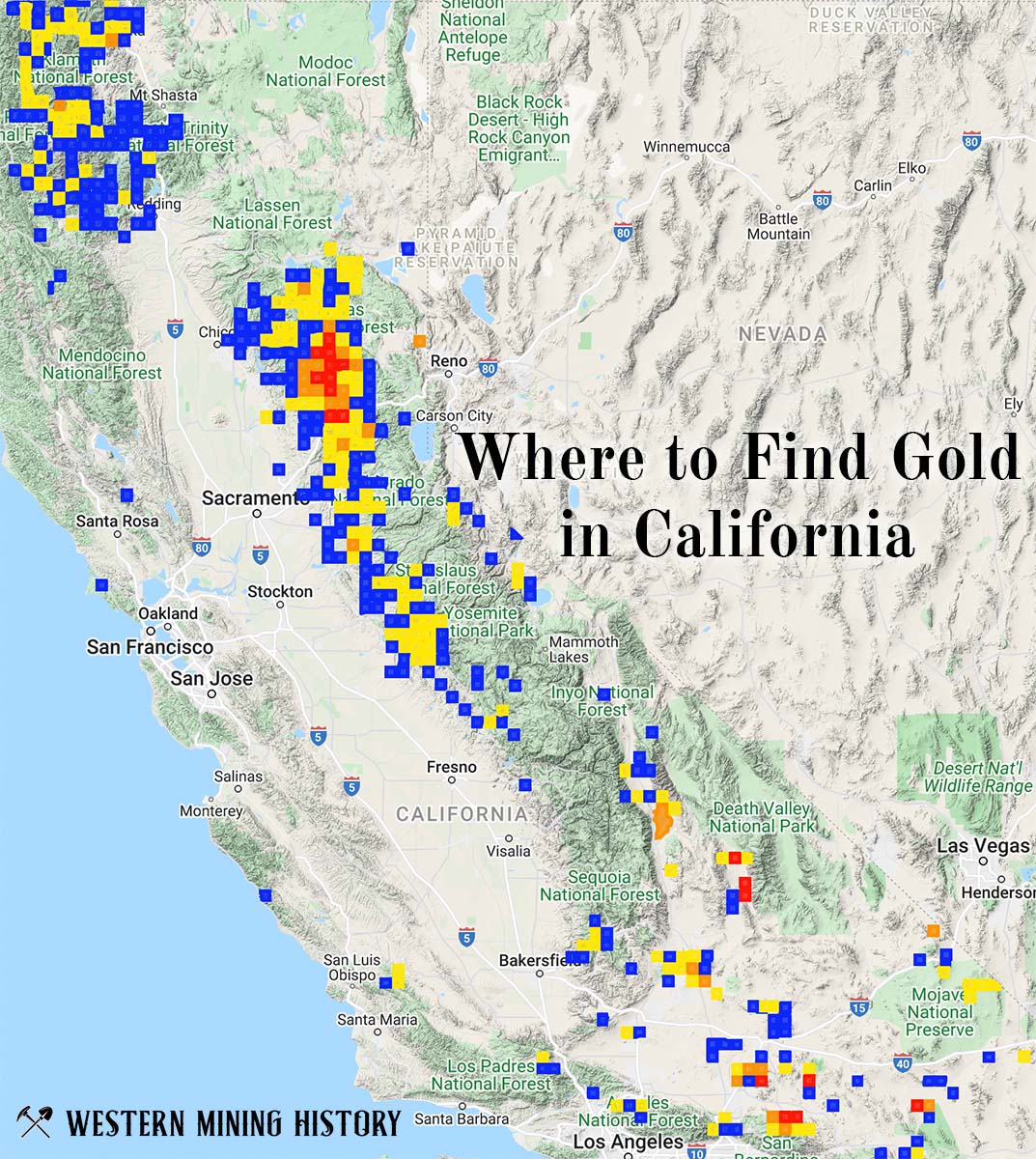
Beyond individual panning, gold-related tourism offers a variety of engaging experiences. Many historic towns host “Gold Rush Days” festivals, complete with reenactments, period costumes, and demonstrations of traditional mining techniques. Guided tours often delve into the specific stories of local miners, their hardships, and their triumphs, bringing a personal dimension to the grand narrative. Some private properties or resorts in the Gold Country offer exclusive gold panning experiences, sometimes even guaranteeing a find (usually small flakes or “fines”), ensuring that every visitor leaves with a tangible memory of their search for gold.
Exploring California’s Gold Country: Beyond the Panning Pan
The Gold Country of California is far more than just a historical relic; it’s a vibrant region rich in natural beauty, charming towns, and diverse attractions that cater to every type of traveler. From picturesque main streets to world-class vineyards, the “gold” here extends far beyond the mineral itself.
Charming Gold Rush Towns
Many of the towns that sprang up during the gold rush have gracefully transitioned into charming destinations, preserving their historical character while offering modern amenities. Nevada City, a National Historic Landmark, captivates with its Victorian architecture, gas lamps, and tree-lined streets. Travelers can explore its boutique shops, art galleries, and acclaimed restaurants, or enjoy a show at the historic Nevada Theatre. Placerville, once known as “Hangtown,” retains its frontier spirit with a historic downtown featuring quaint shops and eateries, offering a delightful blend of past and present. Jackson, nestled in the heart of Amador County, boasts the impressive Kennedy Gold Mine, which offers tours exploring its rich history and deep shafts. These towns serve as excellent bases for exploration, providing comfortable lodging and a taste of local culture.
Wine Country Connections
Intriguingly, some of the very regions that saw an influx of gold seekers have now blossomed into significant wine-producing areas. Amador County and El Dorado County, both historically tied to the gold rush, are renowned for their Zinfandel and Rhône varietals. Travelers can spend a day touring historic sites in the morning and enjoying wine tastings at picturesque vineyards in the afternoon. This unique blend of history and viticulture offers a sophisticated layer to the travel experience, proving that the land once sought for its mineral riches now yields a different kind of liquid gold.
Outdoor Adventures
The natural landscape that drew prospectors to California remains a significant draw for travelers today. The Sierra Nevada foothills offer a playground for outdoor enthusiasts. Hiking and mountain biking trails crisscross the region, providing stunning views and opportunities to encounter local wildlife. The South Fork American River is famous for whitewater rafting, ranging from gentle floats suitable for families to exhilarating Class III rapids. Lakes like Folsom Lake and Lake Oroville provide opportunities for boating, fishing, and swimming, offering a refreshing contrast to the historical explorations. The region’s diverse ecosystems ensure that every traveler can find an adventure tailored to their preference, whether it’s a strenuous trek or a leisurely stroll through nature.
Planning Your Golden California Adventure
Embarking on a journey through California’s Gold Country requires some planning to maximize the experience. From choosing the right time to visit to understanding local nuances, preparation can transform a good trip into an exceptional one.
Best Times to Visit
The Gold Country experiences distinct seasons. Spring (April-May) and Fall (September-October) are generally considered the best times to visit. During these months, temperatures are pleasant for outdoor activities like hiking and panning, the landscapes are lush, and the crowds are typically lighter than in summer. Summer (June-August) can be quite hot, with temperatures often exceeding 90°F (32°C), which can make extensive outdoor exploration less comfortable. However, summer is ideal for water-based activities such as rafting and swimming. Winter (November-March) brings cooler temperatures and some rain, but it can also offer a quieter, more reflective experience of the historic towns.
Essential Gear & Tips for Travelers
For those planning to try gold panning, a few essentials are key: sturdy waterproof shoes, comfortable clothing that can get dirty, sunscreen, a hat, and plenty of water. It’s advisable to bring your own pan and basic prospecting tools, though these can often be rented or purchased locally. Always check specific regulations for gold panning in any given area, as rules vary regarding tools (e.g., sluices, dredges) and permitted locations. Respect private property and environmental guidelines. Carrying a good map or using GPS is recommended, as cell service can be spotty in some remote areas. Embrace the spirit of adventure, but prioritize safety and preparedness.
Where to Stay
The Gold Country offers a wide range of accommodation options to suit various preferences and budgets. Historic inns and charming bed & breakfasts can be found in towns like Nevada City, Sonora, and Placerville, offering a taste of old-world charm. Larger cities like Sacramento and Auburn provide a broader selection of modern hotels and resorts. For those seeking a closer connection to nature, numerous campgrounds and RV parks are available, particularly along the American River and in the Sierra Nevada foothills. Whether you prefer luxury or a rustic experience, the region caters to all, making it easy to find a comfortable base for your golden explorations. Consider booking in advance, especially during peak seasons or local festivals. The town of Grass Valley also offers many charming options, from historic hotels to cozy guesthouses.
In conclusion, the question “Is there still gold in California?” goes beyond a simple yes or no. While the frenzied rush for instant wealth may be a relic of the past, the true gold in California today lies in the richness of its history, the beauty of its landscapes, and the unforgettable experiences it offers to travelers. From reliving the stories of the forty-niners in a living history park to panning for your own elusive flecks in a historic river, or simply savoring a glass of Zinfandel in a sun-drenched vineyard, the Golden State continues to deliver treasures of discovery, adventure, and insight. The journey itself, filled with echoes of the past and vibrant present, is the ultimate golden reward.
LifeOutOfTheBox is a participant in the Amazon Services LLC Associates Program, an affiliate advertising program designed to provide a means for sites to earn advertising fees by advertising and linking to Amazon.com. Amazon, the Amazon logo, AmazonSupply, and the AmazonSupply logo are trademarks of Amazon.com, Inc. or its affiliates. As an Amazon Associate we earn affiliate commissions from qualifying purchases.