
California, a state synonymous with innovation, diverse landscapes, and a vibrant cultural scene, draws millions of visitors each year. From the sun-drenched beaches of Southern California to the towering redwoods of the north, its allure is undeniable. However, understanding the true essence of California as a tourist destination goes beyond its iconic landmarks and natural wonders. It requires a deeper appreciation of its people – the mosaic of cultures, ethnicities, and backgrounds that shape its unique local identity. When we ask, “What percentage of California is White?”, we’re not merely seeking a statistic; we’re opening a window into the demographic richness that underpins the state’s unparalleled cultural tourism experience.

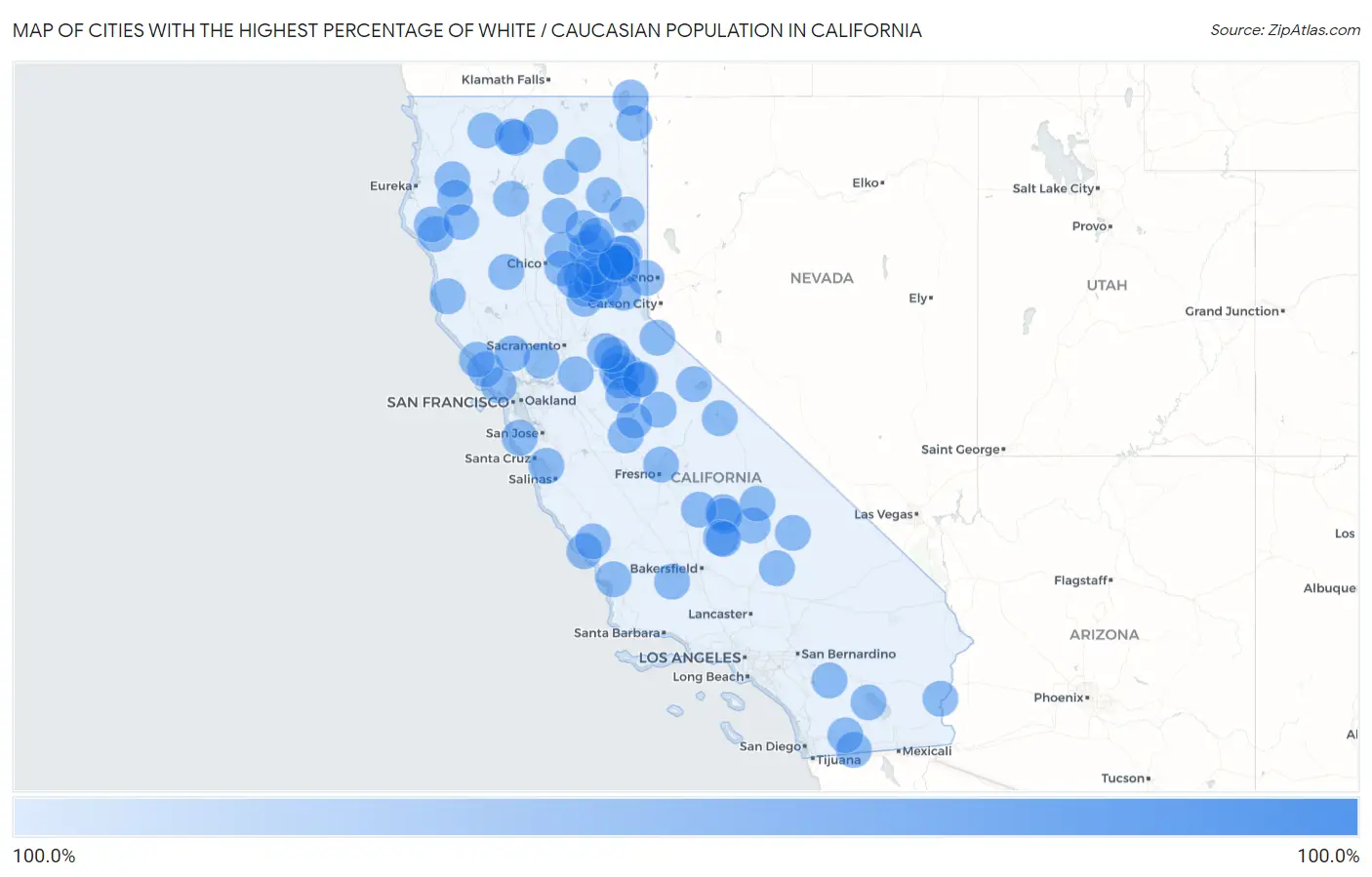
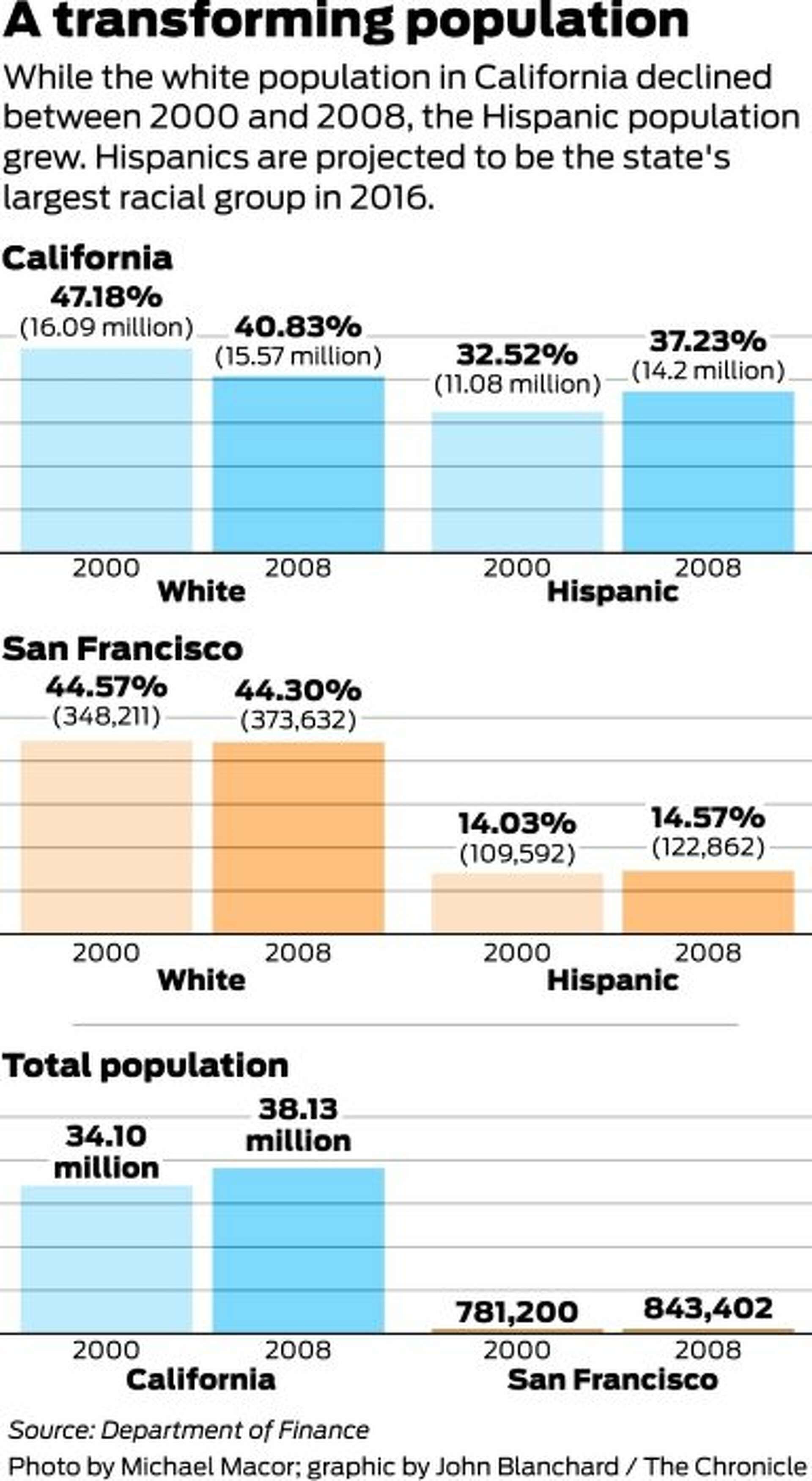
According to the latest data from the U.S. Census Bureau, the non-Hispanic White population in California constitutes approximately 35.8% of the state’s total population as of recent estimates. This figure, while significant, highlights California’s status as one of the most ethnically diverse states in the nation. The largest demographic group is Hispanic or Latino, making up around 39.4%, followed by Asian (approximately 15.1%), and Black or African American (approximately 5.7%), with other groups comprising the remainder. This rich demographic tapestry isn’t just a statistical anomaly; it is the very foundation of California’s dynamic local culture, making it an extraordinary destination for tourists seeking authentic, diverse experiences.
Unpacking California’s Diverse Tapestry for Tourists
California’s demographic composition is far from monolithic, and this diversity is a primary driver of its appeal to global travelers. For those interested in cultural immersion, understanding this blend of backgrounds is key to unlocking truly unique travel experiences. The state’s history, marked by waves of migration from every corner of the globe, has created a vibrant social fabric where traditions, languages, and perspectives intertwine.
The Shifting Demographics and Cultural Richness
The statistic concerning the White population in California reveals a fascinating demographic evolution. For decades, California has been at the forefront of multiculturalism in the United States. This shift has profound implications for tourism, as it means visitors are exposed to an incredible array of cultures without ever leaving the state. From the historical influence of Spanish and Mexican cultures evident in architecture, place names, and festivals, to the more recent contributions of Asian, African, and European communities, every corner of California tells a story of diverse heritage. This isn’t just about different ethnic groups coexisting; it’s about the synthesis of these cultures creating something entirely new and uniquely Californian.
Beyond the Numbers: Experiencing California’s Heritage
For tourists, this demographic richness translates into tangible experiences. Imagine wandering through San Francisco’s Chinatown, the oldest in North America, then driving down to Los Angeles to explore Koreatown or the vibrant murals of Olvera Street, the birthplace of Los Angeles, which celebrates Mexican heritage. Each neighborhood, city, and region offers distinct cultural expressions. The white population, comprising various European ancestries, has also deeply influenced California’s development, contributing to its artistic scenes, architectural styles, and culinary traditions, from Napa Valley wineries with their European viticultural roots to the surf culture along the Pacific Coast. Tourists can engage with living history, witness traditional ceremonies, or simply enjoy the daily rhythms of diverse communities that make California a microcosm of the world.
Culinary Journeys: A Taste of California’s Multiculturalism
Food is arguably one of the most accessible and enjoyable ways to experience a culture, and California’s culinary scene is a direct reflection of its demographic diversity. The fusion of global flavors, fresh local ingredients, and innovative chefs has elevated California to a world-renowned gastronomic destination.
From Mexican Taquerias to Vietnamese Pho Houses
The strong presence of the Hispanic population means that authentic Mexican cuisine is not just prevalent but deeply embedded in California’s identity. From the legendary taco trucks of East Los Angeles to gourmet Oaxacan restaurants in San Diego, the flavors are as varied as the regions of Mexico itself. Similarly, the significant Asian population has brought a rich tapestry of culinary traditions. Visitors can savor world-class Vietnamese pho in Westminster’s Little Saigon, explore the dim sum parlors of San Gabriel Valley‘s Chinese-American communities, or indulge in the nuanced flavors of Japanese sushi and ramen across major cities. These are not mere ethnic restaurants; they are cultural institutions, often family-owned for generations, offering an authentic taste of their heritage.
European Influences in California Cuisine
While often celebrated for its vibrant Asian and Latin American cuisines, the European influences, largely stemming from the state’s white population, are equally fundamental to California’s food identity. Italian-American delis and restaurants are iconic in places like San Francisco’s North Beach, offering traditional pasta, pizza, and pastries. The farm-to-table movement, which California pioneered, often draws from French and Mediterranean culinary philosophies, emphasizing fresh, seasonal ingredients and simple, elegant preparations. The wine country, particularly Napa and Sonoma, showcases viticulture techniques perfected over centuries in France and Italy, adapted to California’s unique terroir. This blend creates a culinary landscape where a traveler can enjoy classic American comfort food, sophisticated European dining, and exotic international dishes, sometimes all within the same city block.
Activities and Attractions Reflecting Diversity
California’s attractions extend far beyond its natural beauty and theme parks; they include a wealth of cultural sites and activities that stem directly from its diverse populace. Tourism in California is an invitation to engage with a living, evolving culture.
Exploring Cultural Enclaves
Major Californian cities are renowned for their distinct cultural enclaves, each offering a unique immersive experience. In Los Angeles, visitors can immerse themselves in Little Ethiopia on Fairfax Avenue, experiencing authentic cuisine, music, and art. San Jose boasts a thriving Vietnamese community, while Fresno has a rich Armenian heritage. Even smaller towns reveal fascinating pockets of culture, like the Danish village of Solvang or the historic German community of Anaheim. These areas are not just tourist traps; they are active, vibrant communities where traditions are preserved and celebrated, offering visitors a genuine glimpse into diverse ways of life. Museums across the state also play a crucial role, from the Japanese American National Museum in Los Angeles to the California African American Museum, each telling vital stories that contribute to the state’s collective identity.
Festivals and Events Celebrating Global Traditions
Throughout the year, California hosts an astonishing array of festivals and events that showcase its multicultural spirit. These range from grand celebrations like the Chinese New Year Parade in San Francisco and Cinco de Mayo festivities across the state, to smaller, equally vibrant events such as Greek food festivals, Oktoberfest celebrations, and numerous film festivals dedicated to international cinema. Tourists can plan their trips around these events to experience traditional music, dance, art, and food firsthand. For example, the Scottish Games in Pleasanton and the Lao New Year Festival in Richmond offer distinct cultural insights, demonstrating the depth and breadth of heritage celebrated within the state. These events are not only entertaining but also serve as educational opportunities, allowing visitors to engage directly with different cultural narratives.
Planning Your Culturally Immersive California Trip
For the discerning traveler, California’s demographic landscape presents an opportunity to craft an itinerary that is rich in cultural experiences. Beyond the beaches and theme parks, there’s a world of discovery waiting.
Engaging with Local Communities
To truly understand California’s diverse culture, tourists are encouraged to move beyond typical tourist zones and engage with local communities. This could mean visiting local markets in diverse neighborhoods, attending community events, or dining at family-run establishments. Many organizations offer guided cultural tours that delve into the history and traditions of specific ethnic groups, providing context and deeper understanding. Supporting local businesses in these enclaves directly contributes to the preservation of their unique cultural heritage, creating a more sustainable and authentic tourism experience. From the historic missions that tell the story of early Spanish colonization to contemporary art galleries showcasing works from diverse artists, opportunities for meaningful engagement are plentiful.
Educational Tourism Opportunities
California is also a hub for educational tourism. Universities and cultural institutions frequently host public lectures, workshops, and exhibitions that explore various cultural histories and contemporary issues. For instance, the Getty Center and the Los Angeles County Museum of Art (LACMA) often feature exhibitions that highlight global art forms and cultural narratives, including those from California’s own diverse communities. By incorporating such educational elements into a travel plan, visitors can gain a more profound appreciation for the multifaceted influences that have shaped California into the vibrant, multicultural destination it is today. Understanding that the state is not predominantly white, but rather a complex blend of many cultures, fundamentally enhances the visitor’s ability to appreciate its unique offerings and encourages a more respectful and insightful exploration of its rich cultural fabric.
LifeOutOfTheBox is a participant in the Amazon Services LLC Associates Program, an affiliate advertising program designed to provide a means for sites to earn advertising fees by advertising and linking to Amazon.com. Amazon, the Amazon logo, AmazonSupply, and the AmazonSupply logo are trademarks of Amazon.com, Inc. or its affiliates. As an Amazon Associate we earn affiliate commissions from qualifying purchases.