
The question of whether inheritance in California is subject to tax is a common one, particularly for individuals navigating estate planning, wealth transfer, or simply understanding their financial future in the Golden State. For many, the financial implications of an inheritance can significantly impact lifestyle choices, from retirement planning and investment strategies to family legacy and philanthropic endeavors. Understanding the tax landscape is crucial for effective wealth management and ensuring that one’s financial aspirations for themselves and their beneficiaries are realized.
Understanding Inheritance and Estate Taxes in the Golden State
The terms “inheritance tax” and “estate tax” are often used interchangeably, but they refer to distinct concepts in taxation. An inheritance tax is levied on the recipient (the heir) of inherited assets, based on the value of the property they receive. An estate tax, conversely, is levied on the deceased person’s estate itself, before assets are distributed to beneficiaries. This tax is based on the total value of the decedent’s assets. The distinction is critical when evaluating the tax obligations associated with inherited wealth.
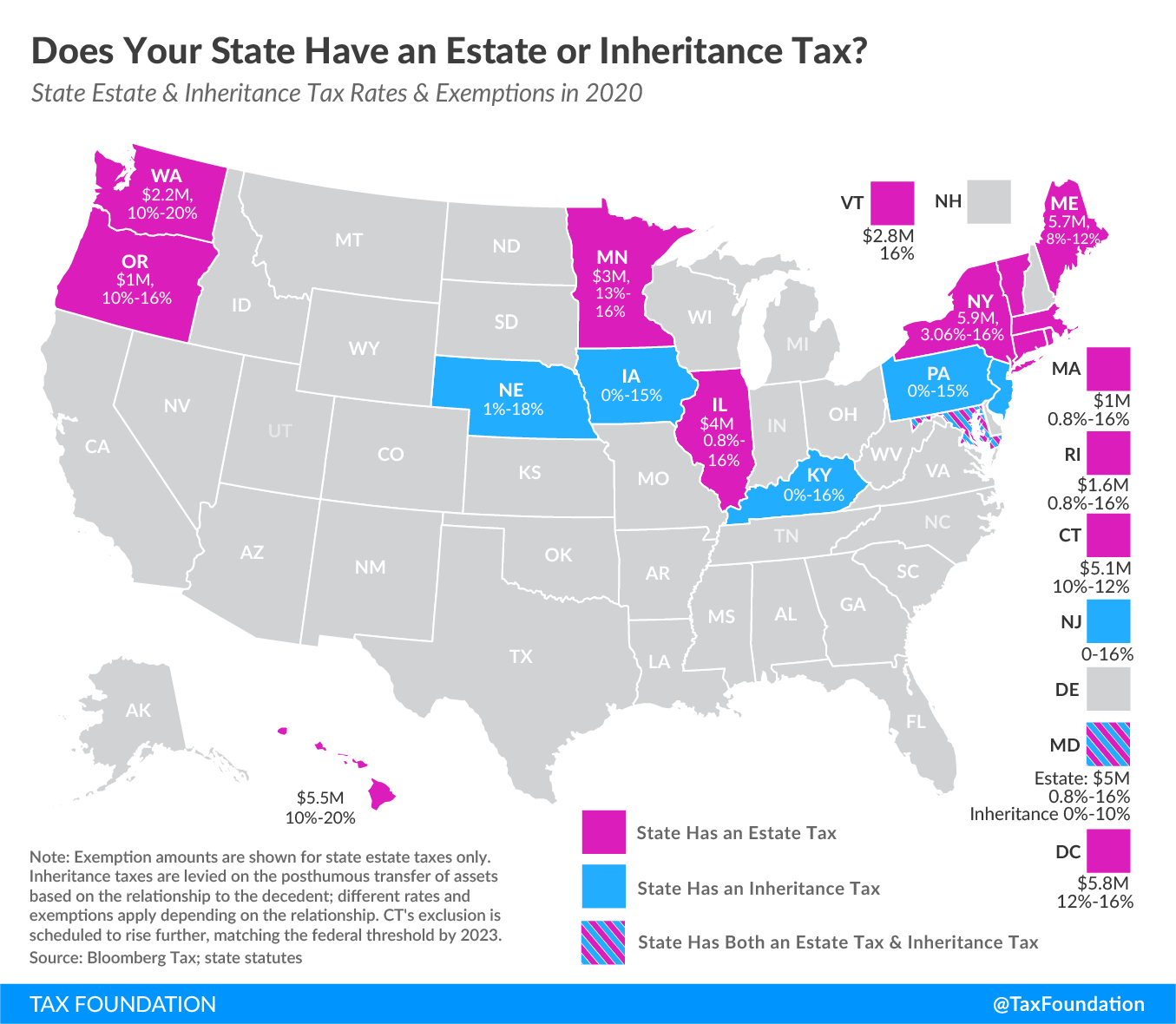
For those considering California as a long-term residence, or for families with significant ties to the state, the question of inheritance tax often arises due to varying state laws across the United States. Some states do impose either an inheritance tax, an estate tax, or both, which can considerably complicate financial planning and impact the net value of an inheritance.
California’s Unique Position: No State Inheritance or Estate Tax
The direct answer to whether there is tax on inheritance in California is straightforward: No, California does not impose a state-level inheritance tax on beneficiaries, nor does it levy a state estate tax on the deceased’s estate. This has been the case for several decades. California abolished its inheritance tax in 1982 with the passage of Proposition 6, and since then, residents and their beneficiaries have been exempt from state-specific taxes on inherited wealth.
This absence of state inheritance or estate tax can significantly simplify estate planning for California residents compared to those in states that do impose such taxes. It means that, from a state perspective, the full value of an inheritance, after any debts and expenses of the estate are settled, passes directly to the heirs without an additional state tax burden. This favorable tax environment is a key consideration for many individuals and families managing their wealth and planning their financial legacy, directly influencing their long-term lifestyle choices within the state.
Navigating the Federal Estate Tax Landscape
While California itself does not impose an inheritance or estate tax, it is crucial to understand that beneficiaries and estates in California are still subject to Federal Estate Tax if the estate’s value exceeds a certain threshold. The Federal Estate Tax is a tax on the transfer of a decedent’s taxable estate, which includes everything the individual owns or has certain interests in at the time of death.
The Internal Revenue Service (IRS) administers this tax, and its rules and exemption amounts can change periodically. For instance, for the year 2024, the Federal Estate Tax exemption is set at a generous $13.61 million per individual. This means that an estate must be valued at more than $13.61 million before any Federal Estate Tax becomes applicable. For married couples, this exemption is effectively doubled, allowing up to $27.22 million to pass tax-free.
Impact on High-Net-Worth Individuals and Families
For the vast majority of California residents, the Federal Estate Tax will not apply due to these high exemption thresholds. However, for high-net-worth individuals and families, particularly those whose assets accumulate into the tens or hundreds of millions, the Federal Estate Tax can represent a significant financial challenge. Tax rates can be as high as 40% on the portion of the estate that exceeds the exemption amount.
This potential tax liability makes sophisticated estate planning an indispensable component of managing a luxurious or high-asset lifestyle. Strategies to mitigate Federal Estate Tax can include gifting strategies during one’s lifetime, establishing various types of trusts (such as irrevocable trusts), and utilizing charitable deductions. Proactive engagement with experienced estate attorneys and financial advisors is essential for these families to preserve their wealth, maintain their desired lifestyle, and ensure their legacy aligns with their intentions, rather than being significantly diminished by taxation. The portability of the unused exemption between spouses also offers a crucial planning tool to maximize the tax-free transfer of assets.
Beyond Inheritance: Other Taxes on Inherited Assets in California
While California does not have an inheritance or estate tax, inheriting assets within the state does not necessarily mean they are entirely tax-free. Other forms of taxation can come into play when inherited assets are eventually sold or generate income. Understanding these potential taxes is vital for comprehensive financial planning and for maintaining the lifestyle choices associated with managing inherited wealth.
One primary consideration is Capital Gains Tax. When you inherit an asset, such as real estate, stocks, or other investments, and later sell it, you may be subject to capital gains tax if its value has increased since the time of inheritance. Fortunately, inherited assets typically receive a “stepped-up basis” to their fair market value on the date of the decedent’s death. This means that any capital gains are calculated from this stepped-up value, not the original purchase price of the asset by the decedent, often significantly reducing or even eliminating capital gains tax for assets sold shortly after inheritance. However, if the asset is held for a period and appreciates further, capital gains tax will apply to that subsequent appreciation.
Another area to consider is Income Tax, particularly with inherited retirement accounts. If you inherit a traditional IRA, 401(k), or other pre-tax retirement accounts, the distributions you take from these accounts are generally considered taxable income. The rules around inherited IRAs, especially the SECURE Act’s 10-year rule for many non-spouse beneficiaries, mean that beneficiaries must generally withdraw all funds from the account within ten years following the account owner’s death, potentially leading to substantial income tax liabilities within that period. This can have a direct impact on a beneficiary’s annual income and budgeting, influencing their financial lifestyle.
Property Tax Reassessment and Proposition 19
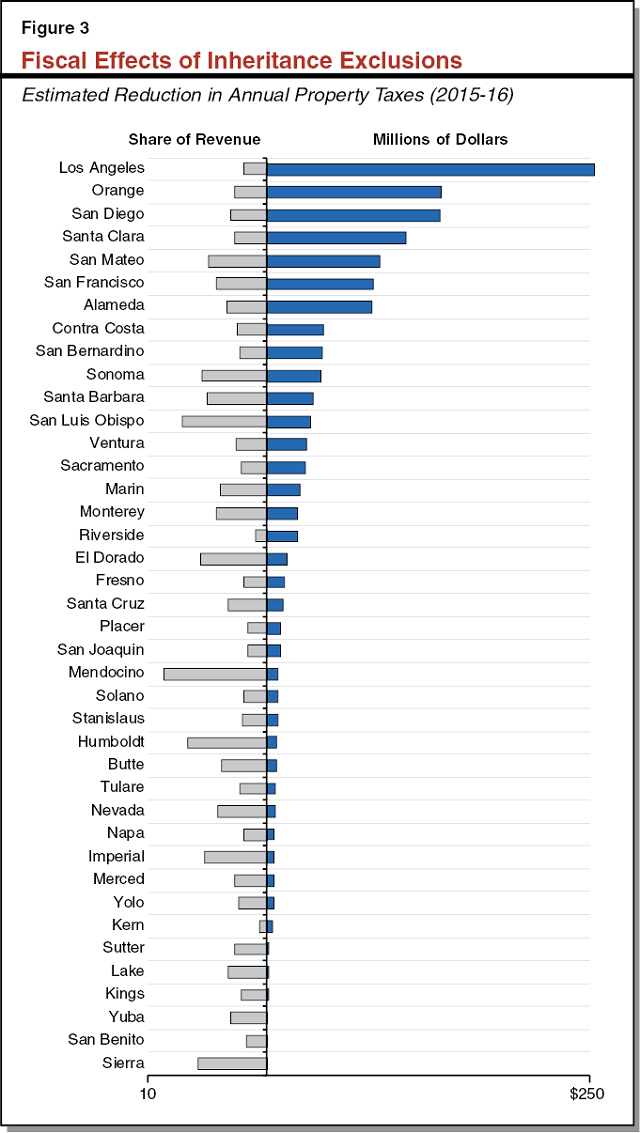
Perhaps one of the most significant tax considerations for inherited assets in California, especially concerning real estate, is Property Tax. California’s property tax system is governed by Proposition 13 and, more recently, Proposition 19, passed in 2020. Prior to Proposition 19, inherited homes and certain other real property could often be transferred between parents and children (or grandparents and grandchildren) without triggering a property tax reassessment. This allowed properties to retain their lower, original assessed values, offering substantial savings and enabling families to keep inherited homes that might otherwise become unaffordable due to increased property taxes.
Proposition 19 significantly altered these rules. Under Proposition 19, inherited homes only retain their parents’ low property tax base if the child uses the property as their primary residence and the difference between the fair market value and the parents’ assessed value does not exceed $1 million. If the inherited home is not used as the child’s primary residence (e.g., it’s rented out, used as a vacation home, or sits vacant), or if the market value exceeds the $1 million threshold above the original assessed value, the property will be fully reassessed to its current market value. This can lead to a dramatic increase in annual property taxes, potentially making it difficult for beneficiaries to afford to keep the inherited property.
For families in California whose lifestyle includes multi-generational family homes or investment properties, understanding the nuances of Proposition 19 is paramount. It fundamentally changes how wealth in the form of real estate can be transferred and impacts the financial feasibility of holding onto inherited properties, thus directly influencing family legacy and residential lifestyle choices.

Strategic Estate Planning for a Secure Future Lifestyle
Given the complexities of Federal Estate Tax and other taxes on inherited assets in California, robust estate planning is not just for the ultra-wealthy; it’s a vital component of sound financial management for anyone looking to secure their future lifestyle and that of their loved ones. Proactive planning helps ensure that your assets are distributed according to your wishes, minimizes potential tax burdens, and avoids unnecessary complications for your beneficiaries.
Key components of an effective estate plan include:
- Wills: Legally outlining how your assets should be distributed upon your death and who will manage your estate.
- Trusts: Establishing trusts, such as revocable living trusts, can help avoid probate, maintain privacy, and provide greater control over how and when assets are distributed. For high-net-worth individuals, various irrevocable trusts can also be used for advanced tax planning.
- Beneficiary Designations: Properly naming beneficiaries on retirement accounts, life insurance policies, and other financial instruments is crucial, as these designations typically supersede a will.
- Gifting Strategies: Understanding annual gift tax exclusions and lifetime exemptions allows individuals to transfer wealth during their lifetime in a tax-efficient manner, potentially reducing the size of their taxable estate.
- Healthcare Directives and Powers of Attorney: Beyond financial assets, a comprehensive estate plan addresses personal care and financial management during incapacity.
Engaging with qualified professionals, including estate planning attorneys, financial advisors, and tax specialists, is indispensable. These experts can help tailor a plan that aligns with your specific financial situation, family dynamics, and lifestyle aspirations, taking into account the unique interplay of state and Federal tax laws. While California offers a favorable environment regarding state-level inheritance and estate taxes, thorough planning ensures that your legacy is preserved and your loved ones receive the full benefit of your intentions, securing their financial well-being and desired lifestyle for generations to come.
LifeOutOfTheBox is a participant in the Amazon Services LLC Associates Program, an affiliate advertising program designed to provide a means for sites to earn advertising fees by advertising and linking to Amazon.com. Amazon, the Amazon logo, AmazonSupply, and the AmazonSupply logo are trademarks of Amazon.com, Inc. or its affiliates. As an Amazon Associate we earn affiliate commissions from qualifying purchases.