
The question of whether a city, or indeed any place, can be definitively labeled as “ghetto” is a complex one, often rooted in subjective perceptions, socio-economic realities, and historical context. When applied to a place like Tracy, California, the label invites a deeper examination beyond simplistic categorization. This exploration delves into the multifaceted character of Tracy, considering its historical development, economic landscape, community demographics, and the lived experiences of its residents, all through the lens of understanding place and perception.
Historical Roots and Evolving Identity
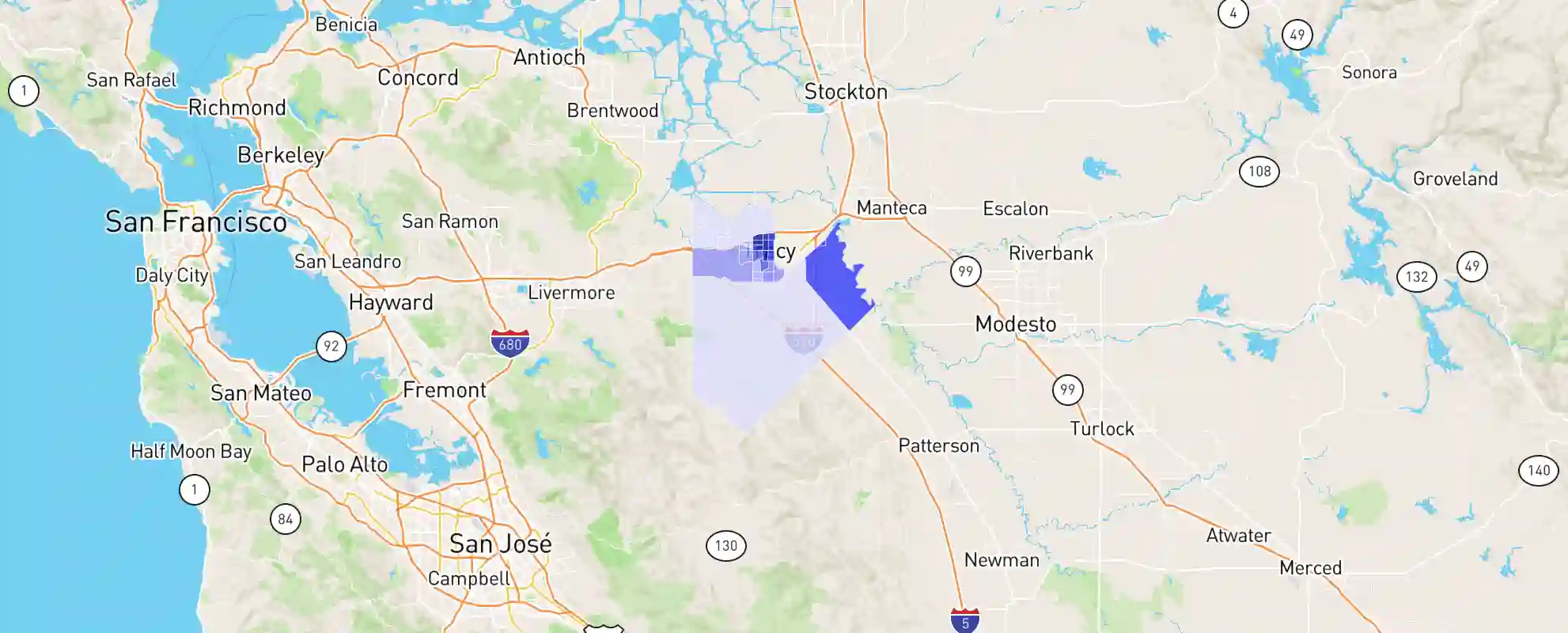
Tracy, California’s story is one of transformation, mirroring the broader narrative of agricultural and industrial development in the San Joaquin Valley. Originally established as a railroad town, its early identity was intrinsically linked to its strategic position connecting major arteries of commerce. The agricultural boom that swept through the region also profoundly shaped Tracy, attracting labor and fostering a community built around the cycles of farming. This period, like many in the development of American towns, likely saw periods of economic disparity and distinct socio-economic strata within the population, a common feature of industrial and agricultural centers.
Early Development and Economic Drivers
The arrival of the railroad in the late 19th century was the catalyst for Tracy’s founding and initial growth. The town’s name itself honors railroad official Leland Stanford. Its location at the intersection of key rail lines made it a hub for agricultural produce from the fertile San Joaquin Valley to be shipped to markets across the country. This economic engine attracted a diverse workforce, including migrant laborers, many of whom resided in more modest housing areas. The establishment of food processing plants and other related industries further solidified the town’s economic base, creating jobs but also contributing to the diverse economic tapestry that often exists within developing communities.
Post-War Growth and Suburbanization
Like many California cities, Tracy experienced significant growth in the post-World War II era. The expansion of the freeway system and the desire for more affordable housing within commuting distance of major employment centers, such as the Bay Area, led to increased suburbanization. This influx of new residents brought a wider range of economic backgrounds and aspirations, gradually altering the town’s demographic and social character. Areas that were once primarily agricultural began to be developed with residential subdivisions, creating a more varied urban fabric.
Socio-Economic Landscape: A Closer Look
To address the question of whether Tracy, California is “ghetto,” it is crucial to examine its current socio-economic indicators. The term “ghetto,” historically and in common parlance, often implies areas characterized by concentrated poverty, dilapidated infrastructure, high crime rates, and limited opportunities. While Tracy is not without its challenges, a comprehensive view reveals a more nuanced picture.
Income and Employment Statistics
Tracy’s median household income and poverty rates are important metrics. While these figures may be lower than those in more affluent California cities, they must be considered in the context of the broader San Joaquin Valley region, which generally has a lower cost of living compared to coastal metropolitan areas. Employment opportunities in Tracy have diversified over the years, moving beyond agriculture to include sectors like logistics, retail, and services, especially with its growing role as a bedroom community for the Bay Area. The presence of logistics and distribution centers, for instance, provides a significant number of jobs.
Housing and Infrastructure
The housing stock in Tracy is varied, ranging from older, more modest homes to newer developments. Like many rapidly growing cities, Tracy has seen new housing construction aimed at accommodating its expanding population. Infrastructure development, including roads, utilities, and public services, is an ongoing process in any growing city. While specific neighborhoods might exhibit signs of aging or require more investment, this is not necessarily indicative of an entire city being “ghetto.” The presence of well-maintained public parks, libraries, and community centers suggests ongoing municipal investment in the quality of life for its residents.
Crime Rates and Public Safety

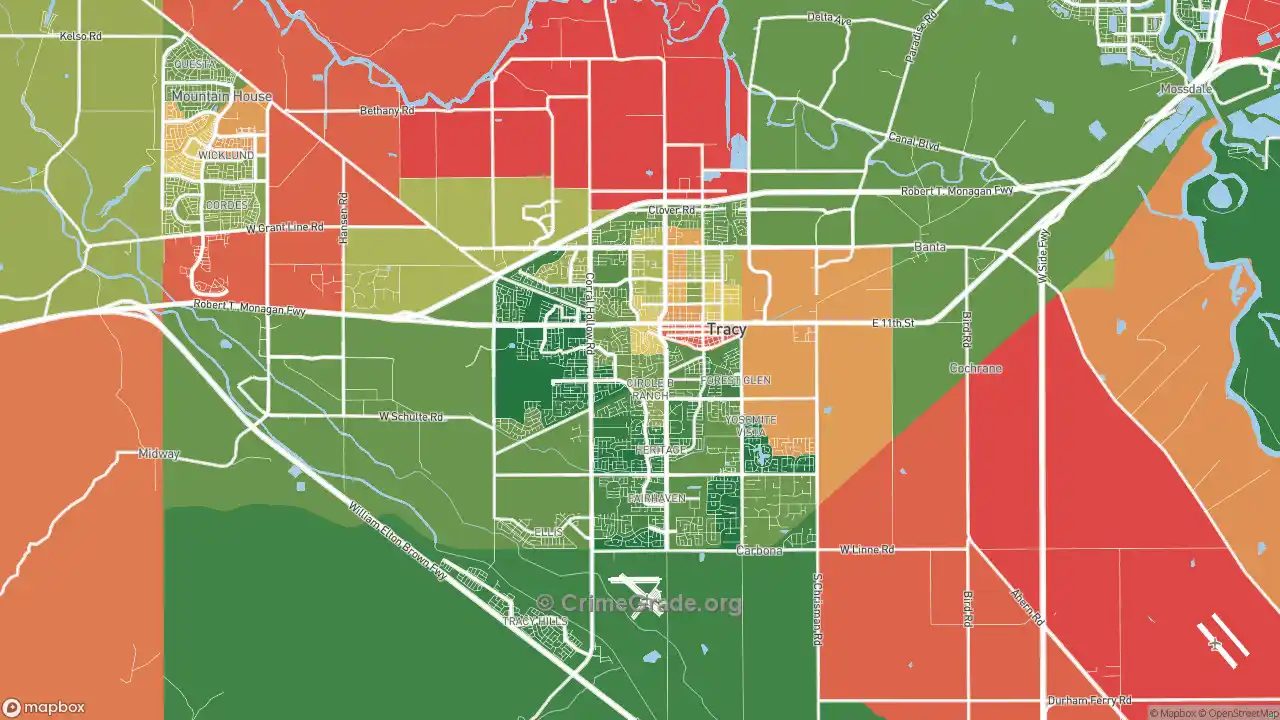
Crime statistics are often a key factor in public perception. While Tracy, California, like any city, experiences crime, its rates must be compared to regional and national averages to provide context. Discussions about public safety are often sensitive and can be influenced by media portrayals and anecdotal evidence. A balanced view requires consulting official crime data and understanding the specific factors contributing to any trends observed. Efforts by local law enforcement and community organizations to enhance public safety are ongoing.
Community and Culture: The Human Element
Beyond statistics and infrastructure, the true character of a place lies in its people and their collective experiences. Tracy, California is home to a diverse population with a rich cultural tapestry. Labeling a community can inadvertently stigmatize its residents and overlook the vibrancy and resilience that often characterize such places.
Demographic Diversity
Tracy is known for its diverse population, with significant Latino, Asian, and White communities, among others. This ethnic and cultural diversity contributes to the city’s character, influencing its food scene, festivals, and overall social fabric. Such diversity is a hallmark of many growing communities in California.
Local Amenities and Community Engagement
The availability of local amenities such as schools, parks, shopping centers, and cultural institutions plays a vital role in the quality of life for residents. Tracy boasts a range of public schools, community parks, and recreational facilities. Community engagement, through local events, volunteer organizations, and civic participation, further shapes the identity of a city. Annual events like the Tracy Farmers Market or local parades offer glimpses into the community’s spirit and shared activities.
Perceptions vs. Reality
The perception of a place can often be shaped by stereotypes or isolated incidents rather than by a comprehensive understanding of its reality. The question of whether Tracy, California is “ghetto” is likely more a reflection of subjective biases or outdated information than an accurate assessment of the city’s current state. Cities are dynamic entities, constantly evolving. What might have been true decades ago may no longer be the case today. Engaging with Tracy directly, speaking with its residents, and experiencing its community firsthand are essential for forming an informed opinion.
Navigating Perceptions: A Balanced Perspective
In conclusion, the label “ghetto” is a loaded term, often used simplistically to describe complex urban environments. Applying it to Tracy, California overlooks the city’s rich history, its evolving economic landscape, its diverse population, and the ongoing efforts of its residents and local government to foster a thriving community.
Beyond the Label
Rather than seeking to confirm or deny a label, it is more productive to understand Tracy, California for what it is: a growing city in the heart of California, with its own unique set of opportunities and challenges. Its strategic location, diverse population, and developing infrastructure contribute to a dynamic environment. The experiences of its residents, their aspirations, and their contributions are what truly define the character of Tracy.
Understanding Urban Dynamics
Cities are complex ecosystems, and judging them solely by isolated metrics or preconceived notions is rarely accurate. Tracy represents a segment of urban development in California, reflecting broader trends of suburban growth, economic shifts, and demographic changes. To truly grasp its essence, one must look beyond simplistic labels and engage with the multifaceted reality of its community, its history, and its future aspirations. The narrative of Tracy is one of ongoing development and adaptation, a story common to many American cities striving for progress and inclusivity.
LifeOutOfTheBox is a participant in the Amazon Services LLC Associates Program, an affiliate advertising program designed to provide a means for sites to earn advertising fees by advertising and linking to Amazon.com. Amazon, the Amazon logo, AmazonSupply, and the AmazonSupply logo are trademarks of Amazon.com, Inc. or its affiliates. As an Amazon Associate we earn affiliate commissions from qualifying purchases.