
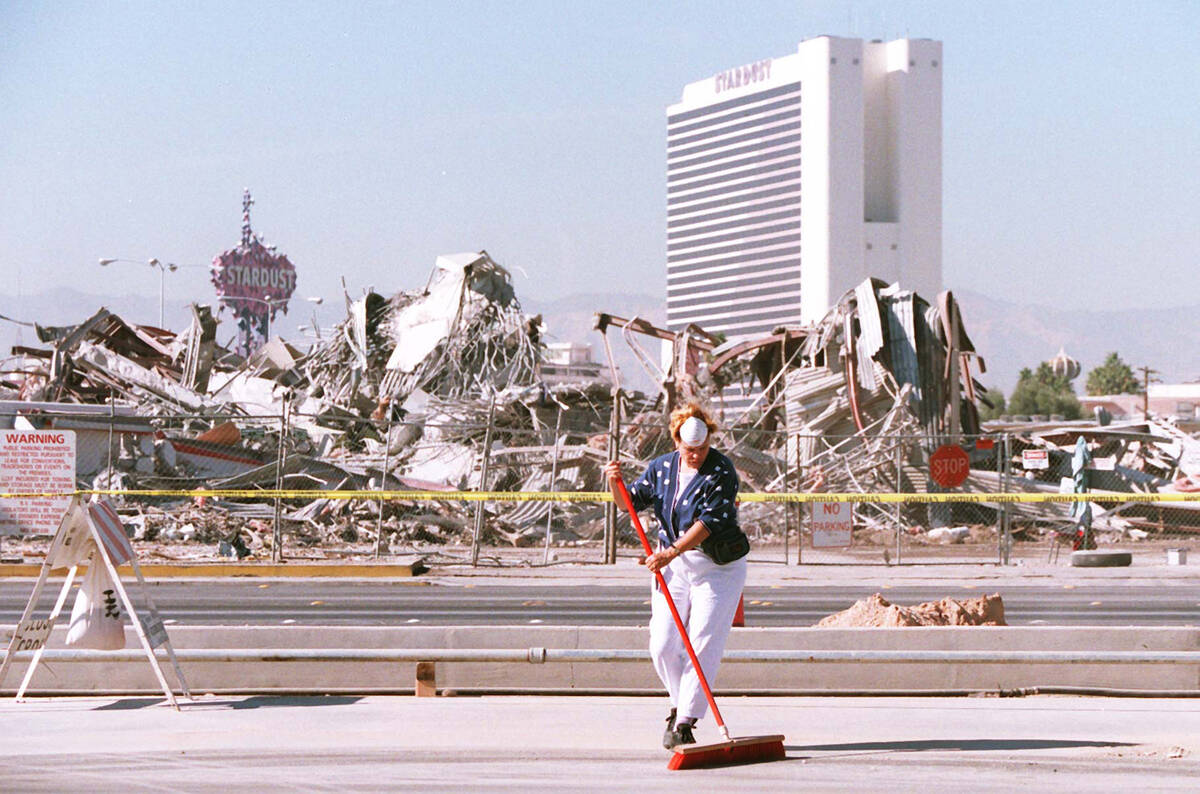
For decades, the skyline of the Las Vegas Strip has been a canvas of constant transformation. From the implosion of the Stardust Resort and Casino to the grand emergence of Resorts World Las Vegas, the landscape of Nevada is perpetually rewriting its history. Among these iconic silhouettes, Treasure Island Las Vegas remains a focal point of speculation. Visitors and industry analysts alike frequently ask: is this pirate-themed bastion facing the wrecking ball? To understand the future of this property, one must look at the evolution of Las Vegas and the strategic positioning of its current operators.

The Evolution of the Theme Resort Concept
When Steve Wynn opened Treasure Island in 1993, the concept of the “thematic resort” was at its zenith. It was an era defined by high-concept spectacle, where the Sirens of TI show drew thousands to the sidewalk to witness mock naval battles. However, the United States tourism market has shifted significantly over the last thirty years. Today, the demand has moved toward minimalist luxury, experiential nightlife, and sophisticated culinary destinations rather than the heavy, immersive theming that characterized the nineties.
A Departure from Pirate Tropes
As the property transitioned from its original Mirage Resorts branding, the overt pirate motifs were gradually toned down. The removal of the pirate ship battles was not merely a budgetary decision; it was a strategic pivot. Modern hotel operators recognize that today’s traveler, particularly the younger demographic visiting from California or New York, prioritizes high-end amenities over nostalgic gimmicks. This shift away from the original theme is often mistaken by casual observers for a precursor to demolition, but in reality, it is a process of refinement.
The Financial Landscape of Property Ownership
Unlike many other properties on the Las Vegas Boulevard, Treasure Island is privately owned by Phil Ruffin. This is a critical distinction. Publicly traded companies often look at property assets as units to be redeveloped or sold to maximize shareholder value. As a private owner, Ruffin has demonstrated a preference for incremental updates rather than total destruction. The lack of a high-profile redevelopment announcement by a major corporation like MGM Resorts International or Caesars Entertainment suggests that the hotel remains a profitable, functional asset in its current form.
Renovations vs. Demolition: A Strategic Assessment
Demolishing a structure as massive as the Treasure Island Hotel and Casino requires an astronomical capital investment. When one looks at the current footprint of the hotel, it occupies a highly valuable piece of real estate wedged between the Venetian Las Vegas and the Fashion Show Mall. While a developer might salivate at the prospect of building a taller, more modern tower on such a central plot, the logistical nightmare of dismantling the structure in such a high-traffic zone presents a significant barrier.

Interior Modernization Efforts
Rather than tearing the building down, the management has opted for a “soft goods” approach. Guest rooms have undergone multiple iterations of renovations to align with modern tastes. The lobby, the casino floor, and the various dining outlets have been refreshed to offer a more contemporary aesthetic. These investments are clear signals of a commitment to the long-term viability of the existing infrastructure. A property slated for demolition rarely receives consistent investments in room decor and public space upgrades.
Leveraging the Location
The geography of the Las Vegas Strip plays a major role in the hotel’s survival. The proximity to the Sands Expo and Convention Center ensures a steady stream of business travelers, while the location directly across from the Wynn Las Vegas provides excellent foot traffic. In the world of hospitality, location often outweighs the age of the architecture. As long as Treasure Island can maintain high occupancy rates, there is no logical financial incentive to raze it.
The Future of Iconic Properties in Nevada
Looking at the broader trajectory of Las Vegas, we see a pattern of “adaptive reuse.” Many older hotels have found new life through rebranding or major overhauls rather than total destruction. The industry has learned that there is a diminishing return on the massive cost of implosions and brand-new ground-up builds, especially when economic volatility influences construction costs.
Why Preservation Wins Over Progress
There is also the intangible element of brand equity. The name Treasure Island is recognizable globally. In a market as saturated as Nevada, established brand names hold value that a generic, new-build property might struggle to achieve in its first decade of operations. While it is unlikely to return to the campy pirate-themed spectacle of the early nineties, the hotel serves as a bridge between the classic era of Las Vegas and the ultra-luxury future of the Las Vegas Strip.
Is Change Coming?
While total demolition appears off the table for the foreseeable future, change is inevitable. Guests should expect to see continued transitions in the hotel’s dining portfolio and perhaps further integration with nearby partners to enhance the guest experience. The property may eventually undergo a significant rebrand, or perhaps a portion of the land might be utilized for a modern expansion, but the core structure appears secure.
Final Thoughts on the Legacy of Treasure Island
The rumor mill in Las Vegas is fueled by the desire for constant novelty. Every time a new crane appears on the horizon, locals and tourists assume another chapter of the city’s history is coming to an end. However, Treasure Island has defied these trends through consistent management and a keen ability to pivot toward the needs of the modern traveler.
While the neon signs may flicker and the themes may evolve, the building itself remains a staple of the Las Vegas Strip. For those looking to experience a piece of the classic Las Vegas atmosphere without the threat of imminent construction chaos, Treasure Island remains a solid, well-positioned choice. The rumors of its demise are greatly exaggerated, and as it stands, the property will continue to welcome guests to Nevada for many years to come. In the high-stakes game of Las Vegas real estate, keeping what works is often the smartest move of all.
LifeOutOfTheBox is a participant in the Amazon Services LLC Associates Program, an affiliate advertising program designed to provide a means for sites to earn advertising fees by advertising and linking to Amazon.com. Amazon, the Amazon logo, AmazonSupply, and the AmazonSupply logo are trademarks of Amazon.com, Inc. or its affiliates. As an Amazon Associate we earn affiliate commissions from qualifying purchases.