
The vibrant culture and diverse landscapes of Florida draw millions of visitors each year. From the bustling streets of Miami to the tranquil beaches of the Florida Keys, exploring the Sunshine State often involves a road trip. As travelers navigate these scenic routes, questions about vehicle modifications, particularly underglow lighting, can arise. Understanding the legality of such features is crucial for a smooth and enjoyable experience, ensuring you avoid any unwelcome encounters with local law enforcement. This article delves into the specific regulations surrounding underglow lighting in Florida, offering clarity for both residents and tourists.

Understanding Vehicle Lighting Regulations in Florida
Florida’s vehicle lighting laws are primarily governed by Chapter 316 of the Florida Statutes, which outlines the Uniform Traffic Control. While these statutes cover standard vehicle lights such as headlights, taillights, and turn signals, they also address auxiliary lighting. The intent behind these regulations is to ensure that all vehicle lighting is used safely and does not impede the vision of other drivers or create a public nuisance.
General Principles of Auxiliary Lighting
Auxiliary lighting, which includes underglow, is subject to scrutiny because it falls outside the scope of standard, essential vehicle illumination. The core principle is that any lighting system on a vehicle must not be distracting, misleading, or contribute to unsafe driving conditions. This means that the color, intensity, and placement of lights are all critical factors.
Florida law, like that of many other states, emphasizes that vehicle lights should not project unauthorized colors onto the roadway or interfere with the operation of other vehicles. The focus remains on ensuring that the primary purpose of vehicle lighting—to enhance visibility and signal intentions—is not compromised by decorative or non-essential additions.
The Specific Case of Underglow Lighting
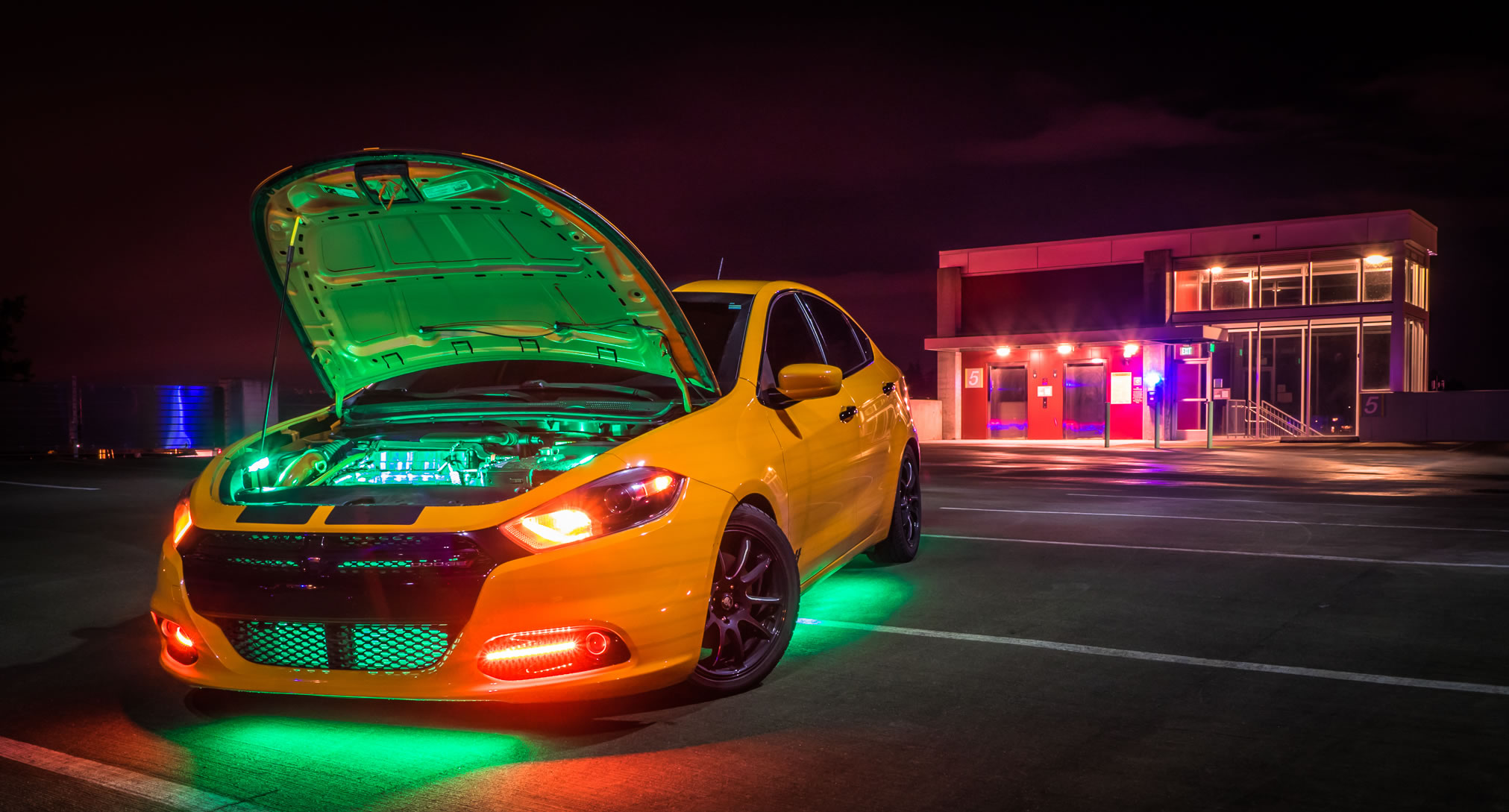
Underglow lighting, also known as ground effect lighting, refers to lights installed beneath a vehicle that cast illumination onto the road surface or surrounding areas. These are typically LED strips or tubes that can be programmed to display various colors and patterns. While popular for their aesthetic appeal, their legality in Florida hinges on their compliance with the state’s traffic laws regarding light emission and visibility.
The primary concern with underglow is its potential to be distracting to other drivers. Bright or flashing lights, especially those that are not standard colors like red or amber, can easily be mistaken for emergency vehicle lights or simply cause visual impairment. Furthermore, the intensity of some underglow kits can be excessive, leading to glare and reduced visibility for oncoming traffic.
Florida Statutes and Underglow
While there isn’t a single statute explicitly stating “underglow is illegal,” the existing regulations provide the framework for determining its permissibility. The key statutes that impact underglow lighting are found within the broader sections dealing with vehicle equipment and lighting.
Statute 316.235: Color of Flashing or Revolving Lights
This statute is particularly relevant. It generally prohibits the use of flashing or revolving lights on vehicles, with specific exceptions for authorized emergency vehicles, law enforcement, and other public service vehicles. While underglow is typically not flashing or revolving in the same manner as emergency lights, the spirit of this law suggests a preference for non-disruptive lighting. More importantly, it dictates the allowed colors for certain vehicle lights.
Specifically, Statute 316.235(1) states that “No vehicle shall be equipped with, nor shall any person display upon any vehicle, any flashing, rotating, or other colored lights, other than as provided for in this chapter.” While underglow might not be “flashing” in the context of emergency signals, the prohibition on “other colored lights” is where potential issues arise. If underglow projects colors other than the standard white, amber, or red (depending on placement and function), it could be deemed a violation.
Statute 316.237: Sale and Operation of Vehicle Lighting Equipment
This statute addresses the sale and use of vehicle lighting equipment. It often includes provisions that prohibit the sale of lighting devices that are not certified or that do not conform to federal standards when such standards exist. While it might not directly ban underglow, it provides a basis for law enforcement to cite vehicles with non-compliant lighting. The underlying principle is that any lighting modification should not violate public safety.

Interpretation and Enforcement
The interpretation of these statutes by law enforcement officers is crucial. While a casual observer might see underglow as a harmless cosmetic addition, an officer on patrol is tasked with upholding traffic safety. If underglow lights are excessively bright, emit distracting colors, or are used in a way that could be misconstrued as an emergency signal, they are likely to draw attention.
Enforcement often depends on the specific circumstances:
- Color: Using underglow that mimics emergency vehicle lights (e.g., blue or red flashing) is almost certainly illegal and can lead to serious charges. Even non-flashing colors like neon green or purple could be considered non-standard and potentially distracting.
- Intensity: Extremely bright lights that create glare or illuminate excessively can be problematic.
- Visibility: If the underglow is so bright that it impairs the vision of other drivers or pedestrians, it is likely to be deemed a violation.
- Timing: The legality can also depend on when the lights are activated. Using underglow during daylight hours might be less scrutinized than at night, when visibility is reduced and the impact of additional lighting is more significant.
Navigating Florida’s Roads with Underglow
For those who wish to enhance their vehicle’s appearance with underglow while traveling through or residing in Florida, adhering to a cautious approach is advisable. The goal is to ensure that any modifications do not violate the spirit or letter of the law.
Recommended Practices for Underglow Use
- Stick to Approved Colors: If possible, opt for underglow kits that offer colors typically associated with vehicle safety, such as white or amber. However, even these can be problematic if they are too bright or positioned in a way that could be confused with headlights or turn signals. The safest bet is to avoid colors that are explicitly prohibited for auxiliary lighting, such as red for forward-facing lights or blue.
- Moderate Intensity: Choose underglow kits that provide a subtle illumination rather than a blinding glare. The light should ideally be directed downwards onto the road surface and not outwards or upwards where it could affect other road users.
- Avoid Flashing or Strobing Effects: Unless specifically designed for a permitted function (which underglow typically is not), avoid any flashing or strobing capabilities. This is a clear red flag for law enforcement.
- Consider Usage Context: Be mindful of when and where you activate your underglow. It is generally best to use them in private areas, at car shows, or during specific, permitted events, rather than while actively driving on public roads, especially at night.
- Consult Local Ordinances: While state law provides the overarching framework, some counties or municipalities in Florida might have their own specific ordinances regarding vehicle modifications. It is always a good practice to be aware of these, especially if you plan on spending extended time in a particular city or region.
Potential Consequences of Violations
Operating a vehicle with illegal lighting modifications in Florida can result in traffic citations. These citations can range from minor infractions, resulting in a fine, to more serious charges if the lighting is deemed to be a significant safety hazard or a cause of an accident. Fines, points on your driving record, and even mandatory court appearances are possible outcomes.
For tourists, a citation in Florida could also have implications for their driving privileges in their home state, depending on inter-state driving record agreements. Therefore, ensuring compliance is not just about avoiding a ticket; it’s about maintaining a clean driving record and a hassle-free travel experience.
Underglow and the Tourist Experience in Florida
When planning a road trip through Florida, whether heading to the theme parks of Orlando or the historic streets of St. Augustine, understanding local laws is paramount. Vehicle modifications like underglow can be a fun way to personalize your ride, but they must be managed responsibly within the legal framework.
The Spirit of Florida’s Road Laws
Florida’s approach to traffic law is rooted in safety and order. The state encourages tourism and provides ample opportunities for exploration, from the natural beauty of the Everglades National Park to the vibrant nightlife of South Beach. However, this freedom comes with the expectation that all road users will operate their vehicles in a manner that respects public safety and community standards.
Auxiliary lighting, such as underglow, falls into a gray area that often requires a judgment call by law enforcement. The most prudent approach for any visitor is to err on the side of caution. If there is doubt about the legality or potential impact of underglow lighting, it is best to deactivate it while driving on public roads within Florida. This proactive measure can prevent potential fines, delays, and disruptions to your travel plans, allowing you to fully immerse yourself in the unique attractions and experiences that Florida has to offer.
Beyond Underglow: Other Vehicle Considerations for Travelers
While underglow is a specific concern, travelers exploring Florida by car should also be aware of other vehicle-related regulations. This includes adhering to speed limits, ensuring all standard lights (headlights, taillights, brake lights) are functional, and properly using turn signals. Understanding these basics contributes to a safer driving environment for everyone and ensures a more pleasant journey through the state. From the scenic drive along the Overseas Highway to navigating the urban arteries of Tampa, a well-maintained and legally compliant vehicle is key to unlocking the full enjoyment of a Florida adventure.
LifeOutOfTheBox is a participant in the Amazon Services LLC Associates Program, an affiliate advertising program designed to provide a means for sites to earn advertising fees by advertising and linking to Amazon.com. Amazon, the Amazon logo, AmazonSupply, and the AmazonSupply logo are trademarks of Amazon.com, Inc. or its affiliates. As an Amazon Associate we earn affiliate commissions from qualifying purchases.