
Union Square, nestled in the heart of San Francisco, California, is undeniably one of the city’s most iconic and vibrant destinations. Renowned for its upscale shopping, luxurious hotels, and bustling cultural scene, it draws millions of tourists and business travelers each year. However, like many major urban centers in the United States, San Francisco faces contemporary urban challenges, leading many prospective visitors to question the safety of its most famous square. The answer, while nuanced, leans towards a cautious yes: Union Square is generally safe for visitors, especially during the day, but requires a degree of situational awareness and adherence to common-sense safety practices.
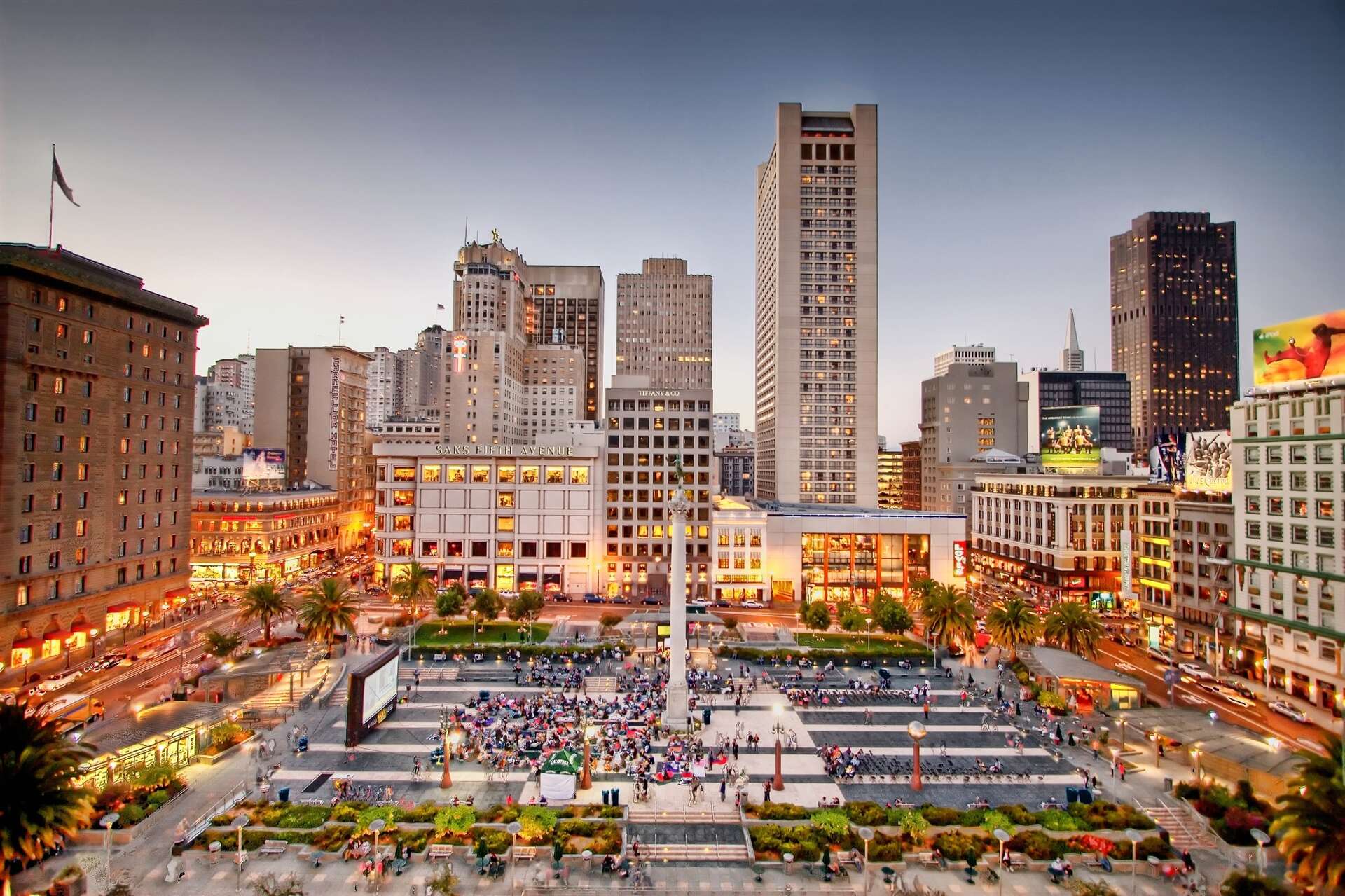
This comprehensive guide delves into the specific safety concerns often highlighted, provides practical tips for a secure visit, and outlines why Union Square continues to be an unparalleled hub for travel, accommodation, and lifestyle experiences. By understanding the local dynamics and adopting proactive measures, you can fully immerse yourself in the rich tapestry of attractions and cultural experiences that define this magnificent city.
Understanding Safety in San Francisco’s Premier District
Union Square serves as a central pulse point for San Francisco tourism and commerce. Its strategic location makes it an ideal base for exploring the city, offering unparalleled access to everything from world-class dining to iconic landmarks and diverse entertainment options. The area is characterized by a high density of foot traffic, a significant presence of security personnel from hotels and retail establishments, and a lively atmosphere that contributes to a general sense of daytime security. However, it’s crucial to acknowledge that the perception of safety in San Francisco has shifted in recent years. Concerns about property crime, particularly car break-ins, along with visible homelessness and instances of petty theft, have become more prevalent topics of discussion.
While violent crime directly affecting tourists in Union Square remains relatively rare, visitors should be aware of their surroundings and understand that urban environments, by their nature, present certain risks. The area’s blend of affluent visitors and residents with a visible unhoused population and societal challenges creates a unique environment that demands informed navigation. Despite these challenges, the sheer volume of amenities – from boutique hotels offering plush suites to renowned restaurants and theaters – ensures its enduring appeal. For those planning a trip, the key is to balance enjoyment of these amenities with a vigilant approach to personal and property safety, ensuring your experience aligns with the vibrant and dynamic spirit of San Francisco.
Navigating Common Concerns: Property Crime and Petty Theft
The most frequently reported issues for visitors in San Francisco, including around Union Square, revolve around property crime. While these incidents are often non-violent, they can significantly impact a traveler’s experience and sense of security. Being prepared and understanding how to mitigate these risks is paramount for a worry-free visit.
The Ubiquitous Threat of Car Break-ins
Perhaps the most notorious property crime in San Francisco is the car break-in. This issue affects both locals and tourists across various neighborhoods, with perpetrators often targeting rental cars due to the common assumption that tourists carry valuables. The modus operandi is often quick: thieves smash windows, grab visible items, and disappear within seconds.
To safeguard your vehicle and belongings, adopt an “empty car” policy. This means:
- Never leave anything visible in your car, not even for a moment. This includes luggage, backpacks, shopping bags, charging cables, or even loose change. If it looks like there could be something of value, it’s a target.
- Stow items in the trunk before you arrive at your destination. If you move items to the trunk after parking, potential thieves might observe you and know exactly what to target.
- Park in secure, well-lit parking garages. While not foolproof, these often offer more security than street parking. Check reviews or inquire with your hotel about recommended parking facilities. Many Union Square hotels provide secure valet services or partnerships with nearby garages.
- Consider car-sharing services or ride-shares instead of renting a car if your itinerary primarily focuses on the city’s central attractions. This eliminates the car break-in risk entirely and offers a convenient way to navigate San Francisco’s often challenging parking landscape.
Protecting Your Valuables: Pickpocketing and Bag Snatching
In crowded tourist areas like Union Square, on public transportation, or during large events, pickpocketing and bag snatching can occur. These crimes often rely on distraction and speed, targeting individuals who appear preoccupied or whose belongings are easily accessible.
To minimize your risk:
- Be mindful of your surroundings, especially in dense crowds. Maintain situational awareness and avoid being overly engrossed in your phone or conversations.
- Secure your belongings. Use a cross-body bag or a backpack worn on your front in crowded areas. Wallets should be kept in a front pocket, not a back pocket. Consider anti-theft bags with slash-resistant straps and lockable zippers.
- Avoid openly displaying large amounts of cash or expensive jewelry. While Union Square is known for luxury shopping, flashing high-value items can make you a target.
- Be cautious on public transportation like Muni buses and streetcars or the BART train system. Keep your bag close, zipped, and in view. Avoid placing bags on empty seats or the floor away from your immediate control.
- When dining, never hang your bag on the back of your chair. Keep it on your lap, between your feet, or in a place where it’s always in your sight and difficult for someone to quickly grab.
Addressing Visible Homelessness and Drug Use
San Francisco, like many major cities, grapples with a significant homeless population and issues related to drug addiction. While the presence of unhoused individuals and visible drug use can be jarring for visitors, particularly those unfamiliar with urban challenges, it’s important to note that these individuals are generally not a direct threat to tourists. The vast majority are seeking shelter and support, and most encounters are harmless.
However, certain precautions are advisable:
- Maintain a respectful distance. There’s no need to engage directly if you feel uncomfortable.
- Avoid walking alone at night in less-trafficked areas, especially those bordering known challenging neighborhoods.
- If approached, a polite but firm “no, thank you” is usually sufficient. Avoid direct confrontation or prolonged eye contact if you feel uneasy.
- Be aware that open drug use may be visible in some areas. It’s best to simply observe from a distance and continue on your way, avoiding these situations directly.
- Understanding the social context can help alleviate anxiety. Organizations and city initiatives are actively working to address these complex societal issues, but their visibility remains a reality of the urban landscape.
Demystifying San Francisco’s Neighborhoods: Where to Go and Where to Be Cautious
San Francisco is a city of distinct neighborhoods, each with its unique character, attractions, and safety profiles. While Union Square itself is relatively safe, its proximity to other areas means that understanding the surrounding geography is key to a secure and enjoyable visit.
Areas Requiring Extra Vigilance
Certain neighborhoods immediately adjacent to or easily accessible from Union Square are known for higher crime rates and can present more significant challenges, particularly after dark. It’s not necessarily about avoiding them entirely, but rather about exercising heightened caution and making informed decisions about when and how to traverse them.

- Tenderloin District: Located directly west of Union Square, the Tenderloin District is widely recognized for its high crime rates, visible drug activity, and significant homeless population. While it has its own vibrant cultural pockets, it is generally advisable for tourists to avoid walking through this area, especially at night. Its boundaries can feel blurry, so be aware of street names when walking west from Union Square.
- Civic Center / UN Plaza: While home to impressive architectural landmarks like City Hall and cultural institutions, the areas around the Civic Center and UN Plaza can also experience similar challenges to the Tenderloin District, particularly after business hours. Public transit hubs here can attract individuals involved in petty crime or drug use. It’s best to exercise caution, particularly in the evenings.
- SOMA (South of Market): This large district encompasses a wide range of areas. While many parts of SOMA, particularly those closer to the bay and major tech companies, are safe and bustling, other sections, especially those closer to Market Street and the Tenderloin District border, can feel less secure, particularly at night. When exploring SOMA, stick to well-trafficked areas and consider ride-shares after dark.
- Market Street: As a major thoroughfare, Market Street is always busy. However, the stretch of Market Street heading west from Union Square towards the Civic Center can present issues with homelessness, panhandling, and occasional petty crime. While safe during the day, visitors should be extra vigilant, and consider alternative routes or transportation after sunset.
Exploring Safer San Francisco Enclaves
Fortunately, San Francisco is also home to numerous neighborhoods that are generally considered very safe and welcoming for tourists, offering a diverse array of experiences and accommodations, from luxury resorts to charming boutique hotels.
- Nob Hill and Russian Hill: These affluent residential neighborhoods, famous for their steep streets and grand Victorian homes, are known for their picturesque charm and low crime rates. They offer stunning views, upscale dining, and a tranquil atmosphere just a short distance from Union Square.
- North Beach: Known as San Francisco’s “Little Italy” and the historic heart of the Beat Generation, North Beach is a vibrant and generally safe area, particularly bustling with nightlife. It’s a great spot for foodies and those looking for lively evening entertainment.
- Fisherman’s Wharf: As one of the city’s most popular tourist attractions, Fisherman’s Wharf is heavily trafficked and well-patrolled. While it can be very busy, especially on weekends, it’s considered a safe destination for families and individuals.
- Polk Gulch: Stretching along Polk Street, this area is increasingly popular for its diverse dining scene, bars, and unique shops. It generally maintains a safe atmosphere, particularly in the evenings, making it a good option for dining out.
Day vs. Night: Adapting Your Safety Strategy
The time of day significantly influences the safety profile of any urban area, and San Francisco is no exception.
- During the Day: Union Square and most major tourist attractions are vibrant and generally safe. The presence of numerous people, businesses, and security personnel acts as a deterrent to crime. Enjoy exploring on foot, visiting landmarks, and immersing yourself in the local culture.
- At Night: Caution levels should increase. While Union Square remains relatively busy and well-lit, particularly around its luxury hotels and theaters, venturing into less-trafficked or less-familiar streets is not recommended. It’s always best to:
- Stick to well-lit and busy streets.
- Utilize ride-sharing services (Uber, Lyft) or traditional taxis for transportation, especially when returning to your accommodation after dark, even for relatively short distances. Avoid walking alone or through quiet areas at night.
- Be extra mindful of your belongings when exiting vehicles or navigating to your hotel entrance.
Essential Safety Tips for a Seamless San Francisco Experience
Beyond understanding specific areas, adopting a proactive mindset and implementing practical safety measures can greatly enhance your travel experience in San Francisco. These tips align with best practices for urban exploration and ensure that your focus remains on enjoying the attractions and experiences.
Proactive Personal Safety Measures
- Situational Awareness: Always be aware of your surroundings. Avoid walking with your head down, constantly staring at your phone, or listening to loud music that may prevent you from hearing what’s happening around you. Make eye contact with people, project confidence, and appear purposeful in your movements.
- Secure Your Belongings: As previously mentioned, use anti-theft bags, keep valuables out of sight, and avoid carrying excessive amounts of cash. Distribute your money and cards in different locations (e.g., some in a wallet, some in a separate pouch, some secured in your hotel safe) to minimize loss if pickpocketed.
- Dress Down, Blend In: While Union Square is known for its upscale shopping, try to avoid excessively flashy attire or jewelry that might draw unwanted attention. Dressing in a casual, comfortable manner that blends with the local aesthetic can be beneficial.
- Trust Your Instincts: If a situation or area feels uncomfortable or unsafe, remove yourself from it. Your intuition is a powerful safety tool.
Smart Transportation Choices
- Utilize Ride-Shares and Taxis: For convenience and safety, especially at night or when traveling with luggage, rely on services like Uber, Lyft, or licensed taxis. Always verify the vehicle and driver match the information provided in your app before entering.
- Public Transit Precautions: Muni and BART are efficient ways to get around, but require vigilance. Avoid placing phones or wallets on your lap or in easily accessible pockets. Keep bags on your lap or between your feet, never on an adjacent seat. If you feel uncomfortable, move to a different car or wait for the next train/bus.
- Walking Smart: Plan your walking routes in advance, sticking to well-lit, busy streets, especially in the evening. Use navigation apps but don’t let them entirely dictate your awareness; if a street looks questionable, find an alternative.
Planning for the Unexpected
- Travel Insurance: Investing in comprehensive travel insurance is always a wise decision. It can cover not only medical emergencies but also lost or stolen belongings, trip cancellations, and other unforeseen circumstances, providing peace of mind.
- Emergency Contacts: Keep a list of emergency contacts, including your hotel, embassy/consulate (if applicable), and local emergency services (911 in the United States), readily accessible.
- Stay Connected: Ensure your phone is charged and has international roaming or a local SIM card plan, allowing you to access maps, communicate, and call for help if needed.
- Inform Someone of Your Itinerary: Share your travel plans with a trusted friend or family member back home, especially if you’re traveling solo.

Why Union Square Remains a Premier Destination
Despite the urban challenges, Union Square remains a magnet for travelers for compelling reasons that far outweigh the manageable risks. Its centrality, historical significance, and concentration of top-tier amenities make it an irreplaceable part of the San Francisco experience.
A Hub for Travel and Tourism: As a major landmark, Union Square is the epicenter for many memorable San Francisco experiences. From here, you can easily access world-class attractions, participate in guided tours, and discover diverse local culture and vibrant activities. It’s where the city’s pulse is most palpable, connecting visitors to the best of San Francisco’s destinations.
Unmatched Accommodation Options: The area boasts an impressive selection of hotels, ranging from opulent luxury resorts to charming boutique hotels, catering to various lifestyles and budgets. Whether you seek spacious suites, serviced apartments for longer stays, or highly-rated accommodations with exceptional amenities, Union Square has it all. The presence of these establishments and their dedicated security teams contributes significantly to the square’s daytime safety and upscale atmosphere.
Shopping and Lifestyle: For those who appreciate the finer things, Union Square is a paradise. It’s home to flagship stores of international fashion brands, department stores, and unique boutiques. This concentration of retail, combined with a vibrant culinary scene, offers a luxury travel experience that attracts visitors from around the globe, making it a pivotal spot for a sophisticated lifestyle.
In conclusion, Union Square is unequivocally a destination worth visiting. By understanding its environment, adhering to common-sense safety practices, and leveraging the extensive resources available to travelers, you can enjoy a safe, enriching, and unforgettable journey through one of San Francisco’s most iconic and dynamic districts. Prepare wisely, stay aware, and embrace the vibrant spirit of this incredible California city.
LifeOutOfTheBox is a participant in the Amazon Services LLC Associates Program, an affiliate advertising program designed to provide a means for sites to earn advertising fees by advertising and linking to Amazon.com. Amazon, the Amazon logo, AmazonSupply, and the AmazonSupply logo are trademarks of Amazon.com, Inc. or its affiliates. As an Amazon Associate we earn affiliate commissions from qualifying purchases.