
As the calendar turns to 2024, travelers contemplating a trip to the Sunshine State often find themselves asking a pressing question: “Is weed legal in Florida?” The answer, like much of Florida’s ever-evolving landscape, is nuanced, particularly for visitors. While the state has a well-established medical marijuana program, the push for recreational legalization continues to be a hot topic, with significant developments expected this year. For anyone planning to explore Florida’s breathtaking beaches, vibrant cities, and world-class attractions, understanding the current legal framework surrounding cannabis is crucial for a smooth and compliant visit.
Florida, a premier destination for global tourism, attracts millions each year with its diverse offerings, from the magical theme parks of Orlando to the Art Deco charm of Miami Beach and the tranquil beauty of the Florida Keys. The state’s reputation as a top-tier travel hub means that discussions around cannabis legality inevitably intersect with tourism, accommodation, and the overall lifestyle experience visitors seek. Whether you’re considering a luxurious stay at a Ritz-Carlton resort, an adventurous family trip to Walt Disney World Resort, or a budget-friendly escape, navigating the legalities of cannabis will undoubtedly influence your travel choices and experiences. This comprehensive guide aims to shed light on the current situation, expected changes, and practical advice for tourists in 2024, ensuring your Florida adventure remains carefree and compliant.
Understanding Florida’s Cannabis Laws: A Tourist’s Perspective
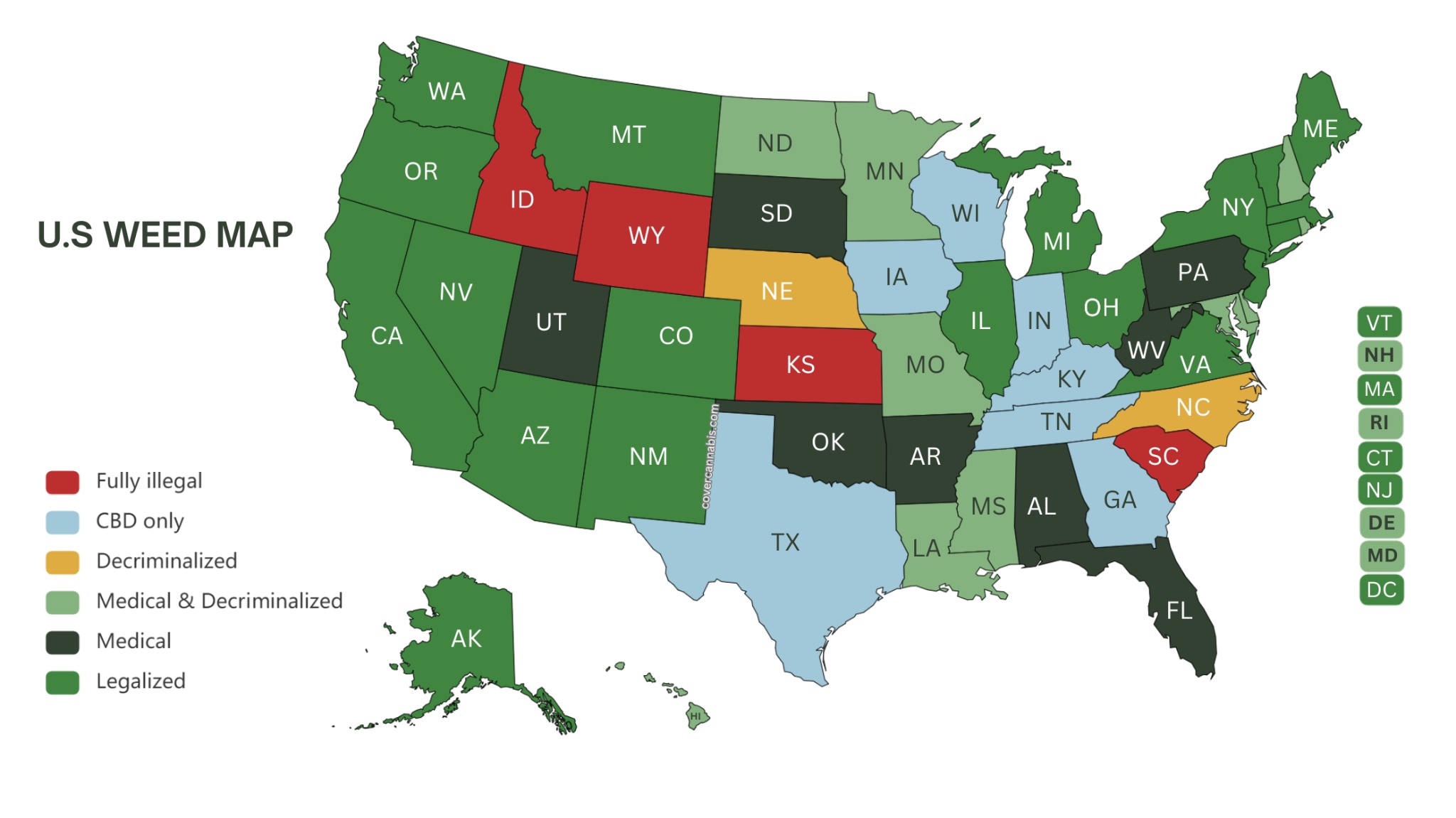
The legal landscape surrounding cannabis in Florida can be somewhat complex, especially for those unfamiliar with the state’s regulations. Unlike some other states in the United States, recreational marijuana is not yet legal in Florida. However, significant strides have been made in the medical cannabis sector, creating a distinct environment that differentiates it from a full adult-use market. For tourists, this distinction is paramount, as the rules for residents with medical cards differ significantly from those for casual visitors.
Medical Marijuana: The Current Landscape
Florida’s medical marijuana program was established through a constitutional amendment, allowing qualifying patients to obtain and use cannabis for specific debilitating conditions. To participate, individuals must be diagnosed by a qualified physician and obtain a medical marijuana use registry card. This card permits them to purchase cannabis products from state-licensed dispensaries.
For tourists, the critical point is that Florida’s medical marijuana program generally does not extend to out-of-state visitors, even if they possess a medical marijuana card from their home state. Reciprocity, where states recognize each other’s medical cards, is not a feature of Florida’s program. This means that if you’re visiting Florida and have a medical marijuana card from, say, California or Colorado, you cannot legally purchase or possess medical cannabis in Florida without going through the state’s specific patient registration process. This process typically requires a Florida residency and a diagnosis from a Florida-licensed physician, making it impractical for most short-term visitors.

Therefore, as of early 2024, if you do not possess a valid Florida medical marijuana card, purchasing or possessing cannabis products for recreational purposes, or even for medical purposes with an out-of-state card, remains illegal and can lead to legal penalties. These penalties can range from fines to imprisonment, depending on the quantity and circumstances of possession. It’s essential for all visitors to be aware of this and avoid assuming that cannabis laws in Florida mirror those in other more permissive states.
The Push for Recreational Legalization in 2024
Despite the current restrictions, 2024 is a pivotal year for the future of cannabis in Florida. A ballot initiative aimed at legalizing recreational marijuana for adults is expected to go before voters. This initiative, if approved, would amend the state constitution to allow individuals 21 and older to possess and use cannabis for non-medical purposes. The campaign to get this measure on the ballot has garnered significant support, reflecting a growing public sentiment for broader cannabis reform.
If the initiative passes, it would undoubtedly revolutionize the tourism and lifestyle sectors in Florida. Imagine designated cannabis dispensaries akin to liquor stores, specialized cannabis lounges, and a general shift in perception that could attract a new demographic of travelers. This change could also impact accommodation options, potentially leading to more cannabis-friendly hotels and resorts, similar to what is seen in other legalized states. The economic implications, including potential tax revenues and job creation, are substantial, making this an issue closely watched by businesses across the state, from boutique hotels in South Beach to sprawling resorts near Universal Studios Florida.
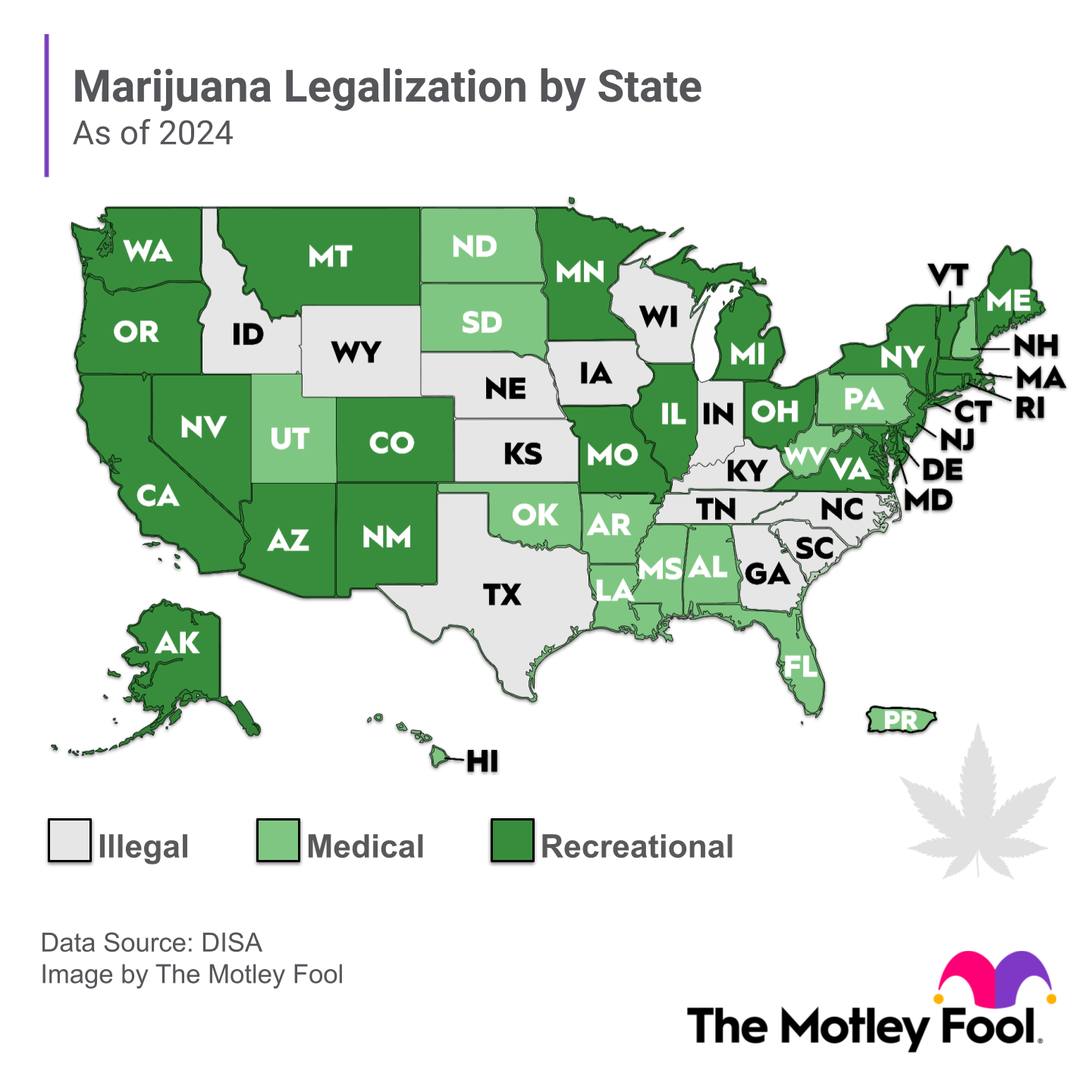
However, until such a measure is passed and implemented, recreational cannabis remains illegal. Tourists should closely monitor the news regarding the ballot initiative, but plan their 2024 trips based on the current legal framework. Speculation and anticipation are high, but the law remains the law until a constitutional amendment dictates otherwise.
Navigating Cannabis Use as a Visitor
Given the current legal status, understanding the practical implications for tourists is vital. This section focuses on where consumption might be legal for those with a valid Florida medical card and, more importantly, what restrictions apply to everyone else. It also delves into the critical area of accommodation policies, which are particularly relevant for travelers.
Where Can You Legally Consume?
For individuals with a valid Florida medical marijuana card, legal consumption is primarily restricted to private residences. Using medical cannabis in public places, even with a card, is generally prohibited. This includes parks, beaches, sidewalks, and any other public space. While the law permits possession of certain forms of medical cannabis, smoking it in public is not allowed. Vaporizers and other non-combustible methods may have slightly different rules, but the general principle is to keep consumption private.
For tourists without a Florida medical card, the situation is much simpler: there is no legal place to consume cannabis in Florida. Possessing or consuming cannabis in any form (flower, edibles, vapes, etc.) can lead to legal trouble. This applies everywhere, from the bustling streets of Miami to the serene landscapes of Everglades National Park. Even if a friend or acquaintance offers you cannabis, accepting and consuming it would still put you in violation of state law.
It is also crucial to remember that cannabis remains illegal under federal law in the United States. This means that even if Florida were to legalize recreational cannabis, federal laws concerning interstate travel and transport of cannabis would still apply. Crossing state lines with cannabis, even between two legal states, can lead to federal charges. For air travel, no cannabis products are permitted on flights, regardless of state laws.
Accommodation and Cannabis: What to Know Before You Book
The policies regarding cannabis use in hotels, resorts, and other accommodations in Florida are critical for travelers to understand. Since recreational cannabis is illegal, and even medical cannabis use is restricted to private spaces, most establishments maintain strict no-smoking policies, which extend to cannabis.
Hotels and resorts, from budget-friendly inns to luxury properties like the Hyatt Regency or boutique apartments in Key West, generally prohibit smoking of any kind inside rooms or common areas. This includes cannabis. Even in states where recreational cannabis is legal, many hotels still ban its use on their premises to maintain a family-friendly environment, avoid property damage from smoke, and comply with various regulations. In Florida, this stance is even more prevalent due to the illegal status of recreational use.
Before booking, it is always advisable to check the specific policies of your chosen accommodation. While some properties might tolerate discreet use of edibles (especially for medical cardholders, though still a gray area for out-of-state visitors), smoking or vaping cannabis is almost universally prohibited. Violating these policies can lead to significant fines, immediate eviction without a refund, and even potential legal consequences if the hotel reports the activity to law enforcement.
For travelers looking for “cannabis-friendly” accommodation, options are extremely limited in Florida as of 2024, largely due to the current legal framework. Any establishment advertising as such would likely be operating in a legal gray area, and guests should proceed with extreme caution. The safest approach is to assume that cannabis consumption is not permitted at your accommodation and to plan accordingly, focusing on enjoying Florida’s many other attractions within the bounds of the law.
Exploring Florida with Caution: Travel Tips and Responsible Tourism
Florida offers an unparalleled array of experiences, from sun-drenched beaches to thrilling theme parks and vibrant cultural scenes. Enjoying these responsibly means understanding and respecting the local laws, including those pertaining to cannabis. Responsible tourism isn’t just about preserving natural beauty or supporting local businesses; it’s also about ensuring a safe and lawful trip for yourself and others.
Beyond the Beaches: Cannabis and Florida’s Diverse Attractions
When planning your itinerary around Florida’s incredible landmarks and attractions, it’s important to remember that cannabis laws apply uniformly across the state. Whether you’re visiting the historic streets of St. Augustine, exploring the artistic districts of Wynwood in Miami, or enjoying the family-friendly fun of LEGOLAND Florida Resort, the current prohibition on recreational cannabis remains in effect.
This means that facilities at attractions, including restrooms, parking lots, and designated smoking areas (which are usually tobacco-only), are not places where cannabis can be consumed. Theme parks like Busch Gardens Tampa Bay and SeaWorld Orlando have very strict rules regarding illegal substances, and violating them can lead to immediate expulsion and potential legal action. Even in more relaxed settings, such as state parks or natural springs, cannabis use is prohibited. The emphasis for all visitors should be on experiencing Florida’s natural and man-made wonders without the added complication of legal issues related to cannabis.
Embracing the local culture often involves understanding its rules. Instead of focusing on cannabis, immerse yourself in Florida’s renowned culinary scene, its vibrant live music, its rich history, or its diverse ecosystems. Florida’s tourism industry thrives on offering a wide range of activities that do not involve cannabis, from deep-sea fishing off the coast of Tampa to airboat rides in the Everglades and exploring the quaint shops of Winter Park. These experiences offer a truly authentic and memorable visit to the Sunshine State.
The Future of Cannabis Tourism in the Sunshine State
The potential for recreational cannabis legalization in Florida in 2024 is undoubtedly a game-changer for the state’s tourism and lifestyle sectors. If the ballot initiative passes, Florida could become one of the largest cannabis markets in the United States, opening doors for “cannabis tourism” that currently exists in other states like California or Nevada.
This could lead to a new wave of businesses catering to cannabis-friendly lifestyles, including specialized accommodations, cannabis-themed tours, and events. Hotels might adapt by offering designated smoking areas, cannabis-friendly rooms, or even integrating local dispensary partnerships. The impact on travel could be immense, potentially attracting a new segment of visitors interested in exploring the burgeoning cannabis culture alongside traditional Florida attractions. For budget travelers, this might mean more diverse accommodation options, while luxury travelers could see high-end resorts incorporating cannabis into wellness or leisure offerings.
However, even with legalization, it is crucial to understand that regulations would still be in place. Public consumption would likely remain restricted, and establishments would have the right to set their own policies. The transition would be gradual, with new laws needing to be drafted and implemented to govern sales, taxation, consumption locations, and public safety.
In conclusion, as of early 2024, recreational cannabis is not legal in Florida, and its medical program is not reciprocal for out-of-state visitors. While the potential for recreational legalization looms large on the horizon, travelers planning a trip should adhere to the current laws to ensure a safe, enjoyable, and compliant experience. Florida offers a wealth of incredible experiences that can be fully enjoyed within the existing legal framework. Staying informed about legislative developments is wise, but acting within the current legal boundaries is paramount for a worry-free visit to the Sunshine State.
LifeOutOfTheBox is a participant in the Amazon Services LLC Associates Program, an affiliate advertising program designed to provide a means for sites to earn advertising fees by advertising and linking to Amazon.com. Amazon, the Amazon logo, AmazonSupply, and the AmazonSupply logo are trademarks of Amazon.com, Inc. or its affiliates. As an Amazon Associate we earn affiliate commissions from qualifying purchases.