
Navigating the diverse and often bustling roadways of California is an experience in itself, whether you’re embarking on a scenic coastal drive or traversing the urban sprawl. For many, ensuring their vehicle is compliant with local regulations is a key component of a stress-free journey. Among the most frequently inquired-about rules for drivers, particularly those new to the state or visiting with out-of-state vehicles, are those governing window tint. Understanding these laws is not merely a matter of avoiding a citation; it contributes to overall road safety and ensures a smooth travel experience within the Golden State. The state’s regulations are specific, designed to balance driver comfort and privacy with public safety and law enforcement needs. This guide offers a comprehensive overview of what every driver needs to know about window tint legality in California.
Understanding California’s Vehicle Code for Window Tint
California’s Vehicle Code (CVC) outlines precise stipulations regarding the application of window tint to vehicles. These laws are critical for both residents and visitors to understand, as non-compliance can lead to fines and other legal issues. The core of these regulations centers on visibility – ensuring that drivers have clear sightlines and that law enforcement officers can adequately see into a vehicle for safety reasons.
Front Side Windows
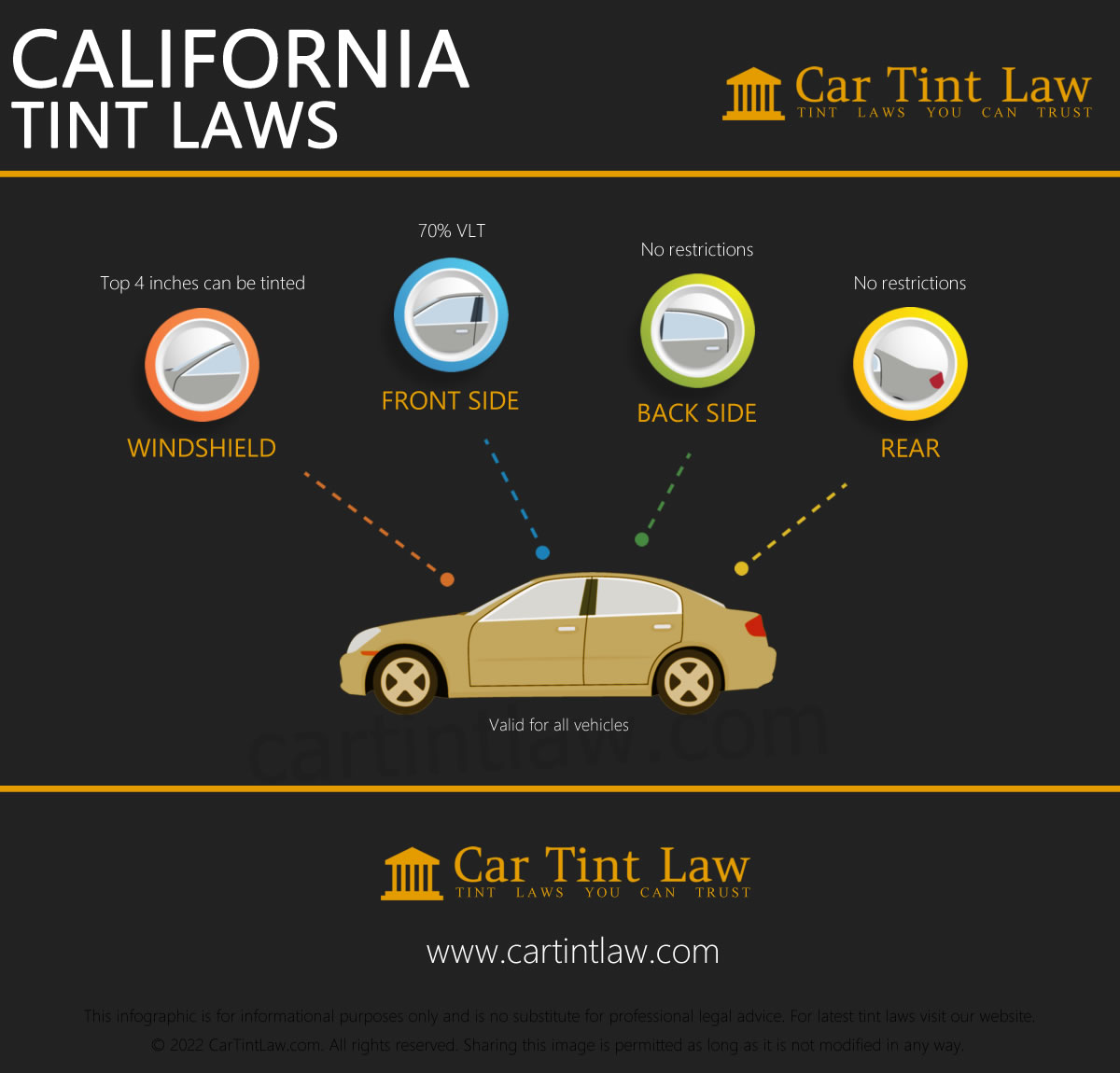
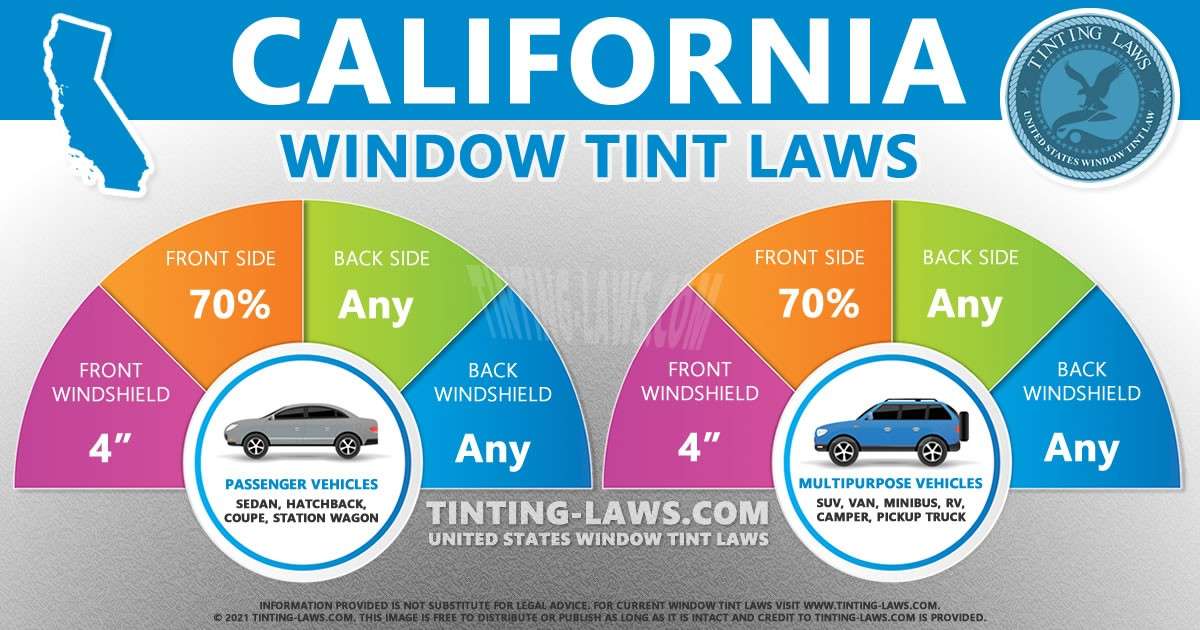
One of the most stringent regulations applies to the front side windows – those immediately to the left and right of the driver. According to CVC Section 26708(a), a vehicle’s front side windows must not be tinted darker than the manufacturer’s original tint, if any. This means that generally, no aftermarket tint is permitted on these windows. The intent is to maintain maximum visibility for the driver, particularly when checking mirrors or looking for pedestrians, and to allow clear sightlines into the vehicle for law enforcement. Some exceptions exist for specific medical conditions, which require a physician’s certificate and strict adherence to specific tint levels.
Rear Side and Rear Windows
The regulations become more flexible for the rear side windows (behind the front two) and the rear window (windshield). For these windows, non-reflective aftermarket tint is permissible. However, there’s a crucial caveat: if the rear window is tinted, the vehicle must be equipped with outside rearview mirrors on both the left and right sides. This ensures that the driver still has adequate rearward visibility, compensating for any reduction caused by the tint. There is no specific darkness limit (Visible Light Transmission – VLT) for these windows, but they must not be reflective.
Windshield Requirements
The windshield has the strictest rules. No tinting material is allowed below the AS-1 line, which is typically marked on most windshields, or within the top 4 to 6 inches of the windshield, whichever is lower. This small strip is primarily for reducing sun glare and must be transparent enough not to obstruct the driver’s forward view. No other aftermarket tinting is permitted on the main viewing area of the windshield. The overall goal is to prevent any obstruction that could impair a driver’s ability to see the road, traffic, or potential hazards ahead.
Permissible Tint Colors and Reflectivity
Beyond darkness, California law also addresses the type and color of tint. The Vehicle Code explicitly prohibits window tint that is red, amber, or blue. These colors are restricted because they could potentially interfere with the visibility of emergency vehicle lights or traffic signals, or be confused for such signals by other drivers. Furthermore, any window tint, regardless of its location, must not be reflective. Reflective tints can create glare for other drivers, posing a safety hazard, and can also interfere with the ability of law enforcement to see into the vehicle, which is a key concern for officer safety during traffic stops. Compliance with these color and reflectivity standards is just as important as adhering to the darkness limits.
The Purpose Behind California’s Tint Regulations
The detailed and sometimes strict nature of California’s window tint laws is not arbitrary. They are rooted in fundamental principles of public safety, operational efficiency for emergency services, and the practicalities of law enforcement. These regulations reflect a careful balance between individual preferences for privacy or comfort and the collective need for clear visibility and accountability on the roads. Understanding these underlying reasons can help drivers appreciate the rationale behind the rules and encourage compliance.
Safety and Visibility
The primary motivation behind tint laws is to ensure optimal visibility for all drivers. Excessive tint, especially on front windows, can significantly reduce a driver’s ability to see pedestrians, cyclists, and other vehicles, particularly in low-light conditions, at dawn or dusk, or during adverse weather. It can also impair a driver’s peripheral vision, making lane changes or turns more hazardous. By regulating tint levels, California aims to minimize these risks, thereby contributing to fewer accidents and safer roads for everyone. Clear windows also enable other drivers to make eye contact with the driver, a subtle but crucial element of non-verbal communication that helps prevent collisions.
Law Enforcement Concerns
Window tint laws are also crucial for law enforcement. During a traffic stop, an officer’s ability to see into a vehicle is paramount for their safety. Dark tint can obscure the officer’s view of the vehicle’s occupants and their actions, creating an immediate safety risk. It prevents officers from quickly assessing potential threats or identifying non-threatening behaviors. By maintaining specific transparency levels, particularly on front windows, the law helps ensure that officers can perform their duties more safely and effectively, which ultimately benefits both the police and the public.
Medical Exemptions
Recognizing that some individuals have legitimate medical needs that necessitate darker window tint, California law provides for specific medical exemptions. Conditions such as severe photosensitivity or lupus, which can be exacerbated by UV exposure, may qualify. To obtain a medical exemption, an individual must receive a doctor’s certificate specifying the medical condition and the necessity for darker tint. Even with an exemption, there are often still limits on how dark the tint can be, especially on the front side windows, and specific documentation must be carried in the vehicle at all times. This provision reflects a compassionate approach to regulation while still attempting to uphold the spirit of the law regarding visibility.
Consequences of Non-Compliance for California Drivers
Ignoring California’s window tint laws can lead to a range of undesirable consequences that can disrupt your travel plans and incur unexpected costs. For both tourists unfamiliar with local statutes and long-term residents, understanding these potential repercussions is essential for making informed decisions about vehicle modifications. Compliance is not just about adhering to the letter of the law but also about avoiding the practical headaches that arise from violations.
Citations and Fines
The most immediate consequence of illegal window tint is a traffic citation. In California, window tint violations are typically considered “fix-it tickets” or “correctable violations.” This means that if you are cited, you may have the opportunity to remove the illegal tint and have a law enforcement officer verify the correction to have the citation dismissed or reduced. However, there is usually an administrative fee associated with the dismissal, and if the tint is not removed or corrected within the specified timeframe, the initial fine can escalate significantly. Fines for tint violations can range from approximately $25 to $200, but with court fees and penalties, the total cost can be considerably higher, easily reaching hundreds of dollars.
Vehicle Impoundment
While less common for a first-time tint violation, continuous non-compliance or egregious violations, especially when combined with other infractions, could potentially lead to more severe actions, including vehicle impoundment. This is typically reserved for situations where the vehicle is deemed unsafe for operation due to multiple defects, including excessively dark or obstructed windows that severely impede visibility. Vehicle impoundment is a costly and inconvenient process, involving towing fees, storage fees, and administrative costs, in addition to the original fines. It can severely disrupt travel plans, particularly for tourists on a tight schedule or budget.
Impact on Insurance
While a single window tint violation might not directly impact your insurance rates in the same way a moving violation would, recurring “fix-it tickets” can eventually draw the attention of your insurance provider. Some insurance companies may view a pattern of correctable violations as an indicator of a driver who is less attentive to vehicle safety and compliance, potentially leading to increased premiums upon renewal. Furthermore, in the unfortunate event of an accident, if it is determined that illegal window tint contributed to impaired visibility and was a factor in the collision, your insurance company could potentially dispute coverage or increase your liability. It’s always best to ensure your vehicle is fully compliant to avoid any complications with your insurance policy.
Tips for Tourists and New Residents Driving in California
For those exploring California’s scenic routes or settling into a new home within the state, understanding local vehicle regulations, particularly concerning window tint, is paramount. Proactive measures can prevent unnecessary stress, fines, and delays, ensuring a pleasant and compliant driving experience. These tips are designed to help you navigate the nuances of California’s tint laws with ease.
Check Your Vehicle Before You Travel
If you’re planning a road trip to California from another state, or if you’ve recently moved, it’s crucial to inspect your vehicle’s window tint before you hit the road. Tint laws vary significantly from state to state. What might be perfectly legal in Arizona or Nevada could be illegal in California. Pay close attention to the front side windows and the windshield. If your tint appears to be darker than standard or extends too far down the windshield, consider having it professionally removed or adjusted before entering California. This simple step can save you from potential citations and the hassle of finding a tint shop while traveling.
Consulting with Professionals
When in doubt, consult with professionals. If you are a new resident considering tinting your windows or a tourist uncertain about your vehicle’s current tint compliance, visit a reputable window tinting shop in California. These professionals are well-versed in the state’s specific Vehicle Code sections pertaining to tint and can provide accurate advice, perform compliance checks, and apply legal tinting if desired. They often have the necessary light meters to measure Visible Light Transmission (VLT) percentages and can ensure that any work done meets all legal requirements, including restrictions on color and reflectivity.
Staying Informed About Changes
Vehicle codes, like all laws, can be subject to change. While California’s tint laws have been relatively stable for some time, it’s always wise to stay informed. Periodically check the official California Department of Motor Vehicles (DMV) website or the California Legislative Information website for any updates to the Vehicle Code. Subscribing to automotive news sources or legal advisories can also help you stay abreast of potential legislative changes that could affect vehicle modifications. Being proactive in staying informed ensures that your vehicle remains compliant and your travels in California are uninterrupted by unforeseen legal issues.

Future Trends and Considerations for Window Tinting
As technology advances, so too do the options for automotive window treatments. Modern innovations in tinting materials are beginning to offer solutions that could address both drivers’ desires for comfort and regulatory needs for safety. For instance, manufacturers are developing “smart glass” or “switchable glass” technologies that allow drivers to electronically adjust the tint level of their windows. While these technologies are still emerging and typically expensive, they hold the potential to dynamically adapt to varying light conditions and, crucially, to comply with legal requirements by adjusting transparency levels on demand. Such innovations could offer a harmonious solution, providing darker tint for sun protection when parked or driving on private roads, and instantly reverting to legal transparency levels when on public roads or during a traffic stop.
Furthermore, increasing public awareness of UV radiation’s harmful effects and the importance of cabin cooling efficiency (especially in a state known for its sunny climate) might drive further legislative discussions. While current laws primarily focus on visible light transmission, future amendments could potentially incorporate more explicit guidelines regarding UV protection or heat reduction, especially as electric vehicles and sustainable driving practices become more prevalent. However, any such changes would undoubtedly continue to prioritize safety and law enforcement visibility as paramount concerns. For the foreseeable future, drivers in California should continue to adhere to the existing Vehicle Code, understanding that these laws are in place to ensure safe and orderly travel for all on the state’s iconic highways and byways.
LifeOutOfTheBox is a participant in the Amazon Services LLC Associates Program, an affiliate advertising program designed to provide a means for sites to earn advertising fees by advertising and linking to Amazon.com. Amazon, the Amazon logo, AmazonSupply, and the AmazonSupply logo are trademarks of Amazon.com, Inc. or its affiliates. As an Amazon Associate we earn affiliate commissions from qualifying purchases.