
This question, while seemingly straightforward, delves into a fascinating aspect of geographical understanding and the sometimes blurry lines of perception when it comes to iconic natural landmarks. The immediate, and correct, answer is no, Yellowstone National Park is not located in California. However, understanding why this question might arise, and exploring the connections, if any, that might lead someone to ask it, offers an opportunity to appreciate the vastness and distinctiveness of America’s natural treasures.
The True Location of Yellowstone National Park
To definitively answer the query, we must pinpoint the exact geographical coordinates of Yellowstone. Yellowstone National Park, the world’s first national park established in 1872, is primarily situated in the northwestern corner of Wyoming. A significant portion of the park also extends into the bordering states of Montana and, to a lesser extent, Idaho.
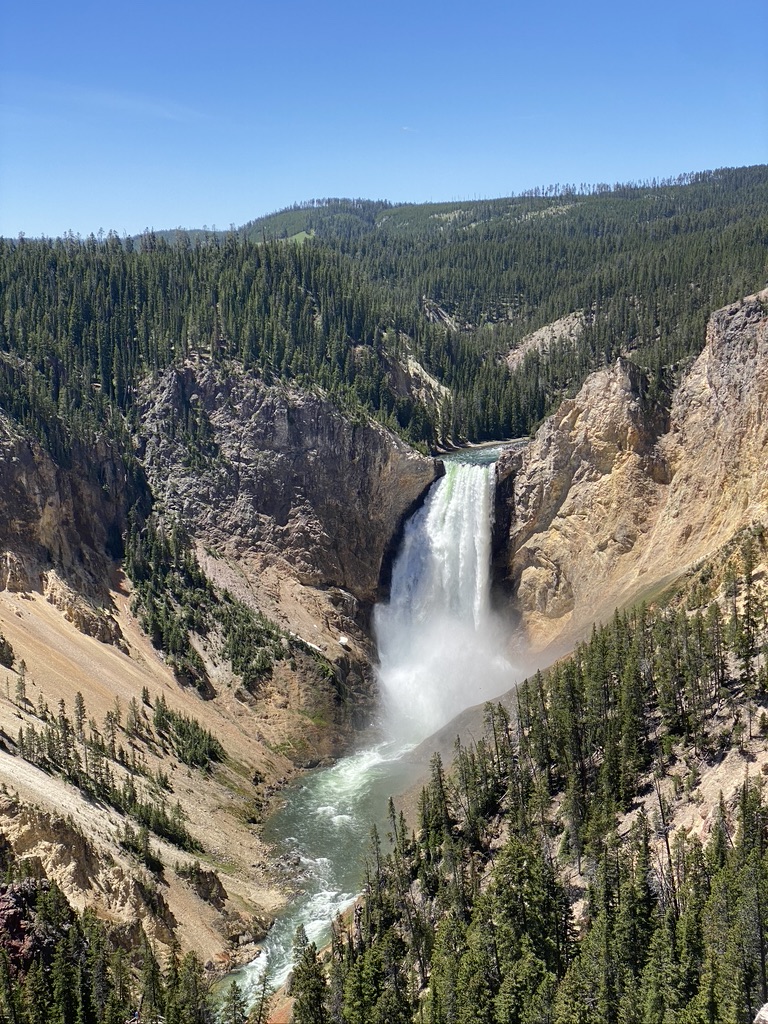
The sheer scale of Yellowstone is impressive, encompassing over 2.2 million acres. Its unique position across these three states means that visitors can experience diverse ecosystems and geological formations, all under the umbrella of a single, magnificent park. The vast majority of visitors enter Yellowstone from Wyoming, with cities like Jackson serving as popular gateways.
Geological Marvels: A Caldera of Wonder
The geological significance of Yellowstone cannot be overstated. It sits atop a supervolcano, a massive volcanic caldera whose activity has shaped the landscape over millennia. This geothermal activity is what fuels the park’s most famous attractions: its geysers and hot springs.
- Old Faithful: Perhaps the most iconic geyser in the world, Old Faithful reliably erupts every 60 to 110 minutes, shooting thousands of gallons of boiling water high into the air. Its predictability has made it a must-see for generations of park visitors.
- Grand Prismatic Spring: This incredibly vibrant hot spring, the largest in the United States, displays a breathtaking spectrum of colors due to heat-loving bacteria. The brilliant blues, greens, yellows, and oranges are a testament to the complex chemistry at play beneath the earth’s surface.
- Mammoth Hot Springs: Located in the northern part of the park, these terraces are formed by the deposition of travertine from hot springs. The intricate, calcium carbonate formations resemble an otherworldly landscape.
These geothermal features are a direct result of the volcanic activity beneath Yellowstone, a phenomenon unique to this region of the United States.
Wildlife Sanctuary: A Biodiverse Haven
Beyond its geological wonders, Yellowstone is renowned for its abundant and diverse wildlife. It is one of the few remaining intact ecosystems in the Northern Hemisphere, supporting a wide array of species.
- Bison: The park is home to one of the largest free-roaming bison herds in the world. Observing these majestic animals grazing in the valleys is a quintessential Yellowstone experience.
- Grizzly Bears and Black Bears: Yellowstone provides critical habitat for both grizzly and black bears. While sightings are a thrill, visitors are strongly advised to maintain safe distances and follow park regulations for bear safety.
- Wolves: The reintroduction of wolves in 1995 has been a remarkable conservation success story, restoring a keystone species to the ecosystem and significantly impacting the park’s biodiversity.
- Elk and Deer: Herds of elk and various deer species are commonly seen throughout the park, often near rivers and meadows.
The management of these wildlife populations is a complex and ongoing effort by the National Park Service, ensuring the health and sustainability of this vital ecosystem.
Exploring the Distinctions: California’s Natural Wonders
Given that Yellowstone is firmly rooted in Wyoming, Montana, and Idaho, why might someone mistakenly associate it with California? This confusion likely stems from California being home to its own set of world-renowned natural landmarks and national parks, some of which share certain characteristics with Yellowstone.
California boasts a remarkable geographical diversity, from its iconic coastline to its towering mountain ranges and arid deserts. The state is home to several national parks that are celebrated for their unique beauty and geological significance.
California’s Iconic National Parks
- Yosemite National Park: Famous for its granite cliffs, giant sequoia trees, and stunning waterfalls, Yosemite shares with Yellowstone the distinction of being a major draw for nature enthusiasts and a jewel in the crown of the National Park Service. While Yosemite doesn’t have the geothermal features of Yellowstone, its sheer granite monoliths like El Capitan and Half Dome are equally awe-inspiring.
- Sequoia and Kings Canyon National Parks: These parks are home to the largest trees on Earth, the giant sequoias. The majesty of trees like [General Sherman](https://lifeoutofthebox.com/general- Sherman) evokes a sense of ancient wonder, akin to the feeling one might experience in the vast wilderness of Yellowstone.
- Death Valley National Park: This park presents a starkly different landscape, known for its extreme temperatures, vast salt flats, and sand dunes. It showcases the incredible resilience of life in arid environments and offers a unique geological experience.
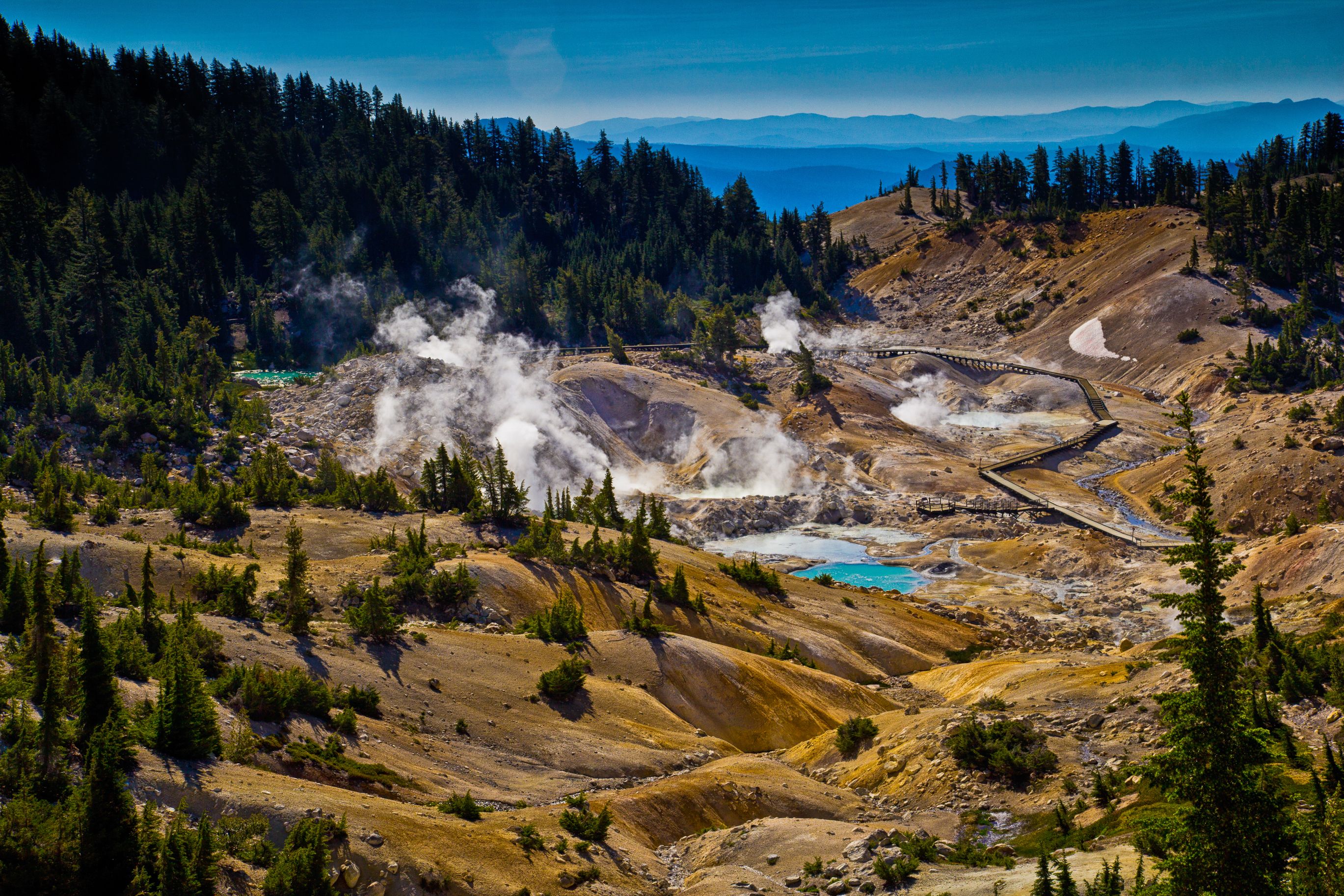
- Lassen Volcanic National Park: Interestingly, Lassen Volcanic National Park in northern California does share a geological connection with Yellowstone. Both parks are part of the Pacific Ring of Fire and exhibit significant geothermal activity, including boiling mud pots, fumaroles, and hot springs. This might be the closest parallel that could lead to a geographical mix-up.
The “National Park” Brand Recognition
Both Yellowstone and California’s premier parks are iconic symbols of America’s natural heritage. When people think of grand natural landscapes, national parks, and unique geological phenomena, these places often come to mind. The sheer fame and extensive media coverage of both Yellowstone and parks like Yosemite can sometimes lead to a mental conflation of their locations, especially for those less familiar with the precise geography of each state.
Planning Your Visit to Yellowstone
While Yellowstone is not in California, its allure draws visitors from across the globe. Planning a trip to this magnificent park requires careful consideration of the best time to visit, accommodation options, and desired activities.
Best Time to Visit
The peak season for Yellowstone is generally from June to August, when all park roads are typically open, and the weather is most conducive to outdoor exploration. However, this period also sees the largest crowds.
- Spring (April-May): Offers fewer crowds and the chance to see newborn wildlife, but many roads and facilities may still be closed due to snow.
- Fall (September-October): Presents beautiful autumn colors, fewer crowds than summer, and excellent wildlife viewing opportunities, especially during the elk rut. Be prepared for colder temperatures and potential early snow.
- Winter (December-March): A magical time for a different kind of experience, with snowshoeing, cross-country skiing, and snowmobiling. Access is limited, with only the road between Gardiner and Cooke City usually open to regular vehicles.
Accommodation Options
Yellowstone offers a range of accommodation options within and near the park. Booking well in advance is highly recommended, especially for in-park lodging.
- In-Park Lodges: Operated by Xanterra Parks & Resorts, these historic lodges and cabins provide an immersive experience. Options include the iconic Old Faithful Inn, the rustic Lake Yellowstone Hotel, and the historic Mammoth Hot Springs Hotel.
- Campgrounds: For those seeking a more rustic experience, numerous campgrounds are available, ranging from developed sites with amenities to more primitive backcountry options. Reservations are often required.
- Gateway Towns: Towns surrounding the park, such as West Yellowstone, Gardiner (Montana), Jackson, and Cody (Wyoming), offer a wide array of hotels, motels, and vacation rentals.

Must-Do Activities
A visit to Yellowstone is about experiencing its unique natural wonders.
- Geyser Gazing: Dedicate time to witness the geothermal spectacles, especially Old Faithful and the Upper, Midway, and Lower Geyser Basins.
- Wildlife Safaris: Drive through Hayden Valley and Lamar Valley, known for abundant wildlife sightings. Remember to use binoculars and maintain safe distances.
- Hiking: Explore the park’s extensive trail system, offering everything from short boardwalk strolls to challenging backcountry treks.
- Scenic Drives: The Grand Loop Road offers breathtaking vistas and access to various park attractions.
In conclusion, while the idea of Yellowstone being in California is a geographical misconception, it highlights the shared awe that America’s national parks inspire. Each park, whether it’s the geothermal marvels of Yellowstone or the granite giants of Yosemite, offers a distinct and unforgettable encounter with nature’s grandeur.
LifeOutOfTheBox is a participant in the Amazon Services LLC Associates Program, an affiliate advertising program designed to provide a means for sites to earn advertising fees by advertising and linking to Amazon.com. Amazon, the Amazon logo, AmazonSupply, and the AmazonSupply logo are trademarks of Amazon.com, Inc. or its affiliates. As an Amazon Associate we earn affiliate commissions from qualifying purchases.