
The question of whether one can vote in California without an ID is a common one, particularly for those new to the Golden State, frequent travelers, or individuals who might not possess traditional forms of identification. In a world where lifestyles are increasingly fluid – with digital nomads exploring new cities, students relocating for education, and professionals taking on long-term assignments – understanding voter identification laws becomes crucial. For many, the perception is that a photo ID is a universal prerequisite for casting a ballot. However, California’s approach to voter identification stands out, designed to maximize accessibility while maintaining election integrity. This comprehensive guide will delve into the nuances of California’s voting laws, clarify ID requirements, explain the registration process, and offer practical advice for residents and those whose lives involve travel and temporary accommodations.

Unpacking California’s Voter Identification Policies
California has long prided itself on policies aimed at fostering broad democratic participation. Unlike many other US states, which have stringent photo ID requirements, California takes a more inclusive stance. This difference is particularly relevant for individuals who might not carry a driver’s license or passport on a regular basis, or for travelers who might be establishing temporary residency.
The Core Principle: No Universal Photo ID Requirement
The most important takeaway for anyone considering voting in California is this: for the vast majority of registered voters, presenting a photo ID at the polling place is not required. If you are already registered to vote in California and your information is on the precinct roster, you simply need to state your name and address, sign the roster, and receive your ballot. This streamlined process is a cornerstone of California’s election system, reflecting a commitment to removing barriers to the ballot box.
This policy significantly benefits a diverse range of individuals. For instance, an elderly person who no longer drives might not have an up-to-date driver’s license. A student living on campus, far from their permanent address, might only have a university ID. Or a budget traveler working a seasonal job might be living in a long-term rental or hostel, making traditional ID acquisition less of a priority. In these scenarios, the absence of a strict photo ID mandate ensures that these citizens are not disenfranchised simply due to their personal circumstances or lifestyle choices. The focus remains squarely on voter registration as the primary determinant of eligibility.
When Identification Might Be Requested
While a universal ID requirement does not exist, there are specific, limited circumstances under which a voter might be asked to show some form of identification. These instances are largely dictated by federal law, specifically the Help America Vote Act (HAVA) of 2002, which aimed to modernize election processes and establish certain baseline requirements across the nation.
The primary scenario where ID might be requested is for first-time voters who registered by mail and did not provide identification information on their voter registration application. If you fall into this category, election officials might ask to see an identification document when you go to vote in person for the first time. This is not to question your right to vote, but to verify the information you provided during registration.
Beyond this specific federal mandate, there are rare occasions where a poll worker, in good faith, might request ID if there are reasonable doubts about a voter’s identity or registration status. However, this is typically an exception rather than the rule and often leads to the issuance of a provisional ballot (which we’ll discuss in more detail shortly) rather than an outright denial of the right to vote. It’s important to stress that these situations are uncommon for properly registered voters, and the intent is always to ensure the integrity of the election, not to suppress votes.
Acceptable Forms of Identification
If, in the rare event, you are asked to show identification, California accepts a wide range of documents. This flexibility ensures that even those without conventional forms of ID can still meet the requirement. The key is that the document must establish your identity and, in some cases, your current residence.
Accepted forms of photo identification include:
- California Driver’s License or State ID Card issued by the Department of Motor Vehicles (DMV)
- US Passport
- Employee ID card issued by an employer
- Student ID card issued by a college, university, or high school
- Military ID card
For those without photo ID, or if the request is for proof of residence (e.g., if there’s a question about your address), other documents can be accepted:
- A recent utility bill (gas, electric, water, phone, internet)
- Bank statement or credit union statement
- Rental agreement, lease, or mortgage statement
- Vehicle registration or insurance card
- Any document issued by a governmental agency (federal, state, or local) that shows your name and address, such as a property tax bill or a document from social services.
- A tribal identification card
The extensive list of acceptable documents highlights California’s commitment to ensuring that a temporary lack of a specific document does not prevent a qualified citizen from exercising their right to vote. For someone living in a short-term Airbnb rental or a long-stay hotel suite while exploring career opportunities in San Francisco or Los Angeles, a utility bill or rental agreement from their temporary accommodation can often suffice.
Registering to Vote: Your First Step to the Ballot Box
While the absence of a strict ID requirement at the polls is a defining feature of California elections, the bedrock of your voting rights is proper registration. Without being a registered voter, you cannot cast a regular ballot. For residents, new arrivals, and even those exploring a new lifestyle in California, understanding the registration process is paramount.
Eligibility and Residency in the Golden State
Before you can even think about casting a ballot, you must first meet California’s eligibility criteria. To register to vote, you must be:
- A US citizen.
- A resident of California.
- At least 18 years old by the date of the election.
- Not currently serving a state or federal prison term for a felony conviction.
- Not currently found mentally incompetent to vote by a court.
The concept of “residency” is particularly important for individuals whose lives involve frequent travel or temporary living arrangements. For voting purposes, residency is generally defined as the place where you live and intend to remain, even if for a limited time. It’s about your primary domicile or the place you consider your home for the time being.
This definition is crucial for new residents, such as someone moving to California for a job opportunity in Silicon Valley or a student attending a university in San Diego. Even if you’re initially staying in a boutique hotel or a serviced apartment while finding permanent housing, if you intend for California to be your new home, you can establish residency for voting purposes. However, you cannot be registered and vote in two places simultaneously. If you move, it’s essential to update your voter registration to your new California address and cancel your registration in your previous state or county. This aligns with the “Accommodation” and “Lifestyle” aspects of managing your affairs when relocating.
The Online Registration Process and Deadlines
Registering to vote in California is remarkably straightforward and accessible, reflecting the state’s efforts to encourage participation. The easiest and most common method is online registration, available through the California Secretary of State‘s website. The application is simple and typically takes only a few minutes to complete.
You can also register by mail using a paper form, which can be picked up at your local county elections office, most post offices, public libraries, or the Department of Motor Vehicles (DMV). Additionally, the DMV often offers voter registration services when you apply for or renew your driver’s license or state ID card, providing an integrated approach to civic participation.
It’s vital to be aware of registration deadlines. To vote in a particular election, you must register at least 15 days before Election Day. However, California also offers what is known as “Same-Day Voter Registration,” or Conditional Voter Registration (CVR). This means that if you miss the 15-day deadline, you can still go to your county elections office or any polling place on Election Day (or during the early voting period) and register to vote and cast a provisional ballot. While incredibly convenient, it’s always best practice to register well in advance to ensure a smoother voting experience and to avoid any potential complications that might arise from provisional voting.
Provisional Ballots: Your Safety Net
The provisional ballot system is a critical component of California’s commitment to ensuring that every eligible voter can cast their ballot, even if there are questions about their eligibility or registration status at the polling place. It serves as a vital safety net for voters.
A provisional ballot is issued when a voter’s eligibility cannot be immediately verified. This can happen for several reasons:
- The voter’s name does not appear on the precinct roster.
- The voter’s address has changed, and they haven’t updated their registration.
- The voter is at the wrong polling place.
- The voter is a first-time voter who registered by mail and did not provide identification, and is now being asked for ID but doesn’t have it on hand.
- The voter has already been marked as having voted (which could be an error or indicate a duplicate registration).
When you cast a provisional ballot, it is placed in a special envelope and kept separate from regular ballots. After Election Day, election officials research your eligibility. If it’s determined that you are indeed a registered and eligible voter in that precinct, your ballot will be counted. This process safeguards against unintentional disenfranchisement and ensures that procedural glitches or honest mistakes don’t prevent a citizen from voting. It also provides a pathway for those rare situations where ID might be requested but isn’t immediately available, allowing the voter to cast their ballot while their eligibility is confirmed post-election. You can track the status of your provisional ballot through the California Secretary of State’s website to confirm if it was counted.
Voting in California: Practicalities for Every Lifestyle
California’s electoral system has evolved to accommodate the diverse lifestyles of its residents, from long-term inhabitants of bustling cities like Los Angeles and Sacramento to those with more transient arrangements, such as digital nomads, students, and professionals on assignment. The emphasis on accessible registration and flexible voting methods ensures that civic participation remains viable regardless of one’s personal circumstances or travel patterns.
For New Residents and Those on the Move
Relocating to California, whether for work, education, or a change of scenery, involves a host of adjustments, and voter registration is one crucial aspect. As discussed, establishing residency for voting purposes means identifying California as your primary home, even if your accommodation is temporary. This is particularly relevant for individuals living in temporary accommodation options such as extended-stay hotels, short-term furnished apartments, or even a friend’s spare room while they settle in.
The key is intent and factual presence. If you’ve moved to California with the intent to reside here, even if your specific living situation might change, you can register to vote. It’s essential to use your current physical address for registration, even if it’s a hotel or apartment suite. If you’re a digital nomad or someone who frequently moves between accommodations within California, it’s imperative to update your voter registration each time your residential address changes. This ensures that you receive your official election materials and that you are assigned to the correct polling place. The California Secretary of State website makes updating your registration as easy as registering for the first time. For those in the military or overseas, different rules apply, typically managed through the Federal Voting Assistance Program (FVAP), ensuring that service members and expatriates can still cast their ballots from afar.
Mail-in Ballots: Convenience for the Modern Traveler
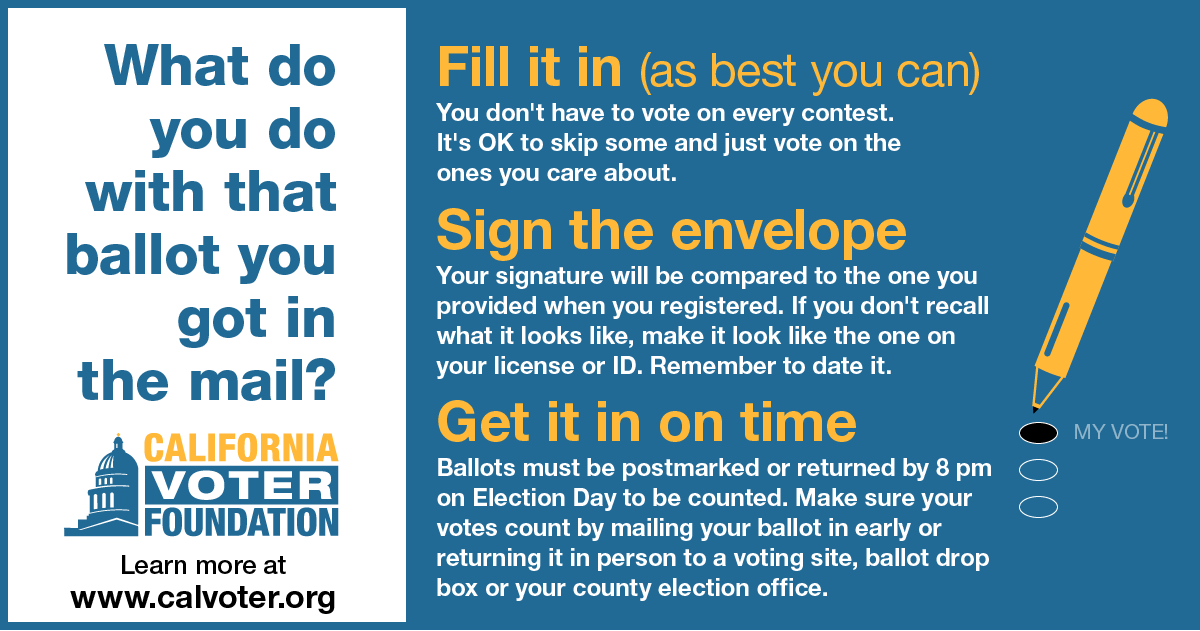
One of the most significant advancements in California’s voting system, particularly relevant for those with dynamic lifestyles, is the universal vote-by-mail program. Since the COVID-19 pandemic, all registered voters in California automatically receive a mail-in ballot for every election. This system dramatically increases convenience and reduces the need for in-person ID checks at polling places for the majority of voters.
Receiving a ballot by mail means you can vote from the comfort of your home, a hotel room, or anywhere you receive your mail. This is invaluable for travelers, individuals with demanding work schedules, or those who simply prefer the flexibility of voting outside of a traditional polling place. You can take your time to research candidates and propositions, and then simply return your completed ballot.
Mail-in ballots can be returned in several ways:
- By Mail: Postmarked on or before Election Day and received by election officials within a specified timeframe (typically 7 days after Election Day, though this can vary slightly by election).
- Drop Boxes: Many counties provide secure, official drop boxes at various locations (libraries, city halls, community centers, county election offices) where you can deposit your ballot. These are typically available starting weeks before Election Day and are collected frequently.
- Polling Places: You can also drop off your completed mail-in ballot at any official polling place in your county on Election Day.
The vote-by-mail system is a game-changer for people engaged in “Luxury Travel” or “Budget Travel” who might be away from home during an election but still want to participate. As long as your mailing address is up-to-date with your voter registration, your ballot will find you, minimizing any concerns about needing ID or finding a specific polling location while on the go.

Essential Resources for California Voters
Staying informed and prepared is key to a smooth voting experience in California. The official source for all voter information is the California Secretary of State’s website. Here, you can:
- Register to Vote or Update Your Registration: Easily change your address, name, or political party affiliation.
- Check Your Voter Registration Status: Confirm that you are registered and that your information is current. This is a critical step, especially after moving or if you haven’t voted in a while.
- Find Your Polling Place: If you prefer to vote in person or need to drop off a mail-in ballot, the website will direct you to your assigned location.
- View Your Sample Ballot and Voter Information Guide: These resources provide information about candidates, propositions, and local measures, allowing you to make informed decisions before you vote.
- Track Your Mail-in Ballot: Confirm when your ballot was sent and when it was received by election officials.
Beyond the official state resources, local county election offices also provide valuable information specific to your area. Taking advantage of these resources ensures that whether you’re a long-time resident, a new arrival exploring “Local Culture,” or managing a “Business Stay” that takes you across the state, your right to vote in California is protected and easily exercised, even without a traditional ID in hand. The system is designed for participation, making civic engagement an accessible part of the California lifestyle.
LifeOutOfTheBox is a participant in the Amazon Services LLC Associates Program, an affiliate advertising program designed to provide a means for sites to earn advertising fees by advertising and linking to Amazon.com. Amazon, the Amazon logo, AmazonSupply, and the AmazonSupply logo are trademarks of Amazon.com, Inc. or its affiliates. As an Amazon Associate we earn affiliate commissions from qualifying purchases.