
For anyone planning a trip to the Golden State, from the sun-drenched beaches of San Diego to the bustling streets of San Francisco and the cinematic landscapes of Los Angeles, understanding California’s time zone is far more than a mere technicality. It’s a crucial element that impacts everything from flight schedules and hotel bookings to your daily itinerary and even your body’s internal clock. As you immerse yourself in the vibrant culture, explore breathtaking landmarks, or unwind in luxurious accommodations, a grasp of the local time ensures a seamless and enjoyable experience. This guide will delve into what defines California’s time relative to Greenwich Mean Time (GMT) and how this knowledge can empower you to maximize every moment of your California adventure. We’ll explore the specifics of its time zone, discuss the practical implications for travelers, and offer actionable tips to help you navigate the nuances of time, making your journey unforgettable. Whether you’re a first-time visitor or a seasoned explorer, grasping the rhythm of California’s time is an indispensable tool for a truly enriching travel experience.
Decoding California’s Time Zone
The concept of time zones, while seemingly straightforward, carries a rich history rooted in global navigation and commerce. For travelers heading to California, understanding its position within this global framework is the first step toward a well-planned trip. At its core, time zones are geographical regions that keep the same standard time, crucial for coordinating activities across vast distances.
GMT and UTC Explained
To understand California’s time, we must first briefly touch upon GMT and Coordinated Universal Time (UTC). Historically, GMT served as the primary time standard by which all other time zones were referenced. It’s the mean solar time at the Royal Observatory in Greenwich, London, and represents the starting point, or “zero” meridian (0° longitude). For a long time, clocks worldwide were set relative to GMT.
However, with advancements in atomic clock technology, UTC emerged as the modern and more precise scientific standard for time. UTC is determined by a network of atomic clocks around the world, making it extremely accurate and stable. For most practical purposes, especially for non-scientific use like travel planning, GMT and UTC are often used interchangeably, particularly when discussing time zone offsets. When you see “GMT-8” or “UTC-8,” they generally refer to the same time offset relative to the prime meridian. This means that if it’s noon GMT/UTC, a location at GMT-8 would be 8:00 AM. This global standardization ensures that everyone, from pilots scheduling flights across continents to tourists booking a walking tour in a foreign city, can operate on a common understanding of time. Without it, the world would be a chaotic mix of local sun times, making international travel and communication virtually impossible.
California’s Specific Time Zone: PST/PDT
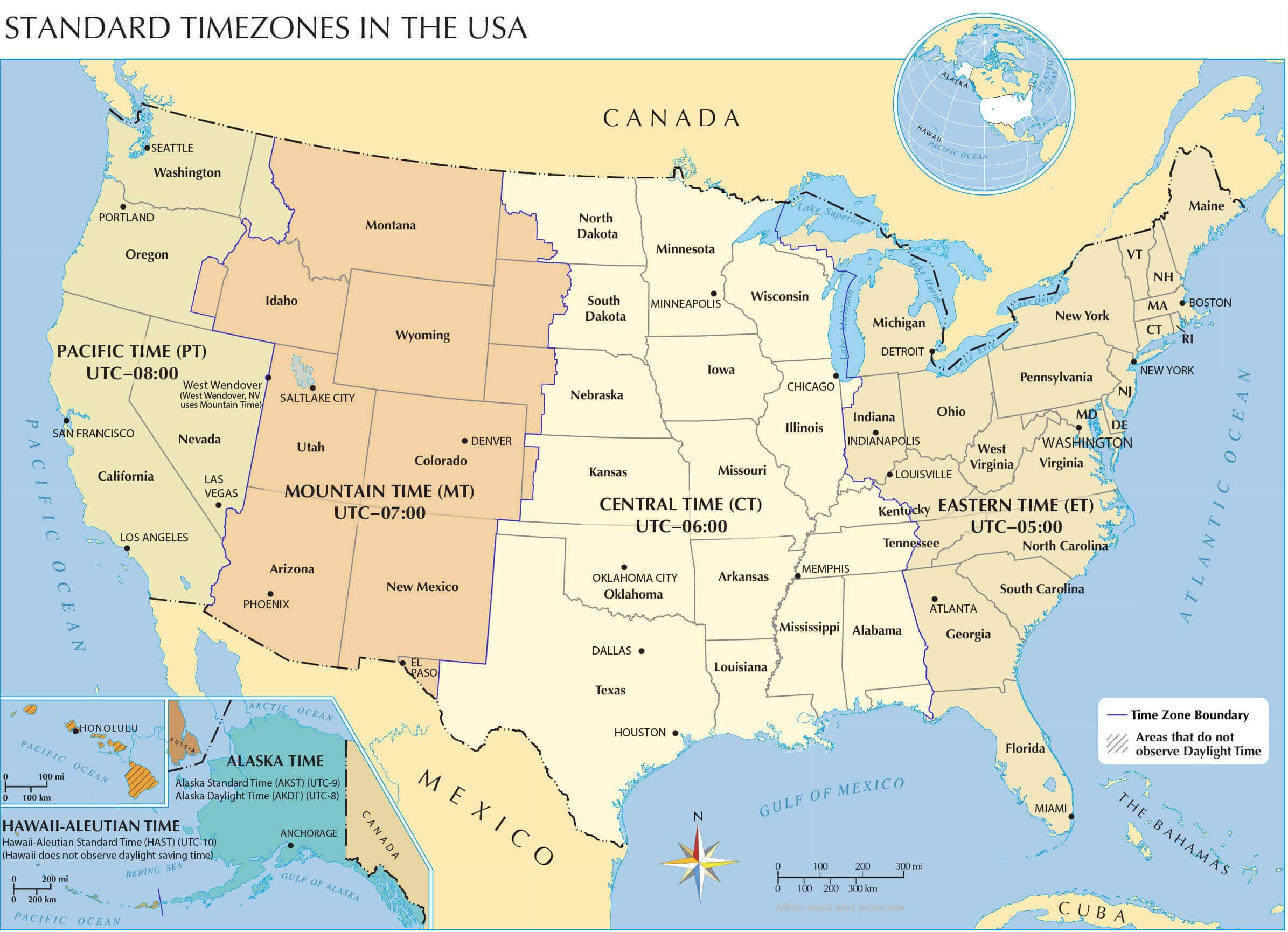
California primarily observes the Pacific Time Zone. During standard time, from roughly early November to mid-March, this is known as Pacific Standard Time (PST). PST is 8 hours behind Coordinated Universal Time (UTC-8) and, by extension, 8 hours behind GMT. So, if it’s 12:00 PM (noon) UTC, it would be 4:00 AM in California during PST.
However, like most of the United States (excluding Arizona and Hawaii), California observes Daylight Saving Time (DST). This annual practice involves advancing clocks by one hour during warmer months to make better use of daylight. From mid-March to early November, California switches to Pacific Daylight Time (PDT). During PDT, the time offset changes to UTC-7, meaning it is 7 hours behind UTC/GMT. This shift provides an extra hour of daylight in the evenings, which is particularly appealing for tourists exploring attractions like the Santa Monica Pier or enjoying outdoor dining in Napa Valley.
The transition between PST and PDT occurs on specific dates: clocks “spring forward” one hour on the second Sunday in March and “fall back” one hour on the first Sunday in November. This twice-yearly change is vital for travelers to note, as it can affect flight arrival times, reservation schedules, and even internal body clocks upon arrival. Knowing whether you’re traveling during PST or PDT is crucial for accurate planning and avoiding any timing mishaps.
The Impact of Time Zones on Your California Travel Experience
The moment you step off the plane in California, the local time doesn’t just dictate when you check into your hotel; it profoundly influences almost every aspect of your trip. From how your body adjusts to the flow of your itinerary, understanding the time zone impact is paramount for a truly enjoyable and stress-free vacation or business trip.
Battling Jet Lag for a Smooth Start
Jet lag is perhaps the most immediate and noticeable effect of crossing multiple time zones. For travelers arriving in California from distant lands like Europe, Asia, or even the East Coast USA, the significant time difference can throw your internal body clock (circadian rhythm) out of sync. Symptoms like fatigue, insomnia, digestive issues, and irritability can detract from the initial excitement of your journey.
Mitigating jet lag requires proactive strategies. Before your flight, gradually adjust your sleep schedule to align closer with California time. On the plane, stay hydrated and avoid excessive caffeine and alcohol. Upon arrival, expose yourself to natural daylight as much as possible, especially in the morning, to help reset your internal clock. Even if you’re tired, try to resist napping for too long during the day and push through to the local bedtime. Engaging in light physical activity, like a stroll along Venice Beach or a hike in Runyon Canyon, can also help your body adapt. Many luxury hotels and wellness resorts in California now offer amenities and services specifically designed to combat jet lag, from specialized spa treatments to sleep-inducing room features, recognizing the importance of a well-rested traveler. By prioritizing these adjustments, you can quickly shake off the effects of travel and fully immerse yourself in the wonders of California.
Planning Your Itinerary and Activities
Beyond personal well-being, California’s time zone directly impacts your travel planning and the execution of your itinerary. For example, if you’re arriving from New York (which observes Eastern Standard Time (EST), a three-hour difference), a morning flight arriving at 9 AM PST would feel like 12 PM EST to your body, potentially making you ready for lunch rather than breakfast. This also means early morning activities in California might feel even earlier if you’re still mentally operating on your home time.
Booking activities and making reservations require careful attention to the local time. Theme parks like Disneyland in Anaheim or Universal Studios Hollywood in Los Angeles have specific opening and closing hours that align with PST/PDT. Missing a crucial booking for a popular restaurant or a timed entry to a landmark like Alcatraz Island in San Francisco due to a time zone miscalculation can be a frustrating setback. Guided tours, wine tasting experiences in Sonoma, and even outdoor adventures in Yosemite National Park all operate on local time, and showing up an hour late can mean missing out entirely. Always double-check reservation times and cross-reference them with your current time zone and the local California time, especially when confirming details closer to your travel date. This diligent approach ensures you experience every planned activity without a hitch, allowing you to fully immerse yourself in the rich offerings of the state.
Business and Communication Across Time Zones
For business travelers or those needing to maintain communication with work, family, or colleagues back home, the California time zone becomes a critical factor. The significant time difference from global business hubs can complicate scheduling meetings, calls, and virtual conferences. For instance, a 9:00 AM meeting in Los Angeles means a 12:00 PM start for someone on the East Coast USA, 5:00 PM in London, and potentially late night or early morning in parts of Asia or Australia.
Understanding these differentials is crucial for efficient international collaboration. Business travelers might find themselves adjusting their personal schedules, waking up earlier or staying up later, to accommodate calls with partners in different time zones. Moreover, for those managing teams remotely or working on deadlines, miscalculating time differences can lead to missed communications, delayed approvals, and overall inefficiencies. Utilizing world clock apps and scheduling tools that automatically adjust for time zones becomes indispensable. When booking accommodation for business travel, consider hotels that offer 24-hour business centers and reliable internet access to facilitate these cross-time zone communications, ensuring productivity remains high even while on the road in California.
Maximizing Your Stay: Time Zone Tips for California Visitors
Armed with a solid understanding of California’s time zone, travelers can now move beyond mere adjustment to strategic planning. Integrating time zone awareness into your overall travel strategy can significantly enhance your experience, allowing you to optimize your itinerary, avoid unnecessary stress, and truly savor the diverse offerings of the Golden State.
Choosing the Best Time to Visit California
While any time is a good time to visit California, understanding the nuances of PST versus PDT can influence your decision. When Daylight Saving Time (PDT) is in effect (mid-March to early November), California experiences longer daylight hours in the evenings. This is particularly appealing for tourists who wish to maximize their time outdoors, exploring natural wonders, enjoying scenic drives, or participating in evening activities. Imagine extended hours for a sunset view from the Golden Gate Bridge, leisurely strolls along the beaches of Malibu, or a late afternoon wine tasting in Temecula Valley.
Conversely, if you prefer cooler weather and earlier sunsets, the PST period (early November to mid-March) might be more suitable. This is often the time for winter sports in the Sierra Nevada Mountains, desert escapes to Palm Springs, or enjoying the festive season in cities like San Francisco and Los Angeles with their earlier evening glow. Travelers should consider how the shift in daylight hours aligns with their preferred activities and the overall ambiance they seek for their California trip. This foresight in planning can contribute significantly to the quality and enjoyment of your travel experience, ensuring that every moment aligns with your desires for exploration and relaxation.
Navigating Different Time Zones within the USA
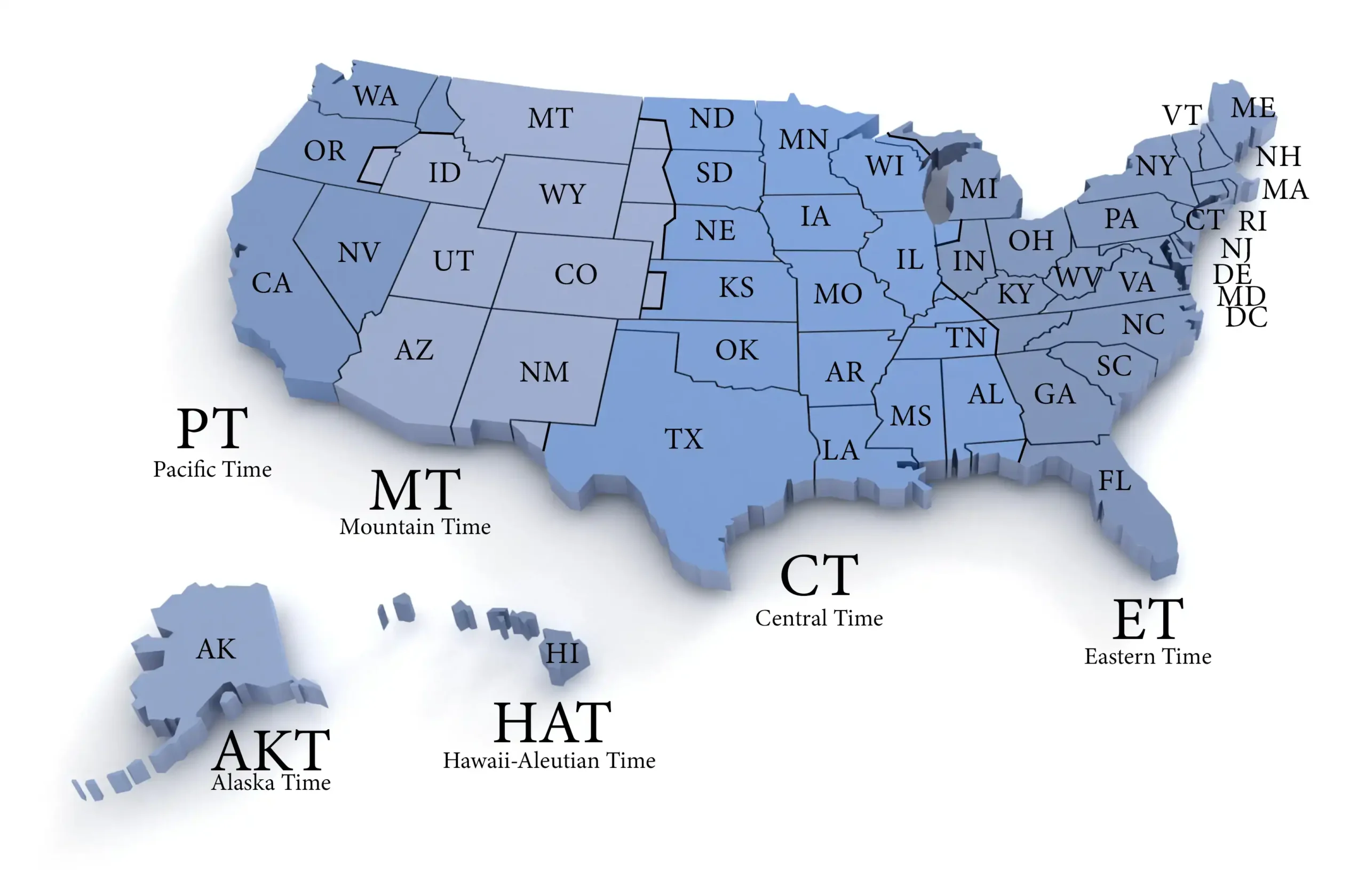
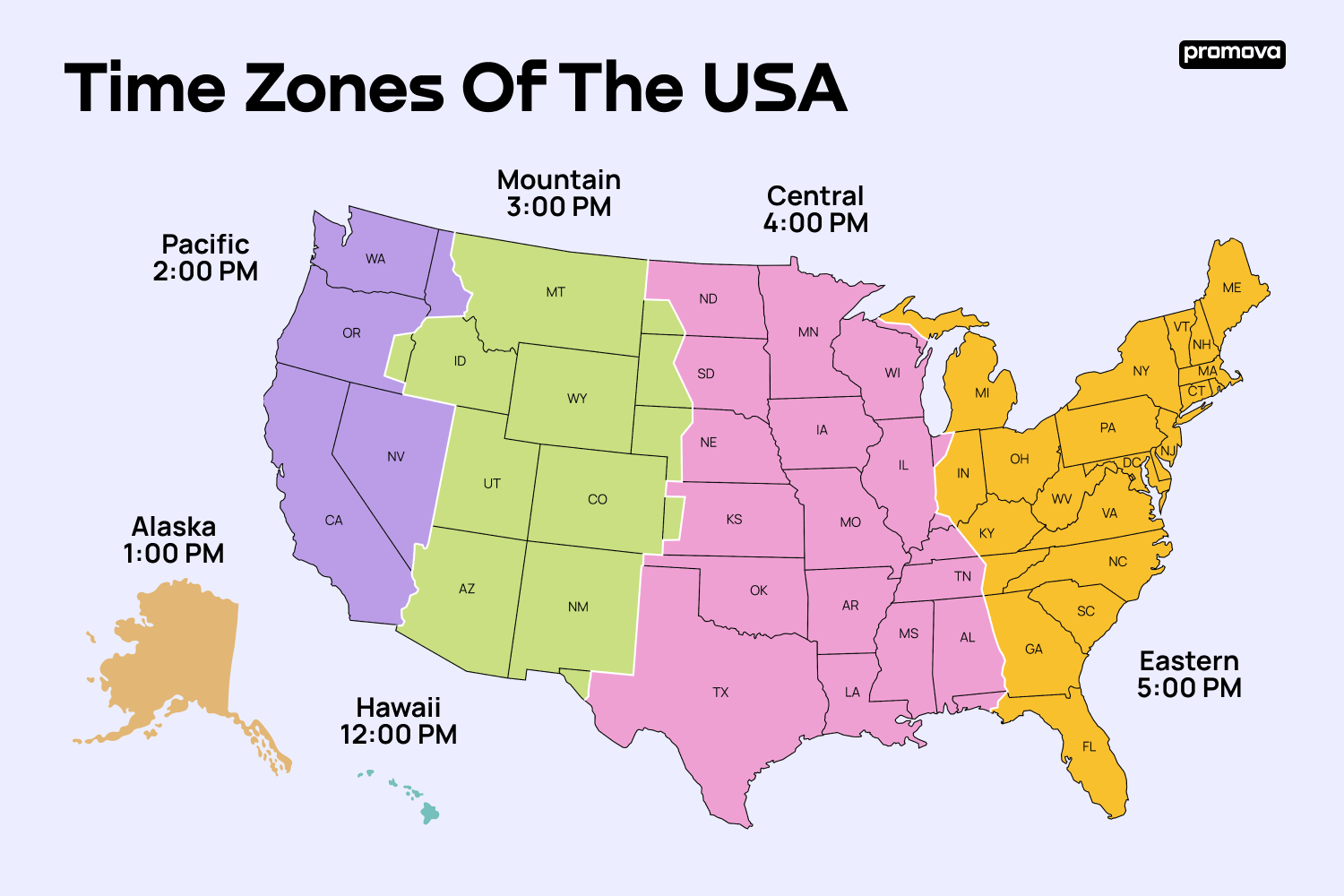
For travelers embarking on a broader United States itinerary that includes California, understanding the country’s multiple time zones is essential. The contiguous USA spans four primary time zones: Eastern Standard Time (EST), Central Standard Time (CST), Mountain Standard Time (MST), and Pacific Standard Time (PST). Additionally, Alaska and Hawaii have their own time zones (Alaska Standard Time – AKST and Hawaii Standard Time – HST).
If you’re flying from Miami or New York (EST/EDT) to Los Angeles (PST/PDT), you’ll cross three time zones, resulting in a three-hour difference. Traveling from Chicago (CST/CDT) means a two-hour difference, and from Denver (MST/MDT) just a one-hour shift. These internal time changes, though less severe than international ones, can still cause minor jet lag and require careful planning, especially when coordinating activities across state lines. For instance, if you’re planning a multi-city trip that includes a stop in Las Vegas (which observes Pacific Time but is often close to the Arizona border, which sometimes does not observe Daylight Saving Time), being aware of the nuances is key. Always adjust your devices to local time immediately upon arrival in a new time zone to prevent confusion regarding transportation schedules, hotel check-ins, and tour timings.
Essential Tools and Apps for Time Management
In our digitally connected world, managing time zones on the go has become significantly easier thanks to a myriad of tools and applications. Leveraging these resources can transform a potentially complex time management challenge into a seamless part of your travel routine.
World Clock Apps: Dedicated world clock applications (often built into smartphones or available as third-party downloads) are invaluable. They allow you to add multiple cities and instantly see the current time in each, making it easy to compare California time with your home time or other destinations on your itinerary. This is particularly useful for scheduling calls or remembering when friends and family back home are awake.
Time Zone Converters: Websites and apps specifically designed for time zone conversion let you input a specific time in one zone and instantly convert it to another. This is perfect for verifying flight times, tour start times, or meeting schedules.
Smartphone Settings: Ensure your smartphone’s time and date settings are set to “automatic” or “network-provided time.” This feature will automatically update your phone’s clock to the local time zone as soon as you connect to a local network, preventing any manual errors.
Alarm Clock Strategies: When dealing with jet lag, use your phone’s alarm to set reminders for important activities and for consistent sleep-wake times based on the local California schedule. Gradually shifting your alarm times before departure can also aid in pre-adjusting your body clock.
By proactively using these tools, travelers can eliminate guesswork, minimize the chances of missing appointments, and maintain better communication with the outside world, ensuring a smooth and enjoyable California experience.
In conclusion, understanding California’s time zone – Pacific Standard Time (PST) and Pacific Daylight Time (PDT) – and its offset from Greenwich Mean Time (GMT) or Coordinated Universal Time (UTC) is far more than an academic exercise. For any traveler, whether venturing to the iconic Hollywood Sign, exploring the natural beauty of Big Sur, or enjoying the vibrant nightlife of West Hollywood, this knowledge is a fundamental component of seamless travel planning and a truly immersive experience. From meticulously managing jet lag to precisely coordinating your itinerary, every detail benefits from an informed approach to time. By embracing the tips and insights provided, you’re not just arriving in California; you’re stepping into its rhythm, ready to make the most of every sun-kissed moment the Golden State has to offer.
LifeOutOfTheBox is a participant in the Amazon Services LLC Associates Program, an affiliate advertising program designed to provide a means for sites to earn advertising fees by advertising and linking to Amazon.com. Amazon, the Amazon logo, AmazonSupply, and the AmazonSupply logo are trademarks of Amazon.com, Inc. or its affiliates. As an Amazon Associate we earn affiliate commissions from qualifying purchases.