
The question “What time is San Francisco?” goes far beyond a simple glance at a clock. While it certainly refers to the city’s place in the global time zones, it also encapsulates a myriad of travel considerations: when is the best time to visit, what time do attractions open and close, how long should you stay, and what is the general rhythm and pace of life in this iconic California metropolis? For anyone planning a trip to the Golden City, understanding “time” in all its facets is key to unlocking an unforgettable experience.
At its most fundamental, San Francisco operates on Pacific Standard Time (PST) during the winter months, which is UTC-8. Come spring and summer, it switches to Pacific Daylight Time (PDT), at UTC-7. This shift, like in many parts of the United States, is crucial for coordinating flights, meetings, and calls if you’re traveling from a different time zone. But beyond the technicalities of UTC offsets and daylight saving, the true “time” of San Francisco is measured in its seasons, its daily rhythms, and the historical tapestry that makes it a timeless destination.
Understanding San Francisco’s Rhythms: From Clocks to Calendars
Navigating San Francisco effectively requires a grasp of both its literal time zone and its seasonal cycles. These elements collectively dictate everything from packing choices and crowd levels to the availability of certain activities and the overall atmosphere of your visit.
Time Zones and Travel Logistics
Knowing whether San Francisco is observing PST or PDT is the first step in seamless travel planning. For international travelers, understanding the 7 or 8-hour difference from Coordinated Universal Time (UTC) is vital for mitigating jet lag and ensuring smooth transitions. Booking flights, arranging airport transfers, and scheduling check-ins for your chosen accommodation – whether it’s a luxury suite at the Four Seasons Hotel San Francisco, a boutique hotel near Union Square, or a charming apartment in North Beach – all hinge on accurate time coordination. Modern smartphones and online booking platforms usually adjust automatically, but a quick double-check can prevent any missed connections or late arrivals.
Beyond just the time of day, consider the timing of your booking. San Francisco hotels can fluctuate significantly in price depending on demand. Booking well in advance, especially for peak seasons, is a smart strategy for securing preferred accommodations and potentially better rates. Utilizing comparison tools and reading recent reviews for resorts, apartments, or villas is also a time-saving step that ensures you find the perfect fit for your lifestyle and budget.
The Best Time to Visit San Francisco: Seasonal Considerations
While San Francisco is a year-round destination, the “best time” to visit is subjective and depends heavily on what you seek from your travel experience. Unlike many cities with distinct four seasons, San Francisco’s weather is famously unique, often characterized by its cool summers and mild winters, punctuated by the iconic fog.
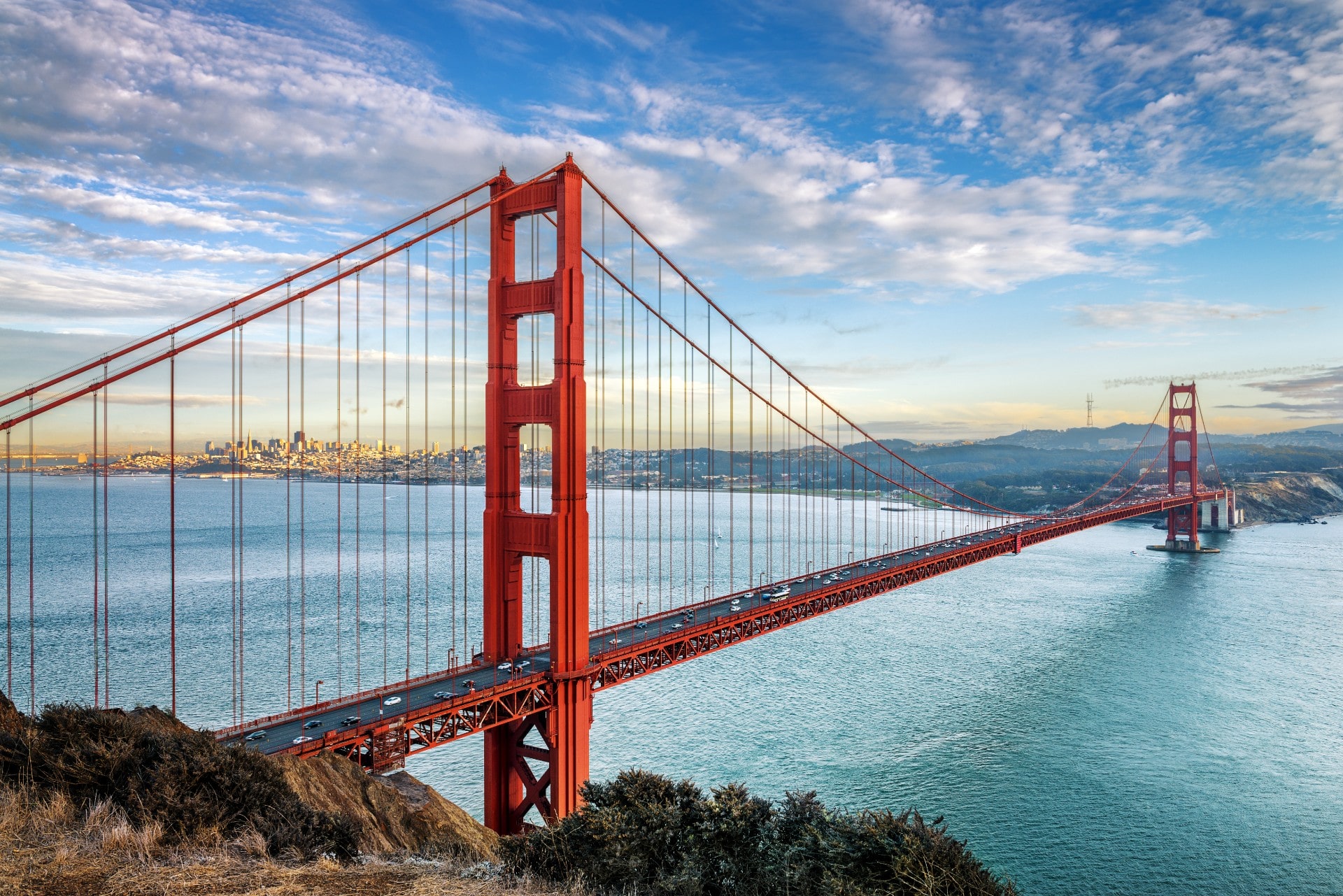
- Fall (September – November): Often considered the absolute best time to visit. The notorious fog tends to recede, giving way to warm, sunny days and clearer skies. This is prime time for outdoor activities, enjoying the city’s many festivals, and experiencing attractions like the Golden Gate Bridge without a heavy coat. However, it’s also a popular time, so expect higher hotel prices and larger crowds.
- Spring (March – May): Another excellent period, offering pleasant temperatures and fewer crowds than the peak fall season. The city bursts into bloom, particularly in parks like Golden Gate Park. Spring brings a lively atmosphere, perfect for exploring neighborhoods and enjoying outdoor dining.
- Summer (June – August): Surprisingly, San Francisco summers can be cool and foggy, especially in the mornings and evenings. “The coldest winter I ever spent was a summer in San Francisco,” as the saying goes. While not ideal for sunbathing, it’s a great time for indoor attractions and events. Crowds are also at their peak due to school holidays.
- Winter (December – February): Mild and wetter, winter offers a cozy, festive atmosphere, especially around the holidays. Hotel prices can be lower, making it an excellent option for budget travelers. While rain showers are more frequent, clear days provide crisp views, and the city still buzzes with cultural activities and culinary delights.
For those planning a family trip, aligning with school breaks might mean braving summer crowds, but strategizing your daily schedule can still yield rewarding experiences. Budget travelers might find the shoulder seasons (late spring, early fall) or winter to be more forgiving on their wallets without sacrificing too much on weather.
Maximizing Your Time: Itineraries and Experiences
Once you’ve settled on the “when,” the next question is “how to spend your time?” San Francisco is a city rich with landmarks, attractions, and unique cultural experiences, demanding a well-thought-out itinerary to make the most of every moment.
Time-Sensitive Attractions and Booking Ahead
Many of San Francisco’s most iconic sights require advance planning, especially regarding specific entry times.
- Alcatraz Island: Tickets for tours to “The Rock” often sell out weeks or even months in advance, particularly during peak season. Booking your desired time slot is absolutely essential.
- Cable Cars: While you can usually hop on at various stops, the lines at popular termini like Powell Street can be long. Consider riding in the early morning or late afternoon to avoid the longest waits.
- Museums: Institutions like the Exploratorium, the California Academy of Sciences, the de Young Museum, and the Legion of Honor typically have set opening and closing hours. Checking their websites for the most up-to-date information, including any special exhibitions or extended hours, is always advisable. Some may also offer timed entry tickets.
- Popular Restaurants: San Francisco is a culinary hub. Reserving tables, especially for dinner at renowned establishments in neighborhoods like the Mission District or North Beach, can prevent disappointment and long waits.
Allocating specific time blocks for these activities within your daily schedule will ensure you don’t miss out. Many tourism guides emphasize grouping geographically close attractions to minimize travel time between them, maximizing your exploration time. For example, combining a visit to Pier 39 and Fisherman’s Wharf makes perfect sense, as does exploring the Palace of Fine Arts and Crissy Field near the Presidio National Park.
Designing Your San Francisco Itinerary: From Dawn to Dusk
A well-paced itinerary is crucial for any trip, whether it’s a luxury travel escape or a meticulous budget travel plan. Consider a mix of famous sights, local culture, and moments of relaxation.
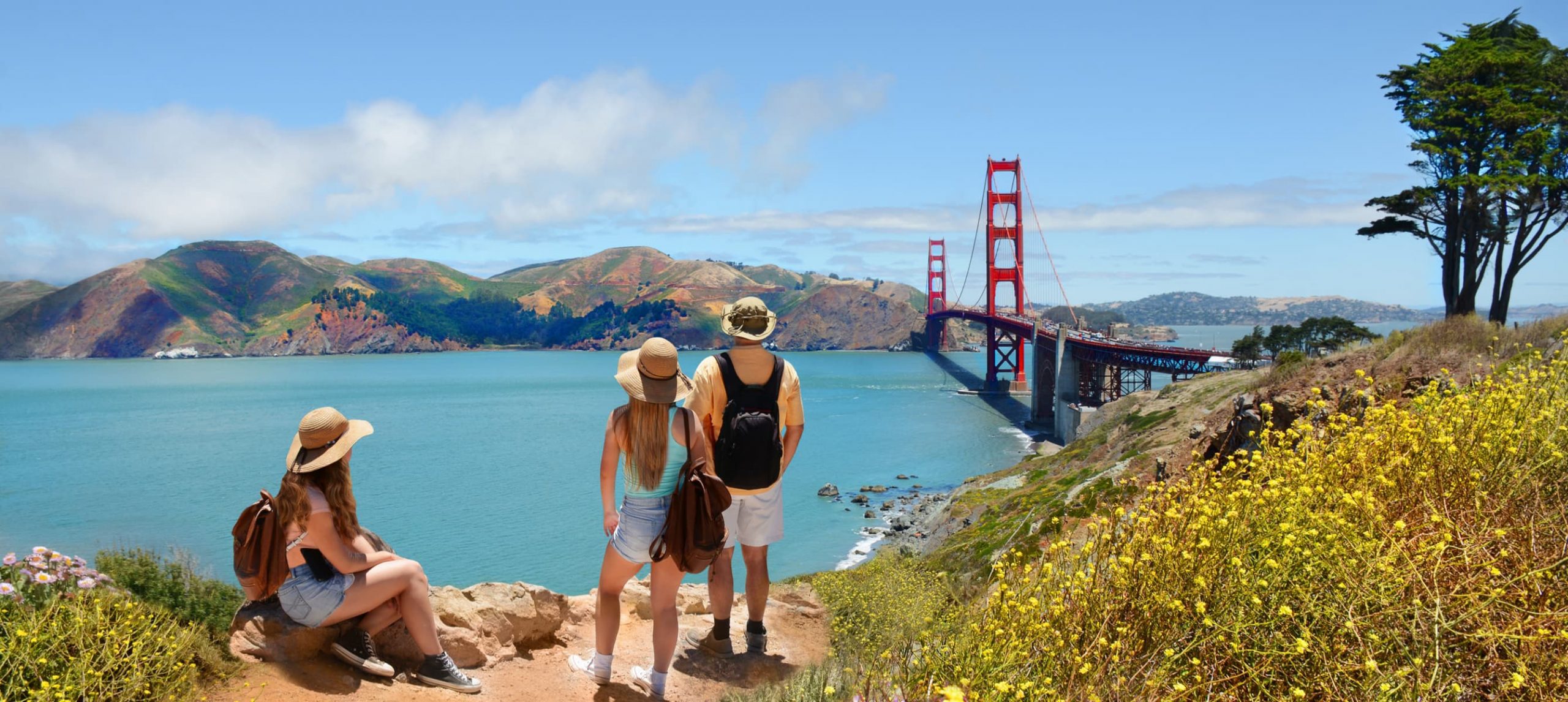
Morning: Start early to beat the crowds at popular spots. A sunrise stroll across the Golden Gate Bridge or a visit to Lombard Street before the tour buses arrive offers a unique perspective. Enjoy breakfast at a local cafe in Chinatown or grab a pastry at the Ferry Building Marketplace while enjoying bay views.
Afternoon: This is ideal for museums, shopping, or neighborhood exploration. Spend time in Golden Gate Park, home to the California Academy of Sciences and the de Young Museum. Explore the vibrant murals of the Mission District or browse the shops around Union Square. Don’t forget to factor in travel time using the city’s efficient public transport system, including the iconic cable cars.
Evening: As dusk settles, San Francisco transforms. Catch sunset views from Coit Tower or Twin Peaks. Enjoy dinner at one of the city’s world-class restaurants, followed by a show or live music. For a more relaxed evening, take a leisurely walk along the Embarcadero or explore the lively atmosphere of Pier 39.
Remember to build in some buffer time. San Francisco’s hilly terrain and sometimes unpredictable fog can add unexpected delays. Flexibility is a virtue, especially when traveling with family or on a tight schedule for a business stay.
Beyond the Clock: The Timeless Allure of San Francisco
While understanding the practical aspects of time is crucial, the true essence of “What time is San Francisco?” lies in its enduring appeal and its place in history and culture. It’s a city that continuously reinvents itself while preserving its unique character.
A City Steeped in History and Innovation
San Francisco’s history is a rich tapestry, from its days as a gold rush boomtown to its role in the counterculture movements of the 1960s and its current status as a global tech hub. Landmarks like Alcatraz Island and the Presidio tell stories of the past, while the constant evolution of its neighborhoods showcases its dynamic present. The Palace of Fine Arts stands as a monument to past expositions, contrasting with modern marvels like the Presidio Tunnel Tops, a testament to contemporary urban planning.
Exploring San Francisco is like traveling through different eras. The historic Chinatown, the Victorian houses known as the Painted Ladies, the bustling Ferry Building Marketplace – each offers a glimpse into a different chapter of the city’s life. Engaging with local culture, from its diverse culinary scene to its vibrant arts community, allows travelers to feel connected to the city’s ongoing story.
The Pace of Life and Lifestyle Choices
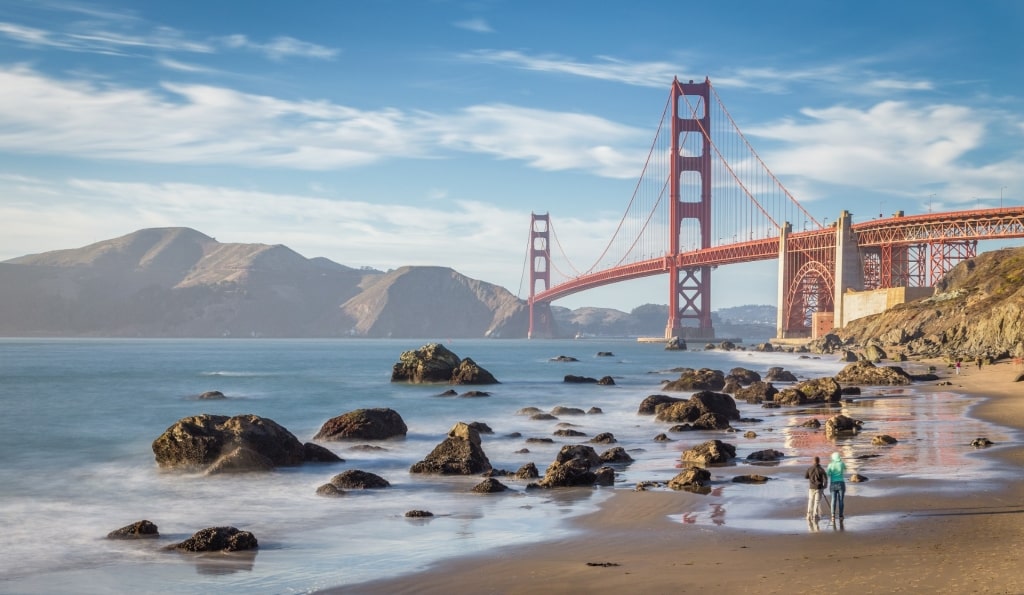
What time is San Francisco in terms of its overall pace? It’s a city that balances energetic urban living with access to stunning natural beauty. You can find yourself in the bustling financial district one moment and hiking through the serene trails of Presidio National Park or cycling across the Golden Gate Bridge to Sausalito the next.
This blend offers diverse lifestyle experiences. For those seeking luxury travel, the city provides world-class dining, high-end shopping in Union Square, and opulent resorts like The Ritz-Carlton, San Francisco. Budget travelers can explore free attractions, enjoy diverse street food, and find affordable yet comfortable accommodations, perhaps an apartment or a shared hostel room, allowing for a longer stay. For long-term stays, the city offers a wealth of residential options and a community atmosphere in its various neighborhoods.
Beyond the city limits, time opens up to exploration of nearby regions. A day trip to the ancient redwood groves of Muir Woods National Monument offers a timeless escape into nature. A weekend excursion to the famed wine regions of Napa Valley or Sonoma Valley provides a different rhythm altogether. Even a short drive south brings you to the innovative heart of Silicon Valley, highlighting San Francisco’s pivotal role in shaping the future.
In conclusion, “What time is San Francisco?” is a multifaceted question with layers of practical and experiential answers. From understanding its time zone and seasonal nuances to strategically planning your visits to popular attractions and embracing the city’s unique pace, mastering the concept of “time” is your passport to a deeply rewarding San Francisco adventure. Whether you’re chasing the sun, seeking cultural immersion, or simply savoring a gourmet meal, San Francisco operates on a time that is uniquely its own – a blend of the historic, the innovative, and the simply unforgettable.
LifeOutOfTheBox is a participant in the Amazon Services LLC Associates Program, an affiliate advertising program designed to provide a means for sites to earn advertising fees by advertising and linking to Amazon.com. Amazon, the Amazon logo, AmazonSupply, and the AmazonSupply logo are trademarks of Amazon.com, Inc. or its affiliates. As an Amazon Associate we earn affiliate commissions from qualifying purchases.